When ceiling water spots appear beneath an interior wall intersection, the culprit is frequently the roof valley overhead. Analyzing an asphalt shingle roof valley flashing repair vs replacement cost US scenario requires weighing quick surface fixes against comprehensive structural rebuilds. Roof valleys process the highest volume of water runoff on any residential structure, funneling rain from two converging roof planes into a concentrated stream toward the gutter system. Understanding how these water channels are built, where they fail, and how labor costs accumulate is essential to making a durable, cost-effective choice.
A simple localized patch using elastomeric sealant or minor tab replacement might cost a few hundred dollars, whereas a full tear-down and structural reconstruction of the valley channel can stretch into thousands depending on roof pitch, height, material selection, and underlying wood damage. Deciding which route to take depends on the age of the overall roof, the type of valley construction present, and whether water has penetrated the underlying plywood decking.
Roof valleys are subjected to severe hydrodynamic force. During heavy summer downpours or winter snowmelts, water flowing down intersecting slopes crashes together at the valley line. If the valley flashing is worn, rusted, misaligned, or improperly sealed, water easily bypasses the primary barrier and works its way underneath the surrounding shingles. Knowing whether to repair localized damage or invest in a full valley replacement comes down to structural integrity, material longevity, regional weather challenges, and long-term financial value.
Understanding Roof Valley Anatomy: Open Metal vs. Closed Valleys
Before evaluating contractor quotes or attempting diagnostic work, it helps to understand the specific architectural design of your roof valley. Residential asphalt shingle roofs in the United States generally utilize one of three valley configurations: open metal, closed-cut, or woven. Each style handles water differently and presents unique failure points when components age.
Open Metal Valleys
An open metal valley features a visible continuous channel of sheet metal—typically pre-painted aluminum, galvanized steel, or heavy copper—running directly down the center seam between two intersecting roof slopes. Asphalt shingles are trimmed back several inches from the valley centerline on both sides, leaving a wide, smooth metal trough exposed to carry water directly off the roof line.
- Pros: Superior water-discharge capacity, rapid shed rate for ice and snow, easy visual inspection during routine maintenance, and high resistance to debris damming.
- Cons: Higher initial installation expense, risk of metal corrosion over time if protective coatings degrade, and strong aesthetic contrast against darker shingles.
Closed-Cut Valleys
In a closed-cut valley, shingles from the smaller or less steep roof slope are installed straight across the valley line onto the adjacent roof plane. The shingles from the larger or steeper slope are then brought across and neatly cut in a straight line parallel to the valley centerline, overlapping the bottom shingle layer beneath.
- Pros: Cleaner, continuous shingle aesthetic across the roof deck, lower initial material costs, and faster installation for roofing crews.
- Cons: Shingles located directly in the water channel experience accelerated granule loss; heavy debris can trap moisture beneath the top cut layer and cause hidden leaks.
Woven Valleys
Woven valleys are constructed by weaving alternating shingle courses from adjacent slopes back and forth across the valley seam, creating a continuous asphalt barrier without exposed cuts or metal. While this style was widely popular with traditional, flexible three-tab shingles, it has largely fallen out of favor with modern architectural shingles. Dimensional shingles are much thicker and stiffer, preventing them from laying flat when folded across tight valley angles.
- Pros: Completely sealed shingle appearance without exposed metal channels; eliminates cut edges along the high-flow centerline.
- Cons: Extremely difficult to diagnose localized leaks; stiff architectural shingles crack easily when bent across tight angles; structural repairs require stripping wide sections of shingles off both intersecting roof slopes.

Key Factors in the Repair vs. Replacement Decision
Choosing between a targeted repair and a complete valley reconstruction involves several technical variables. Evaluating these factors up front prevents spending money on temporary fixes that fail within a season, leading to far more expensive interior ceiling and framing damage.
1. Age and Condition of Surrounding Shingles
Asphalt shingles lose flexibility as they age, dropping their protective mineral granules and becoming increasingly brittle. If your asphalt shingle roof is past 15 years of age, lifting surrounding shingles to replace worn valley metal or underlayment will almost certainly crack adjacent tabs. When shingle brittleness makes clean removal impossible, localized replacement becomes unviable, pushing the project toward a broader section replacement or complete roof replacement.
2. Extent of Underlying Sheathing Rot
A valley leak left unattended for months will slowly saturate the plywood or OSB (oriented strand board) roof decking beneath. If the sheathing feels spongy under foot, sags noticeably, or shows soft wood rot from inside the attic, a localized silicone or roofing cement patch will not resolve the underlying structural threat. Surrounding shingles must be removed, rotted deck boards replaced, and fresh self-adhering membrane installed before laying new valley flashing.
3. Type and Severity of Metal Corrosion
On open valleys built with galvanized steel flashing, surface rust can often be scraped, primed, and coated if caught early. However, if corrosion has eaten completely through the sheet metal, producing pinpoint holes, flaking layers, or frayed edges, coating the metal with elastomeric sealant is merely a short-term stopgap. Sheet metal with structural rust perforation requires complete section removal and fresh flashing installation.
4. Original Workmanship and Fastener Placement
A significant percentage of roof valley leaks stem directly from improper initial installation. Common mistakes include driving roofing nails directly within six inches of the valley centerline, failing to clip the top corners of valley shingles, or skipping the installation of a self-adhering ice-and-water membrane underneath. If poor installation is the root cause of water entry, fixing one localized spot usually just forces water to bypass the patch and leak through another misdirected nail head nearby.
Detailed Cost Factors and Financial Expectations
When analyzing an asphalt shingle roof valley flashing repair vs replacement cost US calculation, contractors evaluate several direct and indirect cost drivers. Prices vary across regions based on local labor rates, roof pitch, building height, and material grades.
| Service Type | Estimated Cost Range (US Average) | Typical Scope of Work | Expected Service Life |
|---|---|---|---|
| Localized Sealant / Patch Repair | $250 – $600 | Cleaning, sealing open seams, replacing 1–3 damaged shingles, applying sealant over minor nail pop-throughs. | 1 to 3 Years |
| Surface Rust Treatment (Open Valley) | $350 – $800 | Wire-brushing surface rust, applying rust-inhibiting primer, and coating with UV-resistant elastomeric sealant. | 3 to 7 Years |
| Partial Valley Section Repair | $600 – $1,200 | Stripping shingles back 18 inches, replacing a damaged section of metal or membrane, and re-shingling localized area. | 5 to 10 Years |
| Full Valley Reconstruction | $1,500 – $3,500+ | Stripping shingles 3 feet back on both slopes, replacing rotted plywood decking, installing ice-and-water membrane, new metal flashing, and matching architectural shingles. | 15 to 25+ Years |
Labor and Accessibility Costs
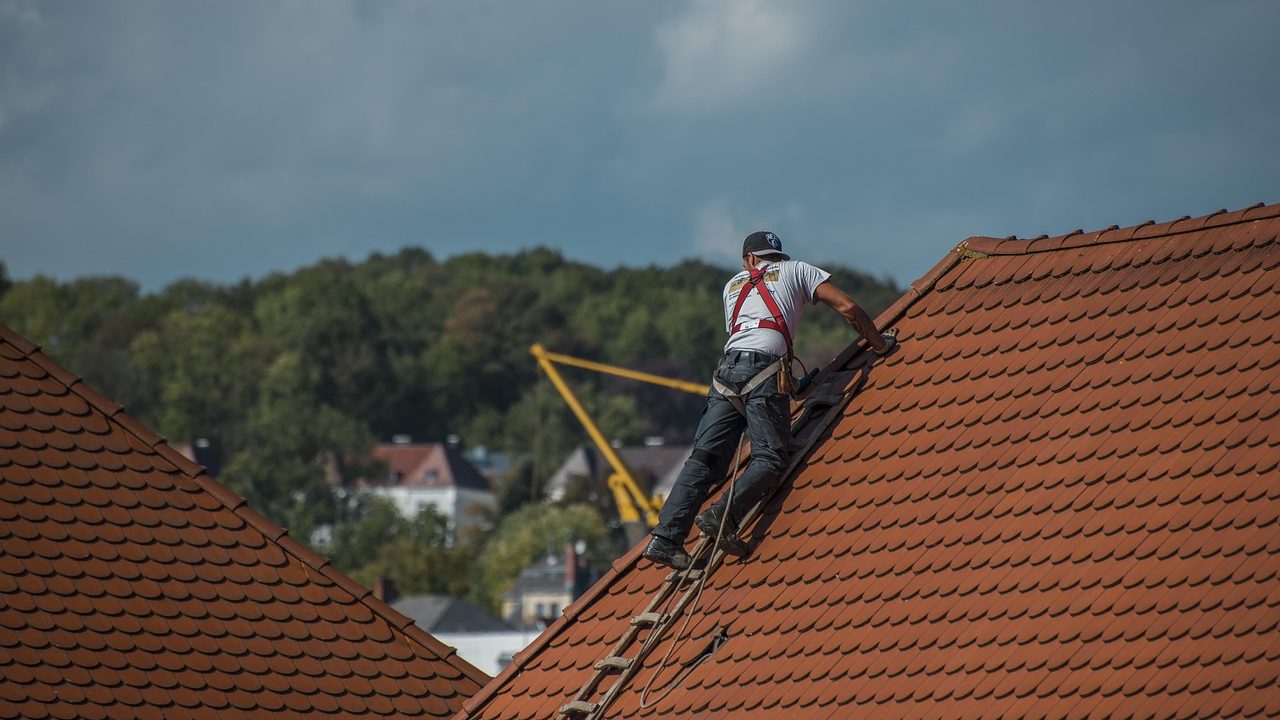
Labor accounts for 60% to 70% of the total bill on roof valley repairs. Valleys located on steep-slope roofs (8/12 pitch or higher), multi-story homes, or complex roofs with multiple dormers require rigging, harnesses, and safety scaffolding, which increases the labor cost significantly. If a valley is easily accessible on a single-story ranch home with a modest 4/12 pitch, labor overhead drops considerably.
Material Quality and Performance
The choice of metal flashing directly impacts long-term replacement costs. Standard 28-gauge galvanized steel is economical but prone to rust after 10–12 years if unpainted. Pre-painted 24-gauge aluminum offers excellent corrosion resistance at a moderate price point. Heavy 16-ounce cold-rolled copper provides maximum longevity—often lasting 50+ years—but carries a premium material cost that can double the financial commitment of a full valley reconstruction.
Comparing Repair Options: Localized Fixes vs. Full Valley Reconstruction
Understanding the operational steps, material performance, and realistic limits of each approach helps homeowners evaluate contractor bids and choose the right scope of work.
Localized Flashing Repair
A localized repair is appropriate when damage is confined to an easily identifiable, isolated spot on an otherwise healthy, relatively young roof (under 10 years old). Examples include sealing a minor seam separation, resetting a single popped fastener, or treating surface rust along an open metal trough.
During a localized fix, a contractor will clean away moss, dirt, and degraded sealant, prime weathered metal surfaces, and apply high-grade polyurethane or silicone roofing sealant over compromised joints. If a few surrounding shingle tabs are torn, they can be carefully lifted with a flat pry bar and replaced individually. However, relying on heavy applications of cheap plastic roof cement (tar) is a short-sighted tactic; roof cement dries out, cracks, and degrades under solar UV exposure within two to three years.

Full Valley Reconstruction
A full valley reconstruction completely restores the structural integrity of the roof intersection. The crew strips back shingles at least 24 to 36 inches on either side of the valley centerline down to the bare wooden deck sheeting. Any water-damaged or rotted plywood sections are cut out back to the center of adjacent rafters and replaced with fresh sheathing.
Next, contractors install a continuous sheet of heavy-duty, self-adhering polymer-modified bitumen membrane (commonly known as ice-and-water shield) directly onto the raw wooden deck. If an open metal valley is specified, a heavy-gauge metal channel featuring a center splash-rib is secured using concealed metal cleats along the edges—ensuring no exposed nails penetrate the metal surface. New shingles are then installed using closed-cut or open-valley techniques, keeping all shingle fasteners at least eight inches away from the center water line.
Addressing Specific Scenarios: Rust, Weave Conversions, and Hidden Rot
Different structural issues require specialized field solutions. Below are common real-world challenges encountered during roof valley service and how experienced contractors address them.
Fixing Rusting Valley Flashing
Addressing a rusting metal valley depends on whether corrosion is superficial or structural:
- Surface Oxidation: Scrape the affected area clean using a wire brush or scraper, sand down to sound metal, wipe clean with solvent, apply a rust-inhibiting exterior primer, and cover with a UV-resistant elastomeric metal coating. This process extends metal service life on roofs under 10–12 years old.
- Through-Rust Corrosion (Pitting and Holes): Applying sealant over structural rust holes will fail rapidly due to thermal expansion and contraction cycles. Surrounding shingles must be unsealed, the compromised metal section removed, and a new metal valley channel installed with proper overlapping seams (minimum 6-inch lap sealed with high-grade butyl or polyurethane metal sealant).
Converting Woven Valleys to Open Metal
Homeowners dealing with aging woven valleys often choose to convert to open metal during repair work or partial slope replacements. Replacing stiff, cracking woven shingle courses with an open metal trough improves water clearance, accelerates snow shed, and eliminates folded shingle fatigue. While this conversion requires stripping extra shingle courses along the valley seam, the resulting open metal channel handles heavy downpours and debris far more effectively over the long term.
Handling Under-Shingle Wood Rot
Water entering a failed valley often travels horizontally along underlayment felt before finding a gap in the wooden deck sheathing. Consequently, interior ceiling stains can appear several feet away from the actual leak entry point on the roof deck. Professional roofers inspect the attic space directly beneath the valley using high-lumen flashlights, moisture meters, and structural probes to map out the true extent of damp wood. Replacing rotted decking is non-negotiable; laying fresh underlayment and metal flashing over compromised deck boards risks structural sag, fastener pull-out, and eventual failure.
Step-by-Step Decision Framework for US Homeowners
Use this decision framework to select the appropriate service approach for your home:
- Step 1: Determine Overall Roof Age and Shingle Condition. If your asphalt shingle roof is over 18 years old and exhibiting widespread granule loss, curling, or brittleness, invest in a complete roof replacement rather than isolated valley rebuilds. Attempting to repair brittle shingles often causes secondary damage to adjacent courses.
- Step 2: Inspect the Attic Decking from Below. Check for dark water stains, soft plywood, or active mold growth along the valley rafters. If structural deck rot or widespread dampness is detected, a full valley reconstruction is mandatory.
- Step 3: Evaluate Valley Style and Metal Integrity. If your roof features open metal flashing with pinhole leaks or flaking rust layers, budget for a full tear-out. If the metal exhibits minor surface rust on a roof under 8 years old, schedule a localized rust treatment and coating service.
- Step 4: Require Detailed Itemization in Contractor Quotes. Ensure written bids clearly state whether self-adhering ice-and-water membrane is included, specify wood deck replacement costs per square foot (or per sheet of plywood), and outline exact metal gauge and fastener types rather than using vague language like