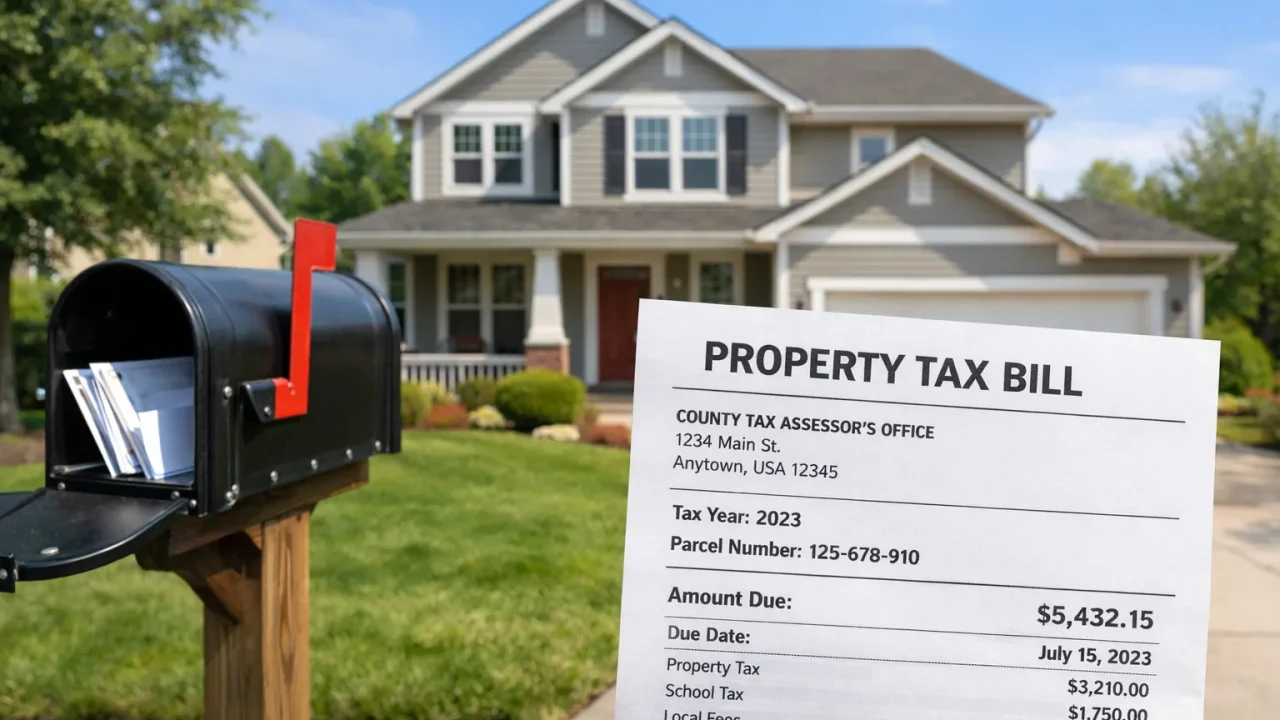
Property taxes US homeowners pay are a fundamental part of owning real estate in America. Whether you’re a first-time buyer or a long-time homeowner, understanding how property taxes work—and how they affect your finances—is essential for budgeting, planning, and avoiding costly surprises. For many, property taxes are the largest recurring expense after the mortgage, and they can fluctuate from year to year. This guide breaks down what property taxes are, how they’re calculated, how and when to pay, and what you can do to manage or reduce your property tax burden.
What Are Property Taxes and Why Do They Matter?
Property taxes are local taxes assessed on real estate, including homes, land, and sometimes additional structures like garages or sheds. These taxes are a primary source of funding for local governments and school districts, supporting essential services such as public education, police and fire departments, road maintenance, parks, and libraries. If you own a home in the US, you are legally required to pay property taxes, regardless of whether you have paid off your mortgage.
Property taxes matter because they directly impact your cost of homeownership and the quality of local services. High property taxes can make a home less affordable, while low taxes may mean fewer amenities or lower-quality services in your community. Understanding your property tax obligations helps you plan for both the financial and civic aspects of homeownership.
How Property Tax Works for US Homeowners
For US homeowners, property taxes are based on the assessed value of your property and the tax rates set by local governments. The process typically involves three main steps:
- Assessment: A local official, usually a county or city assessor, determines your property’s value. This value is meant to reflect the property’s fair market value or a percentage of it, depending on state law.
- Tax Rate: Local governments set a property tax rate, often expressed as a percentage of assessed value or as a mill rate (amount per $1,000 of assessed value).
- Calculation: Your property’s assessed value is multiplied by the tax rate to determine your annual property tax bill.
This system means your property tax bill can change from year to year, depending on changes in your property’s value, local tax rates, or new voter-approved levies. For example, if your city approves a new school bond, your property taxes may increase even if your home’s value stays the same.
Who Sets Property Tax Rates?
Property tax rates are set by local governments—typically counties, cities, towns, and school districts. In many areas, your total property tax bill is the sum of several different rates, each funding a specific service or agency. For instance, you might pay a county tax, a city tax, and a separate school district tax, all combined into one bill.
Each taxing authority reviews its budget needs annually and may adjust rates accordingly. In some cases, voters have a direct say in tax increases through ballot measures or referendums. This means property tax rates can rise if local budgets grow, if voters approve new levies for schools or public safety, or if state laws change the way taxes are calculated.
It’s important for homeowners to stay informed about local government meetings and ballot initiatives, as these can directly affect your property tax rates and, ultimately, your household budget.
How Property Taxes Are Calculated: The Assessment Process
The foundation of your property tax bill is your property’s assessed value. Here’s how the assessment process typically works:
- Market Value Estimation: The assessor estimates your property’s market value using recent sales of similar homes, property characteristics (such as size, age, and condition), and local market trends.
- Assessment Ratio: Some states use an assessment ratio, meaning your property is taxed on a percentage of its market value. For example, if the ratio is 80%, only 80% of your home’s market value is subject to tax.
- Exemptions: Many homeowners qualify for exemptions that reduce their taxable value. Common exemptions include homestead exemptions (for primary residences), senior citizen exemptions, and exemptions for veterans or people with disabilities.
For example, suppose your home’s market value is $350,000, your state uses an 80% assessment ratio, and you qualify for a $25,000 homestead exemption. Your taxable value would be ($350,000 x 0.8) – $25,000 = $255,000. Your property tax bill is then calculated by multiplying this taxable value by the local tax rate.
Assessments are usually updated every one to five years, depending on local rules. Some areas reassess properties annually, while others do so less frequently. If property values in your area rise, your assessed value—and your tax bill—may increase even if tax rates stay the same.
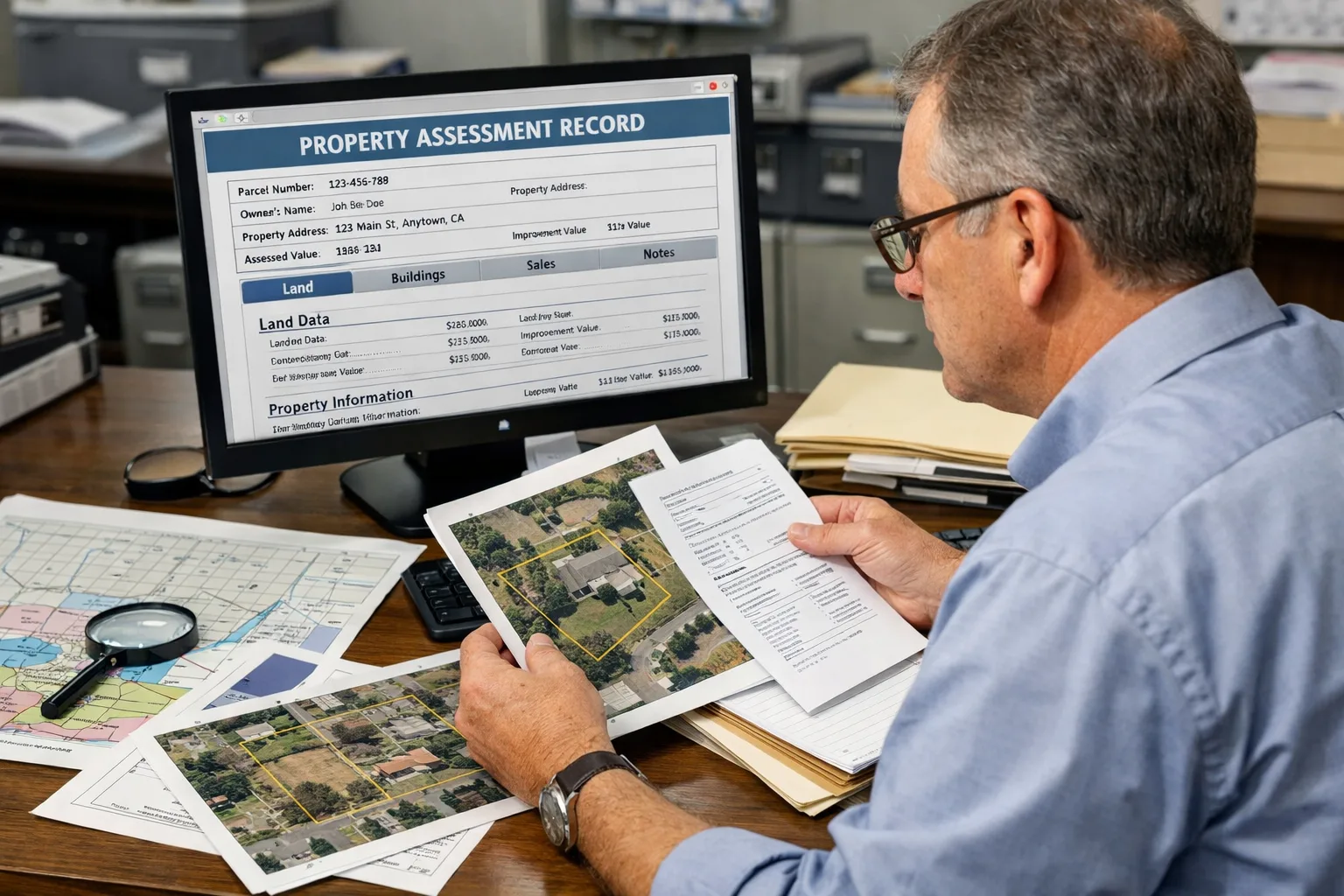
Understanding Your Property Tax Bill
Your property tax bill is more than just a demand for payment—it’s a detailed statement that can help you understand how your taxes are calculated and where your money goes. Most property tax bills include:
- The assessed value of your property
- The tax rate(s) applied by each taxing authority
- Any exemptions or credits you’ve received
- The total amount due
- Payment deadlines and accepted payment methods
Some bills also provide a breakdown showing how much of your payment goes to different services, such as schools, libraries, or emergency services. Reviewing your bill carefully can help you spot errors, confirm that you’ve received all eligible exemptions, and understand how changes in assessments or rates affect your taxes.
If you notice discrepancies—such as incorrect property details, missing exemptions, or an unexpectedly high assessed value—contact your local assessor’s office promptly. Mistakes do happen, and catching them early can save you money and hassle.
When and How Property Taxes Are Paid
Property taxes are typically billed annually or semi-annually, but the exact schedule varies by state and locality. Some areas send one bill per year, while others split the bill into two or more installments. Payment options usually include:
- Direct Payment: You pay the bill yourself by mail, online, or in person at your local tax office.
- Escrow Account: If you have a mortgage, your lender may collect property taxes as part of your monthly mortgage payment and pay the bill on your behalf. This is known as an escrow arrangement.
It’s crucial to know whether your lender is handling your property taxes or if you are responsible for payment. Even if you have an escrow account, mistakes can happen, so verify each year that your taxes have been paid on time. Missing a payment can lead to penalties, interest, or even a tax lien on your property.
Most local tax offices offer online portals where you can check your payment status, view your bill, and set up reminders. Take advantage of these tools to stay organized and avoid late fees.
The Impact of Property Taxes on Your Household Budget
Property taxes US homeowners pay can be a significant part of your monthly and annual housing costs. In some areas, property taxes rival or even exceed mortgage payments, especially as home values rise. When budgeting for a home, it’s essential to factor in not just the mortgage, but also property taxes, homeowners insurance, and maintenance costs.
Here are some practical tips for budgeting for property taxes:
- Estimate Before You Buy: Ask your real estate agent or check with the local assessor’s office for recent tax bills on the property you’re considering. This helps you avoid surprises after closing.
- Plan for Increases: Property tax rates and assessed values can change. Build some flexibility into your budget to accommodate potential increases.
- Track Escrow Payments: If your lender pays your taxes through escrow, review your annual escrow statement to ensure the correct amount is being collected and paid.
- Set Aside Funds: If you pay taxes directly, set aside money each month so you’re prepared when the bill arrives.
Remember, property taxes are not a fixed expense—they can fluctuate based on local budgets, property values, and voter-approved measures. Staying proactive helps you avoid financial strain.

What Happens If You Don’t Pay Property Taxes?
If you fail to pay your property taxes, your local government can place a lien on your property. This lien gives the government a legal claim to your home for the amount of unpaid taxes, plus penalties and interest. Over time, the consequences of unpaid property taxes can escalate:
- Penalties and Interest: Most localities charge late fees and interest on unpaid taxes, increasing your debt over time.
- Tax Lien Sales: In some areas, the government may sell your tax lien to an investor, who then has the right to collect the debt (and may eventually foreclose if you don’t pay).
- Tax Foreclosure: If taxes remain unpaid, the government or lienholder can initiate foreclosure proceedings, potentially resulting in the loss of your home.
Most local governments offer payment plans or hardship programs for homeowners facing financial difficulties. If you’re struggling to pay your property taxes, contact your local tax office as soon as possible to discuss your options. Ignoring the problem will only make it worse.
How to Review and Appeal Your Property Tax Assessment
Because your property tax bill is based on your property’s assessed value, it’s important to review your assessment carefully each year. If you believe your property has been overvalued, you have the right to appeal. Here’s how the process typically works:
- Request Your Assessment Record: Contact your local assessor’s office to obtain your property’s assessment details. Review the information for accuracy, including square footage, number of bedrooms, and property condition.
- Compare to Similar Properties: Look up recent sales of similar homes in your area. If your assessed value is significantly higher than comparable properties, you may have grounds for an appeal.
- File a Formal Appeal: Submit a written appeal to your local assessment office, including evidence such as sales data, photos, or appraisals. Each locality has its own forms and deadlines, so check the requirements carefully.
- Attend a Hearing: In some cases, you may be invited to present your case before a review board or hearing officer. Be prepared to explain why you believe your assessment is too high and provide supporting documentation.
Deadlines for appeals are strict—often just a few weeks after you receive your assessment notice. Missing the deadline usually means waiting until the following year. If you’re unsure about the process, many local governments provide guides or workshops on how to appeal property tax assessments.
Appealing your assessment does not guarantee a reduction, but if you have strong evidence, it can be a worthwhile effort. Even a modest reduction in assessed value can save you hundreds of dollars per year.
Strategies to Reduce Property Taxes
While you can’t control local tax rates, there are several strategies US homeowners can use to potentially lower their property tax bills:
- Apply for Exemptions: Many states and localities offer exemptions for primary residences (homestead exemptions), seniors, veterans, people with disabilities, and other qualifying groups. These exemptions reduce your taxable value and, in turn, your tax bill. Check with your local assessor to see what’s available and how to apply.
- Review Your Assessment for Errors: Mistakes in property records—such as incorrect square footage or extra bathrooms—can inflate your assessed value. Review your assessment notice and correct any errors promptly.
- Appeal Overvaluations: If your property is assessed higher than similar homes in your neighborhood, consider filing an appeal. Gather evidence such as recent sales data, appraisals, or photos to support your case.
- Stay Informed About Local Tax Proposals: Attend public meetings and vote on local measures that affect property taxes. Being engaged in your community can help you understand and influence changes to tax rates or assessments.
- Consult a Professional: For complex cases, some homeowners hire property tax consultants or attorneys to review assessments and handle appeals. While this involves fees, it may be worthwhile if you believe you’re being significantly overtaxed.
Remember, exemptions and appeals often have strict application deadlines. Mark your calendar and reapply for exemptions each year if required by your locality.
Common Mistakes Homeowners Make with Property Taxes
Even experienced homeowners can make mistakes when it comes to property taxes. Here are some common pitfalls to avoid:
- Assuming Your Lender Always Pays: If you have an escrow account, verify each year that your lender has paid your property taxes on time. Errors can occur, and you are ultimately responsible for any missed payments.
- Missing Exemption Deadlines: Many exemptions require annual applications or renewals. Missing a deadline can mean losing valuable savings for the year.
- Overlooking Errors in Assessments: Failing to review your assessment notice can result in overpaying taxes due to incorrect property details or overvaluations.
- Ignoring Tax Bills or Notices: Ignoring payment reminders or assessment notices can lead to penalties, interest, or even foreclosure. Always open and review correspondence from your local tax office.
- Not Budgeting for Increases: Property taxes can rise unexpectedly due to reassessments or new levies. Build flexibility into your budget to accommodate potential increases.
Staying organized, proactive, and informed can help you avoid these costly mistakes and keep your property tax obligations under control.
Frequently Asked Questions About Property Taxes
How can I find out my property’s assessed value?
Contact your local assessor’s office or visit their website. Many localities provide online tools where you can look up your property’s assessment and compare it to similar properties in your area.
What should I do if I can’t afford my property taxes?
Contact your local tax office immediately. Many offer payment plans, hardship programs, or temporary relief for qualifying homeowners. Ignoring the problem can lead to escalating penalties and risk of foreclosure.
Can property taxes be deducted on my federal income tax return?
Property taxes paid on your primary residence may be deductible if you itemize deductions on your federal tax return, subject to IRS limits. Consult a tax professional for guidance on your specific situation.
What happens if I sell my home?
At closing, property taxes are typically prorated between buyer and seller based on the date of sale. Make sure to review the settlement statement to confirm the correct amount is credited or debited.
How often are properties reassessed?
The frequency of reassessment varies by state and locality. Some reassess annually, while others do so every few years or only when a property changes hands. Check with your assessor’s office for details in your area.
Key Takeaways for Managing Property Taxes
Property taxes US homeowners pay are a major part of the cost of owning a home, but they don’t have to be a mystery or a source of stress. By understanding how property taxes are calculated, reviewing your assessments, applying for all eligible exemptions, and staying engaged with local tax issues, you can take control of your property tax obligations. If your bill seems high or you spot errors, don’t hesitate to ask questions or file an appeal. Staying organized, proactive, and informed is your best defense against unexpected costs and financial surprises.
Ultimately, property taxes are both a financial responsibility and a way to invest in your community. By managing them wisely, you can protect your budget and support the local services that make your neighborhood a great place to live.