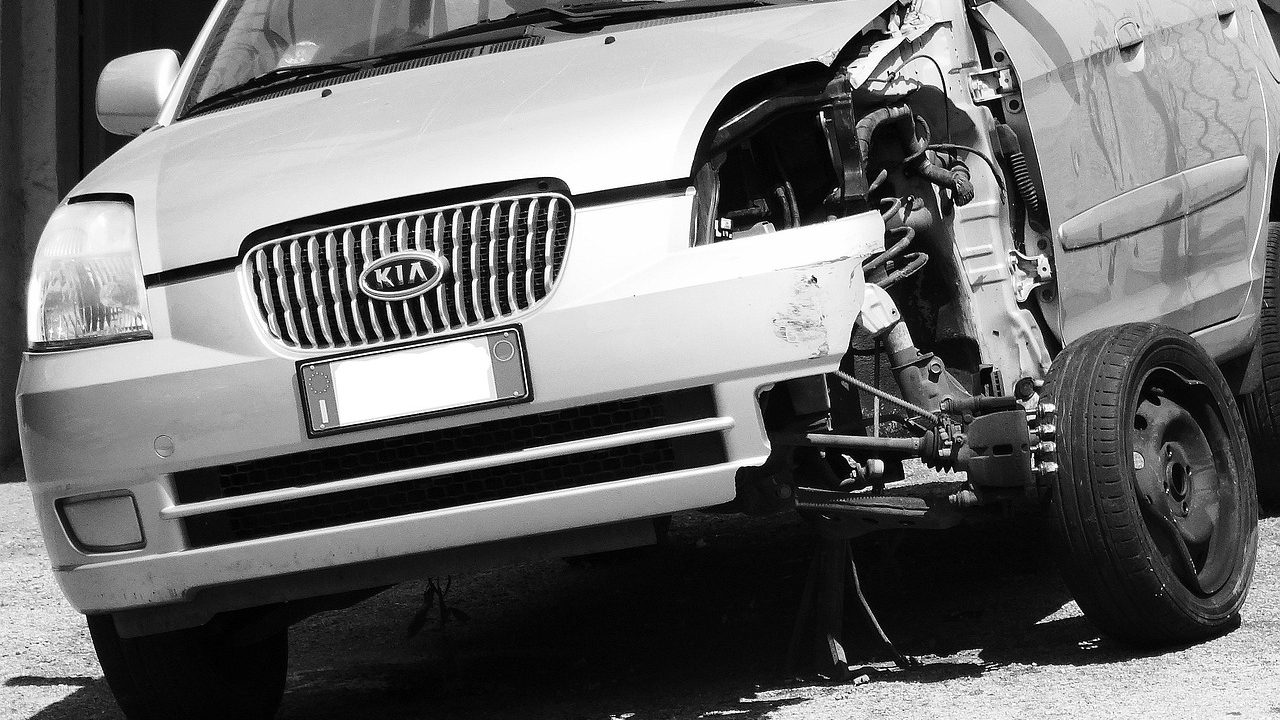
When an unexpected collision leaves your vehicle sitting in a repair shop, rental reimbursement coverage is supposed to keep your daily life running without financial disruption. However, millions of American drivers discover an unpleasant reality when settling their claims: standard insurance policies frequently leave a significant financial shortfall. The auto insurance rental car reimbursement daily limit gap US vehicle owners experience has widened dramatically in recent years due to rising vehicle rental prices, persistent repair shop backlogs, and outdated policy caps.
Understanding how rental car reimbursement—often classified under loss of use coverage car insurance provisions—operates before an accident occurs is essential for preventing unexpected expenses. When collision repair schedules stretch from days into weeks or months, daily caps and total policy limits can leave you paying hundreds or thousands of dollars out of pocket. This guide examines how insurance daily limits work, why gaps happen, and how you can structure your auto insurance coverage to stay protected.
How Auto Insurance Rental Car Reimbursement Works
Rental car reimbursement is an optional add-on endorsement to a standard auto insurance policy. Unlike bodily injury or property damage liability, which are mandated by most states, loss of use and rental reimbursement coverage must be deliberately selected when building your policy. If your car suffers damage covered by your comprehensive or collision coverage, this endorsement pays for a temporary replacement vehicle while your primary automobile is restored to roadworthy condition.
Insurance companies structure this coverage around two primary numerical constraints: a per-day limit and a per-accident total cap. These limits are written as a dual dollar amount on your insurance declarations page, such as $30/$900, $45/$1,350, or $50/$1,500.
- Per-Day Limit ($30, $45, $50, $100): The maximum dollar amount the insurer will reimburse for each 24-hour rental period, regardless of the actual invoice price.
- Per-Accident Total Limit ($900, $1,350, $1,500, $3,000): The absolute maximum total dollar amount the insurer will pay for rental expenses resulting from a single covered incident.
In practice, if your policy specifies a $30/$900 limit, your insurer will pay up to $30 per day for a rental car until the $900 maximum limit is reached. At $30 per day, $900 provides exactly 30 calendar days of coverage. If your vehicle repair takes 45 days, or if the actual daily rental fee in your city is $55 per day, you must pay the daily difference or the full cost for remaining days out of pocket.
The Root Causes of the Rental Reimbursement Gap
The gap between what insurance policies pay and what daily vehicle rentals actually cost is driven by structural shifts across both the car rental industry and the automotive collision repair sector.
1. Outdated Policy Default Limits
Many auto insurance policies default to basic coverage tiers created decades ago, such as $25 or $30 per day. Years ago, an insurer’s preferred rate agreement with commercial rental car agencies could easily secure a reliable compact sedan for $25 to $30 per day. Today, general inflation, increased fleet acquisition costs for car rental companies, higher vehicle maintenance expenses, and increased labor costs have pushed average retail rental rates significantly higher across every state.
2. Fleet Shortages and Local Rate Spikes
Rental vehicle availability varies widely by region, season, and regional airport traffic. While primary auto insurance carriers maintain corporate partner agreements with major national rental rental providers, preferred direct billing does not eliminate daily rate overages. When local vehicle inventory is tight, even corporate discount rates for basic compact sedans frequently exceed traditional $30 daily caps, passing the remaining balance directly to the policyholder.
3. Extended Collision Repair Timelines
Modern vehicles contain complex sensor arrays, specialized aluminum alloys, advanced radar technology, and sophisticated onboard electronics. Sourcing original equipment manufacturer (OEM) replacement body parts, navigating microchip supply bottlenecks, and managing labor shortages at certified collision centers mean repair jobs take substantially longer today than in past years. A standard fender bender repair that took 8 days a decade ago might now stretch across 30 to 60 days, effortlessly blowing through standard policy duration caps.

Decoding Loss of Use Coverage vs. Rental Reimbursement
It is important to distinguish between first-party rental car reimbursement and third-party loss of use claims. The legal structures, maximum caps, and negotiation leverage vary greatly depending on whether you are filing through your own policy or making a claim against another driver who caused the crash.
| Coverage Feature | First-Party Rental Reimbursement | Third-Party Loss of Use Claim |
|---|---|---|
| Source of Coverage | Your own auto insurance policy endorsement. | At-fault driver’s property damage liability insurance. |
| Applicable Limits | Strict policy contractual caps (e.g., $30/day, $900 total). | At-fault driver’s policy liability limit (subject to state law). |
| Vehicle Equivalence | Generally based on selected dollar limit, not vehicle type. | Legally entitled to a comparable vehicle (e.g., truck for truck). |
| Duration Caps | Hard dollar or calendar limits established in policy wording. | Reasonable duration required to complete repairs or settle total loss. |
When filing a claim through your own insurance policy, you are bound entirely by the contractual limits written in your insurance documents. If your policy caps daily rental reimbursement at $30 per day, your insurer has no contractual obligation to pay $55 per day, even if $55 is the cheapest rental rate available in your city. However, if another driver strikes your car and their insurance carrier accepts liability, you are pursuing a third-party claim. Under tort laws across US states, the at-fault carrier must restore you to your pre-accident condition, which includes paying the actual, reasonable market cost of a replacement vehicle that serves the same function as your damaged vehicle during the repair timeframe.
Analyzing Out-of-Pocket Costs Beyond the Daily Cap
A common misconception among policyholders is that a $45 per day limit means their total personal exposure is capped at the excess base daily rental fee. In reality, renting a vehicle involves several supplemental expenses that basic rental reimbursement endorsements rarely cover.
Taxes and Regional Surcharges
State sales tax, county transportation taxes, municipal surcharges, highway concession fees, and local tourism tariffs can add 15% to 35% to the base rental rate. Most rental reimbursement endorsements specify that maximum limits apply strictly to base rate charges. If your rental car carries a base rate of $35 per day and local surcharges total $10 per day, a $35 policy daily cap leaves you paying $10 per day out of pocket for taxes alone throughout the rental period.
Optional Insurance and Protection Waivers
At the rental counter, representatives will offer Collision Damage Waiver (CDW), Loss Damage Waiver (LDW), supplemental liability protection, and personal effect protection. Auto insurance policies do not reimburse policyholders for optional counter protection products. While your existing primary full coverage policy may extend collision and comprehensive protection to a rental car, your primary policy deductible still applies if an accident occurs while driving the temporary vehicle.
Security Deposits and Administrative Holds
Commercial rental vendors require a credit card deposit ranging from $100 to $500 upon vehicle pickup. Even when direct billing is arranged between your insurer and the rental company, this authorization hold remains on your credit card until the vehicle is returned clean and undamaged, temporarily reducing your available revolving credit.
Calculating the Real Financial Impact: Detailed Case Examples
To understand how daily rate caps and duration limits combine to create unexpected expenses, consider two common real-world collision scenarios.
Scenario A: Daily Rate Cap Shortfall (Minor Repair)
A driver maintains a standard auto policy with a $30 per day / $900 total rental reimbursement endorsement. Their vehicle suffers moderate side door damage requiring 14 days in a repair facility. The lowest negotiated corporate rental rate available in the area is $48 per day, plus $8 per day in regional taxes and mandatory facility fees ($56 total per day).
- Total Daily Rental Cost: $56 per day × 14 days = $784 total cost.
- Insurance Reimbursement Payout: $30 per day × 14 days = $420 total payout.
- Out-of-Pocket Financial Gap: $26 per day × 14 days = $364 paid directly by the policyholder.
Scenario B: Duration Limit Exhaustion (Major Repair Delay)
A driver carries a $45 per day / $1,350 maximum rental cap ($45 per day for up to 30 days). Due to backordered replacement wiring harnesses and sensor calibration backlogs, collision repairs require 56 total days. The base rental rate is fully covered at $45 per day during the initial month of repairs.
- Total Repair Duration: 56 calendar days.
- Insurance Coverage Limit Exhaustion: Day 30 ($1,350 total policy maximum reached).
- Uncovered Days Remaining: 26 days without insurance coverage.
- Out-of-Pocket Expense: 26 days × $45 base rate = $1,170 paid directly by the policyholder.

Strategic Steps to Bridge the Rental Reimbursement Gap
Protecting your household budget from rental reimbursement shortfalls requires proactive policy management before an accident occurs, combined with deliberate action during the claims process.
1. Proactively Upgrade Endorsement Limits
The most effective method to eliminate the auto insurance rental car reimbursement daily limit gap US drivers face is to raise your policy endorsement levels before an accident occurs. Increasing your coverage from a basic $30/$900 tier to a robust $50/$1,500 or $100/$3,000 limit typically costs only a few extra dollars per month on your premium.
Evaluate your household’s realistic daily transport requirements when choosing limits:
- Compact / Subcompact Sedan Need: Select a minimum $45 to $50 daily cap.
- Midsize / Full-size Sedan Need: Select a minimum $50 to $70 daily cap.
- Minivan / Large SUV / Pickup Truck Need: Target $75 to $100+ daily caps. If your daily schedule depends on a large vehicle for passenger capacity or work supplies, basic $30 or $45 caps will leave significant out-of-pocket deficits.
2. Utilize Insurance Partner Rental Networks
Insurers partner with primary rental companies to secure pre-negotiated corporate rates for policyholders. Always request that your adjuster manage the rental reservation directly through their partner network. Even when local retail rental rates rise significantly, corporate direct-rate billing keeps total costs closer to policy limits than walk-up consumer rates.
3. Maintain Direct Oversight of the Repair Process
Extended shop delays are the single primary cause of rental duration cap exhaustion. Establish open lines of communication with your collision repair center’s service advisor from day one. Request regular written updates regarding part ordering dates, estimated arrival timelines, teardown progress, body assembly, paint application, and final safety re-calibration. If a factory part is on backorder indefinitely, discuss with your adjuster and repair advisor whether certified aftermarket or reconditioned parts can safely expedite completion.
4. Recover Out-of-Pocket Overages from At-Fault Drivers
If another motorist caused the crash, keep itemized receipts for all out-of-pocket rental costs, including daily overages, taxes, and extended duration expenses. Submit these invoices directly to the at-fault driver’s insurance carrier as part of your final property damage claim. Under state tort frameworks, at-fault insurers are obligated to reimburse reasonable transportation expenses incurred while your primary vehicle is out of service.
What to Do When Vehicle Repairs Face Extended Delays
When collision repairs stall due to missing components, shipping delays, or labor backlogs, your rental coverage calendar keeps ticking down. If you notice your insurance duration cap approaching while your car remains in pieces, take these steps immediately:
- Notify Your Adjuster 7 to 10 Days Before Cap Limit: Contact your insurance adjuster well before coverage ends. Explain the repair delay reasons and inquire whether an administrative extension can be granted, especially if the delay is occurring at an insurance-preferred direct repair program (DRP) facility.
- Convert Rental Terms to Weekly or Monthly Rates: If your insurance coverage runs out during repairs, contact the rental vendor’s branch manager. Request to transition your open reservation from a daily billing rate to a long-term weekly or monthly rate, which can drop daily expenses by 20% to 40%.
- Ask for Shop Loaner Vehicles: Many independent collision facilities maintain internal customer courtesy cars or offer dedicated daily loaner allowances for clients facing severe parts supply chain delays.
- Evaluate Total Loss Accelerations: If repair bills rise close to state total loss thresholds and necessary repair components are delayed for months, ask your adjuster to re-evaluate declaring the vehicle a total loss. Once an insurance company declares a vehicle a total loss, policy terms establish a fixed final window (typically 3 to 7 days) during which rental coverage stays active before final settlement.
Common Pitfalls to Avoid During Rental Claims
Navigating auto claims requires avoiding subtle traps that lead to unexpected out-of-pocket rental bills. Keep these critical warnings in mind:
- Upgrading Vehicles Without Checking Rates: Accepting a vehicle upgrade at the rental counter without confirming total daily rate adjustments can result in hundreds of dollars in unexpected daily rate overages.
- Failing to Return the Rental Promptly After Repairs Finish: Most insurance policies immediately cease rental reimbursement payments the moment your repaired vehicle is cleared for pickup by the shop. Keeping the rental vehicle even one additional day after repairs finish usually leaves you fully liable for full retail rental charges for that extra time.
- Ignoring Policy Deductibles on Rental Vehicles: Assuming your insurance policy covers rental damages without deductibles can create costly liability if a scratch or dent occurs while driving the temporary car.
Key Takeaways for Policyholders
Managing rental car coverage effectively requires assessing your policy terms before you ever need to file an accident claim. Standard $30 per day limits leave modern drivers exposed to real financial vulnerability due to higher retail rental prices and long repair timelines.
Review your policy declarations page today. Verify that your daily rate cap reflects current rental pricing in your metropolitan area and that your total per-accident limit is sufficient to support a repair timeline of 30 days or longer. Paying a few additional dollars a year to raise your rental reimbursement limits is one of the most effective, low-cost steps you can take to safeguard your financial security on the road.
Frequently Asked Questions
Does auto insurance rental reimbursement cover gas and toll charges?
No. Rental reimbursement endorsements strictly cover base rental fees and associated carrier charges up to your daily policy limit. Operating costs such as gasoline, EV charging, bridge tolls, parking fees, traffic citations, and optional convenience fees are entirely your personal responsibility.
Can I receive cash if I decide not to rent a car during repairs?
First-party rental reimbursement endorsements pay only for actual incurred expenses paid to commercial rental vendors upon receipt submission. You cannot collect unused daily daily allowances as cash payout under first-party coverage. However, under third-party loss of use claims filed against an at-fault driver’s insurance, some state insurance laws allow cash settlements for loss of vehicle utility even if you choose not to hire a rental vehicle.
What happens to my rental car reimbursement if my vehicle is declared a total loss?
If your damaged vehicle is determined to be a total loss, standard insurance provisions stipulate that rental reimbursement coverage terminates within a specified number of days after a settlement offer is presented (typically 3 to 7 days). Check your specific policy language to understand your state’s total loss timeline rules.
Will my primary auto insurance policy cover physical damage to the rental car?
In most states, if you carry collision and comprehensive coverage on your primary policy, those coverages extend to a temporary replacement rental car. However, your standard deductible will still apply, and your policy may not cover the rental company’s administrative fees, diminish value charges, or loss of use claims if the rental vehicle is damaged.