When assessing a foundation weeping tile replacement vs exterior waterproofing cost US homeowners must balance upfront project pricing against long-term structural protection. Persistent basement moisture, mineral efflorescence along block walls, and corner puddles after heavy spring storms indicate rising sub-grade hydrostatic pressure. Evaluating foundation weeping tile replacement vs exterior waterproofing cost US options requires looking beyond initial estimates to analyze wall longevity, yard disruption, interior finish safety, and regional soil behavior.
Both interior drain tile replacement and exterior membrane encapsulation effectively manage sub-grade water, but they operate through contrasting engineering principles. One captures groundwater after it passes beneath or through parts of your foundation wall, relieving pressure under the floor slab. The other establishes a continuous barrier that prevents water from ever touching your concrete masonry. Understanding these mechanisms allows you to choose the right strategy for your home’s age, soil composition, and budget.
Understanding Hydrostatic Pressure and Basement Water Intrusion
To evaluate drainage options, you must first understand why water forces its way into a basement. Soil surrounding your home acts like a giant sponge. During heavy rainstorms or rapid spring thaw cycles, ground soil becomes saturated with water. The physical weight of this trapped liquid creates hydrostatic pressure, which exerts force in every direction against buried basement walls and concrete slab floors.
Hydrostatic pressure drives water through the path of least resistance:
- The Cove Joint: The perimeter seam where the poured concrete slab meets the vertical foundation wall.
- Floor Slab Cracks: Stress cracks in the basement floor created by foundation settling or upward ground movement.
- Block Mortar Joints: Horizontally cracked or weathered mortar lines in hollow concrete masonry unit (CMU) walls.
- Tie Rod Holes and Form Snap Ties: Small voids left behind during original concrete form construction.
When original perimeter weeping tiles—installed along footings during home construction—become clogged with silt, crushed by soil shifting, or choked by tree roots, hydrostatic pressure builds without relief. Unchecked water pressure eventually breaches basement walls, ruining finished living space, warping subflooring, and creating ideal conditions for toxic mold growth behind drywall.
Interior Weeping Tile (Drain Tile) Systems Explained
An interior drain tile system, often called an interior French drain or subterranean drainage channel, does not prevent ground water from reaching the exterior face of your foundation. Instead, it serves as an internal pressure-relief mechanism operating directly below your basement floor slab.
How Interior Drain Tile Works
Contractors begin by breaking up a 12-to-18-inch border of concrete slab along the perimeter basement walls using electric jackhammers. Crews trench out soil beside the top of the concrete footing, line the channel with heavy non-woven geotextile filter fabric, and lay perforated rigid PVC pipe inside. This pipe pitches gradually toward a heavy-duty sump basin.
Before re-pouring fresh concrete over the trench, technicians fasten a dimpled vinyl wall sheet (dimple board) against the lower wall edge. If moisture travels down the inside of the wall or seeps through block cores, it flows behind the dimple board into the gravel trench, enters the perforated pipe, and drains directly to a primary sump pump, which discharges the water away from the structure.
Advantages of Interior Replacement
- Lower Upfront Expense: Interior work requires significantly less excavation equipment and labor hours than digging out the entire yard.
- All-Weather Installation: Crews work inside your climate-controlled basement, so installations continue during winter freezes or heavy summer rains.
- Zero Landscape Impact: Custom decks, paver patios, asphalt driveways, mature trees, and garden beds remain completely undisturbed.
- Direct Slab Pressure Relief: Excellent at intercepting water rising from high water tables directly beneath the concrete slab floor.
Drawbacks of Interior Replacement
- Concrete Remains Wet: The foundation wall stays exposed to ground water, mineral degradation, and exterior freeze-thaw stress.
- Interior Demolition Required: Finished basements must be cleared along perimeter walls, requiring drywall removal, stud cutting, and flooring removal.
- Continuous Mechanical Dependency: The system relies entirely on electricity and functioning sump pumps. Dual pumps with battery backup power are critical.
Exterior Waterproofing Membrane Systems Explained
Exterior waterproofing is a structural encapsulation process. It forms an impenetrable protective shield around the outside perimeter of the home, blocking groundwater before it touches foundation walls.
How Exterior Waterproofing Works
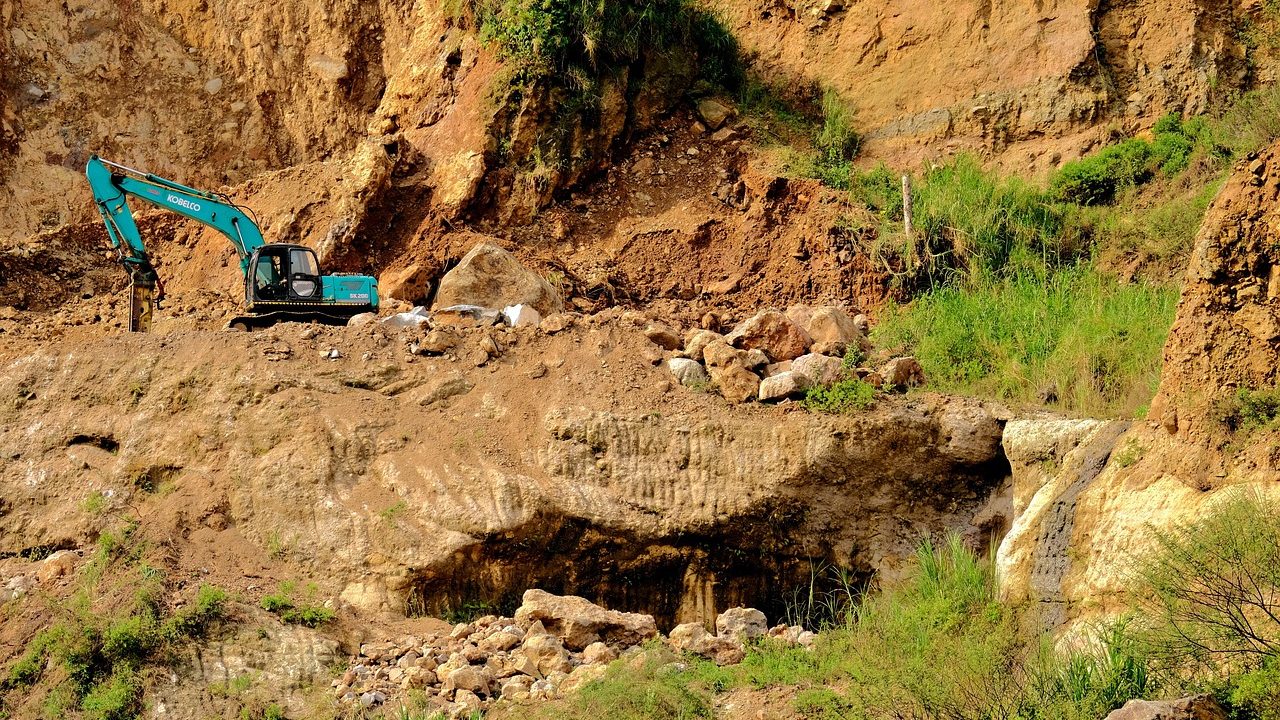
Contractors use heavy track excavators to remove soil down to the base of the concrete footings, typically 6 to 9 feet below ground level. The exposed concrete or block walls are thoroughly pressure-washed, cleared of loose material, and repaired using high-strength hydraulic cement or structural epoxy injection.
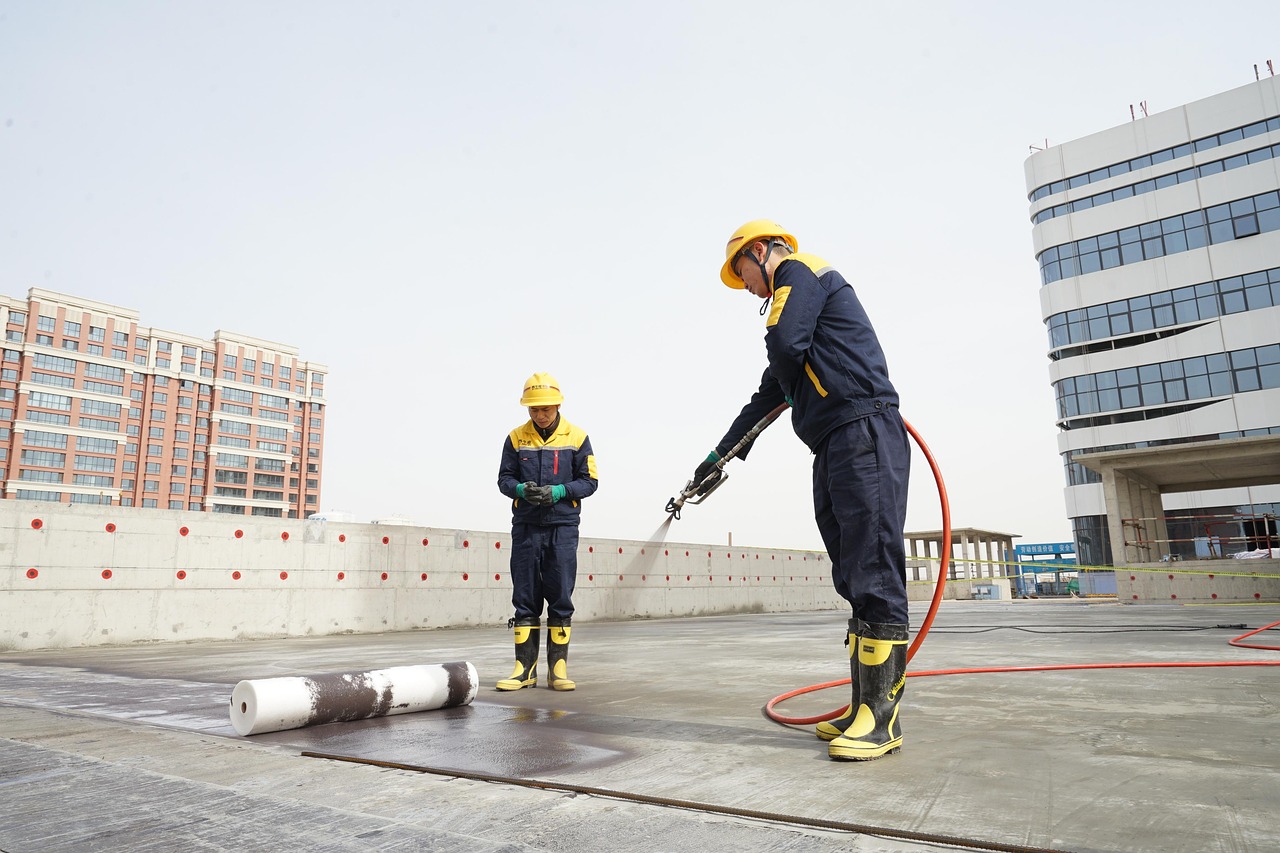
Once dry, workers coat the wall with a thick, seamless elastomeric liquid rubber or modified asphalt membrane. They layer high-density plastic dimple board over the membrane to cushion it from backfill debris and provide a vertical drainage channel. Old, clogged clay tile is replaced at the footing with perforated rigid PVC pipe surrounded by crushed wash stone and wrapped in filter fabric before clean soil is backfilled and compacted.
Advantages of Exterior Waterproofing
- Complete Foundation Shield: Structural concrete stays dry, preventing mortar erosion, concrete spalling, and internal wall dampness.
- Protects Finished Living Spaces: Interior drywall, framing, carpet, and utilities remain completely untouched during construction.
- Reduces Ambient Indoor Humidity: Prevents ground moisture from vaporizing through porous concrete into basement air.
- Gravity Discharge Potential: On sloped properties, exterior drain pipes can outlet downhill via gravity, eliminating pump dependencies.
Drawbacks of Exterior Waterproofing
- High Financial Investment: Deep digging, shoring requirements, specialized coatings, and machinery drive overall costs higher.
- Extensive Yard Reconstruction: Porches, garden beds, driveways, walkways, and decks adjacent to the foundation wall must be dismantled or bypassed.
- Settling Soil Timelines: Backfilled earth settles over 6 to 12 months, requiring homeowners to delay final hardscaping and landscaping.
Cost Breakdown: National Averages and Regional Variables
When comparing foundation weeping tile replacement vs exterior waterproofing cost US ranges, project pricing depends heavily on linear footage, dig depth, equipment access, and regional labor markets. Standard residential properties usually require 100 to 200 linear feet of treatment along affected perimeter walls.
| Project Type | Average Cost per Linear Foot | Typical Total Project Range | Primary Cost Drivers |
|---|---|---|---|
| Interior Drain Tile Installation | $50 – $110 | $4,500 – $10,000 | Concrete trenching, dual pump systems, wall dimple board, interior demolition. |
| Full Exterior Waterproofing Membrane | $120 – $300+ | $14,000 – $35,000+ | Excavation depth, dirt disposal, elastomeric coatings, backfill materials, safety shoring. |
| Hybrid Approach (Targeted Exterior + Interior) | $80 – $160 | $8,000 – $18,000 | Single-wall exterior digging combined with full interior perimeter floor slab drainage. |
Key Factors Driving Cost Differences
Site-specific engineering demands cause basement waterproofing costs to vary considerably across the country:
1. Excavation Depth and Frost Lines
Properties in northern states like Minnesota or Maine feature deep 8-foot foundations below deep frost lines, requiring far more dirt relocation than shallow 4-foot frost line foundations in southern regions. Deep trenches also require safety shoring boxes to prevent wall collapses during installation.
2. Site Accessibility and Machine Clearance
Exterior waterproofing relies on heavy machinery like mini-excavators. On tight urban lots with less than 4 feet between homes, equipment cannot pass. Crews must dig trenches manually, which increases labor time and drives total project pricing higher.
3. Soil Mechanics and Backfill Materials
Expansive clay soils—common across Texas, Ohio, and parts of the Midwest—expand when saturated, placing intense pressure on foundation walls. Waterproofing contracts in heavy clay zones often require hauling native soil off-site and replacing it with truckloads of clean washed crushed stone to reduce lateral pressure.
4. Restoration of Landscaping and Hardscapes
Base excavation estimates do not include rebuilding exterior structures destroyed during digging. Replacing a custom paver patio, re-installing a multi-level deck, or planting mature trees can add $5,000 to $15,000 beyond the structural waterproofing contract.
Comparing Lifespans and Maintenance Requirements
Because foundation repair is a major capital investment, long-term component lifespan and ongoing maintenance requirements are central to evaluating total cost of ownership.
Interior System Durability and Maintenance
The subsurface plumbing of an interior drain tile system—rigid smooth-wall PVC pipe embedded in clean gravel—can last over 50 years without structural deterioration because it remains protected from sunlight, freezing temperatures, and root intrusion.
However, the mechanical elements demand ongoing attention:
- Primary Sump Pumps: High-quality cast-iron sump pumps last 7 to 10 years depending on rainfall volume and water table heights.
- Battery Backup Batteries: Sealed AGM or smart lithium batteries require replacement every 3 to 5 years.
- Flushing Maintenance: Systems should include flush-out ports so technicians can clear silt, iron ochre, or lime deposits every few years.
Exterior Membrane Durability and Maintenance
Modern elastomeric liquid rubber and heavy high-density polyethylene (HDPE) dimpled drainage boards last 30 to 50+ years when applied correctly. Because modern elastomeric coatings maintain flexibility, they resist cracking during subtle foundation settling.
Maintenance for exterior systems is largely passive, but requires keeping roof drainage in check:
- Gutter Clearances: Roof gutters must remain free of leaves so downspouts don’t overflow directly onto newly backfilled soil.
- Downspout Extensions: Discharge lines must dump rainwater at least 6 to 10 feet away from the home’s perimeter.
- Grading Inspections: As backfilled soil settles during the first year, homeowners must add topsoil to ensure ground slopes away from the foundation wall at a minimum 5% pitch.
Decision Matrix: Which Solution Fits Your Home?
Selecting the ideal solution requires evaluating physical home characteristics, long-term plans, and financial constraints. Use this practical decision matrix to determine the correct path forward.
Choose Interior Drain Tile Installation If:
- Your primary water issue is seepage through floor slab cracks or the perimeter cove joint caused by high water tables.
- Your basement is completely unfinished, or you are already planning a full interior renovation down to the bare studs.
- You have extensive, expensive exterior features like concrete driveways, paver patios, attached decks, or mature trees close to foundation walls.
- You need a fast, reliable solution with minimal upfront investment.
Choose Exterior Waterproofing Insulation If:
- Your basement features expensive, highly customized interior living finishes that you refuse to tear out.
- You have hollow concrete block (CMU) walls showing advanced horizontal cracking, structural dampness, or heavy efflorescence.
- Your yard offers clear, open machinery access without expensive hardscape obstructions along foundation lines.
- You want to eliminate structural moisture, stop ground coldness from transfering through damp concrete, and protect foundation longevity for 30+ years.
Common DIY vs Professional Contractor Pitfalls
Foundation drainage requires careful structural engineering. Missteps can lead to compromised footings, home flooding, or severe structural wall failure.
1. Digging Deep Trenching Without Shoring
Soil is extremely heavy. An un-shored 8-foot-deep dirt trench can collapse suddenly, creating severe safety risks. Professional excavation teams use heavy trench boxes or step-back digging techniques to prevent cave-ins.
2. Using Flexible Corrugated Pipe Instead of Rigid PVC
Inexpensive flexible black corrugated pipe easily crushes under heavy backfill dirt. Its inner ridges trap silt, causing premature clogging. Professional contractors use thick schedule-35 or schedule-40 perforated rigid PVC pipe with smooth interiors.
3. Skimping on Sump Pump Redundancy
An interior drain tile system is only as reliable as its discharge pump. Relying on a single plastic sump pump without a secondary pump or battery backup system leaves your home vulnerable during severe storms, when electrical grid failures are most likely to occur.
4. Misdiagnosing Roof Runoff as Sub-Grade Intrusion
Before investing thousands in sub-grade drainage, confirm that clogged gutters, short downspouts, or flat yard grading aren’t causing your moisture problems. Correcting surface water management can sometimes eliminate minor basement seepage without deep foundation digging.
Step-by-Step Checklist for Homeowners Facing Basement Seepage
- Schedule an Independent Structural Inspection: Hire a licensed structural engineer or specialized waterproofing consultant who does not sell installation services to confirm whether your issue is water pressure or structural bowing.
- Calculate Total System Costs: Factor interior restoration, landscaping rebuilds, sump pump maintenance, and property protection into overall pricing comparisons.
- Verify Contractor Credentials: Ensure waterproofing contractors carry active state licensing, full liability insurance, worker’s compensation coverage, and transferable written warranties.
- Confirm Discharge Regulations: Check local municipal codes regarding sump pump water disposal. Most cities ban discharging foundation water into sanitary sewers, requiring dedicated storm lines or surface discharge extensions.
- Install Battery Backup Protections: If choosing an interior drain tile system, ensure your contract includes a dual-pump setup equipped with a smart battery backup power unit.
Frequently Asked Questions
Can I replace weeping tiles without digging up my entire yard?
Yes. An interior drain tile system acts as an effective replacement for clogged exterior weeping tile. By trenching inside the basement floor along perimeter walls, contractors create a high-capacity water collection route without touching your lawn, gardens, or exterior hardscapes.
Does homeowners insurance cover foundation waterproofing or weeping tile replacement?
Standard homeowners insurance policies rarely cover gradual water seepage, hydrostatic pressure, or weeping tile failure. Insurance views ground water intrusion as maintenance issue. However, sudden internal water damage caused by a burst pipe is typically covered.
How long does an interior vs exterior waterproofing project take to complete?
An interior drain tile installation for an average-sized basement typically takes 2 to 4 days from start to finish. Exterior excavation and membrane installation require significantly more heavy work, usually taking 5 to 9 business days depending on soil weather conditions and yard access.
Will an interior drain tile system increase my home’s resale value?
Yes. Buyers and mortgage lenders often demand dry basements before closing sales. A professionally installed interior system with a transferable warranty protects home market value, eliminating water remediation concessions during buyer home inspections.
Is a damp-proofing spray the same as an exterior waterproofing membrane?
No. Standard builder damp-proofing is a thin asphalt spray applied to new home foundations to resist vapor transmission. It does not bridge structural cracks or withstand continuous hydrostatic liquid pressure. Exterior waterproofing uses thick rubberized membranes and drainage boards designed to stop standing ground water under pressure.