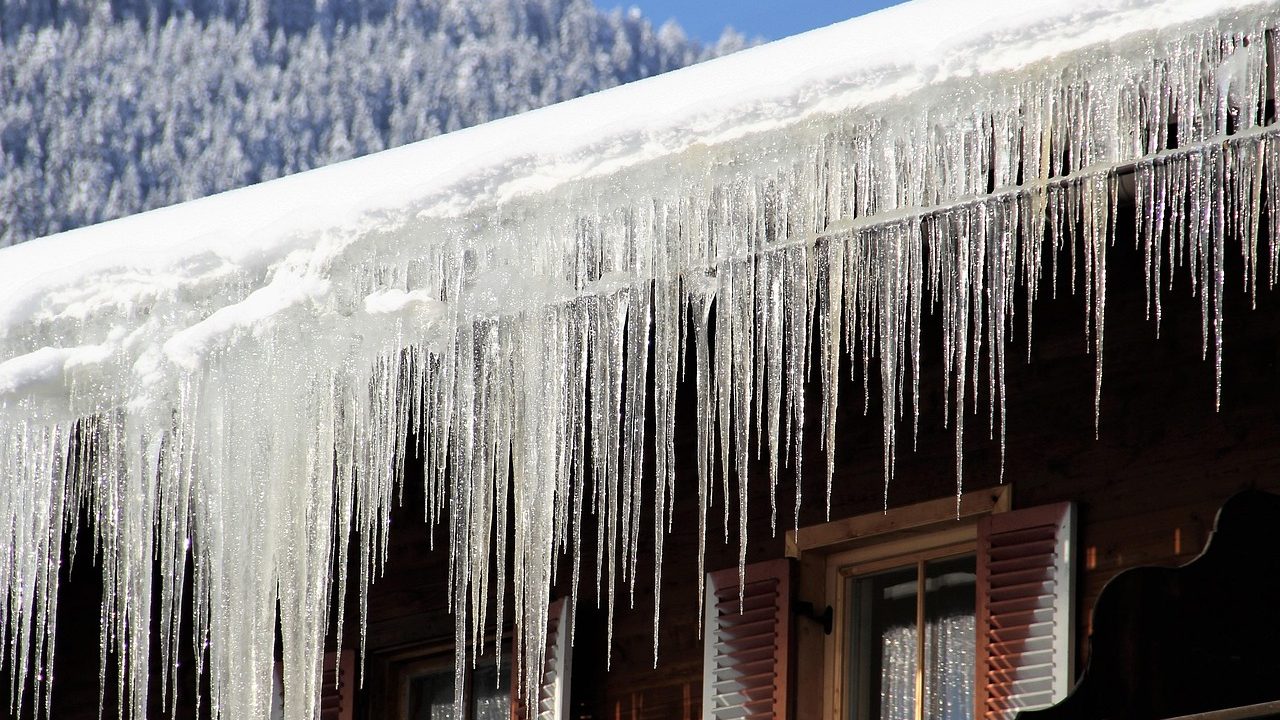
When considering roof ice melt cable vs heated gutter cable cost efficiency US homeowners must look closely at how winter weather affects their properties. Winter ice damming is more than a picturesque hazard; it is a structural threat to homes throughout the northern United States. When heat escapes from a poorly insulated attic, it warms the middle section of the roof deck, melting the bottom layer of accumulated snow. As this meltwater runs down toward the cold eaves, it refreezes, forming a solid ridge of ice that traps subsequent water behind it. This trapped water eventually finds vulnerabilities in shingle laps, underlayment, and roof deck seams, leading to interior water stains, ruined insulation, and costly drywall repairs.
To prevent this destructive cycle, homeowners often turn to electric trace heating. However, choosing the right system is rarely straightforward. Evaluating your options demands an understanding of electrical engineering, thermodynamics, and roofing materials. While both systems use electricity to generate heat, their placement, power consumption, and impact on your asphalt fiberglass shingles differ significantly. This guide breaks down the performance metrics, financial realities, and maintenance demands of both approaches.
Understanding the Root Cause: Why Ice Dams Form
Before examining heating cables, it helps to understand why ice dams occur. They are fundamentally a thermal and ventilation problem rather than a pure weather event. Warm air leaks from the living space into the attic, heating the roof sheathing above freezing temperatures even when outdoor ambient air remains well below 32°F.
Snow on the upper roof melts, flows downward, and hits the unheated overhang or gutter, where exterior temperatures freeze the water solid. Heating cables act as a band-aid solution, carving channels through existing ice to allow trapped water a clear path off the roof. They do not fix attic bypasses or inadequate insulation, but they provide critical damage mitigation for vulnerable architectural features like valleys, low-pitch sections, and complex rooflines.
Addressing the root cause of ice damming always starts with comprehensive air sealing and insulation upgrades in the attic space. Without sealing air leaks around ceiling penetrations, recessed lights, and plumbing chases, heated air continues to escape into the attic cavity. Even the most powerful electric trace heating cables can struggle against severe attic heat loss, making insulation management an essential first step before installing any electrical deicing equipment.
Roof Deicing Cables: The Traditional Zig-Zag Approach
Roof deicing cables, commonly referred to as trace heaters, are traditionally installed across the lower perimeter of a shingled roof in a zig-zag or triangular pattern. The primary objective is to create a continuous channel of melted water from the middle of the roof down to the gutter, preventing the formation of an impermeable ice barrier at the eaves.
These systems rely on clips and spacers attached directly to asphalt fiberglass shingles. The cable snakes back and forth, covering the area where the interior warm wall meets the exterior cold overhang—typically extending two to four feet up the roof slope, or past the interior wall line. While this approach directly targets the freeze zone on the shingle field, it introduces distinct mechanical and thermal trade-offs that every homeowner must weigh carefully.
Installing shingle-mounted cables requires precision and patience. The spacing of the zig-zag loops must adhere strictly to manufacturer guidelines to ensure adequate thermal coverage without creating overlapping hot spots. Furthermore, homeowners must ensure that clips are anchored securely into the shingle surface using appropriate roofing fasteners and sealants to prevent moisture infiltration around the fastener penetrations.
Heated Gutter Cables: Targeted Eaves and Downspout Management
In contrast to shingle-mounted zig-zag arrays, heated gutter cables are installed strictly inside the gutter troughs, scuppers, and downspouts. Rather than melting snow off the actual shingle surface, these systems focus entirely on keeping drainage pathways open so that natural or cable-generated meltwater can escape before refreezing.
Proponents of gutter-only heating argue that keeping the drainage path clear eliminates the weight of backed-up ice inside the gutter system, protecting gutters from pulling away from the fascia board under heavy ice loads. Because these cables sit inside aluminum or vinyl channels rather than resting against petroleum-based roofing products, they avoid direct thermal interaction with aging asphalt shingles.
Maintaining an open drainage channel also prevents icicles from forming along the gutter lip. When water successfully drains through the downspout rather than spilling over the front edge of the gutter, the risk of dangerous ice formations falling on walkways or accumulating around the foundation is drastically reduced.
Constant Current vs. Self-Regulating Heating Technologies
A critical factor influencing roof deicing cable power consumption is the internal technology powering the wire. Understanding the difference between constant current and self-regulating cables is essential for managing winter electricity bills.
Constant current cables produce the same amount of heat across their entire length, regardless of how cold or warm the surrounding environment happens to be. They are typically cheaper to purchase upfront but can consume substantial electricity even on relatively mild winter days when full thermal output is completely unnecessary.
Self-regulating cables, on the other hand, feature a semiconductive polymer core between two parallel bus wires. As ambient temperatures drop, the core contracts, creating microscopic electrical paths that increase heat output. Conversely, as temperatures rise or snow melts away, the core expands, reducing current flow and power draw. While self-regulating cables carry a higher initial purchase price, their dynamic power modulation significantly improves long-term energy efficiency.
For homeowners concerned with monthly utility expenditures, investing in self-regulating cable technology usually pays dividends over multiple winter seasons. The ability of the cable to automatically throttle its electrical output based on local weather conditions prevents unnecessary power consumption during sunny winter afternoons.
Analyzing Power Consumption and Operational Costs
Running electrical resistance heating throughout an entire winter season requires a realistic look at utility expenses. Roof heating cables typically range from 5 to 10 watts per linear foot. A modest installation covering a large roof perimeter can easily span 200 to 300 feet of cable.
At 8 watts per foot, a 250-foot run draws roughly 2,000 watts when energized. If left running continuously during sub-freezing winter months, the electricity usage accumulates rapidly. However, intelligent homeowners rarely run these cables 24/7. Using manual switches, thermostatic controllers, or smart plugs that activate only when ambient temperatures hover in the ideal ice-forming window (typically between 15°F and 32°F with active moisture) helps keep operating costs manageable.
Gutter-only cables often require fewer total linear feet than expansive zig-zag shingle arrays, resulting in a lower baseline power draw. Because gutters represent a smaller surface area than the lower three feet of a sloped roof, targeted gutter heating generally consumes less total electricity than comprehensive shingle coverage.
Calculating the exact financial impact involves multiplying the total wattage by local electricity rates per kilowatt-hour, factoring in the estimated number of operational hours per month. Incorporating a dedicated thermostatic controller ensures that power is only consumed when environmental conditions actually demand freeze protection.
Impact on Asphalt Fiberglass Shingles and Roof Integrity
One of the most debated aspects of roof heating cables is their direct physical contact with fiberglass shingles. Asphalt shingles derive their weather resistance from a fiberglass mat coated in asphalt and topped with ceramic granules. Constant thermal cycling—heating up when the cable activates and cooling down when it turns off—can accelerate the degradation of the asphalt binder.
When poorly installed clips rub against shingles or when cables trap wind-blown debris and moisture underneath them, granules dislodge prematurely. Over several seasons, this localized wear can shorten the service life of the shingles in the immediate vicinity of the cable loops. Gutter-focused cables largely bypass this issue by remaining suspended within the metal trough, avoiding direct friction or thermal stress on the shingle surface entirely.
Homeowners must carefully evaluate the age and condition of their roofing materials before committing to surface-mounted shingle cables. If a roof is already approaching the end of its useful service life, installing complex trace heating arrays might necessitate a complete tear-off and replacement sooner than anticipated.
Installation Complexity and Maintenance Realities
Installing zig-zag roof cables requires climbing onto a potentially icy, slippery roof, attaching plastic or metal clips with roofing nails or specialized adhesive, and threading the cable without crossing it over itself—which can cause dangerous hot spots and electrical failure. Maintenance involves clearing autumn leaves and pine needles from beneath the cables every fall, as accumulated organic matter can trap heat and create localized fire hazards.
Gutter cable installation is generally safer and less invasive, often performed from a ladder at the edge of the roof rather than walking the shingle slope. The cable is secured inside the gutter using plastic spacers and dropped down the center of downspouts. Maintenance primarily involves ensuring downspout strainers do not clog with frozen debris, which would block the heated path and cause water to back up regardless of the cable’s temperature.
Regular autumn inspections of all heating cable systems are strongly recommended. Checking for loose clips, frayed insulation jackets, and damaged electrical connections before the first winter freeze ensures safe, reliable operation throughout the coldest months of the year.
Climate Factors: Regional Suitability Across the US
No single heating cable strategy fits every northern US geography. Homeowners in the Great Lakes snowbelt, who face persistent lake-effect snowstorms and prolonged sub-freezing temperatures, experience different thermal dynamics than residents in the Pacific Northwest or the mid-Atlantic.
In regions with extreme, prolonged cold where snow rarely melts naturally during winter months, comprehensive zig-zag roof cables are often necessary because snow accumulation extends far up the roof deck. Conversely, in milder transition zones where ice dams form only during specific freeze-thaw cycles after heavy storms, targeted heated gutter cables frequently provide adequate protection by keeping the eaves and downspouts clear of refreezing runoff.
Understanding regional snowfall patterns helps homeowners tailor their winter defense mechanisms. Consulting local roofing contractors who are intimately familiar with local microclimates and typical ice dam behaviors provides valuable insight into which system configuration delivers the best long-term performance.
Decision Framework: Choosing the Right System for Your Home
Selecting between shingle deicing cables and heated gutter cables depends on a careful assessment of your home’s specific vulnerability profile. Use the following criteria to guide your decision:
- Roof Architecture: If your roof features complex valleys, dormers, and low-pitch sections where snow accumulates deeply on the deck, zig-zag shingle cables provide necessary surface-level channel clearing.
- Gutter Vulnerability: If your primary issue is massive icicle formation hanging from gutters and heavy ice loads pulling gutters away from the fascia, a dedicated gutter heating system offers focused relief.
- Energy Budget: If you want to minimize continuous electrical draw, self-regulating gutter cables or localized runs consume less power than large, constant-current shingle arrays.
- Roof Age: If your asphalt shingles are near the end of their lifespan, adding surface-mounted cables that accelerate granule loss may necessitate an earlier roof replacement.
Evaluating these four pillars ensures that your investment addresses the specific vulnerabilities of your property without introducing unnecessary financial or structural burdens.
Common Installation and Operational Mistakes to Avoid
Maximizing the efficiency and safety of any roof heating system requires avoiding several frequent pitfalls:
- Crossing the Cables: Never allow self-regulating or constant current heating cables to cross or touch one another, as this creates localized overheating that can melt the cable jacket and trip breakers.
- Skipping Thermostats: Relying on manual plug-in operation without a thermostatic controller leads to wasted electricity and unnecessary wear during warm winter days.
- Ignoring Attic Insulation: Treating the symptom without addressing the underlying attic heat loss guarantees high energy bills and recurring ice formation.
- Using Substandard Fasteners: Always use manufacturer-approved clips and adhesives to prevent roof leaks caused by improper penetrations through the shingle underlayment.
By adhering strictly to manufacturer installation instructions and incorporating professional electrical safety standards, homeowners can avoid costly mistakes and ensure trouble-free winter protection.
Conclusion: Balancing Cost, Efficiency, and Protection
Managing winter ice dams requires a pragmatic approach that weighs upfront equipment costs, ongoing electrical consumption, and the long-term health of your roofing materials. While zig-zag roof deicing cables offer comprehensive surface coverage for complex shingle layouts, they draw more power and place thermal stress directly on your roof. Heated gutter cables provide a streamlined, energy-efficient alternative for homes where ice accumulation is primarily restricted to eaves and drainage channels. By assessing your local climate severity, roof design, and energy goals, you can select the winter protection strategy that keeps your home safe without inflating your utility bills.