When facing a residential roof replacement, homeowners almost always confront the central dilemma of balancing immediate out-of-pocket expenses against decades of future protection. The roofing material you select dictates not only your home’s curb appeal but also your vulnerability to severe weather, your home insurance premiums, and your maintenance budget for the next thirty to fifty years. Evaluating architectural shingle vs metal roof cost requires a clear look past the initial contractor estimate to understand the full financial lifecycle of each material.
Architectural shingles, also referred to as dimensional or laminated asphalt shingles, remain the most popular residential roofing choice across North America. They offer a thick, multi-layered profile that mimics the look of wood shake or slate at a fraction of the price. On the other hand, metal roofing systems—ranging from exposed fastener panels to premium standing seam designs—represent a substantial capital investment that promises unmatched longevity and resilience against high winds, heavy snow, and hail.
This guide breaks down the true economics of your roofing options. We will examine upfront installation variables, expected lifespans, maintenance realities, and long-term value metrics to help you determine which system makes the most financial and structural sense for your property.
Understanding Upfront Installation Costs
The immediate sticker price of a roof replacement often drives the decision-making process. Asphalt shingles have won the market largely because their initial installation cost is significantly lower than metal alternatives. However, regional labor rates, roof pitch, complexity, and removal of existing layers can dramatically swing contractor bids for both materials.
For a typical mid-sized American home, architectural shingles generally cost far less per square foot installed than a standing seam metal roof. Asphalt materials are mass-produced, widely available, and familiar to virtually every licensed roofing contractor. This abundance of supply and labor keeps installation costs relatively predictable and competitive in most local markets.
Conversely, metal roofing requires specialized tools, specialized training, and more labor-intensive installation techniques, particularly for hidden-fastener standing seam systems. Installers must custom-form or cut panels on-site, carefully flash penetrations, and accommodate thermal expansion and contraction. While stamped metal shingles designed to look like tile or slate offer a mid-tier price point, a true architectural standing seam metal roof can easily cost two to three times more upfront than an architectural shingle roof.
To evaluate these costs accurately, homeowners should request itemized bids from multiple local contractors. An itemized proposal should explicitly separate material costs, labor, tear-off and disposal fees for existing layers, decking repairs, and accessory components such as underlayment, drip edge, valley metal, and flashing. Comparing total project figures without reviewing these line items can lead to unexpected change orders once the physical tear-off begins and structural surprises are uncovered beneath the old surface.
Additionally, factoring in the complexity of the roof architecture is essential. Dormers, valleys, steep pitches, and multiple roof planes increase labor time and material waste for both shingle and metal installations, but the premium for intricate metal work is typically higher due to the specialized hand-seaming and custom flashing fabrication required.
Lifespan and Durability Comparison
While upfront cost heavily favors architectural shingles, lifespan shifts the equation toward metal. To evaluate true value, homeowners must calculate the cost per year of service rather than just the initial invoice.
Architectural asphalt shingles typically carry manufacturer warranties ranging from 30 years to a lifetime. In real-world conditions, factoring in regional weather extremes, UV exposure, and attic ventilation, a well-installed architectural shingle roof usually lasts between 20 and 30 years. Over a 50-year period, a homeowner with asphalt shingles should anticipate replacing the roof at least once, doubling labor costs and exposing the home to future material price inflation.
Metal roofing material durability comparison tells a strikingly different story. Standard metal roofs frequently last 40 to 60 years without major structural failure. Premium standing seam aluminum or steel systems can easily outlast the homeowners living inside the house, often reaching 50 to 70 years or more. While exposed fastener metal roofs may require screw replacements and washer checks every decade to prevent leaks, they still comfortably outlast standard asphalt.
Material degradation mechanisms differ significantly between the two options. Asphalt shingles rely on a fiberglass mat coated in asphalt and embedded with ceramic-coated mineral granules that protect the underlying binder from harmful ultraviolet rays. Over decades, sun exposure bakes out volatile oils, causing the shingles to become brittle, curl at the edges, and shed granules into gutters. Once significant granule loss occurs, the shingle’s waterproofing capacity is severely compromised. Metal roofs, by contrast, do not degrade from solar UV radiation in the same manner. High-quality paint systems, such as Kynar 500, resist chalking and fading, while the underlying metal core maintains its structural integrity against moisture intrusion for generations.
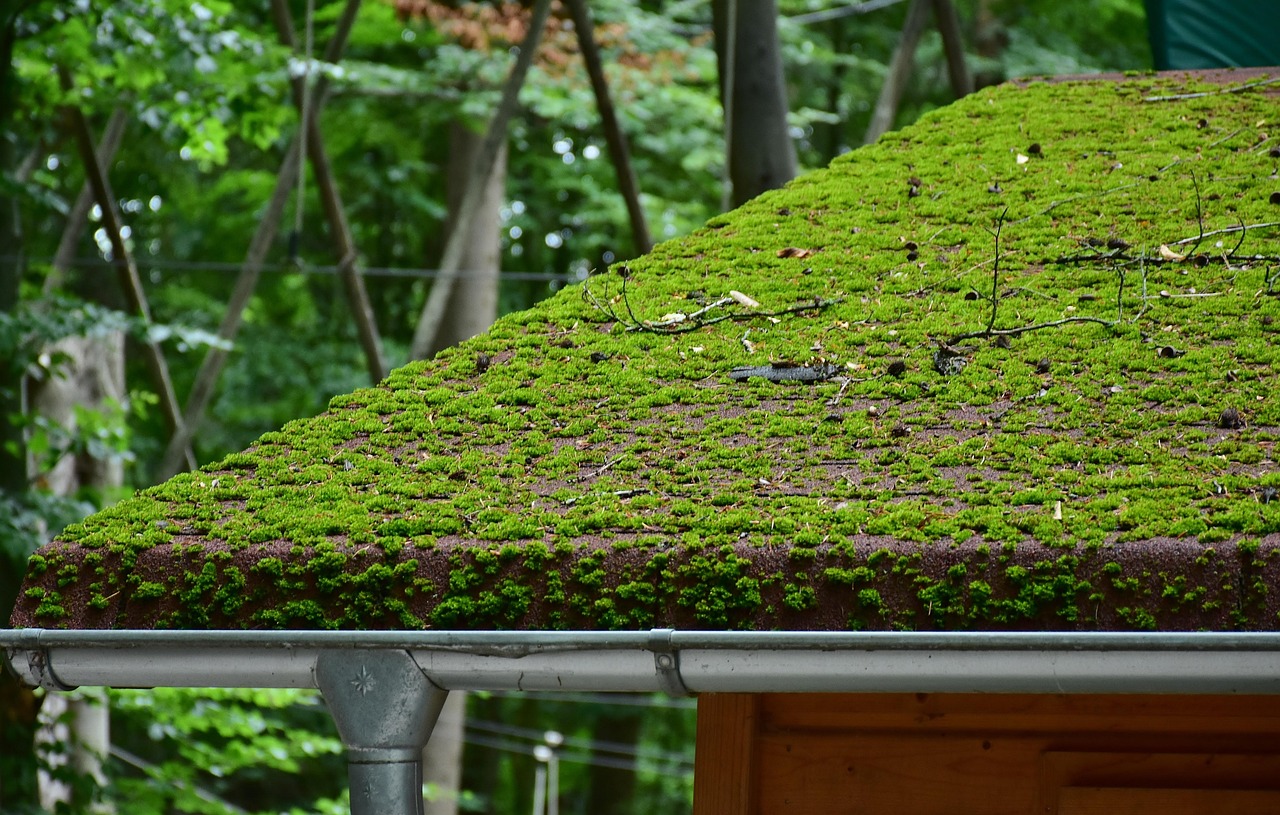
Furthermore, local environmental factors heavily influence how long either material will perform. Homes surrounded by heavy tree cover experience persistent shade, which encourages moisture retention, moss growth, and organic decay on asphalt shingle roofs. Metal surfaces are non-porous and shed organic debris much more readily, making them far less susceptible to moss and algae proliferation even in damp, humid climates.
Wind Rating, Weather Resistance, and Insurance Implications
Weather resilience is a critical financial factor, especially for homeowners living in hurricane zones, tornado alleys, or regions prone to severe hail and wildfire risks. The protective capabilities of your roof directly impact your peace of mind and, increasingly, your annual homeowners insurance costs.
Architectural shingles are engineered to withstand wind speeds ranging from 110 to 130 miles per hour when installed with proper starter strips and high-wind nailing patterns. However, severe windstorms can lift tabs, and large hail can bruise or fracture the asphalt mat, accelerating granule loss and water vulnerability. After a major hail event, an asphalt roof often requires a complete insurance claim and replacement.
Metal roofs offer superior wind and impact performance. Interlocking panels or heavy-duty fasteners allow standing seam systems to resist wind uplift forces of 150 miles per hour or more. Furthermore, many metal roofs achieve a Class 4 impact resistance rating—the highest available. In states prone to severe hail or wildfires, insurance carriers frequently offer policy discounts for Class 4 metal roofs, which can partially offset the higher initial architectural shingle vs metal roof cost over time.
When reviewing insurance policies, homeowners should consult their insurance agents before finalizing a roofing contract. Some insurance companies offer tiered discounts for impact-resistant materials, while others may enforce stricter underwriting guidelines or higher deductibles for older asphalt roofs. Installing a Class 4 roof can sometimes prevent forced policy non-renewals in high-risk geographic areas.
Fire safety is another critical dimension of weather and environmental resistance. Architectural asphalt shingles are combustible, although most carry a Class A fire rating when paired with specific fire-resistant underlayments. Metal roofing is inherently non-combustible, earning a Class A fire rating straight out of the box, which provides exceptional protection against wind-blown embers during wildfire seasons.
Energy Efficiency and Thermal Performance
Energy efficiency plays a quiet yet steady role in the lifetime cost of a roofing system. Heat transfer through the attic affects your monthly cooling bills during scorching summer months and impacts your HVAC workload.
Standard dark asphalt shingles absorb solar heat, transferring thermal energy into the attic space unless ventilation is meticulously engineered and maintained. While cool-roof shingle technology exists with reflective granules, asphalt naturally retains more heat than metal.
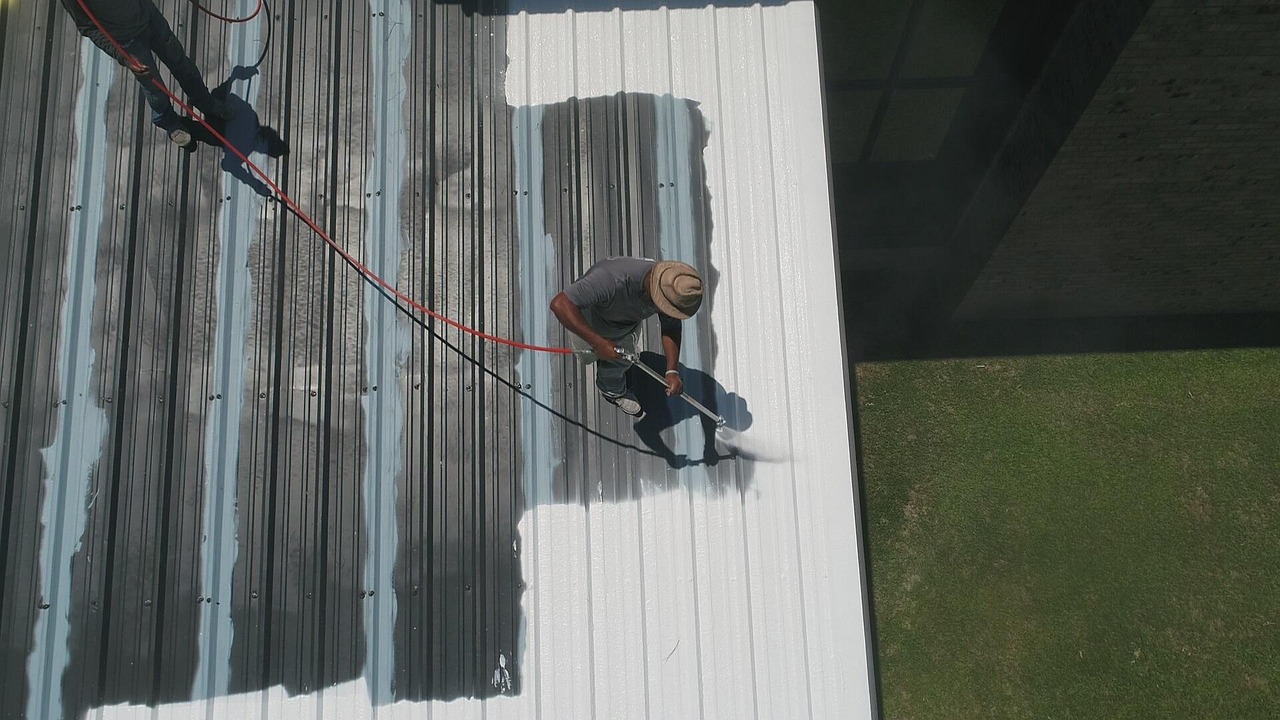
Metal roofing systems act as natural solar reflectors. By utilizing specialized paint finishes and cool-roof coatings, metal roofs reflect a substantial portion of solar radiation rather than absorbing it. This reflective capability can reduce peak summer cooling loads significantly, lowering monthly utility bills in warm climates. Over decades of operation, these cumulative energy savings help bridge the financial gap between the two roofing materials.
Proper attic ventilation and radiant barriers remain essential regardless of the primary roofing material chosen. Even the most reflective metal roof will transfer heat if attic air is trapped without adequate intake and exhaust venting. Combining a metal roof with continuous ridge vents and soffit ventilation creates an optimal thermal envelope for maximum energy conservation.
In colder winter climates, metal roofs also offer unique thermal management benefits. Their smooth surfaces allow snow to slide off easily rather than accumulating into heavy ice dams, which can otherwise force water up under shingle edges and cause interior leaks. However, proper snow guards may be needed above walkways and entryways to prevent sudden snow avalanches.
Maintenance Realities and Ongoing Expenses
Every roof demands some level of maintenance to reach its maximum theoretical lifespan. Ignoring minor issues can turn a simple repair into a costly structural remediation.
Architectural shingle roofs require periodic inspections to clear debris from valleys, check flashing around chimneys and vent pipes, and monitor for early signs of algae or moss growth. Because asphalt is a softer organic and mineral compound, it is vulnerable to moss roots lifting edges and moisture retention. You may also need to budget for minor repairs after major windstorms, replacing stray tabs or resealed flashings.
Metal roofs demand a different maintenance mindset. Standing seam roofs require very little ongoing intervention because concealed fasteners eliminate exposed rubber washers that degrade under UV light. Exposed fastener metal roofs, however, require careful inspection every 5 to 10 years to tighten or replace neoprene washers that can dry out and leak. Overall, metal roofs require fewer structural repairs over their lifespan, reducing long-term maintenance overhead.
Regardless of material, biannual self-inspections—ideally conducted safely from a ladder or using binoculars from the ground—help catch minor vulnerabilities before they escalate. Keeping gutters clean of leaf buildup prevents water from backing up under the eaves, protecting the roof deck and fascia boards from rot.
Homeowners must also consider the cost of professional upkeep. While asphalt shingle repairs are straightforward and inexpensive for local handy contractors, specialized metal roofing repairs often require technicians trained in specific panel systems, which can increase service call fees if minor damage occurs.
Resale Value and Return on Investment
Homeowners rarely stay in the same property forever, making resale value an essential consideration when calculating roofing investments. A new roof consistently ranks among the top home improvement projects for recovering invested capital upon sale.
An architectural shingle roof provides an immediate boost to curb appeal and satisfies home inspectors and buyers during real estate transactions. Because it is universally accepted and understood, it rarely creates friction in a sale. However, because it has a finite remaining lifespan, buyers may factor its age into their purchase offers.
Installing a metal roof serves as a strong unique selling proposition in markets where durability is prized. Prospective buyers recognize that a high-end metal roof eliminates the immediate concern of a major capital expense for decades. While you rarely recoup 100% of a roof replacement cost directly in home equity, a premium metal roof can help a property stand out and hold its value strongly in competitive housing markets.
Real estate data consistently shows that home buyers appreciate the peace of mind associated with transferable warranties. When selecting either asphalt or metal materials, ensure that the manufacturer warranty can be legally transferred to a subsequent owner, as this feature adds tangible marketing value if you decide to sell your home within ten to fifteen years of installation.
Making Your Final Decision: A Practical Framework
Selecting between architectural shingles and metal roofing ultimately comes down to your personal financial strategy, your timeline for remaining in the home, and local environmental conditions.
Choose architectural shingles if you need to manage an immediate budget constraint, plan to move within the next 7 to 10 years, or live in a neighborhood where architectural styles heavily favor traditional asphalt aesthetics. They provide reliable, attractive protection without over-capitalizing relative to surrounding home values.
Choose a metal roof if you intend to stay in your forever home, want to eliminate future roof replacement cycles, live in an area prone to severe weather, or want to maximize energy efficiency and long-term durability. While the initial sticker shock is real, the extended lifespan transforms metal into a smart, set-it-and-forget-it investment for the long haul.
Weighing these variables carefully ensures your next roofing project protects both your family and your finances for decades to come.