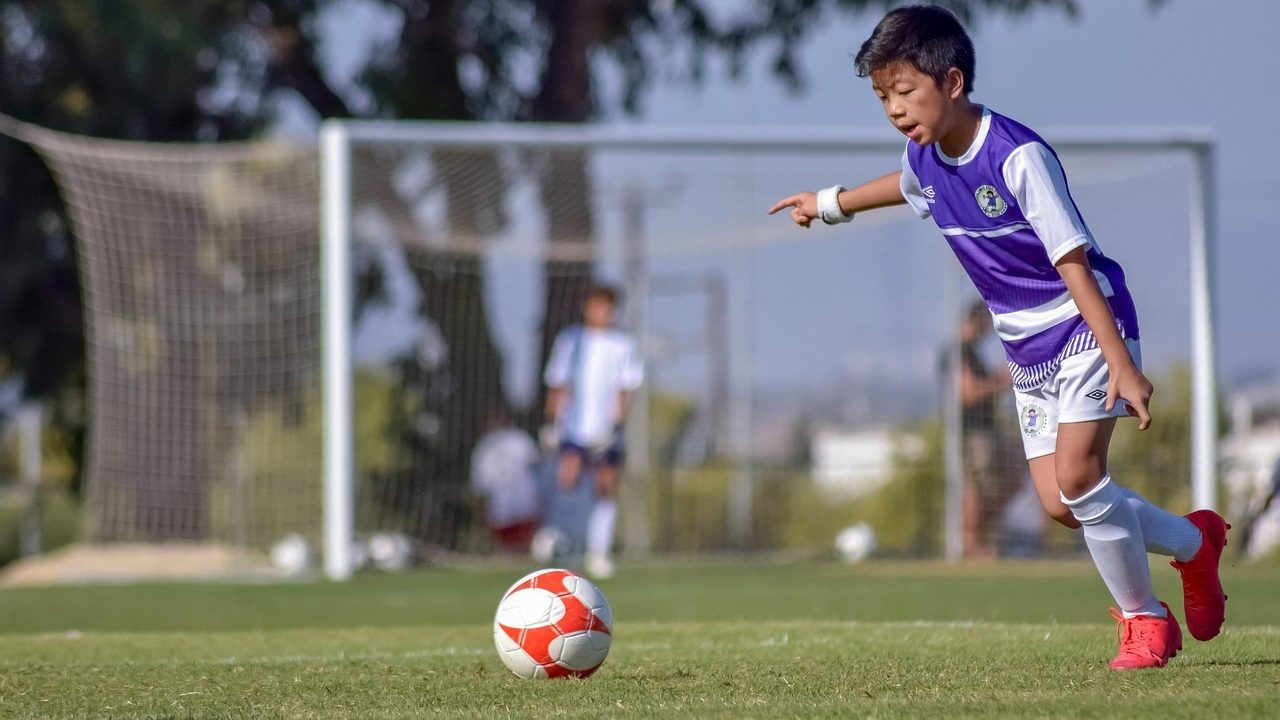
For years, your calendar was dictated by the high school or college athletic department. Practice started at 3:00 PM sharp, game days meant early dismissals, and your gear bag lived in the trunk of your car. When that structured environment ends, the sudden absence of organized competition can leave a massive void in your weekly routine. Making a smooth adult recreational sports leagues transition is the best way to maintain your fitness, scratch your competitive itch, and build a new social circle in your town.
Yet, walking onto a municipal soccer field or stepping into a church gym as an adult is entirely different from reporting to varsity tryouts. There are no coaches cutting players, no athletic trainers taping ankles, and no mandatory film sessions. Instead, adult rec sports operate on a spectrum ranging from highly competitive post-collegiate play to ultra-casual social leagues where the post-game trip to a local restaurant matters more than the final score. Navigating this new landscape requires understanding how local organizations operate, figuring out where you fit skill-wise, and mastering the logistics of adult team registration.
Understanding the Shift From Varsity to Rec Play
In high school, your team was handed to you. You shared classrooms, bus rides, and locker rooms with the same group of people for months. Adult recreational sports leagues function on a completely different model. Teams are often cobbled together from free agents, coworkers, or friends of friends, meaning chemistry has to be built on the fly.
The biggest psychological hurdle for former varsity athletes is managing expectations. If you played high school soccer, basketball, or volleyball, your baseline for play is naturally high. When you join a casual adult league, you will inevitably encounter players who are learning the rules for the first time, players who are out of shape, and players who treat the game strictly as a mild form of exercise. Learning to dial back your intensity, protect your fellow players from injury, and focus on fun rather than a championship trophy is essential for long-term enjoyment.
Conversely, you might stumble into an ultra-competitive ‘A-tier’ league where former college players still press full-court or slide-tackle with varsity zeal. Knowing your own goals before you sign up prevents frustration and ensures you land in an environment that matches your current athletic capacity.
Moreover, the cultural ecosystem surrounding adult sports is remarkably diverse. You will find yourself playing alongside accountants, teachers, nurses, and software engineers, all trading corporate dress codes for neon pinnies on a weeknight. This cross-pollination of professions is one of the hidden gems of adult sports leagues; it broadens your worldview and plugs you directly into local networks that go well beyond athletics. Understanding that the primary metric of success is no longer a conference championship, but rather sustained physical activity and community connection, anchors your entire mindset during this life transition.
Finding Local Sports Leagues in Your Area
Finding a game used to require checking bulletin boards at community centers or asking around at local running stores. Today, the infrastructure for joining adult sports leagues has moved online, making it much easier for newcomers to plug into local athletic communities.
Start by looking at your municipal parks and recreation department website. City-run leagues are typically the most affordable option because cities subsidize field and gym rentals. These leagues usually offer multiple skill divisions and run seasonal schedules throughout the spring, summer, fall, and winter.
Beyond municipal offerings, commercial rec sports organizations operate in almost every major US metropolitan area. Companies like Volo Sports, Stonewall Sports, and various local independent leagues organize everything from kickball and dodgeball to soccer and pickleball. These organizations often bundle league play with social events, sponsoring local bars and restaurants where teams gather after matches.
Another reliable avenue is community centers, YMCA branches, and local athletic clubs. Indoor sports like basketball, volleyball, and indoor soccer thrive in these venues, particularly during winter months when outdoor fields become unplayable.

When searching online, use specific localized search terms—such as ‘adult co-ed soccer leagues near me’ or ‘municipal softball registration [city name]’—to pinpoint active organizations. Be sure to look at registration opening dates as well; popular leagues in major cities often sell out within hours of opening their online portals, requiring you to act quickly or join a waitlist.
Evaluating Skill Tiers and Finding Your Level
Most community sports registration platforms categorize leagues by skill level. Choosing the right tier is critical. If you register for a beginner league as a former college athlete, you won’t get a meaningful workout and you risk injuring less-experienced players. If you jump into an elite division when you haven’t played in five years, you will likely spend the season chasing the ball and nursing pulled hamstrings.
Here is a general breakdown of how adult leagues structure their tiers:
- Recreational / Social: Geared toward beginners and those primarily interested in exercise and socializing. Rules are loosely enforced, sportsmanship is paramount, and post-game drinks are standard practice.
- Intermediate / Intermediate-Competitive: Ideal for former high school varsity players, club players, and athletic adults. Players understand strategy and positioning, but the atmosphere remains friendly and respectful.
- Competitive / Advanced: Built for former college athletes, high-level club players, and serious enthusiasts. These leagues feature fast-paced gameplay, strict rule enforcement, and a high intensity level.
In these leagues, the scorekeeper might not even bother recording the final tally. The focus is squarely on moving your body, laughing off mistakes, and getting out of the house. It’s the ideal landing spot if you are returning to sports after a long hiatus or trying out an entirely new discipline.
This tier represents the sweet spot for many former high school athletes. It features genuine competition, tactical formations, and refereed matches, yet it preserves a welcoming culture that values safety and weekend-warrior camaraderie over professional-grade intensity.
Expect physical play, structured game plans, and opponents who take winning seriously. If you miss the sharp competitive edge of your varsity days, this is where you will find it, provided your joints are up to the challenge.
When in doubt, start one tier lower than you think you belong. You can always move up to a more competitive division next season once you gauge the local standard of play. Assessing the referee quality and sportsmanship of a league during your first few weeks will help you decide if you want to stick around or look elsewhere for your athletic fix.
The Logistics of Team Registration: Free Agents vs. Full Teams
How you enter a league depends entirely on your social network. If you have a group of former teammates, coworkers, or college friends looking to stay active, you can register as a full team. One person acts as the captain, pays the team fee, and manages the roster. This is the easiest way to guarantee you play alongside people you already know.
However, if you just moved to a new city or don’t have enough interested friends, you are far from out of luck. Nearly every league allows players to sign up as free agents. The league coordinator will either place you on a team composed entirely of other free agents or assign you to an existing roster that needs extra substitutes. Joining as a free agent is one of the fastest ways to build a new social network in a new city.
Keep in mind that leagues usually require individual payments even for full teams, or they charge a lump sum that the captain must collect from teammates. Be clear on refund policies as well; if a season is rained out or canceled, knowing how the organization handles credits is important. Captains should also establish clear communication channels—such as WhatsApp or GroupMe groups—early on to confirm weekly headcounts and avoid the scramble of forfeiting due to low numbers.
Equipment, Uniforms, and Upfront Costs
One of the perks of the adult recreational sports leagues transition is that you no longer have to buy expensive school-issued warm-ups or specialized institutional gear. However, you do need to budget for basic equipment and registration fees.
Registration fees typically range from $40 to $100 per player for a standard 6-to-8-week season, depending on the sport, the city, and whether the league provides referees and equipment. Turf rentals, gym permits, and official referees drive up costs in urban areas.
When it comes to gear, check the league rules before making any purchases. Outdoor soccer leagues will require shin guards and appropriate footwear (molded cleats or turf shoes—metal studs are almost universally banned). Softball leagues usually provide bats and balls, but you will need your own glove and potentially batting gloves. Basketball and volleyball players need reliable indoor court shoes that won’t scuff gym floors.
Many leagues provide basic t-shirts as uniforms, but for sports that require distinct numbering or reversible jerseys, you may need to chip in for custom pinnies or bring your own light and dark shirts to every game.

Budgeting smartly for these expenses ensures you aren’t caught off guard by hidden costs like parking fees at city complexes or mandatory league association fees that aren’t included in the headline registration price.
Managing Time Commitments and Adult Schedules
Balancing high school sports meant working around a schedule set by adults whose full-time job was managing the team. Adult recreational sports leagues operate around real life, which creates a different set of scheduling challenges.
Most games take place on weekday evenings after standard work hours (typically between 6:00 PM and 10:00 PM) or on weekend mornings. Some indoor facilities offer lunchtime leagues for working professionals. Before committing, look closely at how the league schedules games. Some organizations use fixed weekly time slots, while others rotate game times each week, meaning you might play at 7:00 PM one Tuesday and 9:00 PM the next.
Work travel, late meetings, and family responsibilities will inevitably conflict with game nights. The golden rule of adult rec sports is communication. Always notify your captain early if you are going to miss a game so they can secure a substitute. Most leagues are lenient with subs, and having a deep roster or knowing a few utility players who can step in when regular members are traveling keeps the team competitive even with fluctuating attendance.
Planning your personal calendar around a fluctuating game schedule requires a proactive approach. Syncing your team calendar with your phone as soon as the season schedule drops prevents missed games and ensures you can balance your professional obligations with your athletic life.
Safety, Injury Prevention, and Playing Smart
The most common pitfall for former athletes making the transition to adult fitness leagues is injury. Your brain remembers running a 4.4-second forty or cutting sharply across a basketball court, but your tendons, ligaments, and joints may need time to catch up if you spent the last few years sitting at a desk.
Adult leagues do not feature athletic trainers waiting on the sideline with ice packs and tape. You are entirely responsible for your own warm-up and recovery. Give yourself 10 to 15 minutes before game time to properly warm up, stretch dynamic muscle groups, and get your heart rate up. Jogging cold onto a soccer field is a recipe for a pulled hamstring or a strained calf.
Furthermore, remember that nobody is scouting your game to offer you a college scholarship. Slide-tackling aggressively in a co-ed Thursday night soccer league or throwing elbows in an intermediate basketball game accomplishes nothing other than ruining someone else’s week. Play hard, hustle, and compete, but always leave room for mutual respect on the field.
Investing in proper footwear, listening to your body when minor tweaks occur, and knowing when to sub yourself out are essential habits for staying on the court or field week after week.
Building Community Beyond the Game
Beyond physical fitness, the true value of adult recreational sports lies in community building. For adults transitioning out of structured school environments, finding a third place—somewhere that isn’t home and isn’t work—is vital for mental health and well-being.
Make an effort to stick around after the final whistle. Whether it’s grabbing a post-game slice of pizza, heading to a sponsor bar for a post-match drink, or simply chatting in the parking lot, these casual interactions are where genuine friendships form. Many lifelong friendships, roommate arrangements, and professional networking connections start on the sidelines of a local kickball or softball diamond.
By treating the transition not as an end to your competitive days, but as an evolution into a more sustainable, social style of play, you can keep sports a central, joyful part of your life for decades to come.