Deciding between a roof repair vs replacement is rarely straightforward. When a stain appears on your ceiling or a few shingles blow into the yard after a windstorm, your immediate instinct is to call for a quick patch. However, roofs age as unified systems. Spending money on localized repairs when the surrounding materials are structurally exhausted can quickly turn into a financial trap, draining resources that would be better allocated toward a permanent solution.
Understanding when to fix a leak versus when to invest in a complete tear-off requires looking far beyond surface damage. Factors like overall age, the severity of shingle granule loss, flashing integrity, underlying plywood decking condition, and regional weather exposure all dictate the most cost-effective path forward. This comprehensive guide breaks down the physical indicators, financial trade-offs, and critical decision thresholds every homeowner should know before signing a contractor’s estimate or committing to temporary fixes.
The Anatomy of an Aging Asphalt Shingle Roof
Asphalt shingles are manufactured with a fiberglass mat base, saturated with asphalt, and coated with ceramic-infused mineral granules. These granules serve as primary armor, protecting the underlying asphalt from the degrading effects of ultraviolet solar radiation. When a roof is new, excess granules routinely shed into the gutters after installation, but steady, ongoing loss indicates that the shingles are drying out and failing.
As the asphalt dries, shingles lose their flexibility. They begin to cup, curl, or crack under daily thermal expansion and contraction cycles. Once curling becomes widespread across multiple slopes, minor repairs are no longer effective. Nailing down a curled shingle or applying roofing cement to a cracked tab will only hold temporarily; the brittle material surrounding the repair will simply tear under the next heavy gust of wind.
Furthermore, age is an independent variable that cannot be ignored. Standard three-tab asphalt shingles typically carry a nominal lifespan expectancy of 20 years under moderate climates, while architectural or dimensional shingles often target 30 years. If your roof is approaching or has exceeded these thresholds, surface symptoms like minor leaks or missing tabs are usually systemic rather than isolated incidents.
Beyond standard wear, environmental factors such as severe temperature swings, high humidity, and airborne pollutants accelerate the degradation of organic compounds within asphalt. Over time, the volatile oils that keep shingles pliable evaporate, leaving behind a rigid, highly vulnerable shell. When technicians climb onto a roof at this stage, simply walking across the surface can fracture adjacent shingles, proving that the entire protective matrix has lost its structural integrity.
Moreover, local microclimates play a massive role in how quickly a roof ages. Homes situated in heavily wooded areas may experience chronic moisture retention, leading to premature moss and algae growth that eats away at the shingle matrix. Conversely, homes in arid, high-altitude regions face intense ultraviolet bombardment that bakes the volatile components out of the asphalt years ahead of schedule. Recognizing these environmental pressures helps contextualize why a roof might fail well before its nominal manufacturer rating.
Evaluating Shingle Granule Loss and Surface Wear
One of the most reliable diagnostic signs of roof degradation is shingle granule loss. When inspecting your gutters during routine cleaning, check for piles of sand-like mineral grit. If your gutters are filling with granules, your shingles are shedding their primary defense against the sun.
Look closely at the surface of the shingles from a safe vantage point or via ladder. If you notice dark, smooth patches where the fiberglass mat is exposed, the asphalt has completely worn away in those areas. At this stage, the shingles have lost their waterproofing capacity and are essentially porous.
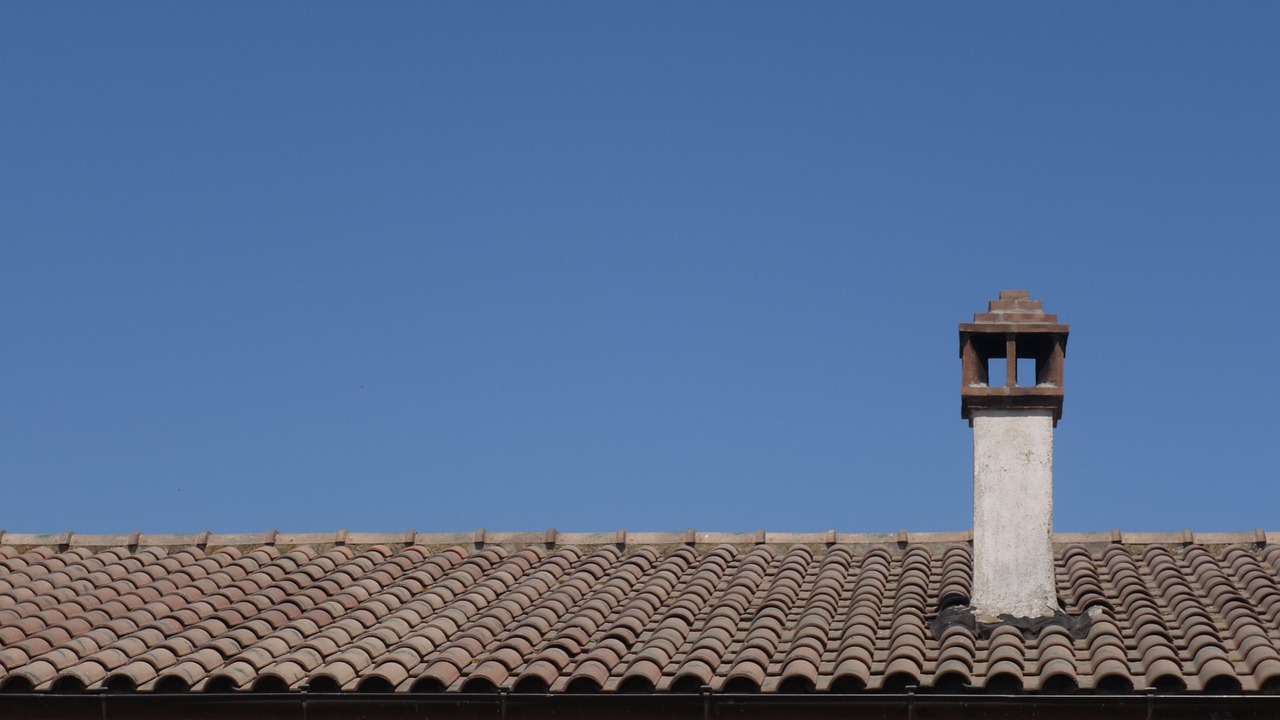
When granule loss is isolated to a single slope—often the side facing south or west that receives the most intense solar exposure—a partial repair might seem tempting. However, mixing new shingles into an old, highly weathered roof creates stark aesthetic mismatches and rarely solves the underlying vulnerability of the surrounding worn materials. If more than 30 percent of the roof exhibits advanced granule loss or bald spots, replacement is generally the more prudent investment.
Furthermore, evaluating granule loss requires distinguishing between normal aging and premature failure caused by improper installation or manufacturing defects. Shingles that lose their coating prematurely due to poor factory embedding will exhibit uniform baldness across large fields rather than natural weathering patterns. In either case, once the underlying fiberglass mat is exposed to direct UV rays, deterioration accelerates exponentially, turning localized wear into widespread structural vulnerability within a single season.
Homeowners should also pay attention to how granules accumulate in specific downspouts. If one side of the house shows significantly heavier granule deposits than another, it points directly to uneven weathering or localized wind scouring. Documenting these patterns with clear photographs over the course of a year provides invaluable data when discussing system health with licensed roofing professionals.
When a Simple Roof Repair Makes Economic Sense
Not every roof issue requires a total tear-off. There are clear scenarios where targeted roof repairs are the smarter financial choice, saving you thousands of dollars while extending the functional life of a healthy system.
- Isolated Wind Damage: If a localized storm tears away a dozen shingles on an otherwise healthy, 5-year-old roof, replacing those tabs and sealing the area is entirely appropriate.
- Flashing Failures: Leaks around chimneys, vent pipes, or valley transitions are often caused by degraded metal flashing or deteriorated counter-flashing sealants, rather than worn-out shingles. Replacing the flashing resolves the leak without requiring a new roof.
- Mechanical Penetrations: Damage caused by fallen tree limbs or an unsealed satellite dish mount can often be cut out and patched cleanly if the surrounding field shingles retain their flexibility.
As a rule of thumb, if the repair cost accounts for less than 15 to 20 percent of a total replacement estimate, and the roof has at least a third of its expected lifespan remaining, go with the repair.
It is also essential to consider contractor availability and material matching when evaluating repair feasibility. If your specific shingle color and profile are still readily available through local distributors, a patch can blend seamlessly without drawing negative attention during future home appraisals. Conversely, if your shingles have been discontinued for a decade, finding an exact match is nearly impossible, making prominent patch jobs a potential drawback if curb appeal is a priority.
Additionally, homeowners must evaluate the fastener holding power in the surrounding area. If the nails in adjacent shingles pull through easily during a repair attempt, the deck and shingle bond are compromised, signaling that a patch will fail prematurely regardless of the skill of the technician.
The Tipping Point: When Replacement Becomes Inevitable
There comes a point in every roof’s lifecycle where continuous repairs become throwing good money after bad. Recognizing this tipping point prevents you from wasting funds on temporary fixes while interior water damage accumulates.
Multiple leaks appearing simultaneously in different rooms are a definitive sign of system failure. Similarly, if you have already performed significant repairs within the past three to five years, patching another section is likely a waste of capital.
Sagging rooflines are another critical indicator. A dip or sag in the roof plane usually points to structural compromise in the wooden rafters, trusses, or roof decking due to prolonged moisture exposure. In these cases, a surface repair cannot address the underlying structural rot; a full tear-off, inspection, and structural remediation are required.
Another subtle tipping point involves chronic ice damming or severe attic condensation. If poor ventilation and insulation have warped the roof deck from underneath, surface shingle replacements will not solve the thermodynamic imbalances driving the issue. Stripping the roof down to the rafters allows for the installation of modern radiant barriers, upgraded insulation baffling, and continuous ridge ventilation, permanently correcting the environment that caused the premature failure.
Furthermore, insurance considerations heavily influence this threshold. Many property insurance providers have strict underwriting guidelines regarding roof age. If an aging roof suffers storm damage, insurers may deny coverage or require actual cash value payouts instead of replacement costs if the system is past its expected service life. Transitioning to a new roof eliminates these coverage gaps and ensures full protection against future weather events.
Hidden Costs of Repeated Spot Patching
Homeowners frequently choose repairs over replacement to avoid up-front capital expenses. However, deferred replacement often carries hidden financial penalties that compound over time.
Every time a contractor performs a roof repair on brittle shingles, they must walk on adjacent areas, hammer new nails, and pry up old material. On an aging roof, this process frequently damages surrounding shingles, creating new leaks where none existed before. Furthermore, paying service call fees and labor minimums for multiple small repairs over several years often adds up to the cost of a partial or full replacement, without providing any reset on your warranty coverage.
Insurance considerations also play a role. Many homeowners insurance policies evaluate the age of a roof when determining coverage. If your roof is past its prime expectancy, carriers may deny claims related to wind or hail damage, or require you to carry actual cash value endorsements rather than replacement cost coverage, leaving you with steep out-of-pocket expenses regardless of recent minor repairs.
Additionally, localized patches rarely come with robust manufacturer warranties. While a reputable contractor might offer a one-year workmanship guarantee on a patch, the surrounding aging shingles are entirely uncovered. When a neighboring tab fails two months later, you face another service fee. A full replacement, by contrast, typically bundles a 25-to-50-year manufacturer material warranty with a multi-year contractor installation guarantee, providing long-term financial predictability.
Beyond direct repair bills, repeated water intrusion from failed patches can ruin interior drywall, insulation, and framing. Mitigating mold growth and repairing structural framing timber costs significantly more than investing in a timely, comprehensive roof replacement before leaks penetrate the living space.
Comparing Material Longevity and Upgrades
When you cross the threshold into a full roof replacement, you gain an opportunity that repairs can never offer: an upgrade in materials, ventilation, and underlayment technology. Modern synthetic underlayments provide far superior moisture protection compared to traditional asphalt-saturated felt paper. Upgrading from standard three-tab shingles to architectural laminate shingles or impact-resistant classes can significantly improve your home’s resilience against severe weather.
Additionally, a full replacement allows contractors to correct or enhance your attic ventilation system. Proper intake through soffit vents and exhaust through ridge vents prevents heat and moisture buildup in the attic, which is the primary cause of premature shingle blistering and ice damming in colder climates. Repairs cannot fix systemic ventilation deficiencies.
Homeowners exploring replacement options can also evaluate alternative roofing materials such as standing seam metal, concrete tiles, or synthetic slate. While these premium materials carry higher initial installation costs, their lifespans often exceed 50 years, fundamentally altering the long-term cost-per-year calculation compared to asphalt shingles that require replacement every two decades.
Moreover, modern materials often qualify for energy-efficiency tax credits or insurance premium discounts, particularly if you select cool-roof certified shingles or impact-resistant products designed to withstand severe hail impacts. Factoring these potential savings into your overall replacement budget helps offset the initial investment.
How to Assess Your Roof Safely
Before calling contractors, gathering your own baseline data helps you evaluate estimates objectively. You do not need to climb onto a steep roof to check its condition.
- Inspect from the Ground: Use binoculars to examine shingle edges, valleys, and flashing details from ground level or the safety of a stable ladder at the gutter line.
- Check the Attic: Head into your attic with a flashlight during daylight. Look for daylight shining through the roof deck, water stains on the underside of the plywood, damp insulation, or mold growth.
- Review Home Records: Check your home improvement files for the installation date of the current roof. Knowing the exact age removes guesswork when evaluating contractor recommendations.
- Get Multiple Opinions: When requesting quotes, ask contractors to provide photographic evidence of the damage and explain clearly why they are recommending a repair versus a complete replacement.
Documenting these findings before inviting roofing professionals to your home ensures you remain informed and confident during consultations. Having clear photographic records of specific problem areas prevents misunderstandings and allows you to verify whether a contractor is pushing an unnecessary replacement or genuinely identifying systemic failure.
Furthermore, maintaining a personal home maintenance logbook tracking severe weather events, minor repairs, and gutter cleanings gives you a clear chronological history of your roof’s performance, making future insurance claims or property sales significantly smoother.
Making the Final Decision
Choosing between a roof repair and a full replacement requires balancing immediate budget constraints against long-term property protection. If your roof is relatively young, structurally sound, and suffering from isolated damage, targeted repairs make financial sense. However, if your roof is nearing the end of its manufacturer lifespan, exhibits widespread granule loss, or shows signs of structural sagging, investing in a full tear-off is the safer and ultimately more economical choice. Evaluate your roof’s condition objectively, prioritize structural integrity over temporary savings, and consult reputable local professionals to protect your home for decades to come.