When you start shopping for a high-end mechanical timepiece, the financial reality of luxury retail hits fast. Walk into an authorized boutique, buy a brand-new Swiss watch, and watch a notable chunk of its value evaporate the moment you walk out the door. For years, the only alternative was navigating the opaque, risky waters of the peer-to-peer secondary market. Today, however, manufacturers and major authorized retailers have formalized a middle ground: factory-certified pre-owned programs. Reading a comprehensive certified pre-owned watches buyer guide helps clarify whether these manufacturer-backed programs genuinely protect your capital or simply repackage traditional markups with a fresh warranty card.
The calculus of buying a luxury watch has changed significantly. In the past, purchasing secondhand meant accepting the risk of counterfeit parts, hidden water damage, or unserviced movements that needed an immediate four-figure overhaul. Certified pre-owned (CPO) programs aim to eliminate those fears by having the manufacturer or an authorized dealer authenticate, service, and reissue the watch with a company-backed warranty. Yet, that peace of mind comes with a financial premium. To determine whether CPO timepieces offer better long-term value than buying brand new, you have to look past the marketing gloss and examine how depreciation curves, service liabilities, and authentication standards actually operate in practice.
Understanding the Luxury Watch Depreciation Curve
To evaluate any watch purchase, you must first understand how luxury timepieces lose value. Unlike automobiles, which depreciate steadily through use and age, mechanical watches follow a more dramatic initial curve. A high percentage of popular luxury steel sports watches experience an immediate drop from their retail MSRP once acquired, unless you are buying ultra-rare, high-demand stainless steel models from brands that command massive waiting lists.
When you buy brand new, you absorb that initial depreciation hit entirely. The moment the warranty is registered in your name, the watch is officially “used” in the eyes of the secondary market. By contrast, buying a pre-owned timepiece means someone else has already absorbed that initial financial drop. The previous owner took the hit, leaving you with a watch trading closer to its true market-clearing price.
However, CPO programs introduce their own pricing dynamic. Because authorized CPO dealers invest time and money into authentication, polishing, servicing, and issuing new warranties, they price their inventory higher than an independent secondary dealer or a private seller. You pay a premium for the institutional trust. The core question is whether that premium is lower than the depreciation you would suffer by buying the same watch brand new.
Furthermore, understanding the broader macroeconomic forces at play in the luxury goods sector is essential for any serious buyer. When consumer spending tightens, secondary market prices often soften before manufacturers adjust their official retail MSRPs upward. This divergence creates moments where buying certified pre-owned yields a significantly more favorable risk-to-reward ratio than paying ever-escalating retail prices for standard production pieces. Discerning enthusiasts look closely at these market cycles to optimize their acquisitions.
How Factory CPO Differs from Traditional Used Watches
Not all pre-owned watches are created equal. Understanding the distinct tiers of the secondary market prevents costly mistakes.
- Private Party Sales: The riskiest route. You deal directly with an individual online or locally. Prices are typically the lowest, but authentication rests entirely on your own due diligence (or independent verification), and there is zero warranty.
- Independent Commercial Dealers: Professional pre-owned dealers who vet inventory, often offer their own store warranties, and sometimes provide return policies. Quality and reputation vary widely across independent shops.
- Manufacturer-Backed CPO Programs: Programs run directly by the watch brand (such as Cartier, Omega, or Vacheron Constantin) or authorized mega-retailers certified by the brand. These watches undergo factory servicing, receive OEM replacement parts if needed, and come with an official manufacturer warranty.
The primary advantage of a manufacturer CPO program is absolute authenticity and access to original factory replacement components. If a vintage or discontinued watch requires a specific balance wheel or dial component, unauthorized watchmakers may have to source aftermarket or salvaged parts, which can hurt long-term collectibility. Factory CPO ensures that every internal component meets contemporary brand specifications.
At the same time, independent dealers occupy a vital space for collectors seeking rare or discontinued references that official brand CPO networks rarely stock. Because official brand programs tend to focus on contemporary catalogs and recent production generations, the secondary market remains the premier destination for finding vintage treasures. Balancing the security of a factory CPO program against the breadth of inventory found in the wider dealer network is a fundamental balancing act for modern watch collectors.
Decoding Manufacturer Service Warranty Protections
A major selling point for certified pre-owned watches is the inclusion of a warranty, typically ranging from one to two years. When spending thousands of dollars on a mechanical movement, having recourse if the watch stops running is essential. However, buyers must read the fine print regarding what these warranties actually cover.
Most manufacturer CPO warranties cover mechanical defects resulting from normal use. They ensure that the movement keeps time within specified tolerances and that the power reserve functions correctly. However, standard exclusions apply across almost all luxury watch warranties:
- External Wear and Tear: Scratches on the case, bracelet, or crystal occurring after purchase are excluded. While CPO watches are refinished before sale, any new dings you add are your responsibility.
- Impact Damage: Dropping the watch or striking it against a hard surface can fracture the shock-absorbing system (such as Incabloc or Nivachoc jewels) or damage the hairspring. This is considered accidental damage and falls outside standard mechanical guarantees.
- Unauthorized Tampering: Opening the caseback or having an independent watchmaker service the movement immediately voids the remainder of the CPO warranty.
It is also worth noting that a two-year CPO warranty is shorter than the standard five-year international warranty offered on brand-new retail purchases from many major Swiss houses. If long-term manufacturer warranty coverage is your primary metric of security, new retail still holds an advantage.
Carefully examining the terms of service contracts also reveals how different brands handle international validity. Some manufacturer CPO guarantees are honored globally at any official service center, whereas certain retailer-specific CPO warranties require you to ship the watch back to the exact store group that issued the certificate. Clarifying these logistics before finalizing your purchase prevents frustrating delays should your timepiece require warranty service down the road.
Movement Authentication Risks and Parts Integrity
One of the most insidious risks in the secondary watch market is “Frankenwatching”—the practice of assembling a watch using genuine parts from various production years, or worse, mixing in counterfeit components. For high-end mechanical chronographs and perpetual calendars, identifying non-original parts requires specialized diagnostic tools and deep institutional knowledge.
When evaluating a potential purchase, authentication goes beyond verifying the serial number engraved between the lugs. Skilled counterfeiters can replicate case engravings and even laser-etch sapphire crystals. True authentication requires examining the movement under high magnification to check finishing details, bridge shapes, and screw placements.
Certified pre-owned programs mitigate this risk because the watches are inspected by technicians trained directly by the brand. If a movement shows signs of non-genuine parts or excessive wear that cannot be polished away to factory tolerances, legitimate CPO programs will replace the components using authentic factory stock. This guarantees that the watch is functionally sound and preserves its long-term integrity, a reassurance that can be difficult to secure when buying from an unknown online seller.
Furthermore, the physical integrity of watch dials and hands must be scrutinized during any authentication process. Over decades, radium and tritium luminous material can degrade, and moisture exposure can cause subtle spotting or discoloration on the dial surface. While seasoned collectors sometimes embrace an authentic tropical patina, factory CPO programs generally replace compromised hands or dials with pristine service components if they fail to meet strict structural standards. Buyers must decide whether they prefer an untouched, age-worn artifact or a factory-refreshed piece built for reliable daily wear.
Comparing Long-Term Value Retention: New vs. CPO
When financial advisors or seasoned collectors discuss value retention, they distinguish between two concepts: depreciation mitigation and appreciation potential.
Brand-new retail purchases rarely appreciate unless you are acquiring a hyper-exclusive allocation piece from a handful of Swiss manufacturers. For 95 percent of luxury watches, buying brand new guarantees an immediate loss of 20 to 40 percent of your purchase price if you tried to liquidate it the next day.
Pre-owned and CPO watches have already absorbed that hit. Because you buy them closer to their true market equilibrium, their subsequent depreciation curve is much flatter. If you decide to sell or trade your CPO watch three years down the road, you are likely to recover a much higher percentage of your original purchase price compared to someone who bought that same model brand new.
However, you must factor in the CPO retail markup. Because authorized CPO sellers factor the cost of servicing and their operating overhead into the ticket price, CPO watches are often more expensive than equivalent pieces bought via trusted independent dealers. You pay a financial tax for the institutional guarantee, which slightly offsets the traditional depreciation advantage of buying used.
Evaluating this trade-off requires a clear-eyed look at your personal ownership timeline. If you intend to keep and wear a timepiece for decades, the initial purchase premium of a factory CPO watch spreads out over many years of enjoyment, making the upfront cost less significant. Conversely, if you rotate your collection frequently and plan to trade watches every twelve to eighteen months, minimizing your entry price via trusted independent secondary dealers is generally the smarter financial strategy.

Hidden Service Costs and Mechanical Maintenance Realities
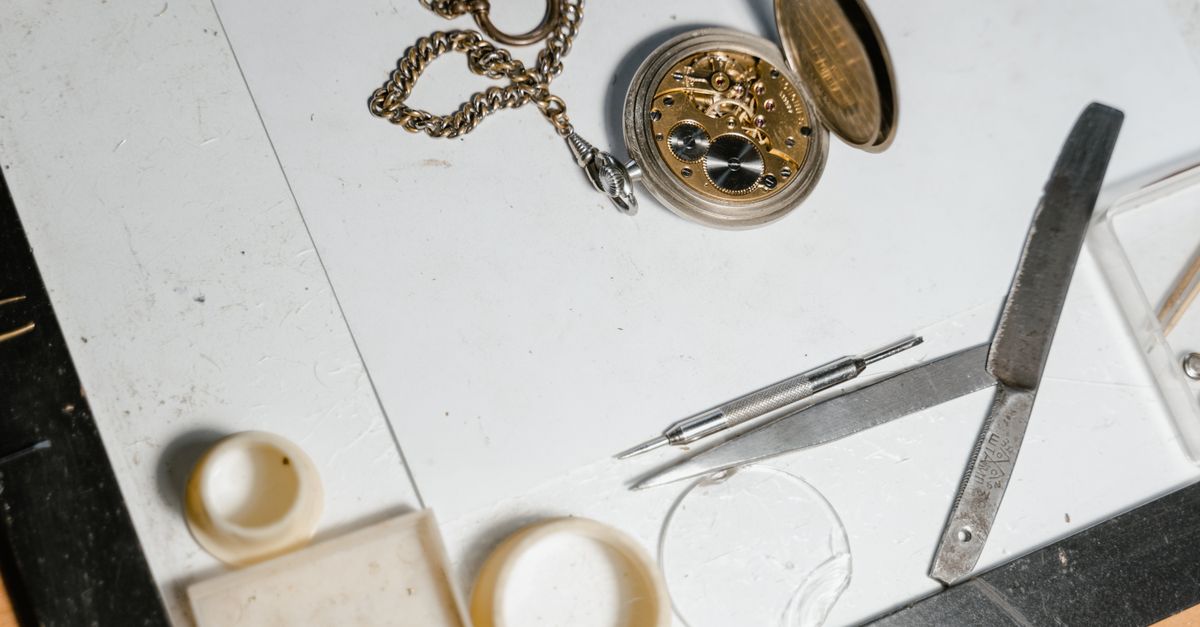
Whether you buy new or certified pre-owned, mechanical watches require periodic maintenance. Unlike quartz watches powered by a battery, mechanical movements feature dozens of tiny gears, springs, and jewels operating under constant tension. Lubricating oils dry up, friction increases, and wear occurs over time.
Standard luxury watch service intervals typically range from five to ten years, depending on the manufacturer and the complexity of the complication (such as a chronograph, GMT, or annual calendar). Servicing a modern luxury mechanical watch at an official service center is not cheap; routine overhauls can easily cost anywhere from several hundred to several thousand dollars depending on the brand and whether replacement parts are required.
When buying a CPO watch, verify whether the recent service was a complete movement overhaul or merely a cosmetic polish and quick timing adjustment. A reputable CPO program will provide documentation detailing the specific service work performed. If a CPO watch was serviced right before sale, you gain a clear five-to-eight-year runway before facing your first major service bill. If you buy a traditional used watch without service papers, you should immediately budget for an independent or factory overhaul to ensure proper lubrication and timekeeping accuracy.
Another financial consideration often overlooked by novice buyers is the cost of auxiliary components such as replacement leather straps, rubber bands, or steel bracelets. Luxury watch bracelets endure significant wear, and stretching between links or worn-out deployant clasps can detract from the wearing experience. Replacing an OEM bracelet or high-end alligator strap through official channels can add a surprising expense to your overall cost of ownership, making a CPO watch that includes a well-maintained bracelet an even more attractive proposition.
A Practical Decision Framework for Watch Buyers
Deciding between a brand-new retail timepiece and a certified pre-owned model comes down to weighing your personal priorities regarding peace of mind, budget, and relationship building with authorized dealers.
- Choose Brand New Retail If: You value the uncompromised experience of unboxing a pristine timepiece, want the security of a full five-year manufacturer warranty, and view buying from an authorized boutique as part of the collecting hobby experience where building purchase history matters for future allocations.
- Choose Certified Pre-Owned If: You want to avoid the steep initial depreciation drop, desire factory-guaranteed authenticity without the risks of private-party marketplaces, and prefer having a recent professional service already completed and backed by a warranty.
- Choose Trusted Independent Pre-Owned If: You possess the knowledge to verify authenticity or work with established independent specialists, and you want to secure the absolute lowest market price without paying the institutional markup attached to official manufacturer CPO programs.
Ultimately, the watch market rewards patience and education. By understanding how certification standards, service histories, and depreciation curves intersect, you can build a collection that delivers maximum enjoyment on the wrist without unnecessary financial friction. Taking time to research historical pricing trends, inspecting service records diligently, and aligning your purchases with your long-term collecting goals will ensure your next mechanical timepiece purchase is both emotionally rewarding and financially sound.