Shopping for a pre-owned vehicle often brings a familiar dilemma: do you stick with a conventional gas-powered car, or do you take the plunge into electrification? For many budget-conscious buyers, a used hybrid car buyer guide serves as an essential roadmap through a marketplace filled with complex mechanical systems, varying battery health metrics, and promises of high fuel economy. Hybrids have matured from niche technology into mainstream fixtures on dealership lots, but evaluating a used hybrid requires a different playbook than checking out a standard internal combustion vehicle.
When you look at a used hybrid, you are evaluating two distinct power sources working in tandem: a traditional gasoline engine and a high-voltage electric motor powered by a battery pack. While this pairing delivers impressive city fuel economy and smoother stop-and-go driving, it also introduces additional components that can wear out over time. Understanding how these systems degrade, what maintenance they require, and how to verify their condition before handing over your money will protect you from unexpected repair bills that can easily wipe out your fuel savings.
Furthermore, the automotive marketplace has evolved rapidly over the past decade. Where early hybrids were viewed with skepticism regarding reliability and repair costs, modern pre-owned models benefit from years of engineering refinement, robust thermal management systems, and a mature network of independent mechanics trained in high-voltage diagnostics. However, because older or higher-mileage examples are entering the secondary market in greater numbers, buyers must be more vigilant than ever. A methodical approach to evaluating vehicle history, mechanical condition, and electrical health ensures that your investment pays off over the long haul.
The Core Mechanics: How Traditional Gas Cars and Hybrids Differ
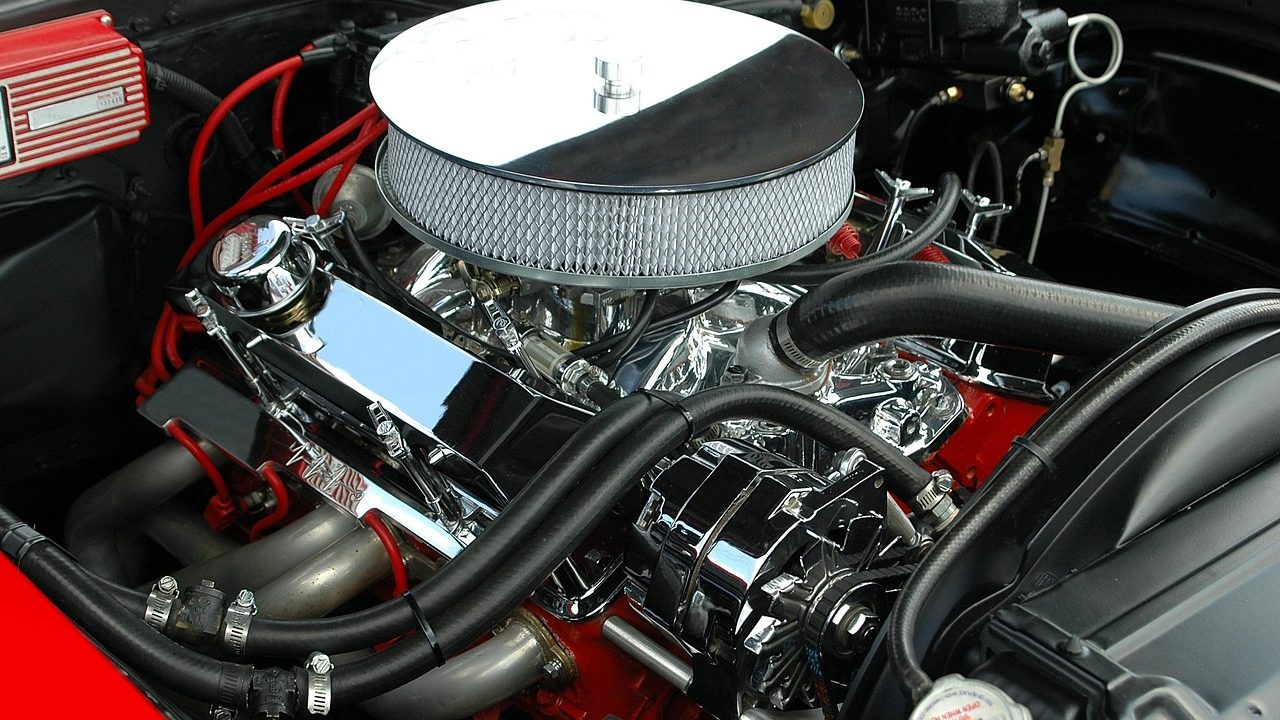
To make an informed choice, it helps to understand what is happening beneath the sheet metal. A standard gas car relies entirely on its internal combustion engine (ICE) to turn the wheels, regulated by a transmission. Every time you accelerate from a dead stop, the engine burns extra fuel to overcome the vehicle’s stationary inertia. City driving, with its frequent stoplights and heavy traffic, is notoriously hard on gas cars, resulting in lower fuel economy and higher brake wear.
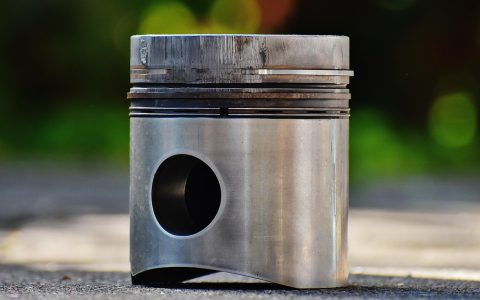
A hybrid vehicle approaches motion differently. By integrating an electric motor and a high-voltage battery pack, a hybrid can use electric power alone during low-speed maneuvers, creeping in traffic, and initial acceleration. The gas engine kicks in seamlessly when you demand more power or highway speeds. This dynamic sharing of the load reduces strain on the gasoline engine, meaning pistons, spark plugs, and fuel injectors often experience less aggressive wear compared to a non-hybrid counterpart driven in identical conditions.
Furthermore, hybrids use regenerative braking to recapture kinetic energy that is normally lost as heat in standard brake systems. When you press the brake pedal, the electric motor acts as a generator, slowing the car down while pumping electrical energy back into the high-voltage battery pack. This process not only boosts overall efficiency but also drastically reduces wear on traditional brake pads and rotors, which frequently last twice as long on hybrids as they do on standard gas cars.
Another fundamental difference lies in how accessories are driven. In traditional vehicles, items like the water pump, power steering pump, and air conditioning compressor are often mechanically driven by accessory belts attached to the engine crankshaft. In contrast, modern hybrids utilize electric water pumps and electric AC compressors. This decoupling from engine speed allows climate control and cooling systems to operate efficiently even when the gasoline engine is shut off at a red light, reducing parasitic drag on the engine and enhancing overall mechanical longevity.
Evaluating High-Voltage Battery Health and Degradation Risks
The single biggest anxiety for used hybrid buyers centers on the high-voltage battery pack. Unlike the standard 12-volt battery that starts your engine and powers your radio, a hybrid battery operates at hundreds of volts and is engineered to last for many years. However, all lithium-ion and nickel-metal hydride batteries degrade over time through a combination of chemical aging, charge cycles, and exposure to extreme ambient temperatures.
Battery degradation does not mean a sudden, catastrophic failure where the car simply stops working. Instead, degradation manifests as a gradual reduction in electric-only driving range and a slight drop in overall fuel economy as the gas engine has to shoulder more of the burden. Many modern hybrids manage thermal regulation exceptionally well using liquid cooling systems, which significantly extends battery lifespan compared to early-generation models from two decades ago.
When inspecting a used hybrid, you should never rely solely on the dashboard battery gauge, as onboard computers can recalibrate to mask minor capacity loss. Instead, ask for a professional diagnostic scan. Dealerships and specialized independent shops can plug an OBD-II scanner into the car’s computer to read state-of-health (SoH) metrics, cell voltage imbalances, and historical fault codes. A healthy battery will show balanced voltage across all internal modules, whereas a failing battery will exhibit specific cells dropping voltage rapidly under load.
It is also crucial to consider the operating environment of the vehicle you are evaluating. Hybrids that have spent their lives in scorching desert climates without garage parking often experience accelerated thermal degradation compared to identical models driven in temperate regions. Conversely, vehicles driven exclusively on short trips in freezing winter climates may experience unique battery conditioning cycles that impact efficiency. Reviewing the vehicle’s registration history and geographic background on a CARFAX or AutoCheck report gives you vital context regarding its thermal exposure history.

Total Cost of Ownership: Fuel Savings Versus Maintenance Realities
Calculating whether a used hybrid makes financial sense requires looking beyond the sticker price and the EPA fuel economy rating. Total cost of ownership (TCO) encompasses depreciation, insurance, routine maintenance, fuel expenses, and potential major repairs over your expected period of ownership.
Fuel savings represent the most visible financial benefit. If you commute through heavy urban traffic or drive significant miles annually, the difference between a car getting 25 miles per gallon and one getting 45 miles per gallon adds up quickly. Over the course of 15,000 miles a year, cutting your fuel consumption in half can save hundreds of dollars annually at the pump, depending on fluctuating regional gasoline prices.
However, you must balance those fuel savings against other ownership factors:
- Initial Purchase Price: Used hybrids often command a modest premium over their traditional gas equivalents because of their fuel efficiency reputation.
- Specialized Repairs: While routine maintenance like oil changes and tire rotations is identical to standard cars, replacing a hybrid inverter or battery pack out-of-warranty can be expensive.
- Resale Value: Hybrids tend to hold their value well in markets with high fuel prices, which works in your favor when it comes time to sell or trade in the vehicle.
It is also wise to investigate state-specific emissions regulations and federal or regional incentives if you are considering a plug-in hybrid electric vehicle (PHEV), though standard hybrids rarely qualify for direct purchase subsidies on the used market unless structured through specific local clean-air programs.
When building your financial model, factor in tire replacement costs as well. Hybrids are heavier than their gas-only counterparts due to the weight of the electric motor and battery pack. This increased curb weight, combined with regenerative braking torque, can sometimes lead to slightly faster tire wear if the vehicle is driven aggressively. Selecting low-rolling-resistance tires designed specifically for hybrid applications ensures you maintain optimal fuel economy and prevent premature tread wear.
Certified Pre-Owned (CPO) Programs and Warranty Protections
Buying a used hybrid from a private seller carries inherent risks because you absorb 100% of the mechanical liability the moment the title is signed. Mitigating this risk is where Certified Pre-Owned (CPO) programs provide tangible value for cautious buyers.
Manufacturer-certified pre-owned hybrids undergo rigorous multi-point inspections covering specific hybrid components, regenerative braking systems, and electronic control units. More importantly, CPO vehicles come with factory-backed extended warranties that often bridge the gap between the original manufacturer warranty and your personal ownership window.
Federal law mandates specific warranty protections for hybrid components in many states. For instance, California Air Resources Board (CARB) states enforce extended hybrid component warranties—often covering high-voltage batteries for 10 years or 150,000 miles on vehicles certified to strict emissions standards. Even in non-CARB states, federal guidelines historically mandated an 8-year/100,000-mile warranty on major hybrid components for many model years. Always verify the remaining warranty status using the vehicle identification number (VIN) and the original in-service date rather than the model year alone.
Independent third-party warranties are another option when purchasing from a non-CPO used car dealer, but you must read the fine print carefully. Many generic extended warranty contracts explicitly exclude high-voltage hybrid batteries, inverters, and electric drive motors, or they carry steep deductibles for electrical system diagnostics. If you choose an aftermarket warranty, ensure the provider offers a specialized electric vehicle and hybrid coverage tier that explicitly lists high-voltage components.
Common Pitfalls and Red Flags When Shopping Used Hybrids
Navigating the used hybrid market successfully means knowing what warning signs should prompt you to walk away from a deal. Because hybrid powertrains are complex, superficial cosmetic cleanliness can sometimes mask underlying neglect.
One major red flag is a vehicle with an inconsistent service history, particularly concerning oil changes. Hybrid engines often cycle on and off abruptly under partial load, which can lead to moisture accumulation in the crankcase if oil changes are neglected. Furthermore, check for signs of flood damage or improper collision repairs around the rear quarter panels and trunk floor, where high-voltage battery packs and wiring harnesses are typically housed. Water intrusion is an enemy to electrical connections and can cause intermittent faults that are notoriously difficult and expensive to diagnose.
Another common mistake is ignoring auxiliary system health. Hybrids rely heavily on 12-volt accessory batteries to boot up computer modules and engage the high-voltage contactors. A weak 12-volt battery in a hybrid can trigger a cascade of bizarre dashboard warning lights that mimic major hybrid system failures, even when the high-voltage battery is perfectly healthy. Always test or replace the 12-volt battery if its history is unknown.
Additionally, beware of vehicles that have spent extended periods sitting idle on a dealership lot. Hybrid battery packs require regular charge and discharge cycles to maintain optimal chemistry and cell balancing. A hybrid that has sat dormant for months with a low state of charge can suffer from deep discharge damage, leading to permanent capacity loss that may not immediately trigger a dashboard warning light until you put the car under sustained driving loads.

Comparing Driving Dynamics: Gas Cars vs. Hybrids in Daily Life
Beyond the spreadsheets and fuel calculators, daily drivability plays a massive role in whether you will enjoy owning a hybrid. Traditional gas cars offer familiar, linear acceleration tied directly to engine revs and transmission gear shifts. Some drivers prefer this mechanical feedback, especially enthusiasts who enjoy shifting gears or hearing a traditional exhaust note.
Hybrids, by contrast, often utilize electronic continuously variable transmissions (e-CVTs) rather than stepped gearboxes. When you accelerate firmly in a hybrid, the engine spins up to an optimal RPM and holds steady while the electric motor fills in torque gaps. This creates a smooth, seamless acceleration curve without shifting pauses, though it can sound unusual or “buzzy” to drivers accustomed to traditional automatic transmissions.
Furthermore, regenerative braking alters pedal feel. The initial travel of the brake pedal engages electrical regeneration rather than physical brake pads clamping onto rotors. This requires a brief adjustment period for drivers to achieve smooth, jerk-free stops, though most owners adapt within a few days of regular commuting.
Noise, vibration, and harshness (NVH) profiles also differ. In stop-and-go traffic, a hybrid is often exceptionally quiet because the gas engine turns off entirely while idling. When the engine does re-engage to assist acceleration, the transition is managed smoothly by motor-generators, though drivers sensitive to mechanical vibrations may occasionally notice the subtle shudder as the internal combustion engine fires up under load.
Step-by-Step Inspection Checklist for Buyers
Before finalizing your purchase on any pre-owned hybrid, use this structured checklist to cover your bases:
- Run a Comprehensive Vehicle History Report: Check for title brands, accident history, service records, and regional location history to rule out flood or severe salt-corrosion damage.
- Verify Warranty Status: Cross-reference the VIN with a local dealership to confirm remaining factory hybrid component and battery warranty coverage.
- Request a Hybrid Diagnostic Scan: Pay an independent mechanic or specialized shop to run a dedicated battery health and inverter scan.
- Test Drive in Varied Conditions: Drive the car on city streets to test regenerative braking and electric-only transition, and take it on the highway to check high-speed engine behavior.
- Inspect Auxiliary Systems: Verify that climate control, cooling fans, and dashboard displays operate without hesitation or warning lights.
Taking these steps ensures you do not overlook hidden electrical wear that a standard pre-purchase inspection might miss. Because traditional mechanics sometimes lack specialized hybrid scan tools, confirming that your inspecting technician has experience with high-voltage systems is critical to getting an accurate assessment.
Making Your Final Decision
Deciding between a traditional gas car and a pre-owned hybrid ultimately boils down to your driving profile and risk tolerance. If your daily commute involves heavy stop-and-go traffic, city driving, or high annual mileage, a well-maintained hybrid offers undeniable advantages in fuel efficiency, reduced brake wear, and smooth urban drivability. Conversely, if you primarily drive long highway stretches where hybrid efficiency gains taper off, or if you find a traditional gas car with a bulletproof maintenance record at a significantly lower purchase price, the math might tilt back toward standard gasoline power.
Take your time, prioritize vehicles with documented maintenance histories, and never skip a professional battery health assessment. With the right preparation, a used hybrid can be a smart, financially sound addition to your driveway that saves money at the pump for years to come. By balancing upfront costs against long-term fuel savings and verifying critical high-voltage components, you can navigate the pre-owned market with confidence and secure a dependable vehicle tailored to your daily driving needs.