Shopping for a pre-owned vehicle has changed dramatically over the last few years. If you are entering the market today, you likely fall into the category of budget-conscious car buyers considering a transition to electric vehicles. Transitioning from a traditional gasoline-powered car to a battery electric vehicle (BEV) offers distinct mechanical and financial advantages, but it also introduces entirely new variables. To make a smart purchase, you need a reliable used electric vehicle buyer guide that cuts through the marketing hype and focuses strictly on mechanical longevity, total cost of ownership, and practical charging logistics.
Unlike gas cars, where mileage and engine maintenance history dictate value, an electric car’s primary asset and potential liability is its lithium-ion battery pack. Understanding how to evaluate this component, alongside home charging overhead and long-term operating costs, will determine whether a secondhand EV turns out to be a brilliant financial move or an expensive lesson.
The Shift to Secondhand Electric Vehicles
The secondary automotive market has matured significantly, welcoming waves of lease returns and early-generation mass-market EVs. This influx has driven down purchase prices, making models that once retailed near luxury price points accessible to average household budgets. However, lower sticker prices are only part of the equation when shopping for a pre-owned vehicle.
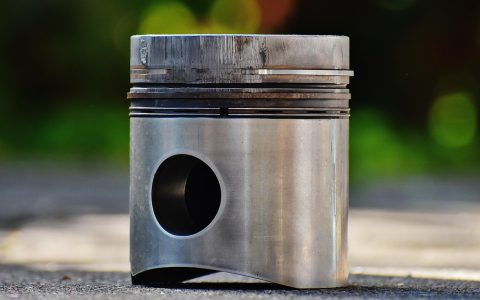
When you evaluate a used gas car, your primary concerns are the transmission, engine compression, exhaust system, and timing belt. With a pure EV, those components do not exist. Instead, you are looking at an electric motor with very few moving parts, a regenerative braking system that drastically reduces brake pad wear, and a massive chemical battery pack that dictates the vehicle’s remaining lifespan, daily usability, and resale value.
The financial incentive for buying used is clear: severe depreciation has already hit the first owner hardest. An EV that lost half its value over three years can represent incredible value, provided the high-voltage battery remains healthy. But assessing that health requires a completely different mindset than checking an oil dipstick, listening for engine knocks, or inspecting exhaust smoke.
Furthermore, early-generation electric cars varied wildly in terms of thermal management. Some models relied on passive air cooling for their battery packs, making them susceptible to accelerated degradation in hot climates, while others featured robust liquid-cooling loops that preserved pack health over hundreds of thousands of miles. Knowing which models use which technology is your first line of defense against buying a degraded vehicle.
Decoding EV Battery Health and Degradation
The single most intimidating aspect of buying a secondhand electric car is the battery. Modern lithium-ion packs degrade gradually over time and usage, a process influenced by climate, charging habits, and calendar age. Fortunately, data shows that most modern EV batteries degrade much slower than early skeptics predicted, typically losing between one and two percent of their original capacity per year.
However, averages do not protect you from buying an outlier that experienced heavy abuse, such as frequent DC fast charging in extreme desert heat with zero thermal management. This is where state-of-health (SoH) diagnostics become essential.
State of health measures the battery’s current maximum capacity compared to when it rolled off the factory floor. A car with an 85% SoH retains 85% of its original driving range. While many manufacturers include an eight-year or 100,000-mile battery warranty that guarantees replacement if capacity drops below 70%, verifying the current percentage before handing over your money is critical, especially if the vehicle is nearing the end of that warranty window.
Never rely solely on the dashboard range estimate displayed on the instrument cluster, as this figure fluctuates based on recent driving styles, auxiliary climate control usage, and ambient temperature. Instead, ask for a dedicated battery health report generated by an OBD-II scanner running specialized EV diagnostic software (such as LeafSpy for older Nissans, or generic state-of-health apps for other makes), or have an independent mechanic certified in electric vehicle systems perform a thorough battery health evaluation.
It is also worth noting the difference in chemical composition. Older or budget-focused models often use Nickel Manganese Cobalt (NMC) or Nickel Cobalt Aluminum (NCA) chemistries, which offer high energy density but are sensitive to extreme states of charge. Newer or standard-range variants increasingly use Lithium Iron Phosphate (LFP) chemistries, which are exceptionally durable, can be charged to 100% daily without accelerated degradation, and boast significantly longer calendar lifespans, making them a preferred target for savvy used car buyers.
Comparing Long-Term Ownership Economics: EV vs. Gas
To determine if a used electric car actually saves you money, you must look beyond the initial purchase price and evaluate total cost of ownership (TCO) over a typical three-to-five-year holding period.
Traditional gas cars require continuous spending on oil changes, spark plugs, timing belts, fuel filters, emissions testing, and complex exhaust repairs. Over 100,000 miles, these routine maintenance items add up significantly and often require surprise workshop visits. Electric vehicles eliminate almost all of these expenses. Because electric motors have very few moving parts, routine maintenance is largely limited to cabin air filters, tire rotations, windshield wiper fluid, and brake fluid flushes every few years. Even brake pads last vastly longer due to regenerative braking taking the brunt of deceleration forces.
On the energy side, fueling an EV at home is almost universally cheaper than buying gasoline, though the exact savings depend heavily on your local utility rates. If you live in an area with low residential electricity costs, your per-mile operating cost can be a fraction of what you would spend driving a comparable gas sedan or SUV. Conversely, if you live in a region with high electricity rates and rely exclusively on public DC fast chargers, the fuel cost gap narrows considerably, sometimes eliminating the operational savings entirely.
Tires are one area where EVs can incur higher costs. Due to the instant torque of electric motors and the heavier curb weight of battery packs, used EVs can wear through tires faster than a lightweight gas hatchback. Factoring in a replacement set of tires every few years is an essential part of your accurate long-term financial projection.
The Realities of Home Charging Installation Overhead
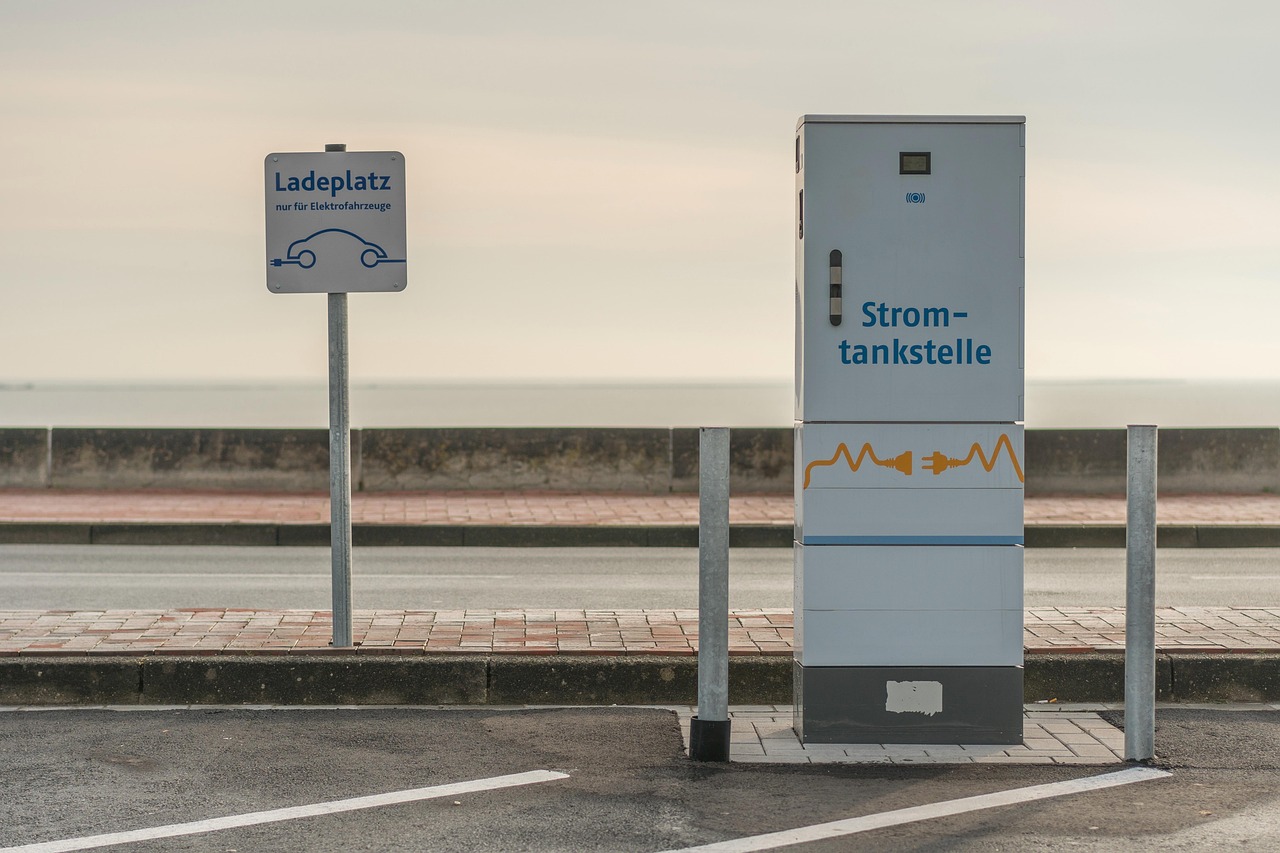
You cannot talk about electric vehicle ownership without addressing how and where you will charge the vehicle. While public charging networks continue to expand across highways and urban centers, the true economic and convenience benefits of EV ownership rely heavily on home charging.
Relying solely on public charging stations defeats much of the financial savings, as commercial fast chargers often price electricity significantly higher than residential rates and introduce idle fees. Therefore, budgeting for home charging installation is a vital step in your purchasing decision.
Most used EV buyers will want to install a Level 2 home charging station, which operates on a 240-volt circuit similar to an electric clothes dryer or stove. Depending on your home’s electrical panel capacity, whether you need a service upgrade, the distance from the panel to your garage or parking spot, and local labor rates, installing a hardwired Level 2 charger can range from a few hundred dollars to over two thousand dollars.
If you live in an apartment, condo, or a home without off-street parking, buying an EV requires careful pre-planning. Make sure you have reliable, accessible charging options at your workplace, local grocery stores, or within walking distance of your residence before committing to the purchase. Wrangling public infrastructure without home charging can quickly turn into a frustrating daily chore.
Evaluating Used EV Tax Credits and Incentives
Buying a pre-owned electric vehicle can unlock significant financial assistance through federal and state incentive programs. In the United States, the federal government offers a used clean vehicle credit (Section 25E) that can knock up to thirty percent off the sale price, up to a maximum of four thousand dollars, for qualified buyers meeting specific income and vehicle price caps.
To qualify for the federal used EV tax credit, the vehicle and transaction must meet several strict criteria:
- The sale price must be $25,000 or less.
- The vehicle must be at least two years older than the current calendar year (e.g., a 2021 model purchased in 2024).
- The purchase must be made from a licensed dealership that reports the sale to the IRS, not a private party peer-to-peer sale.
- The buyer’s modified adjusted gross income must fall below specified annual limits ($75,000 for single filers, $150,000 for joint filers).
- The vehicle must not have previously been transferred to another qualified buyer under this specific used credit program since August 2022.
In addition to federal programs, many state governments, regional air quality management districts, and local electric utilities offer rebates, tax credits, or discounted time-of-use electricity rates for purchasing used EVs or installing home charging equipment. Always verify these programs and ensure the dealer is properly registered with IRS Energy Credits online before finalizing your purchase, as rules and funding pools change frequently.
Common Pitfalls and Mistakes to Avoid
Entering the used EV market without a clear strategy can lead to costly mistakes. Being aware of common mechanical and administrative pitfalls helps protect your hard-earned investment.
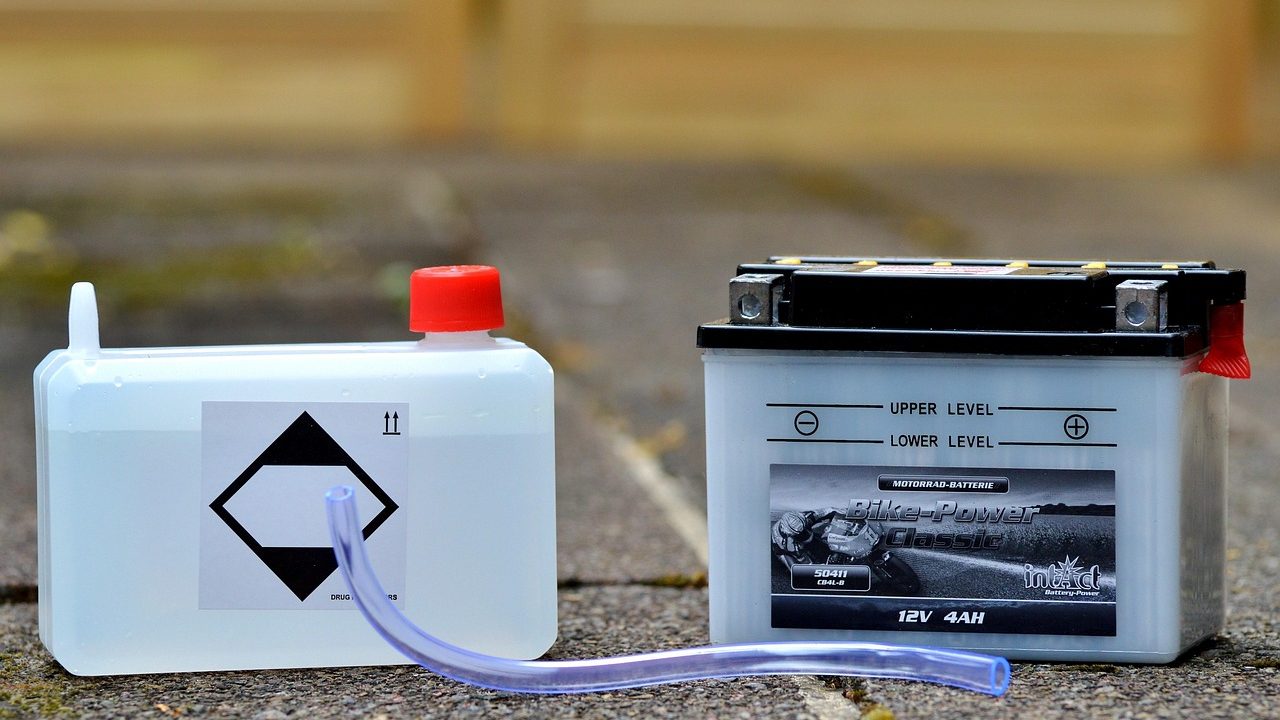
One major mistake is ignoring the degradation of auxiliary systems, particularly the 12-volt battery. Even though high-voltage traction batteries are robust, many EVs still rely on a standard 12-volt accessory battery to power computers, door locks, and onboard electronics. A failing 12-volt battery causes erratic electronic behavior, warning lights, and frustrating no-start conditions, much like a traditional gas car.
Another trap is assuming all charging cables are included in the sale. Many private sellers and even some pre-owned dealerships fail to include the portable Level 1 trickle-charge cable or mobile connector that originally came with the car. Replacing an OEM mobile connector can cost several hundred dollars, so always verify what charging equipment comes bundled with the vehicle before signing paperwork.
Finally, do not overlook the importance of software updates and vehicle history reports. Modern electric vehicles are essentially computers on wheels. Ensure the vehicle you are considering has received critical over-the-air (OTA) software updates and all outstanding manufacturer safety recalls. An outdated software version can impact battery management thermal efficiency, charging speeds, and infotainment stability. Furthermore, check for signs of flood damage or structural frame repairs, as high-voltage electrical systems are notoriously sensitive to water intrusion.

Frequently Asked Questions About Buying a Used EV
Navigating the pre-owned electric vehicle market naturally brings up several technical and financial questions. Here are clear answers to the most common inquiries from budget-conscious car buyers:
- How long do modern EV batteries actually last? Most automotive engineers and fleet data suggest that modern lithium-ion batteries will easily outlast the useful mechanical life of the car itself, often projected between 150,000 and 200,000 miles or more before degrading past 70% capacity.
- Can I replace just a single battery module if one fails? While possible on some early vehicles, most modern EV packs are sealed units. Repairing a battery typically involves replacing individual modules or the entire pack through specialized third-party shops or dealership service centers under warranty.
- Does cold weather permanently damage an EV battery? Cold weather causes temporary reductions in driving range and charging speed due to increased internal resistance and climate control draw, but it does not cause permanent chemical degradation unless the battery is charged while deeply frozen without thermal management active.
- Should I buy an extended warranty for a used EV? If you are purchasing an EV that has expired its factory battery and powertrain warranty, a reputable third-party extended warranty that specifically covers high-voltage electrical components and drive units can provide valuable peace of mind.
Making Your Final Decision: Gas or Electric?
Weighing a pre-owned electric vehicle against a traditional used gas car ultimately comes down to your driving patterns, housing situation, and access to affordable charging infrastructure.
If you have a dedicated garage or driveway where you can install a Level 2 charger, drive a predictable daily commute, and live in an area with reasonable residential electricity rates, a secondhand EV offers lower operating costs, minimal routine maintenance, and a smooth, responsive driving experience that is hard to match with an internal combustion engine.
On the other hand, if you frequently take spontaneous long-distance road trips through rural areas with sparse charging infrastructure, rent your home without guaranteed off-street parking, or live in a region with exceptionally high electricity costs and no home charging options, a traditional used gas car may still offer simpler day-to-day logistics.
By conducting a rigorous battery state-of-health check, factoring in home charging setup costs, and taking advantage of available used tax credits, you can approach the pre-owned EV market with confidence and secure a reliable vehicle that serves your household well for years to come.