
For many multi-person households, telecommunication expenses represent one of the largest predictable line items in the monthly budget. When you multiply three, four, or five smartphone lines by the cost of a traditional postpaid carrier plan, the total quickly rivals a utility bill or a car payment. Households routinely default to staying with major national carriers out of habit, convenience, or fear of losing coverage quality, missing out on substantial long-term savings.
Conducting an objective family cell phone plan cost comparison requires looking past flashy advertising campaigns and promotional device credits. You must evaluate how your household actually uses mobile data, how frequently you upgrade your hardware, and whether you value premium entertainment perks over lower monthly cash flow. By breaking down the structural differences between major carrier postpaid accounts and independent prepaid Mobile Virtual Network Operators (MVNOs), you can build a sustainable framework for reducing your recurring expenses without sacrificing reliability.
The Core Economic Shift: Postpaid vs. Prepaid MVNOs
To understand where your money goes every month, you first need to understand the structural differences between major national carriers and prepaid MVNOs. Major carriers operate their own physical cell towers and network infrastructure. When you buy a plan directly from a major network, you are paying for direct access to that proprietary infrastructure, along with customer service storefronts, heavy marketing budgets, and complex backend billing systems.
Prepaid MVNOs, by contrast, lease network capacity in bulk from the major carriers. They operate with significantly lower overhead, fewer physical retail storefronts, and simpler service structures. Because they buy network access wholesale, they can pass those savings down to consumers. However, this business model often comes with specific operational trade-offs, such as deprioritized data during periods of network congestion, fewer international roaming features, and stripped-down customer support options.
When evaluating a family cell phone plan cost comparison, the fundamental question is whether the convenience of a major carrier’s proprietary ecosystem justifies paying twice or sometimes three times as much per month for essentially the same underlying cellular coverage. To make an informed decision, households must look beyond the monthly sticker price and evaluate the total cost of ownership over a multi-year horizon.
Analyzing Major Carrier Multi-Line Postpaid Plans
Major carriers market their multi-line unlimited plans aggressively. The marketing pitch is simple: the more lines you add, the lower the per-line cost becomes. A single line on a top-tier unlimited plan might cost eighty or ninety dollars a month, but a family of four can often bring that per-line average down significantly once all multi-line credits and automatic payment discounts are applied.
These plans typically include high priority data caps, substantial mobile hotspot allocations, streaming service bundles, and generous international features. For households that travel internationally frequently, rely heavily on mobile hotspots for remote work, or stream high-definition video constantly while away from Wi-Fi, these bundled inclusions can provide genuine value. Furthermore, major carriers often bundle subscriptions to streaming video platforms, cloud storage, or roadside assistance programs, which can offset some of the cost if your household already pays for those services independently.
The catch with major carrier postpaid plans lies in their rigidity and hidden costs. Taxes and regulatory fees are rarely included in the advertised baseline price, often adding several dollars per line to your monthly statement. Furthermore, promotional device deals that advertise “free phones” usually lock you into twenty-four or thirty-six-month installment agreements. If you decide to leave the carrier early to save money, those remaining device balances become immediately due in full, trapping you within their billing ecosystem. Additionally, many major carriers require you to enroll in auto-pay using a debit card or bank account rather than a credit card to maintain your maximum multi-line discount, stripping away consumer credit card rewards and purchase protections.

Exploring Prepaid MVNO Multi-Line Alternatives
Prepaid MVNOs have evolved far beyond the unreliable, bare-bones services of the past. Today, many MVNOs offer robust multi-line discounts, family pooling options, and unlimited data packages that rival major carriers at a fraction of the cost. Instead of paying two hundred to three hundred dollars a month for a family of four, many MVNO setups allow households to secure comparable multi-line service for one hundred dollars or less total.
The primary advantage of prepaid MVNOs is financial predictability. Taxes and fees are frequently included in the flat advertised monthly rate, meaning your bill is the exact same amount every single cycle. There are no credit checks, no sudden price hikes, and no mandatory multi-year service contracts holding your devices hostage. If your financial situation changes or you find a better deal elsewhere, you can port your numbers out at a moment’s notice without penalty.
However, MVNOs require you to shift how you purchase hardware. Because they do not subsidize expensive smartphones through monthly bill credits, household members must either bring their existing unlocked phones or purchase new devices outright. While this upfront cost can feel intimidating, avoiding monthly device financing charges gives households complete freedom to switch carriers whenever a better deal comes along. Moreover, understanding how different MVNOs map to the underlying carrier networks ensures your family maintains robust local coverage.
Data Prioritization and Network Performance Realities
A common concern when switching from a major carrier to an MVNO is whether call quality or data speeds will plummet. Because most MVNOs ride on the exact same physical cell towers as the major networks, your baseline coverage map—where you have signal strength in your home, neighborhood, and regular commuting routes—will generally remain identical.
The critical technical difference is data prioritization. During peak hours when a cell tower handles heavy local traffic, major carrier customers receive top priority for bandwidth. MVNO customers may experience temporarily throttled or slowed data speeds because their traffic is deprioritized behind direct postpaid subscribers during moments of extreme network congestion.
For the average household, this deprioritization is barely noticeable during day-to-day web browsing, social media scrolling, and GPS navigation. However, if your household lives in a densely populated urban center with congested towers, or if you rely on mobile data for heavy professional tasks while on the go, data prioritization can occasionally impact your user experience. It is wise to test a single line on an MVNO network for a month before porting your entire family’s numbers over, ensuring the local network performance meets your everyday expectations.
Auditing Your Household’s Actual Data Consumption
The most common financial mistake consumers make when purchasing cell phone plans is overbuying data capacity. Major carriers rely on the psychological comfort of “unlimited” data, even though the vast majority of mobile users consume a fraction of what their plans provide.
Before committing to any multi-line plan, open the settings menu on every smartphone in your household and review the cellular data usage statistics for the past three to six months. You will likely discover that family members who claim they need unlimited data actually consume less than ten gigabytes per month, heavily utilizing home and office Wi-Fi networks for bandwidth-heavy activities like streaming video and downloading large application updates.
If your audit reveals that your household falls into this moderate usage category, paying for top-tier unlimited postpaid plans is an unnecessary expense. Many MVNOs offer fixed-data bucket plans or lower-tier unlimited plans with high-speed thresholds that easily accommodate moderate users while cutting monthly bills in half. Tracking usage over several billing cycles also accounts for seasonal variations, such as increased travel or school-related data needs.
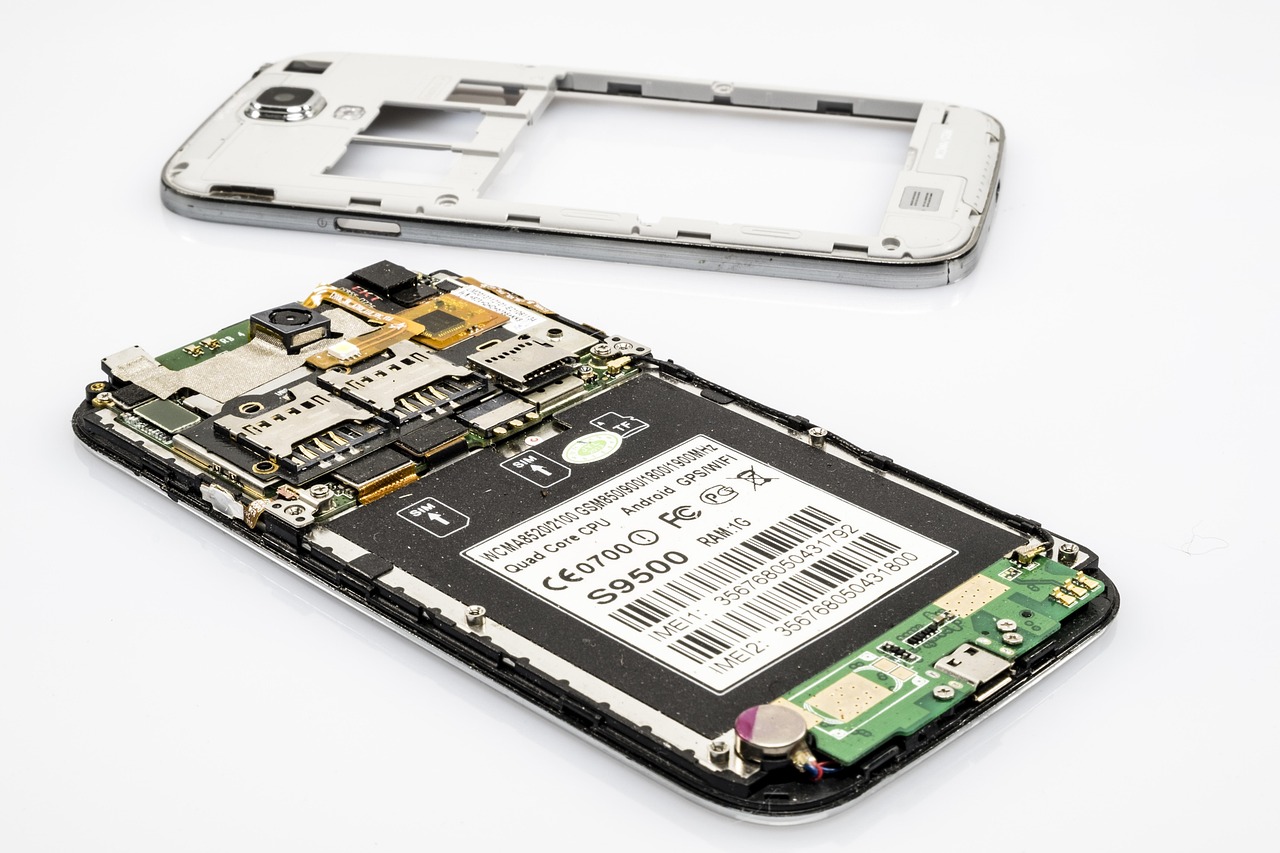
Hardware Strategy: Phone Financing vs. Buying Unlocked
Your household’s hardware strategy dictates your long-term telecommunication costs more than almost any other factor. Major carriers use device financing promotions as a customer retention anchor. When you sign up for a family plan and accept four “free” smartphones spread out as monthly bill credits over three years, you are legally and financially bound to that carrier for the duration of the agreement.
If you leave early, you forfeit the remaining credits and must pay off the retail value of the phones. Over time, the higher monthly cost of the postpaid service plan often far exceeds the total retail value of the promotional phones you received. When you factor in the required high-tier unlimited plan needed to qualify for these promotions, the true cost of those “free” phones becomes remarkably high.
A more cost-effective long-term strategy involves purchasing unlocked smartphones outright—often choosing standard models, previous-generation flagships, or reliable mid-tier devices rather than the most expensive newly released hardware. When your phones are fully paid off and unlocked, you can shop around freely for the cheapest multi-line prepaid plans, dropping your monthly overhead and saving thousands of dollars over a multi-year span. Buying certified refurbished devices further reduces hardware costs while providing near-new performance.
Hidden Fees, Taxes, and Surcharges
When comparing advertised prices, the sticker price rarely matches the final monthly bill on traditional postpaid accounts. Major carriers tack on administrative fees, federal and state universal service fund fees, regulatory cost recovery charges, and local sales taxes. For a family with four lines, these extra charges can easily add twenty to forty dollars to your monthly total.
Prepaid carriers frequently bundle taxes and regulatory fees directly into their advertised flat rates. When an MVNO advertises a multi-line bundle for one hundred dollars flat, that is generally the exact amount that hits your credit card or debit account each month. When building your budget, always request a total estimated bill that includes all taxes and fees before making your final carrier selection.
Transition Steps: How to Switch Without Disrupting Service
Switching your household from a major carrier to a lower-cost alternative requires careful sequencing to avoid losing phone numbers or experiencing prolonged service outages. Rushing the transition can result in billing disputes or temporary communication blackouts.
Follow this step-by-step checklist to ensure a smooth transition:
- Verify Device Compatibility: Confirm that every smartphone in your household is fully paid off, carrier-unlocked, and compatible with the target MVNO’s network bands.
- Gather Account Information: Locate your current carrier account number, current billing PIN or passcode, and authorized account holder details. Do not cancel your old service yet.
- Order SIM Cards or eSIMs: Set up your new accounts and obtain physical SIM cards or digital eSIM profiles for each household member.
- Activate and Port Numbers: Install the new SIMs, follow the activation instructions, and initiate the number porting process from your old carrier to the new provider.
- Confirm Old Account Closure: Once all phone numbers have successfully transferred, verify that your old carrier account has officially closed and that no unexpected final service charges remain.
Frequently Asked Questions About Family Cell Phone Plans
When evaluating multi-line phone options, households frequently encounter specific logistical questions. Addressing these common concerns helps streamline your decision-making process:
Can I keep my existing phone numbers when switching to an MVNO? Yes. Under federal regulations, you retain full ownership of your phone numbers. As long as your account with your previous carrier remains active during the transfer process, you can port all your family numbers to your new provider.
What happens if my phone is still being financed through a major carrier? If you have an active installment plan, your phone is locked to that carrier and remaining balances become due immediately upon cancellation. It is usually best to wait until your device is fully paid off before switching, or calculate whether the savings from the new plan outweigh the remaining payoff balance.
Are eSIMs better than physical SIM cards for families? eSIM technology allows for instant digital activation without waiting for physical cards to arrive in the mail. If your family uses modern smartphones that support eSIM, it can significantly speed up the transition process, though physical SIMs remain reliable for older hardware.
Conclusion: Making the Right Choice for Your Household
Deciding between major carrier postpaid plans and budget-friendly prepaid MVNOs comes down to balancing convenience against long-term financial discipline. If your household requires extensive international roaming, heavy mobile hotspot usage for remote work, and brand-new flagship phones financed through monthly bill credits, a major carrier family plan may still serve your needs despite the higher cost.
However, if your household is looking to trim recurring expenses, uses moderate amounts of data, and prefers predictable flat-rate billing, shifting to a prepaid MVNO family plan offers a practical path to significant savings. By auditing your actual usage, unlocking your hardware, and refusing to pay for unneeded network perks, you can regain control over your monthly utility budget and keep more money in your household savings accounts.