
A successful family road trip planning guide does not start with what songs to play or which scenic route to take; it starts with vehicle logistics. When you are traveling long distances with toddlers or young children, the car transitions from a mode of transportation into a high-density mobile living room. Without a deliberate framework for where items live, how often you stop, and how children are entertained, minor inconveniences quickly snowball into major meltdowns. Treating a road trip like an expedition rather than a casual Sunday drive changes everything.
Long-distance driving with kids introduces predictable friction points: clutter accumulating in footwells, boredom setting in within the first forty miles, and the endless loop of “Are we there yet?” To combat this, you need a system that minimizes cabin chaos. This guide breaks down the core pillars of automotive travel with young children, helping you design a trip that keeps everyone safe, sane, and relatively cheerful.
Beyond basic logistics, mental preparation is equally vital for both parents and children. Setting clear expectations before turning the ignition can radically alter the tone of the journey. For older toddlers and preschoolers, talk through the itinerary using concrete milestones rather than abstract time units—such as “We will drive until the sun comes up, stop for breakfast, play at a park, and then drive a bit more.” Young minds struggle to conceptualize three hours, but they easily grasp the concept of sequential milestones.
Mapping Out the Cabin: The Three-Zone Packing Strategy
The biggest mistake parents make is packing everything into the trunk, forcing frequent, desperate roadside unloads whenever a child needs a specific toy, a snack, or a clean shirt. A well-organized vehicle relies on a strict three-zone packing system: Immediate Access, Daily Essentials, and Deep Storage.
Zone 1: Immediate Access (The Footwell and Seatbacks)
This zone belongs entirely to items you might need while the vehicle is in motion or at a red light. This includes water cups, pacifiers, wet wipes, and a limited rotation of distraction items. Use hanging seatback organizers with mesh pockets so children can see what is available without twisting awkwardly or dropping items onto the floorboards. Keep items restricted to what is genuinely required for minute-to-minute comfort. Avoid cluttering this space with oversized toys or books that easily slide underneath brake pedals or obstruct passenger legroom.
Zone 2: Daily Essentials (The Cabin Accessible Trunk or Rear Bin)
Keep a single, soft-sided bin or duffel bag right at the front of the trunk or on the floor behind the front seats. This bin should hold a change of clothes for every child, an extra pack of wipes, a first-aid kit, a roll of paper towels, and a trash bag. If someone gets carsick or spills juice, you do not want to dig through three suitcases buried under a stroller. Having this bin instantly accessible prevents chaotic unloading sessions at the side of busy interstate highways. Furthermore, include a dedicated plastic zip-top bag for wet or soiled garments so mishaps do not contaminate other emergency gear.
Zone 3: Deep Storage (The Trunk Depths)
Everything else—luggage, extra shoes, bulky gear, and bulk grocery supplies—lives in the deep trunk. Once you leave the driveway, this zone should remain closed until you reach your nightly accommodation. Treating the deep trunk as off-limits during daytime driving hours saves immense amounts of physical exertion and keeps your packing footprint orderly throughout the transit days. Packing this zone vertically or utilizing packing cubes can also maximize space and prevent shifting loads during sharp turns or sudden braking maneuvers.
Car Seat Ergonomics and Safety Harness Management
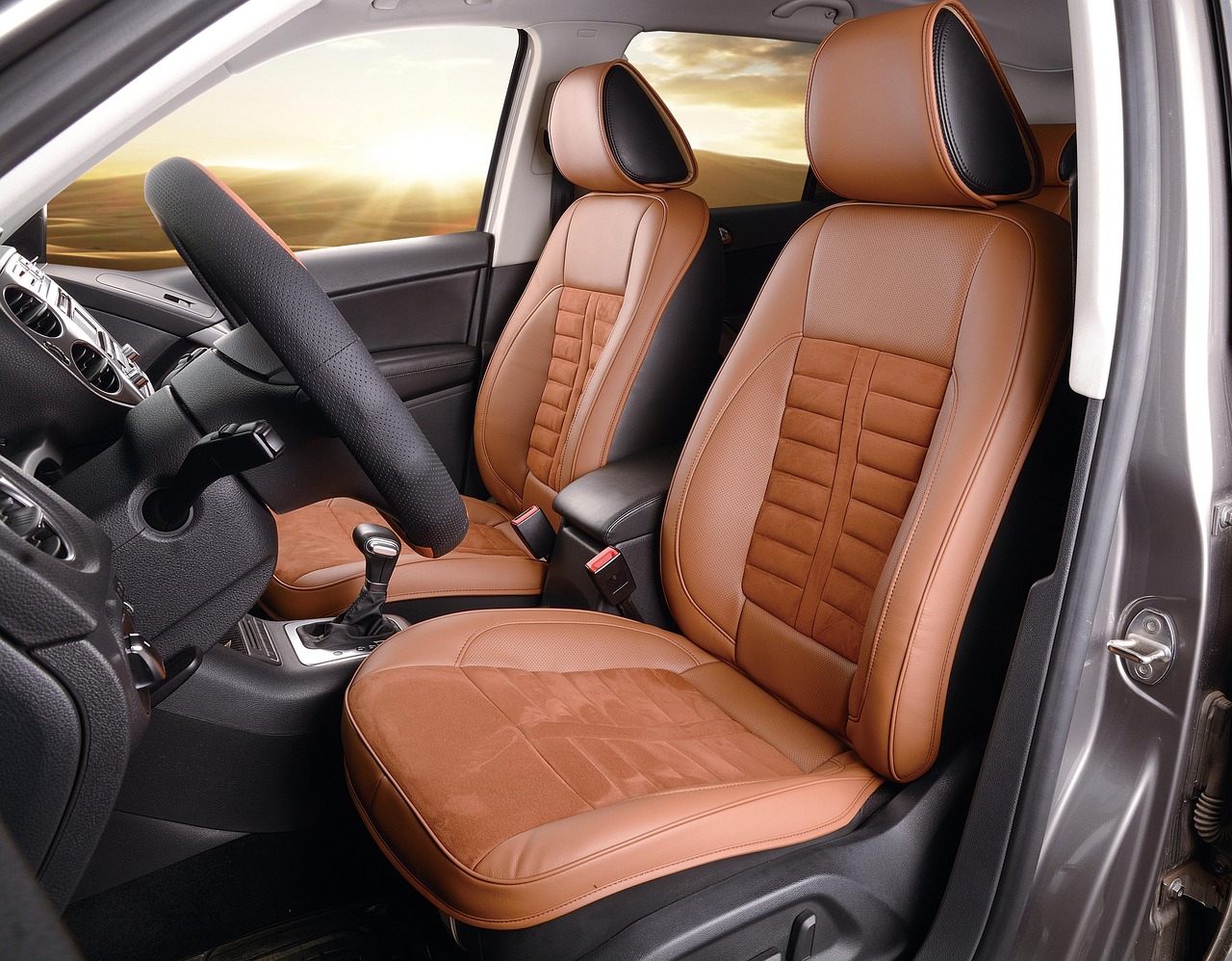
Beyond where bags live, the physical arrangement around the child car seat dictates how long a trip remains peaceful. Ensure that straps are properly adjusted before leaving home, but recognize that heavy winter coats or bulky layers compromise harness safety in modern vehicles. Dress children in tightly fitted layers rather than puffy outerwear so the five-point harness cinches correctly against their chest. If the vehicle cabin is cold initially, drape a lightweight blanket over the harness straps *after* the buckles are securely fastened, ensuring the child’s face remains uncovered at all times.
Furthermore, attach a secure, soft tether for favorite comfort items like pacifiers or small lovies. If these items fall out of reach, it triggers an immediate safety hazard if a parent attempts to fish them out while navigating heavy traffic at highway speeds. Securing items to the car seat prevents the “lost toy” panic cycle entirely. Regularly check that foot placement is comfortable, and consider a portable footrest if dangling legs cause restlessness or circulation discomfort over extended hours in the seat.
Strategic Rest-Stop Scheduling vs. Pushing Through
One of the most common pitfalls in family travel is the temptation to “make good time” by driving four or five hours straight. While this might work for adults, it is a recipe for disaster with young children. Bladders are smaller, cabin fever sets in faster, and sitting in a five-point harness for hours creates physical discomfort.
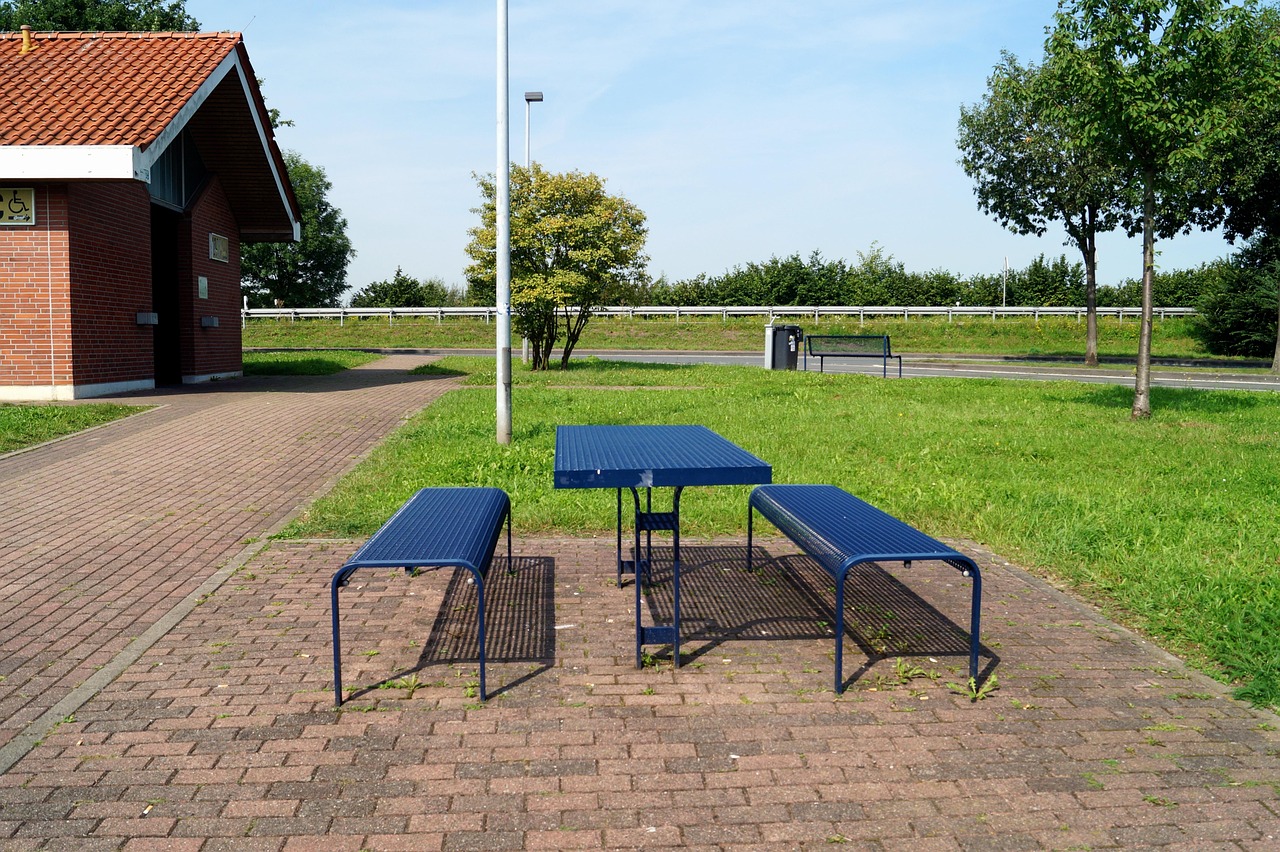
Instead of driving until someone cries, adopt a proactive rest-stop schedule. For toddlers and preschoolers, plan a stop every two to two-and-a-half hours. Do not wait for a fuel light or a hunger cue. Pull into a rest area, a park, or a family-friendly travel plaza on a set schedule.
- The Bathroom Reset: Even if a child insists they do not need to go, make a routine stop part of the cadence. It prevents emergency shoulder-of-the-highway stops later and builds predictable bodily habits during transit.
- The Physical Burn: Use rest stops to let kids run, stretch, and jump. Set a timer for ten minutes of active movement. This resets their nervous system and burns off pent-up physical energy. If you can find a rest stop with a small grassy area or playground equipment, prioritize those locations over simple gas station asphalt.
- The Driver Swap: If you are traveling with two adults, use these stops to stretch your legs, switch driving duties, or grab a fresh coffee. Rotating driving duties keeps both adults alert and prevents fatigue-induced friction between partners.
Transition Management: Getting Back Into the Car
The hardest part of a rest stop is often the transition back into the vehicle. Children naturally resist returning to confinement after experiencing freedom at a rest area. To minimize power struggles, establish a predictable routine at every stop. Give a verbal warning five minutes before leaving (“Two more trips down the slide, then we are buckling back up into the car”), offer a small boarding reward like a fresh sticker or a special piece of gum for older kids, and maintain a calm, unyielding boundary.
Consistency is your greatest ally here. If you negotiate or extend playtime repeatedly, children learn that resistance yields rewards, making subsequent stops exponentially more difficult. Acknowledge their disappointment without backing down from the schedule.
Managing Entertainment Without Overwhelming the Cabin
Screen time is often a polarizing topic, but on a grueling eight-hour drive, screens are a tool in the toolbox. The key is how you manage them. Handing a tablet to a child at mile ten means the novelty wears off long before you cross state lines. Furthermore, relying entirely on screens can lead to zombie-like zoning out or tantrums when devices must be charged or put away.
Instead, implement a phased entertainment schedule. Start the morning with low-tech engagement. Kids are naturally curious about the landscape early in the day. Point out trucks, cows, changing billboard signs, and bridges. Audiobooks and storytelling podcasts are fantastic for the middle hours of the trip because they engage the imagination without requiring visual focus, which can worsen carsickness.
Save tablets and movies for the final stretch of the journey—the dreaded “witching hour” when daylight is fading, parents are fatigued, and children are completely done sitting still. Ensure devices are fully charged the night before, download content offline so you do not lose streaming capability in remote cellular dead zones, and bring durable headphones designed specifically for young ears with volume-limiting technology to protect developing hearing.
Age-Based Entertainment Frameworks
Different developmental stages require distinct engagement strategies inside a moving vehicle:
- Toddlers (12–36 months): Focus on tactile, non-choking hazards. Board books with textured pages, suction-spinner toys attached to the side windows, and rotating collections of familiar objects wrapped in tissue paper (which they love to unwrap) work wonders. Keep items interchangeable so novelty is preserved across multiple days of travel.
- Preschoolers (3–5 years): Introduce magnetic pattern books, erasable drawing tablets, and simple audio-based games like “I Spy” or finding cars of a specific color or license plate state. These games encourage environmental observation rather than passive consumption.
- School-Age Children (6+ years): Audiobooks tailored to family listening, travel bingo cards, and personal journals or sketchbooks help anchor their attention over long stretches. Let older children help navigate using a dedicated kids’ road atlas if geography permits.
Snack Architecture: Avoiding Sticky Disasters
Food is currency on a road trip. It buys you quiet, fills restless bellies, and marks the passage of time. However, poorly chosen snacks turn your back seat into a sticky, crumb-filled hazard zone.
Avoid anything that melts easily (chocolate), shatters into microscopic shards (dry crackers or chips), or requires complex opening mechanisms. Opt for high-friction, low-mess foods that take a little time to eat but do not leave a permanent residue on upholstery. Cheese sticks, grapes cut lengthwise, pretzels, and dried fruit work exceptionally well. Avoid highly sugary snacks that trigger sudden energy spikes followed by severe behavioral crashes.
Portion control is crucial. Instead of handing over a giant bag of snacks that will inevitably be dumped upside down on the car seat, prep individual snack boxes or bento containers for each child before you leave. When a snack box is empty, that is a clear, visual indicator that they must wait until the next rest stop for more. Hydration requires a similar approach: offer water in spill-proof cups, but taper liquid intake roughly an hour before your planned arrival time to reduce the likelihood of urgent bathroom emergencies right as you pull into your destination.
Handling Carsickness and Medical Preparedness
Few things derail a road trip faster than unexpected motion sickness. If your child is prone to carsickness, preparation is far better than cleanup. Consult your pediatrician regarding safe, age-appropriate over-the-counter remedies if motion sickness is a chronic issue, and understand how to spot early warning signs like quietness, paleness, or complaints of a tummy ache. Keeping fresh air circulating through the vehicle cabin via cracked windows or climate control adjustments can also mitigate nausea triggers.
Keep a dedicated “cleanup kit” immediately accessible in Zone 2. This should include sealable plastic gallon bags, a roll of paper towels, disinfecting wipes, a spare change of clothes for the child, and even a spare shirt for the driving parent (because messes rarely stay contained). Place this kit where you can grab it in three seconds flat. Having to unpack luggage to find cleaning supplies during a mid-trip illness turns a stressful moment into an overwhelming crisis.
Beyond motion sickness, assemble a compact first-aid kit containing adhesive bandages, antiseptic wipes, pediatric pain relievers, and any prescription medications your family requires. Store this kit securely in your Daily Essentials bin so it is available without delay.
Weather and Route Contingency Planning
Even the best-laid travel plans encounter unexpected turbulence, ranging from sudden summer thunderstorms and snow squalls to major interstate construction delays. When traveling with young children, unpredictable delays test parental patience faster than anything else.
Mitigate weather risks by checking the entire route corridor—not just your starting point and destination—the evening before departure. Keep a paper map or offline GPS navigation backup downloaded on your phone, as cellular dead zones frequently coincide with mountain passes or rural stretches where weather shifts rapidly. If you hit a major standstill traffic jam, do not panic. Pull out a pre-allocated emergency audio story or break open a special surprise snack box to bridge the delay without resorting to screen fatigue.
Always build buffer time into your overall itinerary. If Google Maps estimates a six-hour drive, budget eight hours for the journey when traveling with young children. Accounting for unexpected stops, diaper changes, and traffic bottlenecks removes the frantic pressure to drive aggressively or rush your children during transitions.
The Night Before Checklist
The morning of a road trip is already high-stress. Minimize chaos by tackling these logistical steps the night before:
- Pack and load all non-essential luggage into the vehicle trunk (Zone 3).
- Pre-load the navigation route and check traffic apps for major construction or delays along your corridor.
- Fill water bottles and prep the individual snack boxes, placing them in the refrigerator ready to grab.
- Lay out clothes for both parents and children so nobody is hunting for shoes at 6:00 AM.
- Charge all entertainment devices and power banks fully, verifying that offline downloads are functioning without an active cellular connection.
- Inspect vehicle tire pressure, windshield wiper fluid levels, and overall fluid conditions to ensure mechanical reliability before departure.
Frequently Asked Questions
What is the ideal departure time for a family road trip?
Many parents swear by leaving either very early in the morning (around 4:00 AM or 5:00 AM) while children are still half-asleep and can transfer directly into their car seats in pajamas, or departing right after an early lunch to align with normal afternoon nap schedules. Choose the window that best matches your child’s natural temperament and sleep habits. Keep in mind that early morning departures allow you to cover significant distance before traffic intensifies, while afternoon departures leverage natural sleep cycles.
How do I handle bedtime arrivals during a long drive?
If you arrive at your hotel or destination late in the evening, try to maintain a semblance of your normal bedtime routine. Pack pajamas and toothbrushes in Zone 2 so you do not have to unpack suitcases in a dark parking lot. A quick transition straight into a calm sleep environment helps minimize overnight wake-ups caused by travel stimulation.
How can single parents manage long-distance car travel alone with young kids?
Solo driving with young children requires extra preparation. Pre-portion all snacks into individual containers beforehand so you never have to open packages while driving. Position a child-safe mirror to monitor rear-facing car seats without turning around. Plan more frequent, shorter stops at well-lit rest areas, and utilize audiobooks or interactive storytelling apps that keep children engaged while your full attention remains on the road.
By shifting your mindset from reactive firefighting to structured operational planning, long-distance car travel transforms from an intimidating ordeal into a manageable family adventure. Pack smart, pace your stops, and give yourself grace when the schedule inevitably shifts by twenty minutes.