When homeowners begin researching modern home improvements, switching to an on-demand water heater is often at the top of the list. The promise of endless hot water, reduced standby energy losses, and a compact wall-mounted footprint makes the technology deeply appealing. However, homeowners stepping into this upgrade often face a reality check once a licensed contractor evaluates the home’s infrastructure. Meeting strict tankless water heater upgrade requirements is rarely a simple one-for-one swap.
Traditional tank-style water heaters act like a slow-cooking crockpot, holding 40 to 50 gallons of water at a steady temperature over hours. When you turn on a hot water tap, that stored supply drains out while the burner or heating element slowly reheats the incoming cold water. Tankless units, by contrast, function more like a high-powered jet engine. They must instantly elevate the temperature of freezing winter groundwater by 70 degrees Fahrenheit or more at a flow rate of several gallons per minute. Delivering that much thermal energy on demand requires a massive surge of fuel or electricity, frequently pushing older home infrastructure past its design limits.
Understanding these infrastructural hurdles before purchasing equipment helps prevent budget overruns and ensures your new appliance functions safely. Whether you are leaning toward a natural gas unit or an electric model, examining your home’s gas line sizing, electrical service capacity, venting pathways, and total retrofitting labor overhead is essential for a smooth modernization project.
The Core Difference: Storage Versus On-Demand Demand
To understand why tankless water heater upgrade requirements are so stringent, you have to look at the physics of heat transfer. A standard residential gas tank heater typically burns between 35,000 and 50,000 British Thermal Units (BTUs) per hour. It burns that fuel over a relatively long period, heating the tank gradually. A typical mid-to-large residential gas tankless unit, on the other hand, is rated between 150,000 and 199,000 BTUs per hour.
That is roughly a fourfold increase in peak energy demand. If your existing gas supply piping was installed decades ago to feed a modest furnace, a cooktop, and a standard water heater, the main trunk line may simply not have the interior diameter required to deliver 200,000 BTUs safely to a single appliance location without starving other gas-burning fixtures in the house.
Electric units face a similar scaling challenge. While a standard electric storage tank draws around 4,500 watts (requiring a single 30-amp, 240-volt breaker), a whole-house electric tankless model can draw anywhere from 18,000 to 36,000 watts. That translates to a continuous draw of 75 to 150 amps. In many older American homes with 100-amp or even 150-amp main electrical services, dedicating that much amperage to a single appliance is mathematically impossible without a major electrical service upgrade.
Evaluating Gas Line Sizing for Tankless Systems
For homeowners sticking with natural gas or propane, evaluating gas line sizing for tankless water heater installations is the single most critical pre-installation step. If a contractor attempts to hang a 199,000-BTU tankless unit on an undersized half-inch black iron gas line that also feeds your furnace and dryer, the appliance will experience pressure drops. This can lead to frequent error codes, ignition failure, premature component wear, or dangerous incomplete combustion.
Most gas tankless water heaters require a dedicated three-quarter-inch gas line running directly from the gas meter or the main gas trunk line to the appliance inlet. If your home features older steel piping tucked behind finished drywall, running a new dedicated three-quarter-inch line can introduce significant labor overhead. Plumbers must calculate the total equivalent length of the pipe run, accounting for every elbow, tee, and valve that creates friction and reduces gas pressure.
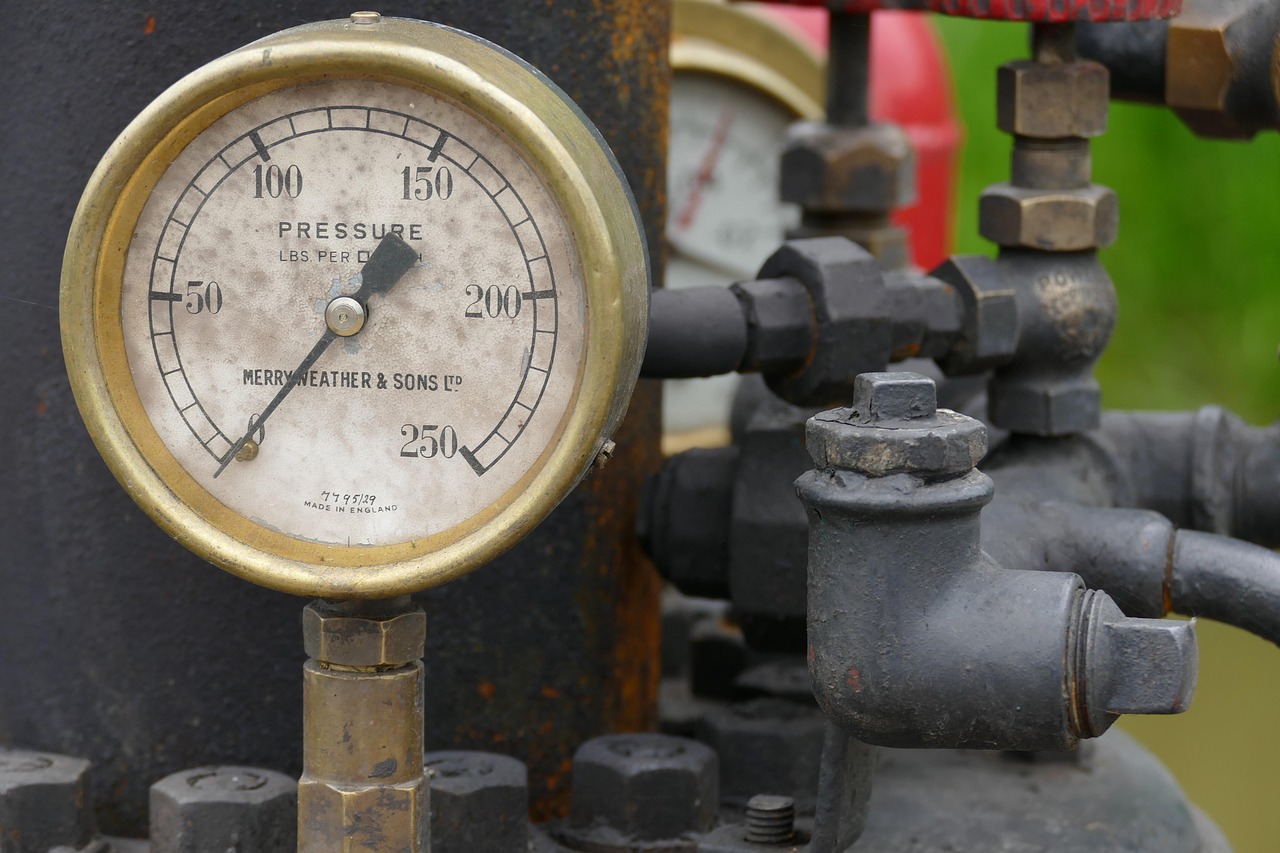
Beyond the diameter of the pipe, you must also verify that your utility-owned gas meter and gas regulator have the capacity to handle the combined peak load of all gas appliances running simultaneously. If your meter is rated for 250 cubic feet per hour, and your furnace, fireplace, stove, and new tankless water heater collectively push past that limit when everything kicks on at once, your local gas utility will need to upgrade your meter. Failing to check this can result in starved appliances and fluctuating gas pressures throughout the home.
Natural Gas Versus Propane Specifics
It is also worth noting the differences between natural gas and liquid propane (LP) systems when calculating fuel delivery. Propane delivers significantly more BTUs per cubic foot than natural gas, but LP systems rely on storage tanks and secondary regulators that must be properly sized to prevent pressure starvation during peak draw. If your home runs on propane, your tankless water heater will often require specialized conversion orifices and a dedicated secondary stage regulator capable of maintaining steady delivery pressure under high flow conditions.
Electrical Requirements for Electric Tankless Water Heaters
While gas tankless units require robust gas piping, electric tankless systems demand immense electrical infrastructure. Homeowners living in suburban developments or older urban homes often assume that upgrading to an electric tankless unit is simpler because it avoids venting requirements. Unfortunately, the electrical requirements for electric tankless water heater retrofits frequently shock homeowners when they see the contractor’s estimate.
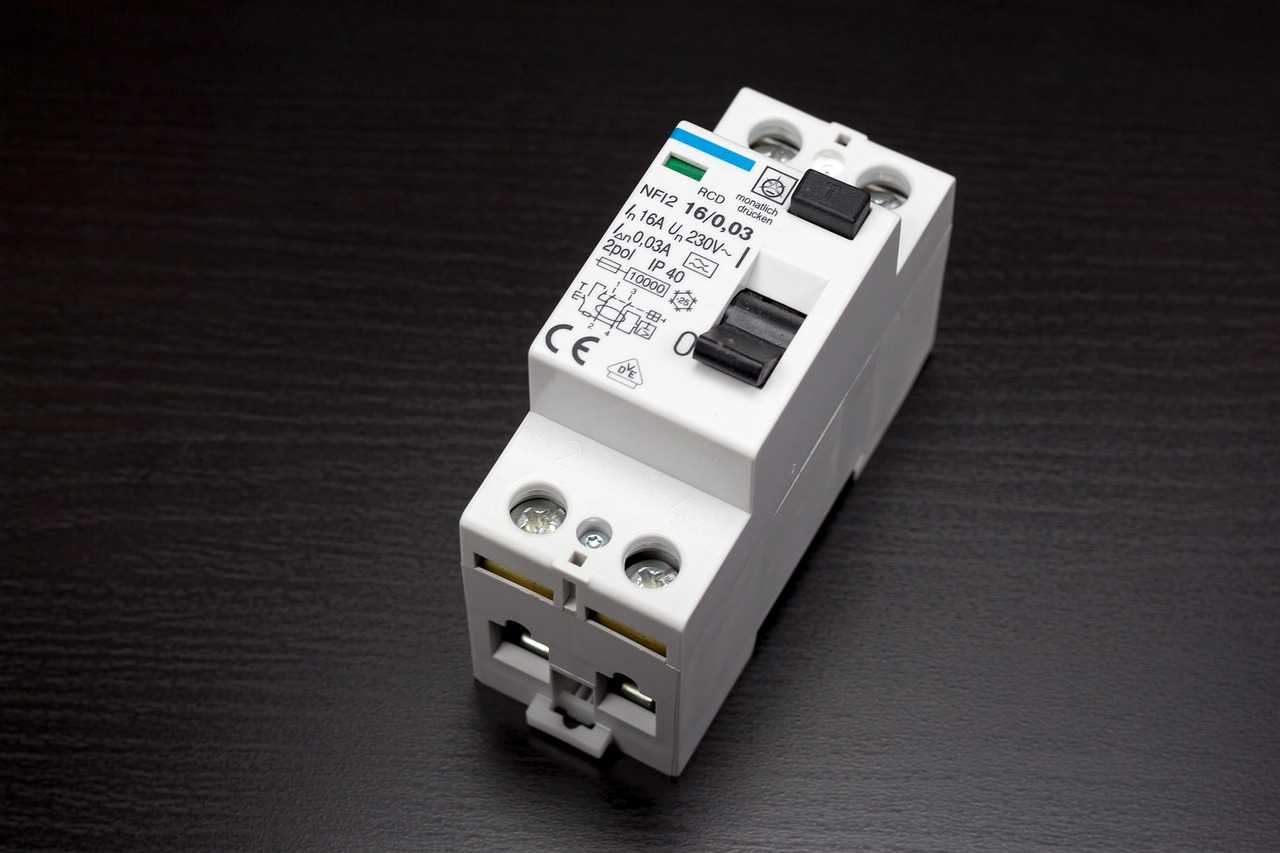
Consider what happens when you turn on a hot water shower in a household with a whole-house electric tankless unit. Multiple internal heating elements activate simultaneously to keep up with the flow. This instantaneous load can easily demand three separate double-pole breakers—often requiring three distinct 40-amp or 50-amp circuits running heavy gauge copper wire.
If your home’s main electrical panel only has 100 amps of total service, adding a 120-amp peak load for water heating exceeds your panel’s maximum capacity before you even turn on your air conditioner, electric range, or clothes dryer. In these scenarios, upgrading your home’s service from 100 amps to 200 amps (or sometimes 400 amps) is mandatory. This process involves coordinating with your local electric utility to drop a new service line, installing a new meter socket, replacing the main breaker panel, and adding a sub-panel dedicated solely to the heavy-draw water heating circuits.
The Role of Voltage and Dedicated Circuits
Electric tankless models require a continuous 240-volt supply. In homes with older wiring or knob-and-tube remnants, running new conduits through wall cavities to reach the water heater location requires specialized electrical labor. Each heating chamber within the unit operates independently, controlled by flow sensors and circuit boards that modulate power based on incoming water temperature and flow rate. Ensuring that your panel can safely deliver this high-amperage, dual-pole power without tripping breakers or generating excessive heat at the bus bar is critical for long-term safety.
Venting, Combustion Air, and Safety Clearances
Upgrading a gas-fired tankless water heater introduces another layer of complexity that tank-style units rarely require: specialized venting. Traditional atmospheric tank water heaters utilize standard metal draft hoods and rely on natural buoyancy to push exhaust gases up a shared masonry chimney or B-vent pipe.
Tankless water heaters are vastly more efficient, meaning the exhaust gas leaving the unit is much cooler. Because the exhaust lacks the thermal buoyancy of older systems, it cannot reliably rise up a passive chimney. Instead, modern gas tankless units require power-vented or direct-vent sealed combustion systems. These use heavy-duty stainless steel (such as Type 29-4C) or specialized PVC/PPs piping that must be routed directly through an exterior wall or straight up through the roof.
Running this new exhaust path requires core-drilling through exterior walls or concrete foundations, maintaining precise slope angles to drain condensation, and adhering to strict local building codes regarding clearances from windows, doors, and property lines. Furthermore, because tankless units pull immense volumes of combustion air, utility closets must often be retrofitted with dedicated high-and-low fresh air intake louvers to prevent dangerous negative pressure inside the home.
Water Quality, Hardness, and Scale Management
One of the most overlooked aspects of evaluating tankless water heater upgrade requirements is local water quality. Tankless units feature compact heat exchangers with narrow waterways where water is heated at a rapid rate. When hard water—water containing high concentrations of calcium and magnesium—passes through these hot channels, minerals rapidly precipitate out of solution and adhere to the metal surfaces as scale.
Scale acts as an insulating barrier, reducing thermal transfer efficiency, restricting water flow, and eventually triggering error codes or causing catastrophic heat exchanger failure. If your home has hard water (typically anything over 7 grains per gallon), installing a whole-house water softener is strongly recommended before commissioning a tankless unit. Additionally, professional plumbing installations must include an isolation valve kit with service ports. These valves allow you or a technician to isolate the unit and flush the heat exchanger with a mild descaling solution (such as food-grade white vinegar) on an annual basis.
The “Cold Water Sandwich” Phenomenon and Recirculation
Homeowners transitioning to tankless systems should also understand operational nuances like the “cold water sandwich.” When you turn on a hot water tap, turn it off briefly, and turn it back on a minute later, a short burst of lukewarm or cool water often rushes through the pipes. This occurs because the unit senses the initial drop in flow, shuts down the burner, and then experiences a minor delay reigniting when flow resumes. While modern units utilize advanced electronic bypass valves and mixing controls to minimize this effect, it remains an inherent characteristic of on-demand heating.
For larger homes where fixtures are located far from the mechanical room, waiting for hot water to travel through long pipe runs can lead to frustrating wait times. To solve this, homeowners often pair their tankless upgrade with an external dedicated or demand-controlled recirculation pump. A recirculation loop keeps warm water moving through the supply lines, ensuring instantaneous hot water at distant taps, though it requires extra piping, a dedicated return line (or clever use of cold water lines), and a small amount of continuous electrical energy.
Calculating Retrofitting Labor and Total Project Overhead
When evaluating tankless water heater upgrade requirements, the equipment purchase price is only part of the equation. The true cost of a retrofit lies in the labor required to weave modern high-demand infrastructure into an existing home’s framing and utility grid.
A simple swap—replacing an existing power-vented gas tank with a gas tankless unit in the exact same location, utilizing an existing dedicated gas line and compatible venting—can be completed in a single day. However, that scenario is rare in older housing stock. More commonly, a retrofit involves:
- Opening drywall to run a new three-quarter-inch gas line from the basement or crawlspace up to the utility room.
- Core-drilling exterior walls for dedicated direct-vent intake and exhaust termination kits.
- Upgrading electrical supply lines to accommodate electronic ignition boards and control pads (even gas tankless units require standard 120V household current for their internal computer boards and fans).
- Rewiring breaker panels or installing heavy electrical services for electric models.
- Modifying copper or PEX water supply lines, often requiring the installation of isolation valve flushing kits for routine descaling maintenance.
- Patching drywall, repairing exterior siding, and hauling away heavy old storage tanks.
When you combine these labor-intensive modifications with local permit fees and required electrical or plumbing inspections, the total project overhead can easily double or triple the baseline cost of the water heater unit itself.
Common Pitfalls and Mistakes to Avoid
Homeowners eager to modernize their plumbing systems sometimes fall into traps that lead to long-term headaches. Avoiding these frequent missteps will protect your investment:
Ignoring Water Quality: Skipping water softener evaluations or failing to budget for annual vinegar-flush maintenance will drastically shorten the lifespan of your unit in hard water regions.
Underestimating Simultaneous Use: Sizing a unit based solely on square footage rather than peak flow rate (GPM) leads to cold water surprises. If someone is running the dishwasher while two people take showers, an undersized unit will fail to keep up.
Skipping Permits: Because these upgrades alter structural gas, electrical, and venting systems, bypassing local building permits invalidates home insurance policies in the event of a failure and creates massive hurdles when you eventually try to sell your home.
Neglecting Combustion Air Requirements: Installing a gas tankless unit in a tightly sealed utility closet without adequate fresh air louvers can cause the unit to suffocate, producing carbon monoxide and tripping safety interlocks.
Frequently Asked Questions About Tankless Upgrades
Can I install an outdoor tankless water heater in a cold climate?
Outdoor tankless units are popular in mild regions, but in areas prone to freezing temperatures, exterior installations require specialized freeze protection kits, including electric heating pads for internal pipes and cabinet heaters. Most contractors in northern US climates recommend indoor installations to protect the unit from harsh winter weather.
How long do tankless water heaters last compared to tank models?
While traditional storage tank water heaters typically last 8 to 12 years before corrosion breaches the tank, a well-maintained tankless unit can last 20 years or more. Because internal components are modular and replaceable, individual parts can be serviced rather than discarding the entire appliance.
Do tankless water heaters work during a power outage?
Most gas tankless water heaters require electricity to power their internal computer boards, electronic ignition systems, and combustion blowers. If the power goes out, standard gas units will not produce hot water unless connected to a dedicated battery backup inverter or portable generator.
Making the Final Decision
Converting a traditional storage tank water heater to an on-demand system is a major infrastructure project rather than a routine appliance swap. By carefully auditing your home’s existing gas supply, electrical panel capacity, venting pathways, and water quality before purchasing equipment, you can approach your plumbing modernization with realistic expectations. Consulting a licensed plumber and a certified electrician early in the planning process ensures your home meets all necessary safety codes and delivers the reliable, endless hot water you expect.