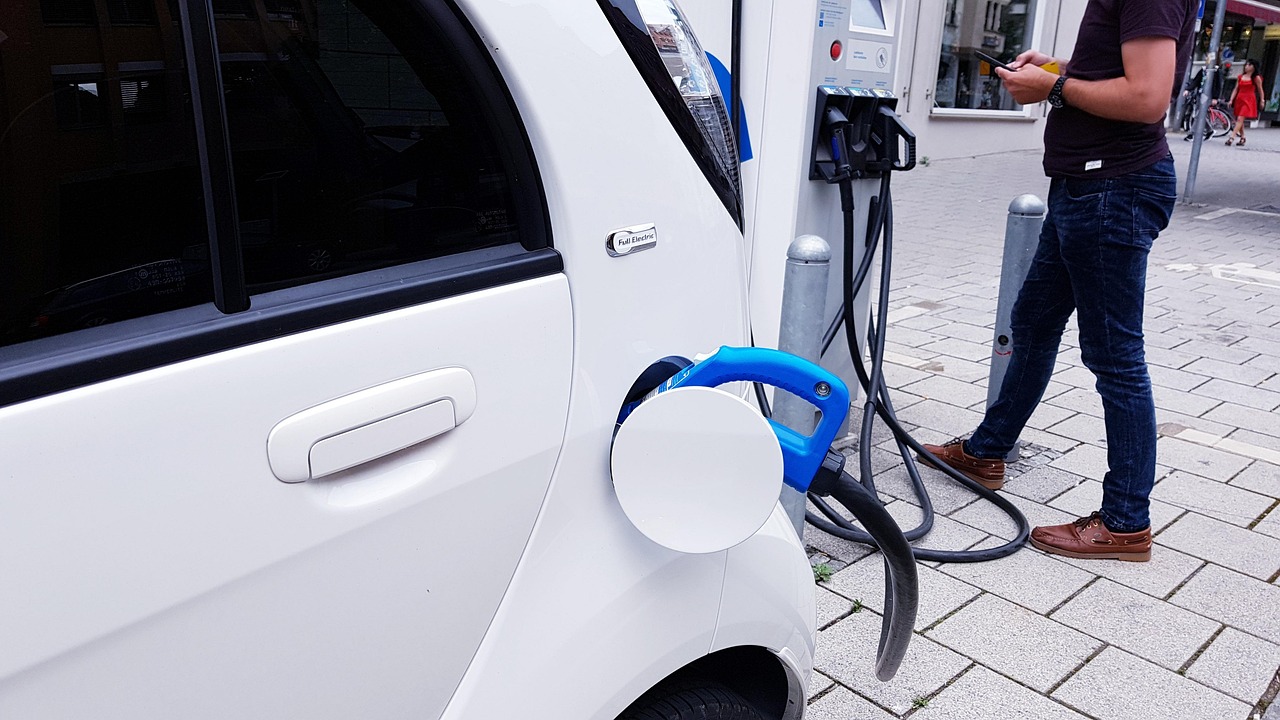
Switching from a traditional internal combustion engine vehicle to a pre-owned electric vehicle (EV) offers a powerful opportunity to cut daily commuting costs, minimize ongoing mechanical maintenance, and eliminate tailpipe emissions. However, maximizing your personal financial benefit requires understanding the full scope of modern incentive regulations alongside real-world hardware setup fees. Navigating used EV tax credit rules home charger installation cost US policies requires examining federal income caps, point-of-sale discount mechanics, Section 30C equipment credits, and residential electrical panel requirements.
By taking a comprehensive view of both upfront vehicle incentives and home infrastructure expenses, drivers can avoid costly budget surprises and build a realistic EV ownership savings calculation. Buying an affordable used electric car is only half the equation; powering it conveniently in your own garage or driveway requires strategic planning. This guide breaks down every financial and technical layer step by step, ensuring you know exactly what to look for on the dealer lot, in the IRS tax guidelines, and inside your home’s circuit breaker box.
Understanding the Federal Used EV Tax Credit (Section 25E)
The federal government provides a dedicated tax credit for pre-owned clean vehicles under Internal Revenue Code Section 25E. Commonly referred to as the Previously Owned Clean Vehicles Credit, this incentive was established under the Inflation Reduction Act to make entry-level electric transport accessible to a much broader audience of drivers across the United States.
The maximum credit value is equal to 30 percent of the vehicle’s sales price, capped at a maximum benefit of $4,000. Because the credit calculation is tied directly to the final contract price, any pre-owned EV selling for less than $13,333 will yield a credit equal to 30 percent of its exact price. Vehicles priced between $13,334 and the maximum qualifying ceiling of $25,000 receive the full $4,000 allowance.
Unlike incentives for brand-new EVs—which carry stringent North American final assembly rules and complex battery component sourcing thresholds—the pre-owned credit relies primarily on vehicle price, vehicle age, buyer income, and transaction history. Understanding these core levers ensures you don’t accidentally disqualify a car during your shopping process.
Buyer Eligibility: Income Caps and Tax Filing Rules
To qualify for Section 25E, individual taxpayers must fall beneath strict Modified Adjusted Gross Income (MAGI) thresholds established by Congress. These limits are non-negotiable and apply to either the tax year in which the vehicle is delivered or the immediately preceding tax year, whichever MAGI figure is lower:
- Married Filing Jointly or Surviving Spouse: $150,000 MAGI limit
- Head of Household: $112,500 MAGI limit
- All Other Filers (Single or Married Filing Separately): $75,000 MAGI limit
If your MAGI exceeds the cap in both the current calendar year and the prior calendar year, you are legally ineligible to claim the credit. Furthermore, the IRS stipulates that the buyer must be an individual purchasing the vehicle for personal use—not a business entity purchasing for commercial fleet operations or resale. You cannot be claimed as a dependent on someone else’s tax return, and you may only claim one Section 25E used EV tax credit every three calendar years.
Vehicle Eligibility Requirements
Not every used electric vehicle on a dealer’s lot qualifies for federal tax relief. The vehicle must meet several specific statutory criteria established by federal tax code before a buyer can apply for the benefit:
- Sale Price Limit: The negotiated purchase price must be $25,000 or less. This total includes all dealer fees, document prep fees, and mandatory options, but excludes government sales taxes, title fees, and vehicle registration fees.
- Vehicle Age Criteria: The model year of the vehicle must be at least two model years older than the calendar year in which it is purchased. For instance, in calendar year 2024, only model year 2022 and older vehicles qualify. In 2025, model year 2023 and older vehicles become eligible.
- First Qualified Transfer Rule: The credit can only be claimed once in a vehicle’s lifetime. The transfer to you must represent the vehicle’s first sale to a qualified buyer since April 16, 2023, excluding the original new-vehicle sale. A vehicle history report showing multiple retail transfers between private individuals or dealerships after that cutoff date will render the car ineligible.
- Battery Capacity: The vehicle must possess an onboard battery capacity of at least 7 kilowatt-hours (kWh). This threshold covers virtually all fully electric battery vehicles (BEVs) and many modern plug-in hybrid electric vehicles (PHEVs).
- Gross Vehicle Weight: The vehicle’s gross vehicle weight rating (GVWR) must be under 14,000 pounds, restricting the credit primarily to light-duty passenger cars, crossovers, and SUVs.
Dealership Requirements and Point-of-Sale Transfers
A transformative update to the federal tax credit framework is the introduction of point-of-sale credit transfers. Buyers no longer need to wait until filing their annual tax returns months later to receive their $4,000 savings. Instead, eligible buyers can transfer the credit directly to a registered dealership at the time of purchase. The dealer applies the $4,000 directly as a down payment, lowering the net purchase price or financed amount on the day you take key possession.
To execute a valid point-of-sale transfer, two strict operational requirements must be satisfied during the dealership transaction:
- Licensed Dealer Sale: Private-party sales between individual citizens do not qualify for Section 25E. The sale must be conducted by a licensed dealer holding a valid state, territorial, or tribal dealer license.
- IRS Energy Credits Online Registration: The selling dealership must be actively registered with the IRS Energy Credits Online portal. At the moment of purchase, the dealer must enter the vehicle identification number (VIN) into the portal, which verifies eligibility and generates a official IRS time-stamped seller report.
If a salesperson or finance manager offers to discount the vehicle price manually without submitting the VIN through the IRS portal, do not accept the deal if you intend to claim the credit. The IRS will automatically reject your Form 8936 filing during tax season if no matching dealer report exists in their system, leaving you personally liable for taxes on the unverified amount. Always demand a printed or digital copy of the approved IRS time-stamped seller report before signing final closing documents.
Evaluating Home Level 2 Charger Installation Costs
While securing a $4,000 discount on a pre-owned EV dramatically improves upfront affordability, long-term convenience hinges on your home charging strategy. Relying solely on a standard 120-volt Level 1 emergency wall outlet—which provides only 3 to 5 miles of range per hour of charging—is rarely sufficient for drivers with daily commutes over 20 miles. Transitioning to a 240-volt Level 2 home charging station dramatically speeds up charging, adding 20 to 40 miles of range per hour and allowing full battery top-offs overnight.
However, overall Level 2 installation costs vary widely depending on household electrical capacity, distance from the breaker panel to the vehicle parking spot, hardware preferences, and regional electrical labor rates. Understanding these baseline expenses prevents cash flow disruption after bringing your EV home.
| Expense Category | Typical Range (US Dollars) | Primary Cost Drivers |
|---|---|---|
| Level 2 Charger Hardware | $350 – $700 | Amperage rating (32A vs 48A), smart Wi-Fi functionality, app controls, cable length. |
| Basic Electrical Work & Wiring | $500 – $1,200 | Installing dedicated 240V circuit breaker, heavy copper wire run, conduit, receptacle. |
| Electrical Panel Upgrade (if needed) | $1,500 – $3,500 | Upgrading older 100-amp service to 200-amp, installing subpanel, utility drop updates. |
| Municipal Permits & Inspections | $50 – $300 | Local code compliance, electrical department filing, formal building safety sign-off. |
| Total Estimated Installation Range | $900 – $5,700 | Varies dramatically based on panel load capacity and home layout complexity. |
Hardware Selection: Plug-In vs. Hardwired Level 2 Stations
When selecting Level 2 EV charging equipment (often called EVSE, or Electric Vehicle Supply Equipment), you must decide between a plug-in unit (which plugs into a heavy-duty 240-volt NEMA 14-50 or NEMA 6-50 outlet) and a hardwired unit (where electrical wiring connects directly into the charger unit).
Plug-In Chargers (NEMA Receptacles): Receptacle-based systems offer mobility and easy replacement. If you relocate to a new home, you can simply unplug the charging unit and bring it with you. However, safety standards dictate that electricians install high-grade, commercial-quality receptacles (such as Hubbell or Bryant brands) rather than cheap residential-grade outlets. Basic outlets can melt or degrade when subjected to continuous high-amperage draws over 8 to 10 consecutive hours.
Hardwired Chargers: Electrical contractors generally recommend hardwired installations for safety, reliability, and maximum energy delivery. Hardwired units eliminate a physical plug-and-receptacle connection, eliminating a common point of thermal failure. Furthermore, hardwiring allows higher continuous electrical output (up to 48 amps on a 60-amp circuit breaker), whereas plug-in installations are capped by code at 40 amps maximum output on a 50-amp circuit.
The Electrical Panel Variable: 100-Amp vs. 200-Amp Service
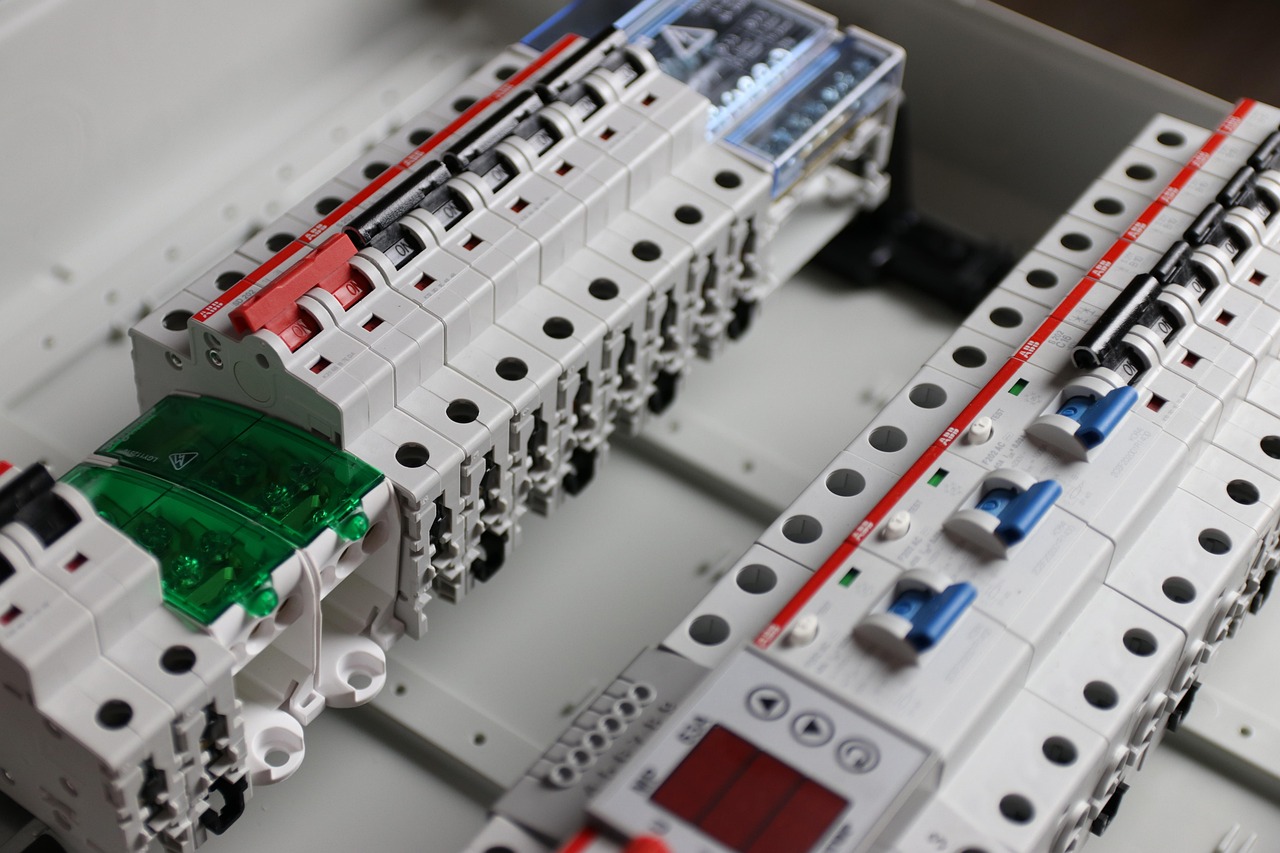
The single most impactful cost variable when setting up home charging is your property’s existing electrical service capacity. Electric vehicles draw substantial continuous electricity for hours at a time, requiring dedicated circuit breaker space and available electrical load capacity.
If your home was built before 1980 and retains its original 100-amp or 125-amp electrical panel, adding a 40-amp or 50-amp dedicated EV circuit breaker may overload the system when combined with existing major appliances like central air conditioning, electric ranges, clothes dryers, and water heaters. Prior to purchasing equipment, a licensed electrician should conduct a formal load calculation according to National Electrical Code (NEC) Section 220 rules.
If your load calculation shows insufficient capacity, you have three distinct engineering strategies to consider:
- Full Electrical Panel Upgrade: Replacing an outdated 100-amp main panel with a modern 200-amp panel. Costs typically run between $1,800 and $3,500, inclusive of union labor, master permit fees, materials, and coordination with your local power distribution utility.
- Smart Load Management Devices: An automatic load-shedding switch or smart load manager continuously monitors total household electricity draw. If major appliances switch on simultaneously, the smart switch automatically pauses or dials back EV charging speeds to keep main service safe. These units cost between $600 and $1,200 installed, serving as an economical alternative to a full panel replacement.
- Lowering Charger Operating Amperage: Selecting a Level 2 unit that can be internally adjusted to lower continuous amperage (such as 16 or 24 amps on a 20- or 30-amp circuit) allows you to charge safely on older panels, albeit at reduced recovery speeds (roughly 12 to 18 miles of range restored per hour).

Section 30C Alternative Fuel Vehicle Refueling Property Credit
To help offset out-of-pocket costs associated with home EV infrastructure, federal law provides a targeted tax incentive under Internal Revenue Code Section 30C, known as the Alternative Fuel Vehicle Refueling Property Credit.
Under Section 30C, qualifying homeowners can claim a tax credit equal to 30 percent of the total cost of purchasing hardware and paying for professional installation labor, up to a maximum credit cap of $1,000 for residential locations. This credit directly reduces your tax liability dollar-for-dollar when filing IRS Form 8911.
However, recent legislative updates impose geographic eligibility requirements on Section 30C claims. To qualify for the 30 percent credit, the residential property where the hardware is installed must be located in an eligible census tract classified under federal tax definitions as either:
- A low-income community census tract (defined according to Section 45D(d) New Markets Tax Credit guidelines), or
- A non-urban census tract (where the area is not classified as an urbanized area by the official U.S. Census Bureau classifications).
Before factoring the $1,000 Section 30C federal tax credit into your home upgrade budget, verify your home address using the mapping tools provided jointly by the IRS, Department of Energy, and Argonne National Laboratory. If your residence falls outside designated low-income or non-urban census tracts, you cannot claim the federal hardware tax credit.
State and Local Utility Incentives for Home Charging
Even if your residence does not qualify for federal Section 30C tax credits due to census tract restrictions, significant financial support remains available through state energy departments and regional electric distribution utilities. These local incentives frequently help bridges the cost gap for home equipment:
Hardware & Panel Rebates: Dozens of electric utilities across the country offer direct cash-back rebates ranging from $250 to $1,500 to offset Level 2 charger purchases or necessary panel upgrades. Many utilities mandate that you purchase an Energy Star certified