When planning a kitchen remodel or upgrading your kitchen appliances, ensuring high-quality ice production is often a top priority. Whether you are installing a high-end standalone under-counter unit or a panel-ready refrigerator with a high-capacity dispenser, water quality dictates both the performance of the appliance and the taste of the ice. Homeowners frequently wonder if a standard refrigerator filtration loop is enough, or if installing a built-in ice maker water filter as a dedicated secondary inline system is necessary to protect their investment.
Understanding the differences between localized refrigerator filtration and dedicated inline filtration systems requires looking closely at water chemistry, plumbing configurations, and ongoing maintenance realities. Hard water minerals, municipal disinfectants, and sediment loads can wreak havoc on precision mechanical valves and evaporator plates. This guide breaks down the technical differences, cost considerations, and maintenance demands of both approaches.
How Residential Ice Makers Handle Water Quality
Ice makers are surprisingly delicate appliances. Unlike a standard kitchen faucet that simply delivers water on demand, an automatic ice maker cycles water through tiny distribution tubes, delicate solenoid valves, and freezing molds repeatedly. As water freezes, impurities are pushed outward or trapped within the ice matrix. If your incoming water contains high levels of dissolved solids, calcium, magnesium, or chlorine, those minerals will quickly precipitate out.
Over time, mineral scale coats the internal components of the ice maker. This scale buildup restricts water flow, jams harvest mechanisms, and leads to hollow, misshapen, or foul-smelling ice cubes. Furthermore, municipal water supplies often use chlorine or chloramines for disinfection. While safe for drinking, these chemicals can degrade plastic components, cause unpleasant tastes, and react with trace metals in the plumbing lines.
Most modern refrigerators feature built-in carbon block filters designed to reduce chlorine taste, odor, and large particulate matter. However, these standard refrigerator filters are rarely engineered for heavy mineral reduction or scale inhibition. If you live in an area with hard municipal water or rely on a private well with high mineral content, relying solely on a standard refrigerator filter may leave your ice maker vulnerable to premature wear.
To truly grasp why standard internal filters sometimes fall short, it helps to examine the physical constraints of appliance design. Refrigerator manufacturers face strict space limitations when integrating filtration chambers. The filter must fit compactly inside the fresh food compartment or behind the toe kick grille. This physical footprint constraint inherently limits the volume of filtration media—such as activated carbon or specialized resins—that can be packed into the cartridge. Consequently, these filters excel at routine taste and odor polishing over a standard six-month replacement cycle, but they lack the heavy-duty media beds required to continuously condition mineral-heavy water before it enters the freezing cycle.
Standard Refrigerator Filtration Loops Explained
A standard refrigerator filtration loop typically consists of a single cylindrical carbon block cartridge housed inside the refrigerator compartment or tucked behind the lower kickplate. When you request water or ice, line pressure forces water through this single-stage filter immediately before it reaches the dispenser or ice mold.
These filters are rated primarily for aesthetic improvements—specifically reducing chlorine taste and odor, particulate class sediment, and sometimes specific volatile organic compounds (VOCs) or lead, depending on the certified cartridge rating. They are convenient because they are located entirely within the appliance housing, requiring no extra under-sink plumbing or cabinetry modifications.
However, standard refrigerator filters have distinct limitations:
- Limited Capacity: Because they must fit inside the refrigerator chassis, their physical size is restricted, usually limiting their effective lifespan to about six months or roughly 200 to 300 gallons of water.
- Surface Area Constraints: The internal media volume is relatively small, meaning they cannot process heavy mineral loads or provide long-term scale inhibition.
- Bypass Options: If your home already has a whole-house water softener or a reverse osmosis system, many manufacturers allow you to install a filter bypass plug in the refrigerator, eliminating redundant filtration.
Additionally, because refrigerator water lines often sit dormant for extended periods between uses, internal filters can occasionally experience bacterial growth or carbon fines settling if not flushed regularly. Understanding these operational boundaries helps clarify why many homeowners supplement or bypass standard appliance filtration in favor of dedicated upstream infrastructure.
The Role of Dedicated Inline Secondary Filters
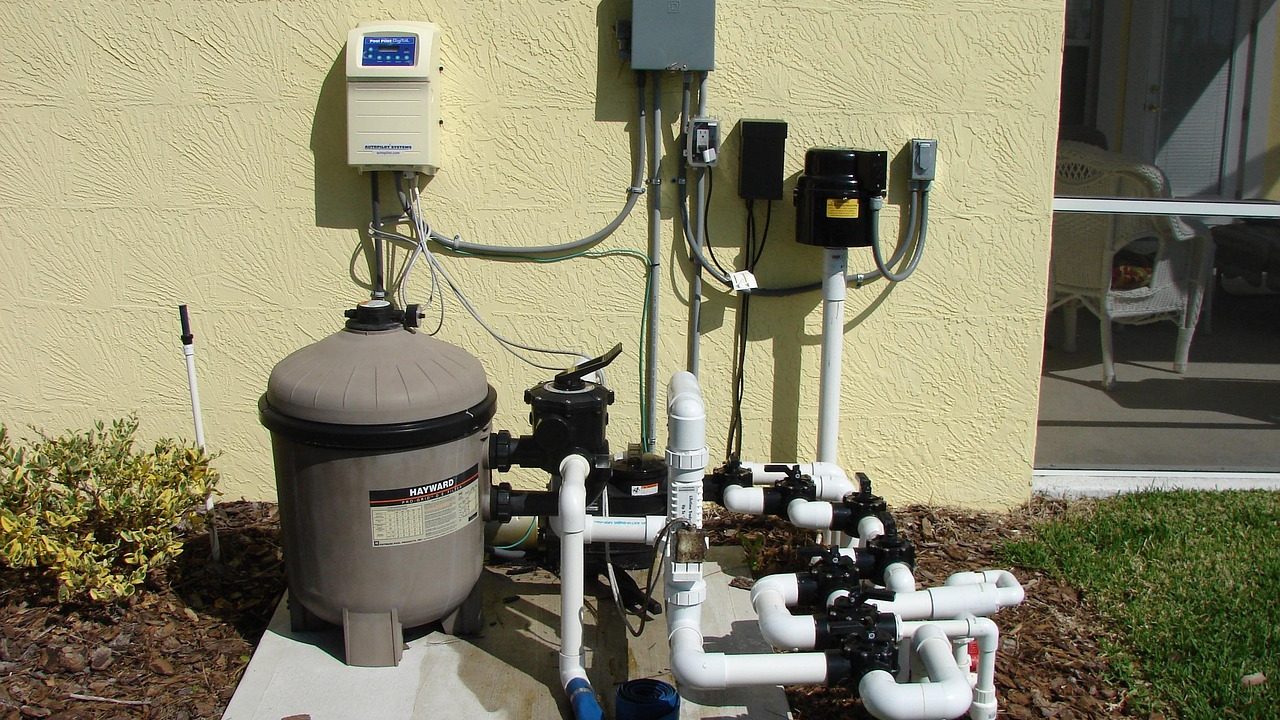
A dedicated inline water filtration system, by contrast, is installed externally on the 1/4-inch or 3/8-inch copper or PEX water supply line feeding the appliance. These systems are usually mounted to the wall under the kitchen sink or in the basement utility area directly upstream of the appliance connection.
Inline filters offer significantly greater design flexibility. They can range from simple granular activated carbon (GAC) inline tubes to multi-stage systems incorporating polyphosphate scale inhibitors, sediment pre-filters, and catalytic carbon. For high-end standalone commercial-style residential ice makers, manufacturers often specify strict incoming water quality parameters, making an inline secondary filter mandatory to maintain the product warranty.
Scale inhibition is perhaps the primary benefit of a dedicated inline system in hard water regions. Polyphosphate filters do not remove calcium and magnesium from the water; instead, they sequester these minerals, coating them so they cannot bond to metallic surfaces and form hard scale. This keeps evaporator plates clean and ensures harvest cycles operate smoothly for years without requiring chemical descaling treatments.
When selecting an inline system, homeowners should look for certifications such as NSF/ANSI Standard 42 (for aesthetic effects like chlorine and taste reduction) and Standard 53 (for health-related contaminants). Furthermore, matching the micron rating of the filter to your specific water source is critical. A 5-micron sediment pre-filter can effectively capture fine sand, rust flakes, and pipe scale originating from older municipal mains or private well pumps before those abrasive particles reach delicate ice maker solenoids.
Comparing Water Clarity and Taste
Water clarity is the ultimate test of an ice maker filtration setup. Cloudy ice is typically caused by trapped air bubbles or high concentrations of dissolved minerals. While a standard carbon filter removes chlorine and sediment, it does not remove dissolved calcium or magnesium, meaning hard water will still produce cloudy or brittle ice cubes.
To achieve restaurant-quality clear ice, water must either be exceptionally pure—such as water treated by a reverse osmosis system—or processed through specialized directional freezing techniques. However, an inline filtration system can drastically improve clarity and taste by removing fine sediments and organic compounds that standard refrigerator filters might miss due to their higher flow rates and compact media beds.
Taste is another critical factor. Ice acts as a flavor sponge in a freezer, absorbing odors from surrounding foods. When the water supplying the ice maker is free of chlorine and sulfur compounds, the ice itself tastes neutral, ensuring that beverages are not tainted by off-flavors. Both standard refrigerator filters and quality inline filters generally handle chlorine reduction effectively, but inline systems often feature larger media volumes that maintain consistent chemical reduction over a longer period.
It is also worth noting that volatile organic chemicals and agricultural runoff can occasionally alter municipal water profiles seasonally. An inline filter with a robust catalytic carbon stage handles chloramines and stubborn organic tastes far more reliably than smaller appliance cartridges, ensuring that your beverages taste clean regardless of municipal treatment shifts throughout the year.
Scale Prevention and Appliance Longevity
Appliance longevity is where the financial justification for a dedicated inline filter becomes apparent. Built-in ice makers feature complex electronic controls, water pumps, spray arms, and evaporator grids. Scaling on these components leads to expensive service calls, component replacements, or total appliance failure.
In moderate to hard water zones, calcium carbonate deposits accumulate rapidly on heating and cooling surfaces. When an ice maker cycles repeatedly, water evaporates on the freezing plate, leaving behind concentrated minerals. Over months and years, this crust builds up until the machine can no longer harvest ice properly.
While you can periodically flush residential ice makers with commercial descaling solutions or food-grade citric acid, prevention is far superior to remediation. An inline filter equipped with scale-inhibiting media prevents the crystalline growth of minerals, protecting internal valves and tubing from premature degradation. If your local water hardness exceeds 7 grains per gallon (gpg), a dedicated scale-inhibiting inline filter is a smart preventative measure.

Ignoring scale buildup can also lead to electrical issues. As calcium crust bridges across electronic sensors or restricts valve seating, solenoids can overheat trying to actuate against blocked pathways. Investing in a proper inline water conditioning stage shields these internal electromechanical assemblies, significantly extending the operational window of your ice-making equipment without requiring frequent professional teardowns.
Cost, Installation, and Maintenance Trade-Offs
Choosing between a standard refrigerator filter and a dedicated inline system involves balancing upfront installation effort, replacement cartridge costs, and long-term maintenance convenience.
Standard refrigerator filters are designed for consumer replacement. You simply twist out the old cartridge from inside the fridge and twist in the new one. No tools are required, and there is minimal risk of plumbing leaks. However, OEM (original equipment manufacturer) refrigerator replacement filters can be notably expensive, often costing between $40 and $70 per cartridge, with recommended changes every six months.
Inline filters require basic plumbing integration. You must cut the supply line, install compression fittings or push-to-connect valves, and mount the filter bracket securely to a cabinet wall. While this requires a bit of DIY skill or a brief service call from a plumber, the replacement cartridges for standard inline filter housings are often significantly less expensive than proprietary refrigerator cartridges, sometimes costing as little as $15 to $30.
Furthermore, inline filter cartridges often have a much higher gallon capacity—ranging from 1,000 to 10,000 gallons—meaning they only need to be replaced once a year rather than every six months. This lower frequency of maintenance offsets the initial installation complexity for many homeowners.
When calculating the total cost of ownership over a five-year period, homeowners frequently discover that the higher initial hardware cost of an inline housing unit is quickly offset by cheaper replacement cartridges and reduced risk of costly ice maker repairs. However, accessibility must be considered: if your inline filter is tucked deep beneath a cramped sink cabinet or behind heavy pantry built-ins, routine filter changes can become an inconvenient chore.
Plumbing Best Practices and Installation Considerations
If you decide to install an independent inline filtration system for your ice maker, proper plumbing technique is vital to prevent leaks and ensure optimal flow rates. Always install an accessible quarter-turn shut-off valve immediately upstream of the filter housing. This allows you to cut off water flow instantly during cartridge replacements without needing to shut off the main water supply to the entire house.
Pay close attention to tubing materials. While flexible polyethylene or braided stainless steel supply lines are common, ensure that any tubing utilized meets local plumbing codes and manufacturer specifications for working pressure. Avoid overtightening plastic compression fittings, as excessive torque can crack the housing threads or deform ferrule rings, leading to slow, hidden leaks behind cabinetry.
Finally, always flush a new inline filter cartridge according to the manufacturer’s instructions before connecting the outlet line to the ice maker. Running the initial few gallons of water into a bucket clears out loose carbon fines and prevents particulate debris from clogging the tiny inlet screens inside your ice maker’s water valve.
Decision Framework: Which Setup Do You Need?
To determine whether your home requires a dedicated inline secondary water filtration system or if a standard refrigerator filter is sufficient, evaluate the following four factors:
- Local Water Hardness: Obtain a water quality report from your municipal utility or test your tap water. If hardness exceeds 7 gpg, prioritize a scale-inhibiting inline filter.
- Appliance Manufacturer Specifications: Check the user manual for your specific built-in ice maker or refrigerator. High-end brands like Scotsman, Hoshizaki, or Sub-Zero often explicitly require specific water quality standards or void warranties if scale damage occurs.
- Existing Whole-House Systems: If your home already utilizes a whole-house water softener, sediment filter, or reverse osmosis system, your water may already be pre-treated, rendering additional inline filtration unnecessary.
- Space and Access: Consider where the water line runs. If the appliance is located far from the water source or in an island without easy under-sink access, routing an inline filter may be impractical.
By weighing these practical considerations against your household’s ice consumption and local water profile, you can establish a reliable, cost-effective filtration setup that protects your investment and ensures crystal-clear ice for years to come.
Frequently Asked Questions
Can I use both a refrigerator filter and an inline filter at the same time?
Yes, many homeowners do this, especially if their municipal water has heavy chlorine as well as high mineral content. However, running water through two high-restriction carbon filters in series can significantly drop your water line pressure, which may interfere with proper ice maker fill cycles. If you use both, ensure your water pressure meets the appliance manufacturer’s minimum PSI requirements.
How do I know if my ice maker has mineral scale damage?
Common signs include cloudy or misshapen ice cubes, a slower-than-normal ice production rate, unusual buzzing noises from the water inlet valve during a fill cycle, or visible white crust accumulating around the ice mold and distribution tray.
Does a reverse osmosis system eliminate the need for an ice maker filter?
Generally, yes. A reverse osmosis (RO) system removes nearly all dissolved solids, chlorine, and minerals. If your ice maker is plumbed directly to an RO system, you should use a refrigerator filter bypass plug and ensure your RO storage tank maintains sufficient water pressure for the ice maker.