When your overhead garage door suddenly stops responding, leaving your car trapped inside or your home unsecured, finding an immediate replacement becomes a top priority. Brand-new retail units from major manufacturers can easily cost several hundred dollars, driving budget-conscious DIYers toward alternative options. If you are browsing online marketplaces or looking for a discounted deal, you will likely encounter factory-certified renewed models, open-box returns, and professionally rebuilt units. Navigating this marketplace safely is the purpose of this refurbished garage door opener buyer guide, designed to help you separate legitimate bargains from electronic ticking time bombs.
Buying a pre-owned or rebuilt mechanical appliance for your home always requires a careful risk-to-reward calculation. Unlike a toaster or a blender, an automatic garage door opener is a heavy-duty, ceiling-mounted machine under constant physical tension. It relies on a high-torque electric motor, precision gears, limit switches, and sensitive radio-frequency logic boards to lift hundreds of pounds of wood or steel multiple times a day. Saving fifty or a hundred dollars upfront makes sense only if the underlying hardware has enough service life left to justify the installation effort.
In this guide, we will break down exactly what happens during the factory refurbishing process, how to evaluate internal wear items like belt-drive gears and logic boards, what manufacturer warranties actually cover, and whether buying used or renewed units makes financial sense for your next weekend project.
Understanding the Refurbishing Process: What Does ‘Renewed’ Mean?
The term ‘refurbished’ can mean several different things depending on who is selling the unit. In the consumer electronics and appliance industries, refurbished products generally fall into two distinct categories: manufacturer-certified and third-party rebuilt. Understanding the difference is the first step toward making a smart purchase.
Manufacturer-certified units usually originate as customer returns, minor transit-damaged boxes, or units pulled from display floors. The original maker—such as Chamberlain, LiftMaster, Genie, or Craftsman—inspects the unit, replaces any visibly damaged cosmetic housing, tests the electrical components, and repackages it with standard accessories like safety sensors and wall buttons. These units often look and perform almost identically to brand-new retail models. They typically undergo standardized bench testing to ensure the motor pulls the correct amperage under a simulated load, and any missing hardware is replenished with genuine OEM (Original Equipment Manufacturer) components before hitting the secondary sales channel.
On the other hand, third-party rebuilt units are often salvaged from older installations, stripped down, cleaned, and resold by independent liquidators or online repair shops. These machines may contain a mix of original worn components and generic replacement parts. A third-party rebuilder might swap out a dead capacitor or a stripped gear, but they rarely test the long-term thermal stability of the motor windings or recalibrate the sensitive electronic limit switches. While third-party units are frequently the cheapest option available, they rarely come with official manufacturer backing, meaning spare parts availability can become a major headache if something fails down the road.
When evaluating listings, read the fine print carefully. Look for terms like “Factory Certified Refurbished” or “Manufacturer Refurbished” rather than vague descriptions like “Tested Working” or “Seller Refurbished.” The former guarantees that factory-trained technicians touched the unit, whereas the latter often means a garage reseller simply plugged it into an outlet to verify that the light bulb turned on.
Evaluating Motor Longevity: AC vs. DC and Internal Gear Wear
The electric motor is the heart of any garage door system. When evaluating a pre-owned operator, you need to understand whether you are looking at an alternating current (AC) motor or a direct current (DC) motor, as their wear profiles differ significantly.
Traditional AC motors are built like tanks. They feature heavy copper windings and mechanical start switches that can last for decades. However, they are louder, vibrate more, and offer fixed operating speeds. A refurbished AC motor is often structurally sound because the core electrical components rarely wear out unless subjected to severe power surges, persistent moisture exposure, or continuous overheating from an unbalanced door. AC motors rely on centrifugal switches and start capacitors to kickstart rotation; if a refurbished unit has been sitting in a damp warehouse for months, these capacitors can dry out or lose their microfarad rating, requiring a cheap but annoying DIY repair right out of the box.
DC motors, conversely, are prized for their smooth, soft-start and soft-stop capabilities, which reduce mechanical stress on the entire door assembly, cables, springs, and tracks. Modern DC operators rely heavily on integrated circuit boards to regulate motor speed and torque. While the DC motor itself can last a long time because it uses permanent magnets and fewer mechanical contacts, the electronic components managing it are much more vulnerable to voltage fluctuations, lightning strikes, and ambient heat buildup inside uninsulated garages.

Regardless of the motor type, internal gear assemblies represent the most common point of mechanical failure. Inside belt-drive and chain-drive openers, a worm gear attached to the motor shaft turns a larger plastic or nylon drive gear. Over years of operation, these teeth wear down, strip, or crack under the weight of an unbalanced door. When buying a refurbished unit, ask the seller whether the internal drive gear assembly has been inspected or replaced. A unit with a worn gear will fail shortly after installation, negating any initial cost savings.
Furthermore, examine the grease lubrication inside the gear housing. Over time, original lithium or silicone grease breaks down, hardens, or collects dust and metal shavings. A thorough factory refurbishment should include cleaning out the old grease and applying fresh, high-temperature lubricant to the gear train. If you purchase a unit where this maintenance was skipped, running the motor dry will strip the nylon gear teeth within a few months of daily operation.
Belt-Drive Gear Wear and Rail Integrity
Drive mechanisms come in three main varieties: chain, belt, and screw. For homeowners prioritizing quiet operation, belt-drive systems are the gold standard. However, buying a refurbished belt-drive operator introduces unique considerations regarding the belt and the rail assembly.
Steel-reinforced rubber belts are durable, but they can dry out, fray, or stretch over extended periods in uninsulated garages subject to extreme temperature swings. If a refurbished unit includes a used rail and belt, inspect the rubber for micro-cracking, dry rot, or separation around the steel cables embedded inside. A snapped belt will leave your door completely immobile until replaced, and buying a proprietary replacement rail assembly can easily cost as much as a brand-new, entry-level opener.
Furthermore, pay close attention to rail sections that ship in multiple pieces. Many retail and refurbished units use sectional rails to fit inside smaller shipping boxes. If a pre-owned sectional rail has been bent, dropped, or improperly tensioned during its previous life, it will cause the trolley to bind, putting unnecessary strain on the motor carriage and creating an annoying grinding noise every time the door moves. Always check that the inner trolley slide is made of sturdy metal or reinforced composite; worn-out trolley slots will cause the belt or chain to ride unevenly, leading to premature snapping.
When installing a used rail system, verify that the tension spring at the end of the rail is intact and correctly adjusted. Overtightening the belt to compensate for a sagging rail will put constant strain on the motor’s output shaft, eventually warping the bearings and creating a high-pitched squeal during travel.
Circuit Board Longevity and Electronic Vulnerabilities
Modern garage operators are essentially small computers. They manage safety reversal sensors, rolling-code remote controls, Wi-Fi connectivity for smartphone apps, and battery backup systems. Unfortunately, electronic components are also the most fragile part of any garage door opener.
Power surges from summer thunderstorms or nearby grid fluctuations are the primary killer of logic boards. When people return garage door openers to retail stores, a surprising percentage of those returns are actually units that suffered minor lightning or surge damage during a storm. If a refurbisher simply tests the motor by spinning it on a workbench without verifying the stability of the logic board’s logic circuits and radio receivers, you might inherit a unit that intermittently loses programming, drops its Wi-Fi connection, or fails to respond to wall buttons.
When evaluating a renewed unit, check whether the seller explicitly states that the logic board was tested under load or replaced. If the unit relies on older radio frequencies, upgrading remotes or integrating with modern smart-home hubs may also prove difficult or costly. For example, older units operating on 315 MHz or 390 MHz frequencies can suffer interference from modern LED garage lights or home automation devices, requiring external antennas or aftermarket receiver modules.
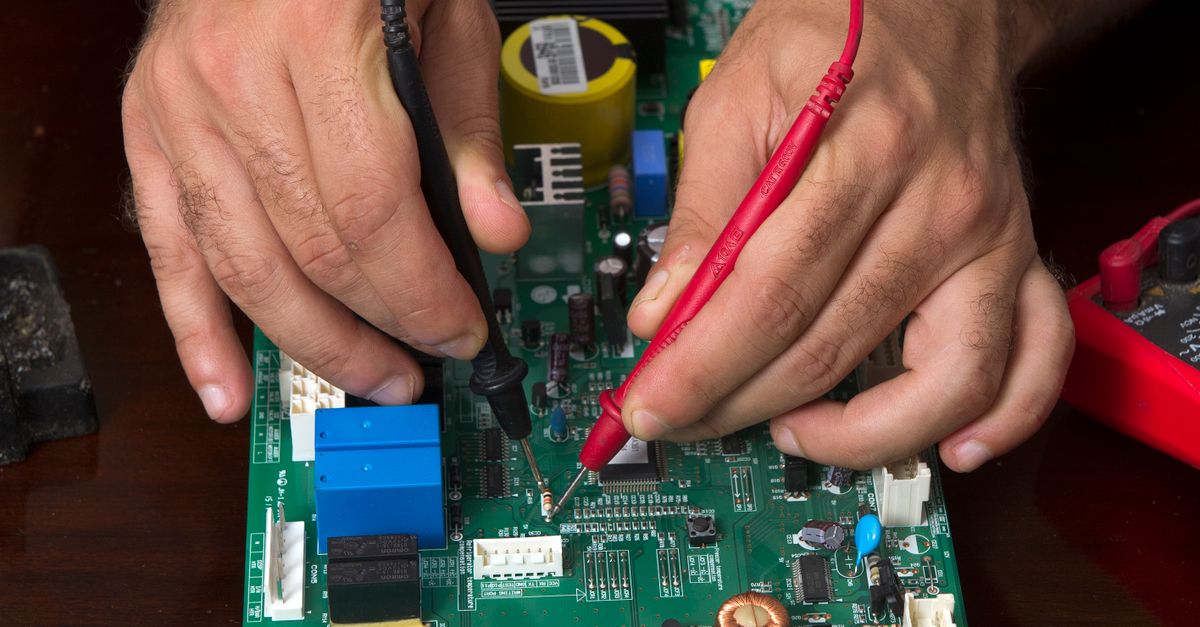
Additionally, pay attention to the transformer mounted on the logic board. The transformer steps down 120V household current to low-voltage power for the wall console and safety sensors. If the transformer sustained damage from a previous electrical short, it may run dangerously hot or fail intermittently, causing your safety sensors to drop power and prevent the door from closing.
Warranty Protection: Comparing New Retail to Renewed Units
The single biggest advantage of purchasing a brand-new garage door opener from a reputable home improvement retailer is the manufacturer warranty. Premium new models often feature lifetime warranties on the motor and belt, alongside multi-year coverage for parts and accessories.
Refurbished units, by contrast, typically carry severely truncated warranties. Manufacturer-certified refurbished models usually offer a 90-day to one-year limited warranty. Third-party rebuilt units might only offer a 30-day seller guarantee or no warranty at all. Consider what happens if the motor fails six months down the road: with a new unit, you can file a claim for a replacement motor; with a budget refurbished unit, you are likely buying another machine from scratch.
Always read the fine print regarding labor costs. Manufacturer warranties almost never cover professional installation or removal labor. If a defective refurbished unit fails after you spend two hours hanging it from your garage ceiling, you will still have to unbolt it, box it up, ship it back at your own expense, and wait weeks for a resolution—all while manually lifting your garage door every time you leave the house. Furthermore, third-party warranties often exclude electronic components, meaning if the logic board fries, you absorb 100% of the replacement cost.
Comprehensive Pre-Installation Inspection Checklist
Before you mount a refurbished garage door opener to your ceiling, take the time to perform a rigorous physical and electrical inspection on the workbench. Doing this saves you the frustration of discovering a defect after installation.
- Examine the motor housing: Look for hairline cracks in the plastic casing, signs of overheating around the ventilation slots, or rust on internal metal plates.
- Check the output shaft: Manually spin the output shaft or sprocket. It should rotate smoothly with zero side-to-side play or grinding noise in the bearings.
- Inspect wiring harnesses: Ensure all internal wire connectors are firmly clipped, insulation is unfrayed, and there are no signs of scorching around the transformer or relay switches.
- Verify accessory inclusion: Confirm that safety photo-eyes, mounting brackets, curved and straight door arms, wall buttons, and at least one remote control are present in the box.
- Test the emergency release: Pull the red manual release cord to ensure the latch mechanism springs back and locks securely into the trolley carriage.
Common DIY Mistakes When Buying and Installing Used Operators
Homeowners venturing into the used or refurbished appliance market frequently make a few avoidable errors that turn a budget project into an expensive headache. Recognizing these pitfalls helps protect your time and money.
- Ignoring door balance: Installing any opener—new or refurbished—on a garage door with worn-out extension springs or high friction will quickly burn out the motor. Always test your door’s balance manually before hanging a new motor; a properly balanced door should stay half-open on its own.
- Overlooking missing safety sensors: Federal regulations require photo-eye safety reversal sensors. Ensure any refurbished kit includes working sensors and mounting brackets, as buying proprietary replacement sensors separately eats into your savings.
- Failing to check accessories: Verify whether remotes, wireless keypads, and wall control panels are included in the refurbished package. Purchasing OEM replacement accessories can add fifty dollars or more to your total cost.
- Skipping surge protection: Plugging an expensive or sensitive electronic appliance directly into a standard outlet without a dedicated surge suppressor leaves your new investment vulnerable to the exact hazard that likely killed the previous owner’s unit.
Weighing Total Cost of Ownership: Is the Discount Worth It?
To determine if a refurbished garage door opener makes financial sense, you must calculate the total cost of ownership over a three-to-five-year window. Suppose a brand-new, highly rated belt-drive opener costs two hundred and fifty dollars and comes with a lifetime motor warranty. A factory-certified refurbished model of the exact same brand costs one hundred and fifty dollars, saving you one hundred dollars upfront, but comes with a strict six-month warranty.
If the refurbished unit operates without issue for seven years, you successfully beat the odds and saved money. However, if the logic board fries in month eight—just past your warranty coverage—you will have to purchase a replacement logic board for eighty dollars or buy an entirely new machine, wiping out your initial savings entirely. For homeowners who value peace of mind, guaranteed reliability, and hassle-free support, the modest price premium of a brand-new unit is usually money well spent.
You must also factor in your own time. If a refurbished unit malfunctions due to a faulty internal component, your labor investment doubles because you have to uninstall, troubleshoot, reinstall, or replace the entire system. For busy homeowners, the value of leisure time often outweighs the hundred-dollar savings of a renewed machine.
Frequently Asked Questions About Renewed Garage Operators
Can I use universal remotes with a refurbished garage door opener?
Yes, most modern garage operators accept universal remote controls and keypads, provided you purchase a remote that matches your opener’s radio frequency or is explicitly stated as universal. However, older units may require an external plug-in receiver if their internal radio board is outdated or failing.
Are refurbished garage door openers compatible with smartphone apps like MyQ or Aladdin Connect?
It depends on the specific model and whether the integrated Wi-Fi module on the logic board is fully functional. If the previous owner experienced a power surge that fried the Wi-Fi chip, the smart connectivity features may not work even if the motor itself runs perfectly.
How can I tell if a refurbished motor has been overused?
Check the manufacturing date code stamped on the motor housing label alongside the ventilation grates. If the unit is more than eight to ten years old, its internal grease, capacitors, and starting switches are near the end of their design life, regardless of how lightly the seller claims it was used.
Final Decision Framework for Budget Homeowners
Choosing between a new retail operator and a refurbished alternative ultimately comes down to your personal risk tolerance, technical comfort level, and budget constraints. If you are a handy DIYer who understands basic electrical wiring, feels comfortable troubleshooting limit switches, and has a backup plan if a unit fails, a factory-certified refurbished opener from a trusted brand can be a fantastic way to stretch your repair dollars.
Conversely, if you rely heavily on your garage door as the primary daily entrance to your home, prefer the security of a multi-year manufacturer warranty, and want to avoid the potential hassle of unbolting a defective machine, skip the refurbished market. Invest in a standard new retail model with a strong warranty, install it with a heavy-duty surge protector, and enjoy years of reliable, trouble-free operation.