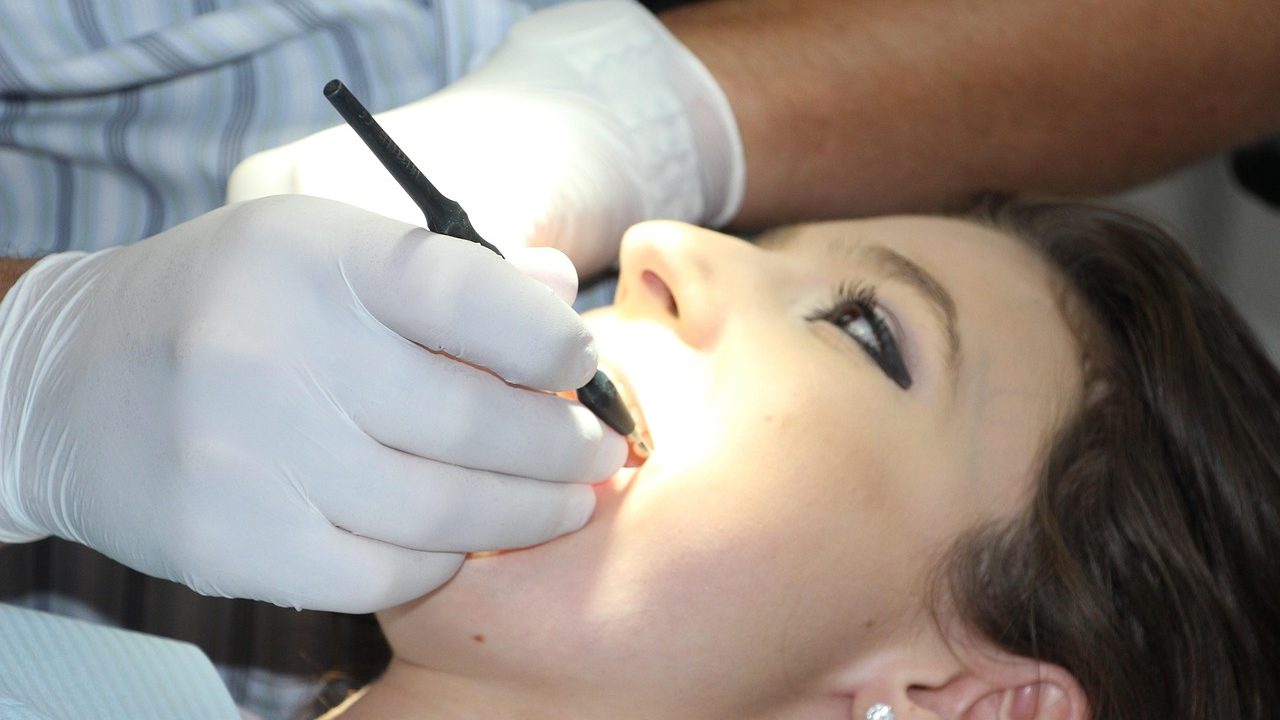
When your dentist suggests that it is time for a family orthodontist consultation guide, the process can feel overwhelming. Between deciphering clinical terminology, comparing various appliance types, and parsing complex payment contracts, parents often find themselves navigating uncharted territory. Choosing the right care for your child involves much more than picking the closest office or the lowest monthly payment. It requires a structured approach to evaluation timelines, a clear understanding of treatment modalities, and careful scrutiny of financial agreements.
This guide breaks down every phase of the orthodontic journey. Whether you are preparing for your child’s first screening or sitting down to review a multi-year treatment contract, having a clear framework helps you ask the right questions, avoid hidden costs, and make informed decisions for your family’s oral health. Orthodontic care is not merely about achieving a straight, aesthetic smile; it is fundamentally about establishing functional jaw alignment, preventing uneven tooth wear, improving long-term oral hygiene access, and boosting a growing child’s self-confidence. By understanding each step of the process before you step into a clinic, you transform yourself from a passive consumer into an empowered advocate for your child.
Understanding the Ideal Timeline for Orthodontic Evaluations
Timing is one of the most critical factors in modern orthodontics. Many parents assume treatment only begins once all permanent teeth have erupted in the early teenage years. However, professional dental associations recommend that children have their first formal orthodontic screening much earlier—typically around age seven.
At age seven, a child’s mouth has a mix of baby teeth and adult teeth, giving orthodontists a clear view of how the jaw is growing and how incoming permanent teeth will align. An early evaluation does not automatically mean your child will get braces right away. In fact, most seven-year-olds are simply placed on an observation schedule. The orthodontist monitors their growth over several years, intervening only when the timing is clinically optimal. This watchful waiting allows the clinical team to track natural dental development without forcing premature mechanical interventions.
Early interventions, sometimes referred to as Phase One treatment, are designed to address specific skeletal issues. These might include severe crowding, crossbites, underbites, or habits like prolonged thumb-sucking that affect jaw development. By guiding jaw growth early on, orthodontists can often prevent more invasive procedures, such as permanent tooth extractions or corrective jaw surgery, later in adolescence. For instance, a narrow upper jaw can be gently expanded using a palatal expander while the connective bone sutures are still malleable in young children, a procedure that becomes significantly more complex and invasive after facial growth slows down in the late teen years.
When you attend that initial evaluation, expect a thorough clinical examination. The orthodontist will check facial symmetry, bite alignment, and dental eruption patterns. They may take panoramic digital X-rays or digital scans to get a complete picture of developing teeth hidden beneath the gums. Use this appointment to ask whether your child needs immediate intervention or simply periodic monitoring. A transparent specialist will readily tell you if your child is developing normally and simply needs to return for an annual recall check until adolescence.
Furthermore, parents should understand the difference between a general dentist and a board-certified orthodontist. While family dentists provide foundational cleanings, fillings, and general monitoring, orthodontists undergo an additional two to three years of specialized, full-time residency training focused exclusively on tooth movement, jaw orthopedics, and facial balance. Ensuring your child is evaluated by a specialist guarantees that complex developmental anomalies are diagnosed accurately from the very first visit.
Comparing Traditional Braces Versus Clear Aligners
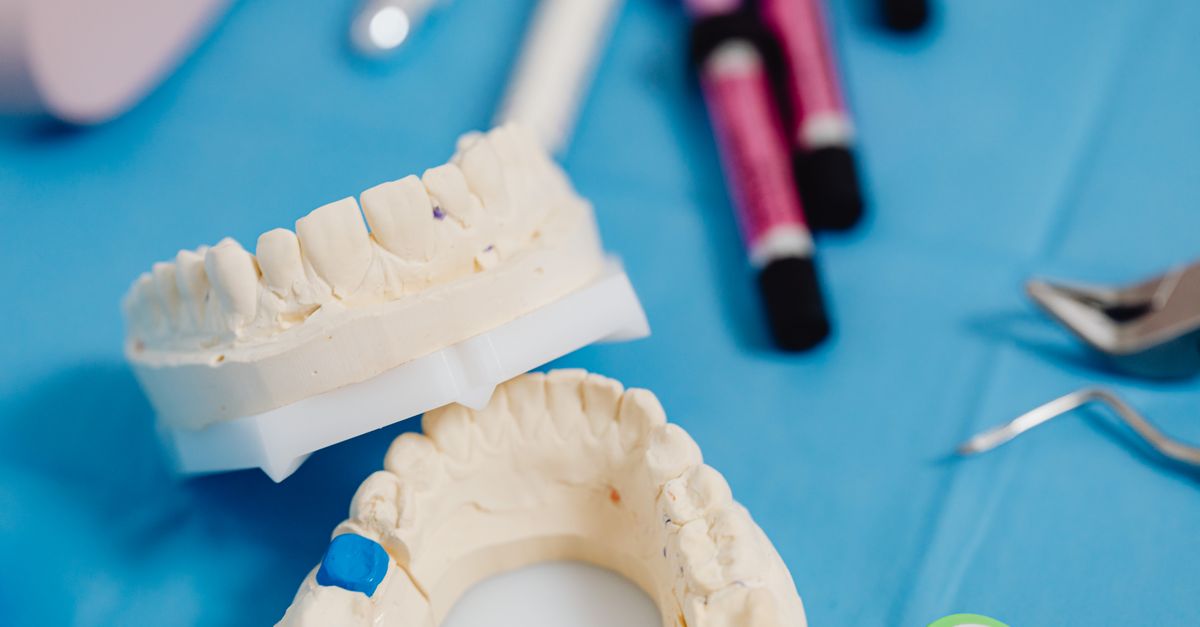
Once active treatment is recommended, families face a major decision regarding the type of appliance used. While traditional metal braces remain the workhorse of orthodontics, clear aligners have grown immensely popular for both teens and adults. Understanding the mechanics, benefits, and drawbacks of each option helps you choose the best fit for your child’s lifestyle and clinical needs.
Traditional braces consist of metal or ceramic brackets bonded to the teeth, connected by a flexible archwire and held in place with small elastic ties. The orthodontist periodically adjusts these wires to apply gentle, continuous pressure, guiding teeth into their proper positions. Because braces are fixed to the teeth, compliance is virtually automatic; the patient cannot remove them, meaning treatment progresses regardless of daily habits. Furthermore, technological advancements have made modern metal braces smaller, sleeker, and more comfortable than the bulky appliances of past decades, while ceramic options offer a tooth-colored aesthetic for patients concerned about visible metal.
Clear aligners, on the other hand, use a series of custom-made, removable plastic trays that gradually shift teeth. Each set of trays is worn for a specific period—usually one to two weeks—before progressing to the next set in the sequence. Aligners offer distinct lifestyle advantages: they are nearly invisible, can be removed for eating and drinking, and make standard brushing and flossing much easier because there are no wires or brackets to trap food. Many teenagers appreciate the discretion aligners provide during social and school activities.
However, clear aligners require a high degree of patient discipline. To be effective, aligners must be worn for 20 to 22 hours every day, removed only for meals and oral hygiene. If a teenager routinely leaves their aligners out during school hours or forgets to put them back in after dinner, teeth can shift backward, derailing the treatment timeline. Furthermore, while aligners handle most alignment and spacing issues effectively, complex bite corrections, vertical extrusions, or severely rotated teeth may still require the precise mechanical control that traditional fixed braces provide. Your orthodontist’s clinical assessment should heavily influence this choice, prioritizing functional predictability over aesthetic preferences.
When consulting with the provider, ask to see examples of both appliances and inquire about their personal success rates with teenager aligner compliance versus fixed braces. Understanding how the clinic handles lost trays or broken brackets will give you added peace of mind before committing to a specific modality.
Weighing the Financial Realities and Payment Plans
Orthodontic care represents a significant financial investment for any household. Because treatment spans many months or even years, most offices structure costs through specialized payment plans rather than requiring payment in full upfront. Navigating these financial agreements requires careful attention to detail and a thorough understanding of what is included in the quoted fee.
A standard orthodontic contract typically covers the initial records, placement of appliances, routine adjustment visits, and the first set of retention devices once treatment concludes. However, families must always verify what happens outside of this standard scope. For instance, ask whether the contract covers emergency visits if a bracket breaks over the weekend, or if there are additional fees for replacement retainers if they are lost or damaged. Knowing these details upfront prevents unwelcome surprises halfway through a two-year treatment plan.
Dental insurance policies often include a lifetime orthodontic benefit for dependent children, which can reduce total out-of-pocket expenses. Review your specific policy to confirm the percentage covered and whether there are age restrictions or waiting periods. Note that insurance typically pays out incrementally over the course of treatment, meaning if your child changes providers or insurance coverage lapses, the remaining benefit may be forfeited. If your employer offers a Flexible Spending Account or Health Savings Account, you can utilize pre-tax dollars to cover orthodontic expenses, providing meaningful tax savings across the calendar year.
When evaluating monthly payment plans offered directly by the orthodontist’s office, check for interest charges or administrative fees. Many practices offer interest-free financing spread across the duration of the active treatment period, requiring an initial down payment followed by automatic monthly drafts. Ensure you understand the grace periods and late fees associated with these payment schedules before signing on the dotted line. Additionally, ask about family discounts if you have multiple children who may eventually need treatment.
It is also wise to inquire about the practice’s policy regarding treatment extensions. If a patient’s teeth require extra months of care due to missed appointments, poor compliance with elastics, or biological factors beyond anyone’s control, does the office continue care without extra charges, or do penalty fees apply after a certain date? Clarifying this in writing protects your household budget from spiraling costs.

Red Flags and Crucial Questions for Your Consultation
Preparing a list of targeted questions before your consultation ensures you cover all your bases and avoid costly misunderstandings later. A reputable orthodontist will welcome your questions and take the time to explain their findings, treatment philosophy, and fee structures in plain language without making you feel rushed.
Watch out for high-pressure sales tactics during your visit. If an office insists that you sign a contract and put down a deposit immediately on the first day without giving you time to review the paperwork or seek a second opinion, consider it a red flag. Reputable providers encourage families to make fully informed decisions and give you time to consider your options.
Another warning sign is a lack of transparency regarding total costs. Your written quote should provide an all-inclusive fee breakdown. If an office quotes a seemingly low base price but tacks on numerous separate fees for diagnostic X-rays, emergency fixes, or the final retainers, the true cost can quickly escalate beyond initial expectations. Always ask for an itemized breakdown of what is covered under the global fee.
To keep the consultation productive, use this checklist of essential questions to guide your conversation with the provider:
- Is this treatment necessary now, or can we safely wait six months to monitor natural growth?
- What specific appliance type do you recommend for my child, and what are the main clinical reasons for that choice?
- What is the estimated total duration of the treatment plan, and how do you handle cases that run past that timeline?
- Are all routine adjustments, emergency repair visits, and the first set of retainers included in the quoted global fee?
- What happens if my child loses a clear aligner or breaks a bracket while traveling or at school?
- What are our responsibilities regarding home care, dietary restrictions, and daily appliance wear time?
Taking notes during the consultation or recording answers with permission can also help you compare multiple orthodontists if you are visiting more than one clinic for secondary opinions. Choosing a specialist is a major family decision, and due diligence pays off.
Guiding Your Child Through Treatment and Maintenance
Once active treatment begins, the family’s role shifts from evaluation and financial planning to daily support and maintenance. Children and teenagers often need encouragement, especially during the first few days after braces are tightened or when starting a new set of clear aligners, as mild discomfort and pressure are entirely normal parts of the biological shifting process.
Establish clear routines for oral hygiene right from the start. Food particles easily get trapped around brackets and wires, increasing the risk of demineralization, tooth decay, and gum inflammation. Specialized tools like interdental brushes, floss threaders, and water flossers can make daily cleaning much easier for young patients wearing traditional braces. For those using clear aligners, emphasize the importance of brushing teeth and cleaning trays before reinserting them to avoid trapping sugars and acids against the enamel, which can quickly lead to staining or cavities.
Dietary adjustments are also necessary for patients with fixed appliances. Hard, sticky, and chewy foods—such as caramel, popcorn, hard candies, and whole apples—can bend wires or pop brackets off teeth, leading to emergency repair visits and extended treatment times. Help your child adapt by cutting foods into smaller, manageable pieces and stocking soft foods like yogurt, pasta, and smoothies for the days immediately following routine adjustments.
Finally, once the active phase ends, the retention phase begins. Retainers are essential for holding teeth in their new positions while the surrounding bone and gum tissues stabilize. Ensure your child understands that wearing retainers as directed by the orthodontist is the only way to protect the significant investment of time and money your family has made together. Neglecting retainer wear is the number one cause of orthodontic relapse.
Building a Long-Term Partnership with Your Orthodontist
Selecting an orthodontic provider is the beginning of a multi-year relationship. Throughout the evaluation, treatment, and retention phases, open communication between your family and the clinical team remains paramount. By approaching the process with a clear understanding of timelines, treatment options, and financial contracts, you set your child up for a successful outcome and a healthy, confident smile that lasts a lifetime.
Keep all records, receipts, and treatment agreements in a dedicated folder at home. Regular attendance at scheduled adjustment appointments ensures that any minor issues are addressed promptly, keeping the treatment on schedule. When your child finally has their braces removed or finishes their final aligner tray, celebrating that milestone together makes all the daily maintenance and financial planning well worth the effort. By staying informed, asking the right questions, and maintaining consistency at home, your family can navigate the orthodontic journey smoothly from the very first consultation to the final retainer check.