Buying cordless power tools is no longer a simple one-off transaction. When you purchase an impact driver, cordless miter saw, or rotary hammer today, you are not just buying a motor and a chuck—you are buying entry into a proprietary cordless battery platform. For contractors and serious DIYers looking to cut equipment overhead, evaluating a certified pre-owned power tools warranty battery cost US framework is essential before jumping at factory-reconditioned deals that balance initial discounts against long-term ecosystem expenses.
Factory-reconditioned tools typically sell at 20% to 40% off the standard retail price of brand-new equivalents. On a major tool purchase or a system overhaul, those savings add up quickly. But a tool deal is only as good as its warranty and battery lifespan. A discounted bare tool becomes an expensive paperweight if you are forced to pay full retail price for high-amp-hour lithium-ion batteries, or if a shortened 90-day reconditioned warranty leaves you unprotected when a brushless motor control board fails six months into service.
To make smart financial choices, trade professionals and home workshop enthusiasts need to look past the sticker discount. You must understand the mechanics of refurbishing grades, evaluate real-world battery health, understand warranty limitations, and calculate the true lifetime cost of operating within a specific tool manufacturer’s battery ecosystem.
Understanding Factory Reconditioned vs. Seller Refurbished
Before evaluating warranties or battery systems, you must understand who actually serviced the tool. The tool industry uses several terms that sound identical on online marketplaces but carry vastly different quality controls, safety standards, and warranty backing.
Factory Reconditioned (CPO)
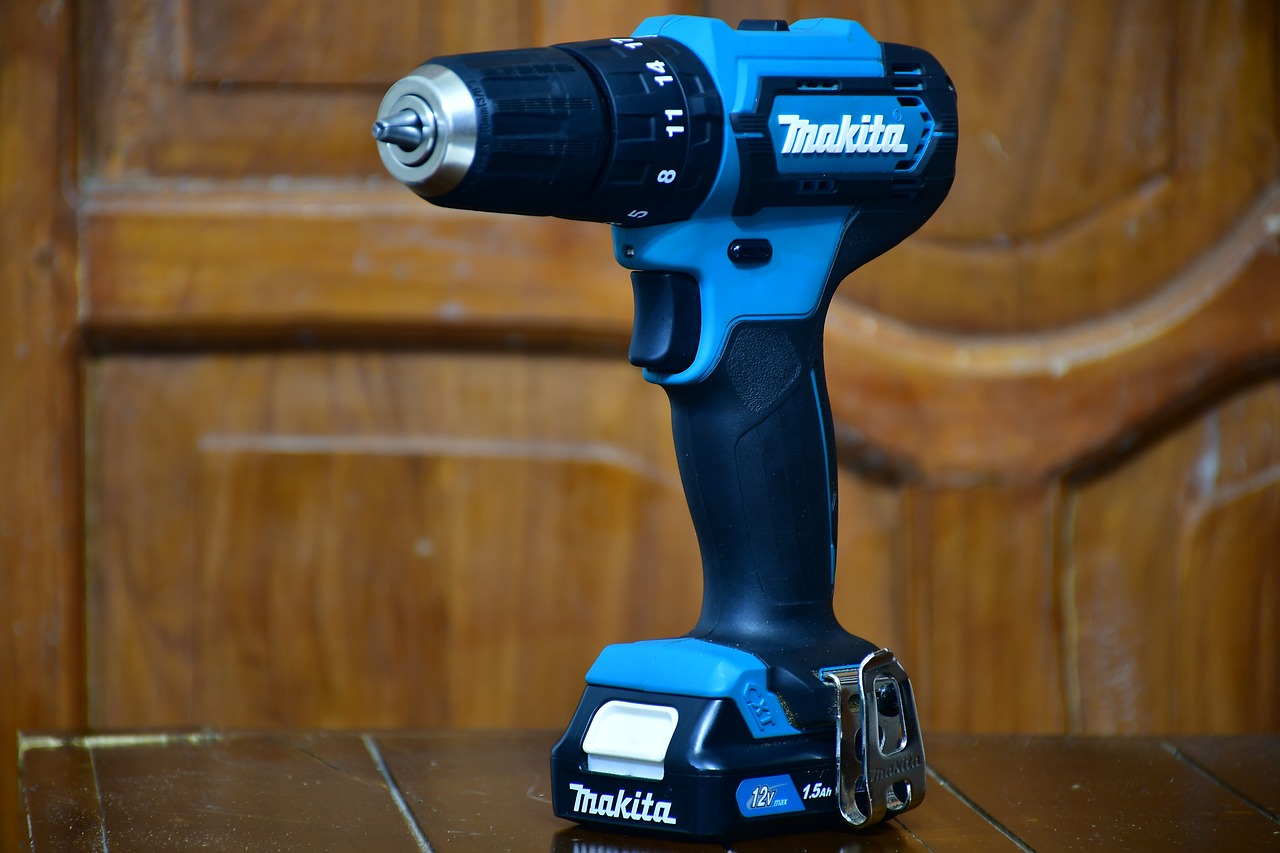
A true factory-reconditioned tool—often labeled Factory Certified Pre-Owned (CPO)—is a unit returned to the original manufacturer (such as DeWalt, Makita, Milwaukee, Bosch, or Ridgid) due to minor cosmetic defects, store display returns, overstock clearance, or open-box buyer remorse. The tool is sent back to an authorized manufacturer facility, completely disassembled, inspected, cleaned, repaired with genuine OEM replacement parts, tested to match original factory output specifications, and repackaged. These units usually carry official factory serial numbers, designated CPO markings, and dedicated reconditioned warranties backed directly by the manufacturer.
Seller Refurbished or Third-Party Rebuilt
Seller-refurbished tools are cleaned, tested, and repaired by independent third-party liquidators, online resellers, pawnshops, or refurbishing vendors. The manufacturer has no involvement in the inspection or repair process. OEM parts may or may not have been used, and original factory warranties are almost universally void. Any warranty provided on seller-refurbished gear is backed solely by the third-party seller, making service fulfillment unpredictable if the seller goes out of business or refuses claims.
| Feature | Factory Reconditioned (CPO) | Seller Refurbished |
|---|---|---|
| Repair Source | Original tool manufacturer / authorized center | Third-party reseller or independent shop |
| Parts Used | 100% genuine OEM components | Varies (OEM, aftermarket, or salvaged) |
| Testing Protocol | Factory bench testing to original specs | Basic power-on check or minimal functional testing |
| Warranty Backing | Directly by manufacturer (1 to 3 years) | Seller policy (often 30 to 90 days) |
| Service Locations | Nationwide authorized service network | Return-to-seller only |
The Real Math of Battery Platform Lock-in
The primary revenue driver for modern power tool manufacturers is not the tool body—it is the battery pack. Tool makers frequently sell bare tools (the tool body without a battery or charger) at minimal margins, knowing that once a consumer owns three or four batteries on a specific 18V or 20V Max platform, switching to a competing brand becomes financially prohibitive.
Understanding this dynamic is essential when evaluating refurbished DeWalt, Makita, or Milwaukee tool deals. A reconditioned bare tool may seem like a bargain at $79, but if you do not already own the brand’s battery platform, adding a dual-pack of 5.0 Ah batteries and a rapid charger at full retail price can instantly add $180 to $250 to your total spent. That turns an apparent deal into an expense higher than buying a brand-new retail kit on seasonal promotion.
Bare Tool vs. Kit Price Dynamics
When shopping reconditioned inventory, compare the total entry cost against new retail kit pricing using a systematic breakdown:
- Reconditioned Bare Tool + Retail Battery Purchase: High cost per battery; worst financial path for new platform buyers.
- Reconditioned Kit (Tool, Battery, Charger): Best overall value for entering a new platform, provided the included battery capacity fits your workload.
- New Retail Combo Kit on Promotion: Often includes bonus free batteries, lowering the per-battery cost below reconditioned bare-tool combinations.
Evaluating a bare tool vs kit battery price comparison requires calculating your net cost per amp-hour (Ah). For example, a standalone 5.0 Ah battery priced at $129 costs $25.80 per Ah. If a reconditioned kit includes that same 5.0 Ah battery for a $50 premium over the reconditioned bare tool, your effective battery cost drops to $10.00 per Ah—a 61% savings on the power source itself.
Analyzing Manufacturer Warranty Terms: New vs. Reconditioned
Warranty coverage is where factory-reconditioned tools differ most significantly from brand-new retail products. Manufacturers use warranty length to manage liability on returned goods while offering enough coverage to reassure buyers.
Standard Retail Warranties
New power tools from tier-one brands usually include robust warranty protection:
- DeWalt: 3-Year Limited Warranty, 1-Year Free Service contract, 90-Day Money Back Guarantee.
- Milwaukee: 5-Year Limited Warranty on most cordless power tools; 2-year to 3-year warranties on REDLITHIUM battery packs.
- Makita: 3-Year Limited Warranty on tools, batteries, and chargers.
- Ridgid: 3-Year Limited Warranty out of the box, with eligibility for the Lifetime Service Agreement (LSA) if registered properly.
- Bosch: 1-Year Limited Warranty (extendable to 3 years with product registration on select lines).
Factory Reconditioned Warranties
When those same tools are factory-reconditioned and resold through authorized channels, the warranty terms usually change:
- DeWalt Reconditioned: Typically carries a 1-Year Factory Warranty backed directly by DeWalt, rather than the standard 3-year new tool terms.
- Milwaukee Reconditioned: Usually provides a 1-Year Limited Factory Warranty from the reconditioned purchase date, or covers the tool under the remaining duration of the original 5-year manufacture date code.
- Makita Reconditioned: Generally backed by a 1-Year Limited Warranty covering defects in material and workmanship.
- Ridgid Reconditioned: Important distinction: Factory-reconditioned Ridgid tools carry a 1-year or 3-year limited warranty but are strictly ineligible for Ridgid’s famous Lifetime Service Agreement (LSA), which applies exclusively to new retail purchases from authorized home centers.
Tool Manufacturer Warranty Transfer Rules and Proof of Purchase
Understanding tool manufacturer warranty transfer rules is critical if you purchase reconditioned tools second-hand or through online marketplaces like eBay, Amazon Renewal, or liquidator outlets.
Most power tool manufacturers tie warranty service to two primary factors: an original sales receipt from an authorized retailer or the tool’s serial-numbered date code.
Receipt-Based Claims vs. Date Code Claims
If you have an original receipt from an authorized reconditioned dealer (such as CPO Commerce, Acme Tools, or Home Depot Direct), the manufacturer’s 1-year reconditioned warranty begins on your date of purchase. Without a valid receipt from an authorized channel, most manufacturers default to the manufacture date stamped into the tool housing or encoded within the serial number.
If a factory-reconditioned tool sat in a distribution warehouse for nine months before you bought it, and you lack an authorized receipt, a date-code lookup might reveal only three months of remaining coverage under the factory system. Always store digital copies of your original invoices for all reconditioned purchases.
Non-Transferability Clauses
Virtually all major tool manufacturers explicitly state that reconditioned warranties are non-transferable. The warranty belongs solely to the original purchaser listed on the sales invoice. If you buy a reconditioned tool from a fellow contractor or a private seller who bought it three months prior, the factory warranty coverage typically ends the moment the transaction changes hands.
Evaluating Battery Degradation in Reconditioned Kits
When purchasing a factory-reconditioned tool kit that includes lithium-ion batteries, you must evaluate the health and expected lifespan of those power cells. Unlike brushless motors, which suffer minimal wear when re-bound and re-bearinged during factory reconditioning, lithium-ion battery cells undergo permanent chemical degradation over time and charge cycles.
How Factory Battery Testing Works
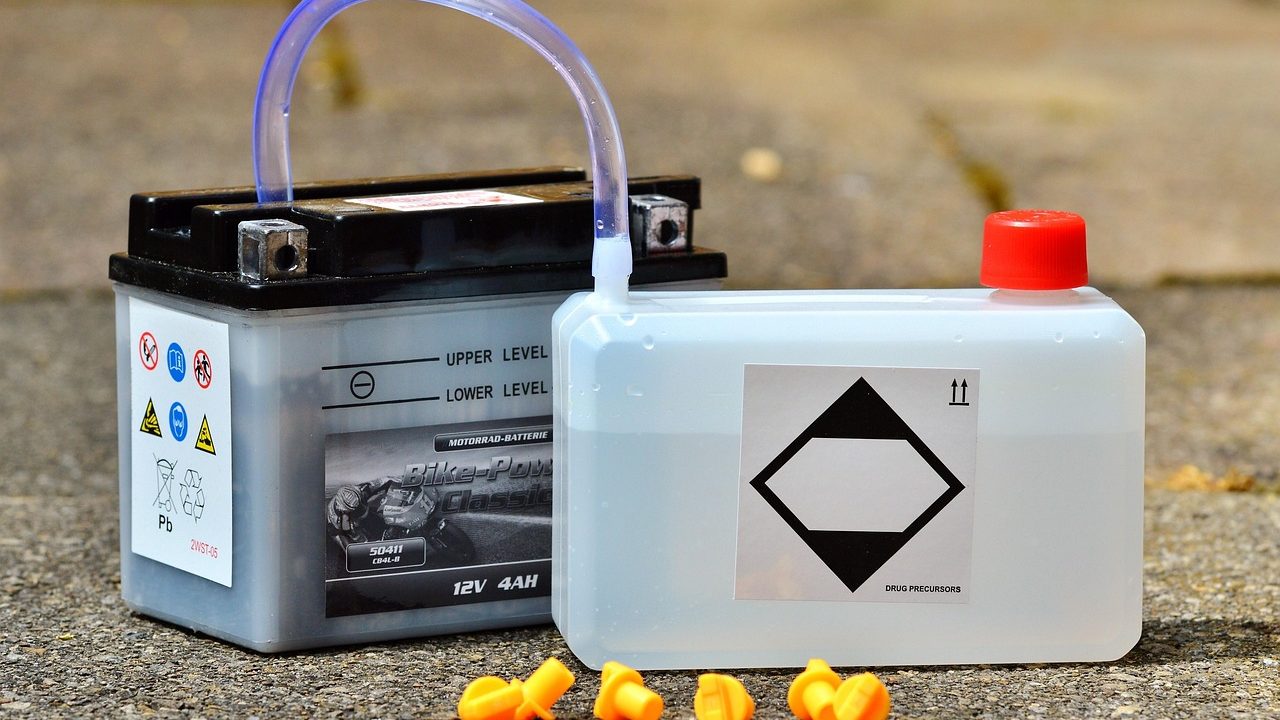
Authorized factory reconditioning facilities subject returned battery packs to automated charge/discharge cycle testing. Cells must meet specific voltage parameters and internal resistance thresholds to pass inspection. If a single cell within a 10-cell pack shows excessive voltage drop or elevated thermal signatures, the battery is recycled rather than resold.
However, factory testing confirms current functionality—it does not reset the battery’s chemical clock. A reconditioned battery that passes factory specs may have already gone through 100 or 150 charge cycles during its previous life. As a result, its remaining service life may be shorter than that of a brand-new factory-sealed pack.
Evaluating Cell Chemistry and Amp-Hour Ratings
To maximize total battery value, match battery capacities and cell types to your primary work demands:
- Compact 2.0 Ah to 3.0 Ah Packs: Great for overhead work, drill drivers, and trim nailers. Lower initial replacement cost, but fewer total charge cycles over their service lifetime.
- Mid-Range 4.0 Ah to 6.0 Ah Packs: The sweet spot for balance and power in impact wrenches, circular saws, and angle grinders. These high-demand tools benefit significantly from factory kit discounts.
- High-Capacity 8.0 Ah to 12.0 Ah / High-Output Packs: These premium packs feature larger 21700 lithium-ion cells. Buying these in reconditioned kits offers substantial upfront savings, but ensure they carry at least a 1-year replacement warranty.
Systematic Total Cost Checklist Before Buying
To avoid spending more money overall on certified pre-owned tools, run every potential purchase through this structured financial evaluation process:
- Calculate the Bare Tool Baseline: Note the street price of the tool new versus its factory-reconditioned price. Calculate the immediate percentage savings.
- Audit Your Existing Battery Platform: Do you already own at least two high-capacity batteries and a fast charger on this exact voltage platform? If yes, buying a reconditioned bare tool is usually financially sound.
- Evaluate New Retail Promos: Check current retail promos. Hardware outlets frequently bundle two free 4.0 Ah batteries with a new bare tool purchase. Calculate whether that promo yields lower per-battery costs than the reconditioned alternative.
- Confirm Authorized Outlet Status: Ensure the seller is an official factory-authorized distributor. Buying from unauthorized sellers voids factory warranty claims, reducing your purchase to seller-refurbished status.
- Verify the Warranty Window: Read the explicit warranty terms for the exact model number. Confirm whether it carries 90 days, 1 year, or 3 years of coverage, and note how claims are handled locally.
- Account for Shipping Fees: Reconditioned items may not qualify for standard free shipping, or may require paid return shipping if service is needed. Include shipping charges in your final math.
Common Buyer Mistakes and Charger Compatibility Traps
Even experienced tool buyers can run into unexpected compatibility issues when building out their tool inventories with reconditioned equipment.
1. Confusing Voltage Platforms and Adapter Traps
Brands continuously update battery mounting interfaces and electronic communication protocols between tools, batteries, and chargers. For instance, putting an older battery on a high-draw brushless reconditioned tool can trigger built-in thermal overload shutoffs under heavy loads. Avoid third-party battery adapters that convert batteries between different tool brands. These adapters bypass internal battery protection circuits, risking permanent cell damage or tool board burnouts that void warranties instantly.
2. Ignoring Charger Output Ratings
Reconditioned starter kits often ship with entry-level, standard-rate wall chargers rather than rapid or dual-port chargers. Charging a high-capacity 6.0 Ah or 8.0 Ah battery on a slow 2-amp charger can take over three hours. If your job site demands continuous run time, factor in the cost of upgrading to a fast or smart charger.
3. Overlooking Battery Electronic Communication
Modern cordless tools use microprocessor-driven communication between the motor controller and the battery pack to manage temperature, current draw, and cell balance. Lower-tier reconditioned tools or off-brand replacement batteries lack these integrated chips, leading to poor performance and premature cell degradation.
Frequently Asked Questions About Reconditioned Power Tools
Are factory-reconditioned power tools as good as new?
Mechanically and electronically, factory-reconditioned power tools from major brands perform identically to new tools. They undergo rigorous inspection, repair with genuine OEM parts, and bench testing. However, they may feature minor cosmetic blemishes, scuffs, or etchings, and usually carry a shorter warranty period (typically 1 year instead of 3 to 5 years).
Do reconditioned tool kits include brand-new batteries?
Not always. Reconditioned kits may include re-tested factory batteries that meet original performance specifications but have experienced previous charge cycles. While fully functional and tested for voltage stability, their remaining lifespan may be slightly less than a factory-sealed brand-new pack.
Can I register a reconditioned Ridgid tool for the Lifetime Service Agreement (LSA)?
No. Ridgid’s Lifetime Service Agreement is strictly limited to brand-new tools purchased from authorized home centers. Factory-reconditioned Ridgid tools carry a standard 1-year or 3-year limited warranty only and cannot be registered for LSA benefits.
What happens if a reconditioned tool fails during the warranty period?
If purchased from an authorized reconditioned dealer, you can take or ship the tool to an authorized factory service center along with your proof of purchase. The manufacturer will repair or replace the tool at no cost under the terms of the reconditioned warranty policy.
Strategic Verdict: When Certified Pre-Owned Makes Financial Sense
Buying factory-reconditioned power tools is a proven way to stretch your tool budget, but it requires a strategic approach rather than impulse shopping.
Buy Factory Reconditioned When:
- You are expanding an existing battery ecosystem you already own and trust.
- You need secondary or specialized tools (such as planar, rotary hammer, or cut-off tool) that see periodic rather than daily use.
- The seller is an authorized factory distributor providing an official receipt and at least a 1-year factory-backed warranty.
- The price discount is at least 25% to 35% lower than the best available new retail kit price.
Buy New Retail When:
- You are entering an entirely new battery platform and need to build up a core set of batteries and high-speed chargers from scratch.
- You rely on specific warranty protections like Ridgid’s Lifetime Service Agreement or Milwaukee’s 5-year full commercial coverage.
- Retailers are offering seasonal bundle promotions that include extra batteries, which lowers your total cost per amp-hour below reconditioned rates.
By assessing both the upfront tool price and the long-term battery ecosystem costs, you can buy reconditioned equipment with confidence, saving money without sacrificing performance or reliable warranty protection on the job.