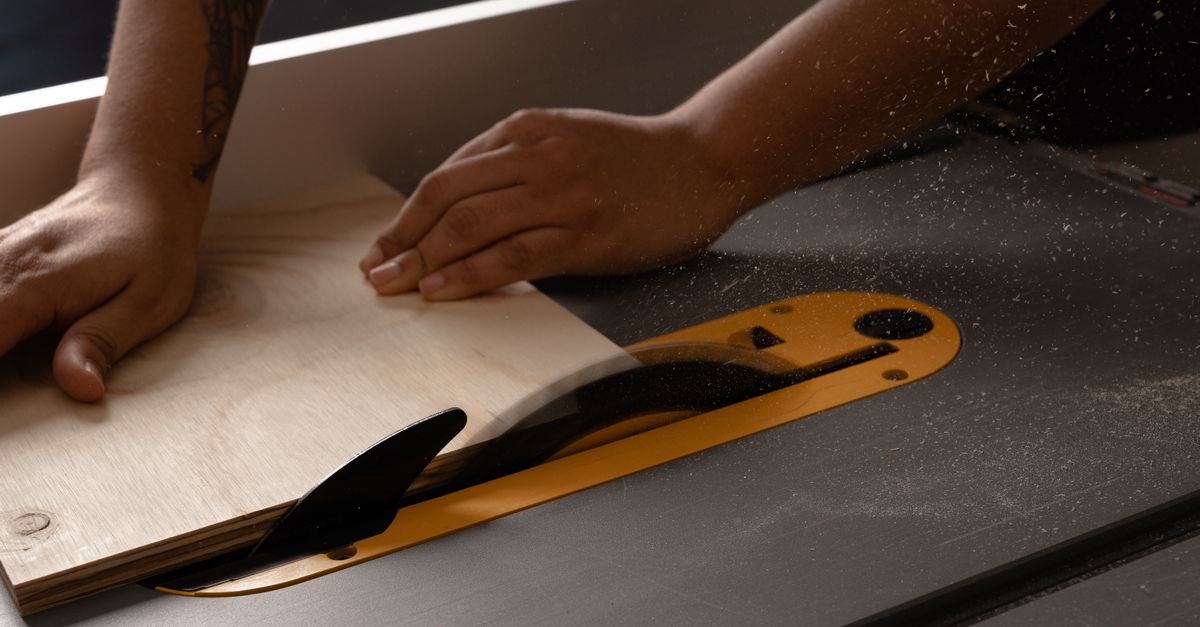
When outfitting a woodshop, the table saw serves as the beating heart of nearly every project. From breaking down rough lumber to cutting precise joinery, your cuts depend entirely on the mechanical integrity of the machine. Yet buying a top-tier cabinet saw or contractor saw brand new can easily strain a hobbyist budget or a small shop startup fund. This economic reality drives many woodworkers to consider renewed woodworking machinery. Finding a reliable tool at a discount is appealing, but navigating the market requires a careful eye. This refurbished table saw buyer guide explores the mechanical realities, warranty terms, and performance checks you need to know before putting your money down.
Factory-certified refurbished tools occupy a unique space in the equipment market. Unlike a standard used tool purchased from an online marketplace, a factory-refurbished saw typically comes from a manufacturer or authorized service center where technicians have inspected, repaired, and tested the unit. However, ‘refurbished’ can mean anything from a minor cosmetic blemish on a returned floor model to a complete teardown and replacement of a burnt-out motor. Understanding what was fixed, who fixed it, and how the machine performs under load will help you determine whether a discounted saw is a bargain or a costly mistake.
Understanding Factory Refurbished Versus Used Shop Tools
Before examining specific mechanical tolerances, it helps to establish clear definitions. The marketplace generally divides secondary-market woodworking equipment into three distinct categories: private-party used tools, open-box retail returns, and factory-certified refurbished machinery. Each carries a different risk profile and level of manufacturer backing.
Private-party used tools are sold strictly as-is. You inherit the previous owner’s maintenance habits, workshop environment, and any hidden mechanical abuse. Open-box items are often customer returns that may have never been assembled or were simply unboxed and returned because the buyer wanted a different model. Factory-certified refurbished machinery, by contrast, undergoes a structured evaluation process. Authorized technicians typically test electrical switches, check belt tension, calibrate trunnions, and replace worn drive components before repackaging the machine.
Despite these safeguards, factory refurbished tools are not brand new. They may bear minor scratches on the extension wings, scuffs on the cast-iron table surface, or signs of previous assembly. The key distinction lies in mechanical peace of mind. A certified unit should arrive with all safety equipment, including the riving knife, blade guard, and anti-kickback pawls, which are frequently lost or discarded by previous owners on the open used market.
When evaluating listings, it is also essential to distinguish between manufacturer-refurbished items and retailer-refurbished items. Manufacturer-certified units are rebuilt at the original factory or an authorized service depot using OEM (Original Equipment Manufacturer) parts. Retailer-refurbished tools, conversely, may have been repaired by third-party contractors whose technical familiarity with heavy woodworking machinery can vary widely. Always investigate the source of the refurbishment to gauge the reliability of the diagnostic work performed.
Evaluating Arbor Runout and Spindle Precision
The single most critical mechanical factor in any table saw is arbor precision. Arbor runout refers to any wobble or deviation in the saw blade shaft as it spins. Even a microscopic amount of runout translates into noticeable blade deflection at the outer rim, resulting in wider kerfs, splintered edges, and burning on hardwood cuts.
When you receive a refurbished table saw, checking arbor runout should be your first diagnostic step. You do not need an engineering lab to perform this check; a magnetic base dial indicator attached to the cast-iron table top will do the job. With the indicator plunger resting against the saw arbor body and the blade removed, slowly rotate the arbor by hand. Professional woodworking standards generally look for total indicated runout of less than two thousandths of an inch (0.002″). If a refurbished saw exceeds this tolerance, it suggests the arbor shaft was bent during shipping or previous use, and the machine should be returned immediately.
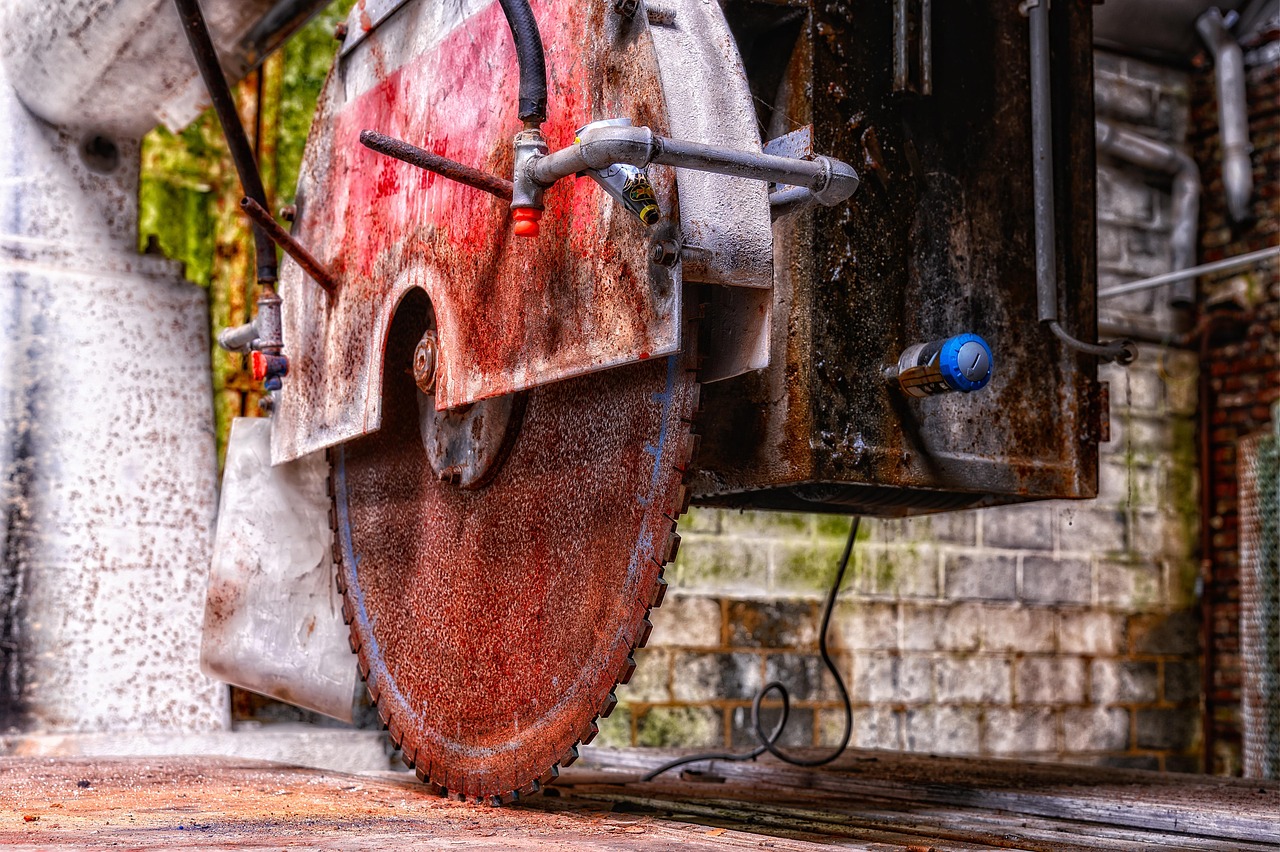
Beyond the arbor shaft itself, pay close attention to the blade flange. A warped or burred inner flange will force even a perfectly straight arbor to tilt the blade off-axis. Inspect the mating surfaces of both flanges for scoring, metal burrs, or factory machining debris. Cleaning these surfaces with fine sandpaper and mineral spirits is standard procedure, but persistent runout indicates a defective component that warranty coverage should address.
Furthermore, consider the bearing assemblies supporting the arbor shaft. Worn or pitted bearings can introduce play under heavy lateral loads, even if the static runout measures within acceptable limits. Spin the arbor by hand with the belt disconnected; listen for any grinding noises or rough spots that hint at premature bearing failure resulting from previous misuse or inadequate lubrication.
Trunnion Alignment and Table Flatness
The trunnion assembly controls the elevation and bevel tilt of the blade. On contractor saws and hybrid saws, the trunnions mount directly to the underside of the cast-iron table. On heavy cabinet saws, they mount directly to the cabinet body, isolating the motor weight from the top. Regardless of design, the trunnions must maintain rigid alignment parallel to the miter gauge slots.
During the refurbishment process, technicians must often loosen trunnion bolts to adjust blade alignment. If these bolts are not properly torqued down, heavy vibration during shipping can knock the blade out of parallel with the miter slots. When evaluating your saw, use a combination square or a dial indicator mounted in the miter slot to measure the distance from the front of the blade to the back of the blade. The two measurements should match within a few thousandths of an inch.
Cast-iron table flatness is another vital checkpoint. While minor casting variations are normal, a severely dished or crowned table will prevent accurate rip cuts and crosscuts. Place a precision straightedge across the table in multiple directions—diagonally, horizontally, and vertically—and check for gaps using feeler gauges. A high-quality refurbished saw should maintain a flat reference surface, allowing your stock to glide smoothly across the wings without catching on uneven seams.
It is also worth noting how extension wings mate with the main table. On refurbished units, extension wings may have been removed for transport and reinstalled by technicians. Ensure that the wings lie completely coplanar with the main table surface, using a straightedge across the joint to verify that no lip or ridge exists where the wings meet the cast iron.
Fence System Accuracy and Calibration
A table saw is only as accurate as its rip fence. Even if your blade and arbor are perfectly aligned, a fence that drifts toward or away from the blade mid-cut will cause pinched stock, binding, and dangerous kickback. Refurbished saws often feature sliding rail systems and T-square fences that require careful reassembly and calibration upon arrival.
Inspect the fence extrusion for straightness and rigidity. When locked down in position, the fence should not deflect under moderate hand pressure. Next, measure the distance from the fence to the miter slot at both the front and back of the table. The fence must be dead parallel to the blade and miter slots, or angled outward by no more than a few thousandths of an inch at the rear to prevent wood from binding against the back teeth.
Check the operation of the cam-locking mechanism and the adjustment screws on the fence head. Refurbished units may have plastic adjustment pads or alignment shims that were replaced or improperly seated during reconditioning. Taking the time to fine-tune the fence during your initial setup will save countless hours of frustration when making precision cuts later.
In addition to parallelism, examine the cursor and measurement scale on the front guide rail. During transit, the rail or the magnification lens on the cursor can shift, leading to misread measurements. Recalibrate the scale by making a test cut on a scrap piece of plywood, measuring the actual width with calipers, and adjusting the rail cursor accordingly.
Motor Performance and Electrical Integrity
Woodworking puts heavy demands on electric induction motors. Starting a heavy saw blade requires significant torque, and ripping thick, dense hardwoods can bog down an underpowered or poorly maintained motor. When you power on a refurbished table saw for the first time, listen closely to the startup sound and monitor the operating temperature.
Induction motors should spin up smoothly without excessive humming or hesitation. If the motor struggles to reach operating speed, the centrifugal switch or starting capacitor may be failing—common points of wear that technicians sometimes overlook during a quick cosmetic refurbishment. Furthermore, check the drive belts for signs of cracking, dry rot, or glazing. Link belts or traditional V-belts should be properly tensioned to transmit maximum power from the motor arbor to the blade arbor without slipping.
Inspect the power switch and magnetic safety starter as well. Modern saws are required to feature easily accessible paddle switches with lockout keys to prevent accidental activation. Ensure the switch cuts power instantly when depressed and that all wiring harnesses inside the cabinet are securely fastened away from moving belts and pulleys.
Electrical considerations also extend to workshop power supply requirements. Many refurbished contractor and cabinet saws operate on 230V single-phase power rather than standard 115V household current. Verify your shop’s electrical capacity before purchasing, and inspect the power cord and plug for any signs of heat damage, fraying, or improper field splicing performed during previous ownership.
Analyzing Refurbished Table Saw Warranty Protection
One of the primary advantages of purchasing a factory-certified refurbished tool over an ordinary used saw is the inclusion of warranty protection. However, you must read the fine print carefully, as manufacturer warranties on renewed machinery often differ significantly from those covering brand-new retail tools.
While new woodworking machinery frequently carries a five-year or limited lifetime warranty, factory-certified refurbished tools typically come with a much shorter window—often ranging from 90 days to one year. This limited warranty usually covers manufacturer defects in materials and workmanship, but it may explicitly exclude normal wear items such as drive belts, carbon motor brushes, saw blades, and throat plates.
Before purchasing, confirm whether the warranty is backed directly by the tool manufacturer or handled through a third-party refurbishment company. Manufacturer-backed warranties generally grant you access to authorized service centers and OEM replacement parts. Third-party warranties, on the other hand, may require you to ship heavy machinery to an approved repair facility at your own expense—a costly logistical hurdle given the weight and dimensions of a table saw. Always verify return shipping policies and restocking fees before ordering a heavy shop tool online.
Moreover, understand the claims process. If a major component like the motor or trunnion assembly fails within the warranty window, inquire about turnaround times and whether on-site technician service is available for floor-standing cabinet saws that cannot easily be loaded into a passenger vehicle.
Weighing the Financial Trade-Offs
Deciding between a new retail saw and a refurbished model ultimately comes down to a careful calculation of cost versus risk. Refurbished woodworking machinery typically sells for 15% to 30% below retail pricing, representing substantial savings that can be redirected toward quality saw blades, a mobile base, or dust collection accessories.
To help visualize how these factors stack up in the real world, consider the following direct comparison of buying criteria:
- Initial Cost: Refurbished units offer significant upfront savings, whereas new models command full retail pricing.
- Assembly State: Refurbished saws arrive mostly assembled, but critical alignments like trunnions and fences often require recalibration. New saws require full assembly from the crate.
- Warranty Length: Refurbished tools feature shorter coverage windows (typically 90 days to one year), while new machinery often includes extended manufacturer protection.
- Component Wear: Refurbished saws have had high-wear parts inspected or replaced, whereas used private-party tools carry unknown wear histories.
For the budget-conscious hobbyist or semi-pro woodworker willing to perform basic mechanical calibrations, a factory-certified refurbished table saw represents a smart, high-value investment. By carefully inspecting the arbor runout, verifying trunnion and fence alignment, and understanding the limitations of the warranty, you can secure professional-grade cutting performance without paying retail prices.
Ultimately, purchasing renewed shop equipment requires patience and a methodical approach to post-delivery inspection. Treat the initial setup as an educational process that deepens your understanding of your machine’s mechanical anatomy. When you take the time to dial in every alignment point, a factory-refurbished table saw will serve as a dependable, highly accurate foundation for your workshop for years to come.