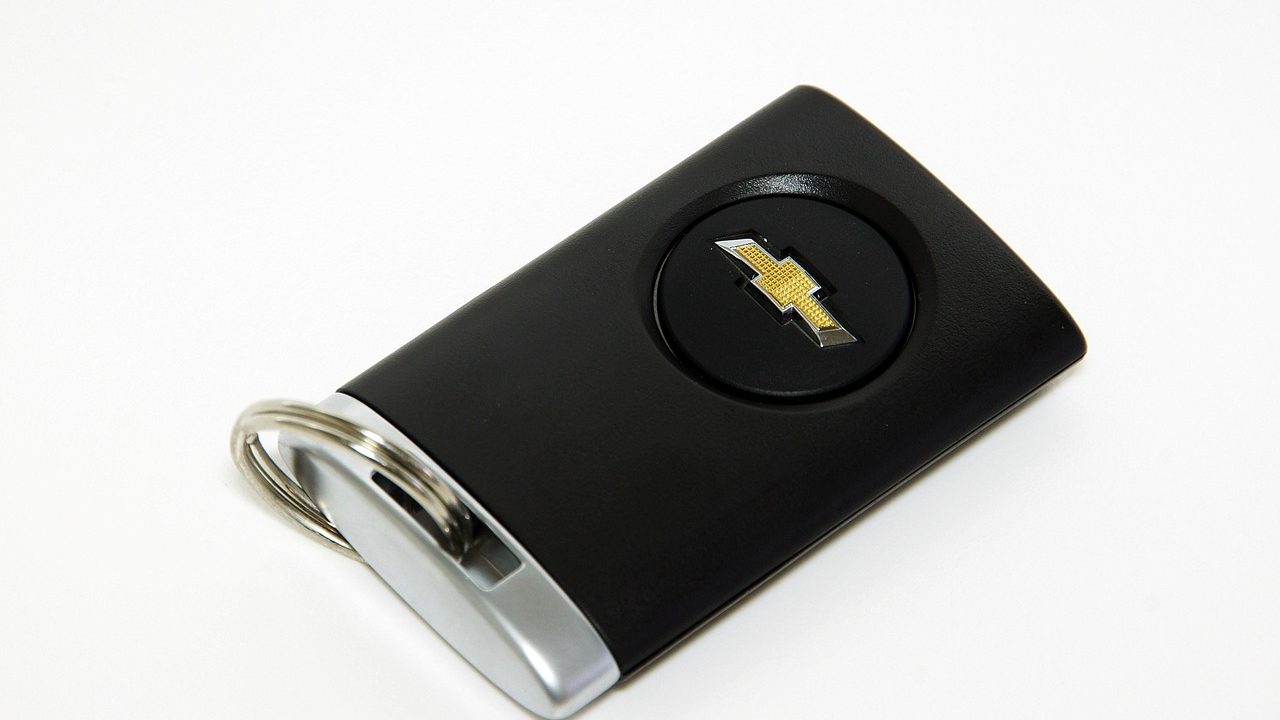
Losing or breaking a modern car key is no longer a simple ten-dollar trip to the local hardware store. Today’s vehicles rely on sophisticated transponder chips, rolling cryptographic encryption codes, and integrated proximity keyless entry modules designed to deter auto theft. When a key fob vanishes or fails, vehicle owners face a steep learning curve and a wide range of replacement expenses. Deciding between aftermarket car key fob programming vs dealership locksmith cost US options requires balancing upfront hardware expenses, service labor fees, and the technical risks of working directly with your vehicle’s sensitive engine immobilizer network.
While dealership service centers remain the standard default choice for many drivers, their steep hourly labor rates and marked-up replacement hardware can quickly push total key replacement costs into hundreds of dollars. On the opposite end of the spectrum, do-it-yourself OBD2 programming tools and aftermarket key fobs sold online promise quick home repairs for a fraction of the price. Positioned strategically between these options are licensed independent automotive locksmiths, who often combine professional-grade diagnostic tablets with mobile convenience and lower overall costs. Understanding how these three options differ in cost, security protocols, and long-term reliability is essential before spending your hard-earned cash or plugging third-party equipment into your car’s OBD2 port.
The Architecture of Modern Vehicle Keys
To evaluate key replacement pricing accurately, it helps to understand what you are actually paying for when purchasing a modern automotive key. A contemporary car key is rarely just a piece of stamped brass; it is an integrated electronic security device composed of up to three distinct systems:
- The Mechanical Key Blade: Even on push-to-start vehicles equipped with smart proximity fobs, an emergency mechanical key blade is usually concealed inside the fob body. This emergency blade manually unlocks the driver’s door if the car battery or fob battery dies completely. Cutting this blade requires a high-security laser key-cutting machine calibrated to specific sidewinder key profiles.
- The Keyless Entry Remote: The buttons on the exterior of the key fob operate on standard radio frequencies (typically 315 MHz or 433 MHz in North America). These wireless signals control central door locking, trunk release, panic alarms, and sometimes remote engine start. Pairing these remote buttons allows convenience functions to operate smoothly.
- The Transponder Chip and Engine Immobilizer: Concealed inside the plastic key head or circuit board is a tiny passive RFID transponder chip. When you insert the key into the ignition cylinder or push the engine start button, the car’s immobilizer control unit sends an electromagnetic radio signal to the chip. If the chip responds with the precise cryptographic code expected by the car’s Engine Control Unit (ECU), the starter motor and fuel pump engage. If the security handshake fails, the engine remains disabled.
Programming a key requires synchronizing both the keyless entry functions and the internal transponder chip with the vehicle’s onboard computer network. On simple older systems, keyless entry could be programmed manually through a sequence of door lock toggles and ignition turns, but the modern immobilizer chip almost always requires dedicated electronic hardware connected directly to the vehicle’s On-Board Diagnostics (OBD2) port under the dashboard.
Evaluating the Cost Options: A Direct Financial Comparison
The total price to replace a modern car key depends heavily on the service path you select. Below is a comprehensive financial overview comparing the three primary key replacement methods across the United States market.
| Replacement Method | Hardware Cost | Labor & Programming Fees | Key Cutting Fees | Estimated Total Cost Range |
|---|---|---|---|---|
| Dealership Service Dept. | $150 – $400 (OEM Fob) | $100 – $250 (Flat hourly) | Included or $25 – $50 | $275 – $700+ |
| Independent Locksmith | $50 – $150 (OEM/Aftermarket) | $75 – $150 (Mobile service) | Included or $20 – $40 | $145 – $340 |
| DIY OBD2 Tool & Fob | $20 – $60 (Aftermarket Fob) | $0 (Self-performed) | $20 – $50 (Local shop cut) | $90 – $210 (Includes tool) |
While the DIY route appears significantly cheaper on paper, those initial hardware estimates do not account for hidden software activation fees, single-vehicle licensing limits, or the risk of immobilizer lockouts. Analyzing each path individually demonstrates where those extra dollars go and helps clarify the total aftermarket car key fob programming vs dealership locksmith cost US calculation.
Option 1: The Dealership Route
Taking your vehicle to an authorized dealership service department is the traditional, zero-friction choice, but it is almost universally the most expensive. When you order a key through a dealer, service advisors pull your vehicle’s key code using the Vehicle Identification Number (VIN) directly from the manufacturer’s secure database. The replacement key arrives directly from an original equipment manufacturer (OEM) distributor, guaranteed to match your car’s exact trim level, frequency, and physical keyway.
Why Dealership Costs Are Higher
Dealership service pricing reflects substantial corporate overhead and strict operational standards:
- OEM Hardware Pricing: Original factory key fobs carry significant retail markups compared to unbranded replacement shells. A factory proximity smart key for a late-model European or Japanese SUV often carries a wholesale list price well above $200 before diagnostic labor is added.
- Standard Hourly Labor Rates: Service departments typically charge set flat-rate labor fees for diagnostic and electronic programming work. Even if pairing a transponder takes a technician ten minutes, dealerships often bill a minimum half-hour or one-hour labor charge, which ranges from $100 to over $250 depending on the local market.
- Proprietary Diagnostic Software: Dealerships use official factory scan tools (such as GM MDI, Ford FDRS, or Toyota Techstream). These corporate platforms require expensive annual software subscription licenses, a cost that is directly factored into customer repair quotes.
When the Dealership Is Necessary
Despite the high financial cost, the dealership is sometimes the only viable option available. Certain high-security and luxury automakers restrict third-party access to their central immobilizer servers. Vehicles with rolling cryptographic PIN systems or encrypted gateway modules often cannot be programmed by generic consumer OBD2 handheld units or basic local locksmith tools. If you own a modern luxury vehicle, operate under a strict lease agreement requiring genuine factory parts, or have lost every working key on an ultra-secure system, paying the dealership fee may be unavoidable.

Option 2: Independent Automotive Locksmiths
For the majority of US vehicle owners, hiring a licensed independent automotive locksmith represents the sweet spot between convenience, technical safety, and realistic pricing. Professional car locksmiths specialize exclusively in vehicle entry, mechanical key blade duplicating, and electronic transponder ECU programming.
The Practical Advantages of Locksmiths
Choosing an independent specialist offers several clear practical advantages over dealership service departments:
- Mobile On-Site Service: If you have lost all working keys, a dealership will require you to tow your vehicle to their service bay at your own expense. A mobile locksmith travels directly to your home, office, or roadside location in a van equipped with key-cutting machinery and diagnostic tools, eliminating towing hassles.
- Flexible Hardware Sourcing: Most automotive locksmiths carry both genuine factory OEM key fobs and high-grade aftermarket alternatives. They can explain the price differences upfront and let you choose between a factory fob or a durable aftermarket replacement.
- Specialized Diagnostic Gear: Professional locksmiths invest thousands of dollars in advanced multi-brand key programming tablets (such as Autel MaxiIM, SmartPro, or Xhorse tools). These professional systems bypass PIN code extractions across dozens of vehicle makes, allowing rapid key pairing without needing direct dealer server calls.
- Lower Overhead Costs: Operating with lower fixed overhead than large auto dealer franchises allows independent locksmiths to charge lower baseline labor fees for key pairing and blade tracing.
Evaluating Locksmith Legitimacy
Because the locksmith industry has seen issues with rogue call-center dispatchers quoting deceptively low initial prices online and demanding inflated cash fees on-site, vehicle owners should verify credentials carefully. Look for locksmiths with established local storefronts, clear physical business addresses, positive verified customer reviews, and membership in recognized professional organizations like the Associated Locksmiths of America (ALOA). Always request a firm, all-inclusive price quote that covers the service call, physical blade cutting, and electronic programming before work begins.
Option 3: DIY OBD2 Key Programming Tools
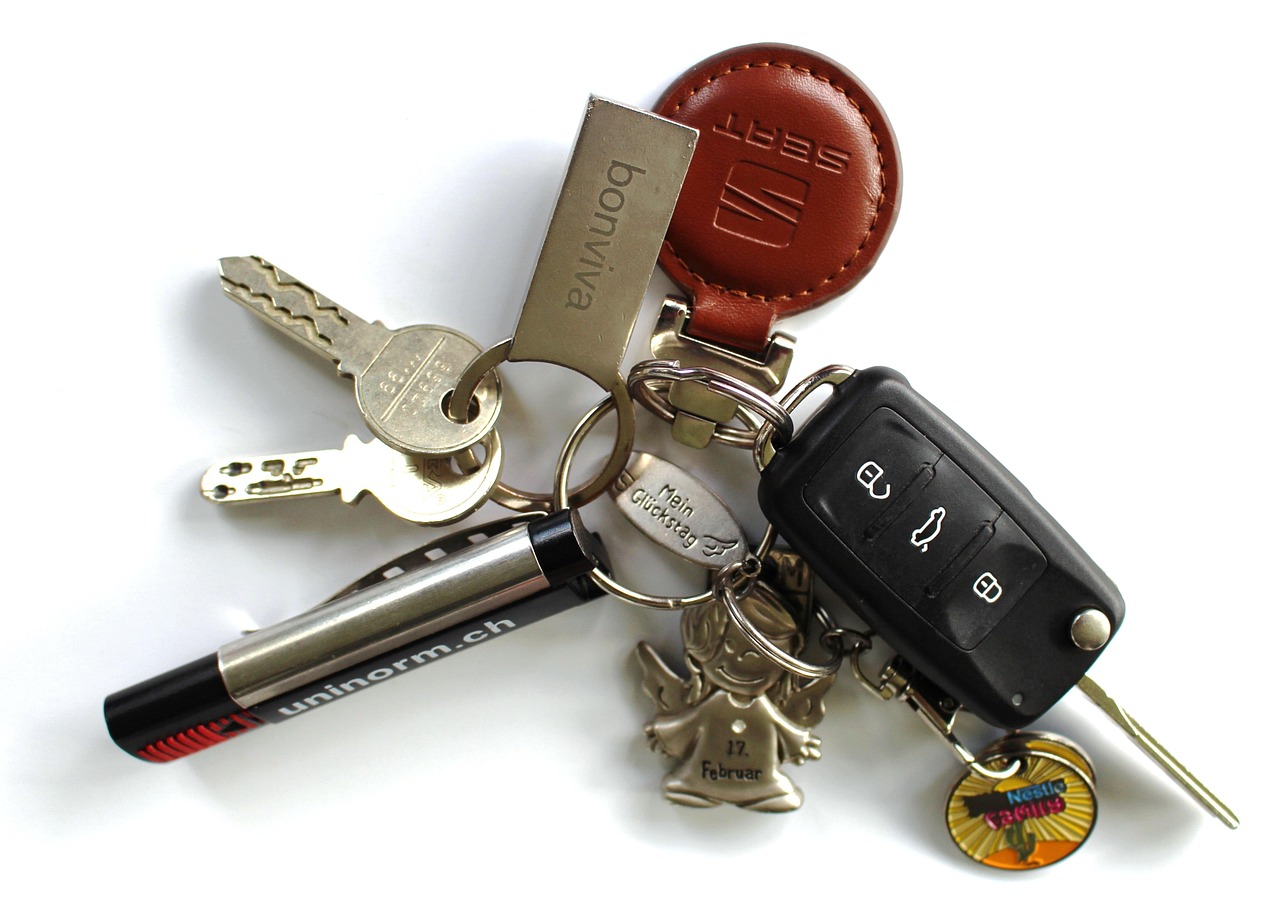
The rapid growth of direct-to-consumer automotive diagnostic electronics has created a booming market for standalone key programming devices. Consumers can buy basic OBD2 key programmers and universal smart keys online, promising to let drivers bypass professional fees completely by programming transponder keys at home.
How Standalone DIY Programmers Work
Consumer-grade key programming devices generally fall into three primary categories:
- Dedicated Single-Use Key Kits: Sold at major automotive parts retailers or online, these kits package a simplified OBD2 dongle with a specific aftermarket remote fob. You plug the dongle into the vehicle’s diagnostic port under the dashboard, turn the ignition key to the run position, and press a button on the tool or follow a simple mobile app prompt to write the new key to the vehicle’s memory.
- Universal Consumer Diagnostic Scanners: Mid-tier handheld OBD2 scanners designed for DIY mechanics sometimes include basic key-coding protocols alongside diagnostic code reading. These tools can program keyless entry remotes or simple transponders on select high-volume makes like Ford, GM, Chrysler, and Toyota.
- App-Based Bluetooth OBD2 Modules: Compact Bluetooth adapters pair with a smartphone app, charging users per key authorization token or offering single-vehicle licenses to write new transponders to the car’s computer network.
Hidden Expenses and Practical Limitations of the DIY Route
While ordering a $30 aftermarket fob and a $60 programmer online sounds like an easy financial win, many vehicle owners encounter unexpected hurdles that quickly eliminate their projected savings.
1. The Mechanical Key Cutting Problem
Programming the electronic transponder chip is only half the battle. Unless your car uses a completely keyless proximity fob with an uncut emergency blade, you still need a physically cut key to turn the door lock or ignition cylinder. Traditional hardware store key copiers cannot cut modern side-milled or laser-cut internal track keys. Most local big-box stores will refuse to cut blank keys bought online due to liability and key-blade metal hardness concerns. Local locksmiths or specialized hardware shops will charge a key-cutting fee—typically $20 to $50—to cut an owner-provided key blank.
2. Single-Vehicle or Token-Based Lockouts
Inexpensive DIY programmers often bind themselves permanently to a single Vehicle Identification Number upon first use. If the programming attempt fails, you cannot use that same tool on another household car or re-sell it to recoup costs. Other platforms operate on a cryptographic token system: while the initial hardware is inexpensive, purchasing individual software tokens required to pull security PINs or access cloud servers can cost $20 to $50 per programming attempt.
3. Variable Quality in Aftermarket Fob Hardware
Inexpensive unbranded key fobs sourced from online marketplaces frequently exhibit quality control issues. Transponder chips inside cheap aftermarket fobs may use lower-grade internal antennas, reducing their operational range or failing to communicate reliably with the car’s transceiver ring in cold weather. Furthermore, plastic outer shells may crack easily, and buttons can wear down far quicker than factory OEM materials.
4. The Risk of Vehicle Immobilizer Lockout
This is the primary technical risk of DIY key programming. Modern vehicle immobilizers manage key registers carefully. When writing a new key, some programming protocols wipe all existing keys from the vehicle’s memory before re-registering them one by one. If a DIY tool loses communication mid-process, encounters a low-voltage battery drop, or uses corrupted software protocols, the vehicle’s computer can drop into an active anti-theft lockout mode. In this scenario, none of your keys will work, rendering the vehicle entirely inoperable until it is towed to a professional who can re-flash the ECU memory.
Vehicle Security Architecture by Manufacturer
The overall difficulty and cost of key programming vary dramatically depending on your car’s manufacturer. Understanding how your car’s brand handles key security will help you determine whether DIY programming is realistic or overly risky.
Domestic Vehicles (Ford, General Motors, Chrysler/Dodge/Jeep)
Domestic manufacturers generally offer some of the most DIY-friendly key programming environments, though modern vehicle platforms have tightened security recently:
- Ford: Historically, many Ford vehicles allowed self-programming if the owner already possessed two functional, unique original keys. If you have two working keys, you can cut a third key blank and complete an ignition-key sequence inside the vehicle without plugging in an OBD2 tool. However, if you only have one key, adding a second key requires an OBD2 scan tool or locksmith intervention.
- General Motors: Many older GM vehicles supported onboard key learning procedures using a timed ignition-on waiting method (often requiring three 10-minute waiting cycles). Newer GM vehicles equipped with global vehicle platforms require specialized software access or secure diagnostic tools to program new proximity keys.
- Stellantis (Chrysler/Dodge/Jeep/RAM): Most Chrysler vehicles require a 4-digit PIN code to access transponder programming functions. While professional locksmith tools can easily read these PINs directly through the diagnostic port, basic DIY tools often struggle or require purchasing additional software licenses. Additionally, vehicles made after 2018 include a Security Gateway Module (SGW) that physically blocks unauthorized write commands sent to the OBD2 port unless a bypass cable is installed.
Asian Imports (Toyota, Honda, Nissan, Hyundai, Kia)
Asian automakers present a mix of simple self-learning routines and secure cryptographic protocols:
- Toyota/Lexus: Older Toyota systems allowed simple manual door-lock toggling to pair remote keyless entry functions, but immobilizer chips required dedicated master keys to add sub-keys. Modern Toyota proximity smart keys use rotating seed-code calculations. Locksmiths and dealers can easily program these, but basic consumer OBD2 units frequently fail on push-button start models.
- Honda/Acura: Honda systems are relatively straightforward for locksmiths equipped with standard diagnostic tablets, but they strictly require active OBD2 communication to program transponders. Onboard manual sequences without diagnostic tools do not exist for modern Honda immobilizer chips.
- Nissan/Infiniti: Nissan vehicles require a 4-digit or 20-digit PIN code derived from the vehicle’s Body Control Module (BCM). While locksmiths use automated tools to pull and calculate these codes in seconds, DIYers running unverified software risk corrupting the BCM firmware if an incorrect PIN attempt locks the system.
European Brands (BMW, Mercedes-Benz, Audi, Volkswagen, Volvo)
European automakers employ the most stringent anti-theft security systems in the automotive industry. In almost all circumstances, DIY key programming on modern European vehicles is impractical and unsafe:
- Volkswagen/Audi Group (VAG): Models using advanced immobilizer generations (such as Immo 4, Immo 5, or MQB platform architectures) encrypt key data securely inside the instrument cluster and ECU. Programming a replacement key requires online server calculations and authorized component protection releases. Unofficial consumer tools cannot perform these tasks.
- BMW & Mercedes-Benz: Mercedes-Benz uses proprietary infrared smart key systems (FBS3/FBS4) that store cryptographic key data inside designated drive authorization modules. BMW relies on CAS (Car Access System) and FEM/BDC modules. Programming these keys often requires removing circuit boards directly from the car to read EEPROM memory chips on a workbench—a task far outside the scope of consumer OBD2 dongles.
Step-by-Step Decision Framework for Car Owners
To avoid overpaying or risking an immobilizer lockout, use this simple decision framework to determine the safest, most cost-effective path for your vehicle.
Step 1: Check Your Key Count and Vehicle Age
If your car was built before 2010 and you already have one fully functional master key, check your owner’s manual or online enthusiast forums. You may be able to buy an inexpensive blank online, pay a local hardware shop $20 to cut the blade, and complete a manual key-pairing routine in your driveway without spending money on special OBD2 tools.
Step 2: Identify Key Type (Standard Blade, Integrated Remote, Proximity Fob)
Basic turn-key ignitions with separate transponder heads are much easier and cheaper to program than proximity-based smart key fobs used in modern push-to-start cars. If your vehicle uses a push-to-start smart fob, the risk of a DIY tool failing increases significantly due to complex proximity encryption protocols.
Step 3: Calculate the Total DIY Cost
Before purchasing a DIY programmer kit online, calculate all related expenses:
- Cost of the DIY OBD2 programming dongle or software license: $50 – $100
- Cost of the aftermarket key fob shell and blank blade: $20 – $50
- Fee for a local locksmith or shop to physically cut the high-security blade: $25 – $50
- Total Estimated DIY Expense: $95 – $200
Compare that total against a phone quote from an independent mobile locksmith. If a local locksmith offers to supply a tested, cut, and programmed key for $175 with guaranteed results, paying the small price difference is usually a smarter choice than absorbing the risk and hassle of doing it yourself.
Step 4: Contact Three Independent Automotive Locksmiths
Call at least two or three local, verified automotive locksmiths. Provide your exact year, make, model, trim line, and VIN. Ask for a firm, all-inclusive price quote that covers:
- The key fob hardware (ask for both OEM and quality aftermarket options)
- Mechanical blade cutting
- On-site service or shop visit programming labor
Step 5: When to Default to the Dealership
You should rely on an authorized dealership service department under the following conditions:
- You drive a modern European luxury vehicle (Mercedes-Benz, BMW, Audi, Volvo) with encrypted security modules.
- Your vehicle is under a strict lease agreement that mandates genuine manufacturer parts.
- You have lost every single key, and local independent locksmiths confirm they do not have the specific software license required for your vehicle’s ECU generation.
Crucial Best Practices to Avoid Fraud and Technical Failures
Whichever key replacement route you choose, following these essential guidelines will help protect your wallet and vehicle hardware from expensive errors:
Maintain Stable Vehicle Battery Voltage: Electronic modules are highly sensitive to voltage drops during programming procedures. If your car battery voltage drops below 12.0 volts while writing data to the ECU or BCM, the programming session can corrupt mid-process. Turn off headlights, cabin lights, HVAC fans, and audio systems before attempting key pairing, or connect a stable battery support unit.
Verify Fob Frequencies and FCC IDs: If you purchase an aftermarket or replacement key fob shell online, check the back of your original key fob casing for its printed FCC ID number and part number. Matching the plastic shape alone is not enough; the replacement fob’s internal circuit board must match the exact frequency, button configuration, and cryptographic chip protocol of your original factory key.
Never Buy Used Key Fobs for High-Security Makes: Be careful when purchasing second-hand key fobs on auction sites or online marketplaces. Many modern transponder chips locked to one car’s immobilizer cannot be reprogrammed to a second vehicle without physically desoldering the onboard memory chip and clearing it first. Unless a lock shop explicitly verifies that a used key has been safely cleared and reset, buy brand-new unlocked fobs.
Keep an Extra Mechanical Key Stash: To avoid future emergency service costs, consider having a simple, non-remote transponder key cut and programmed as a backup. A basic service key that manually unlocks the door and starts the engine costs far less than a full proximity key fob and will keep you from being stranded if your main key fails.
Real-World Comparison Scenarios
To help illustrate how these dynamics play out in daily life, let us examine three realistic consumer scenarios that highlight the trade-offs of each approach.
Scenario A: Lost All Keys on a 2016 Ford F-150
A driver misplaces their only key fob at a park. The vehicle is stranded in a parking spot. Calling the dealership yields a quote of $220 for the OEM proximity key plus $150 for programming, but the truck must be towed to the dealership bay ($110 towing fee). Total dealership path cost: $480. In contrast, calling an independent mobile automotive locksmith costs $260 total, which includes traveling directly to the truck, cutting the emergency door blade in the van, and writing two new keys into the Ford ECU. The locksmith is the clear winner in speed, convenience, and financial savings.
Scenario B: Adding a Spare Key to a 2015 Honda Civic (One Working Key Hand)
The owner has one working key and wants a spare for peace of mind. The DIY enthusiast buys a consumer OBD2 programmer kit online for $80 that includes a blank aftermarket key fob. They pay a local lock shop $30 to cut the laser blade. They plug the OBD2 dongle into the Civic, follow the screen prompts, and pair the new transponder in ten minutes. Total DIY cost: $110. Dealership quote: $290. Locksmith quote: $185. In this specific scenario, because the vehicle has a straightforward immobilizer and a single key was already present, the DIY option provided safe, effective savings.
Scenario C: Key Replacement on a 2020 BMW 3 Series
The owner drops their BMW smart fob in water, shorting out the circuit board. Attempting to use a generic DIY tool purchased online fails because the tool cannot bypass the BMW BDC encryption module. Local locksmiths confirm that programming requires a dealer connection or advanced bench-top EEPROM reading tools that require removing control units. The owner takes the vehicle to the dealership, paying $380 for an OEM fob programmed directly through factory software. Attempting DIY on this model would have risked damaging expensive electronic modules.
Frequently Asked Questions About Car Key Fob Replacement
Can I program an aftermarket key fob myself without an OBD2 tool?
On most vehicles manufactured after 2010, programming the transponder immobilizer chip without an OBD2 diagnostic tool or specialized hardware is impossible. However, some older domestic vehicles (particularly older Ford and GM models) permit onboard key pairing sequences if you already possess two functional original keys. Check your owner’s manual for specific instructions.
Will an automotive locksmith cut a blank key fob I bought on Amazon or eBay?
Policies vary by business. Many independent locksmiths will cut customer-provided key blanks, but they typically charge a standalone blade-cutting fee ($20 to $50) and will not guarantee that the key transponder will program successfully. Locksmiths cannot guarantee the quality or internal frequency alignment of unverified online hardware.
What happens if a DIY key programmer fails halfway through programming?
If communication drops or voltage falls during an immobilizer re-write, the vehicle’s computer may lock itself into anti-theft protection mode. In severe cases, all existing keys are cleared from the vehicle memory, rendering the car un-startable. Resolving this situation requires hiring a mobile locksmith or towing the car to a dealer to re-flash the immobilizer software.
Why do luxury European brands cost so much more for key replacement?
European automakers utilize closed-loop, highly encrypted drive authorization systems where keys are tied to individual chassis control modules and central manufacturer databases. Bypassing or reading these cryptographic systems requires specialized equipment, bench soldering capabilities, or direct corporate server clearance, which significantly raises labor and tooling costs.
Making the Right Choice for Your Vehicle
Navigating the options between aftermarket car key fob programming vs dealership locksmith cost US options requires evaluating the balance between upfront prices, service convenience, and vehicle security architecture. Purchasing do-it-yourself OBD2 key programmers and cheap aftermarket fobs offers the lowest initial entry price, but it comes with potential software token fees, separate key-cutting costs, and immobilizer lockout risks that can erase savings if an error occurs.
For the majority of American drivers, independent licensed automotive locksmiths provide the best overall value. They offer mobile on-site delivery, high-grade replacement keys, precise laser blade cutting, and professional diagnostic pairing at a lower total cost than dealership service bays. Reserve dealership service for specialized luxury vehicles, restricted security systems, or situations where local mobile technicians are unavailable. By checking FCC IDs, verifying service quotes upfront, and maintaining battery voltage during programming, you can secure a working replacement key smoothly and safely.