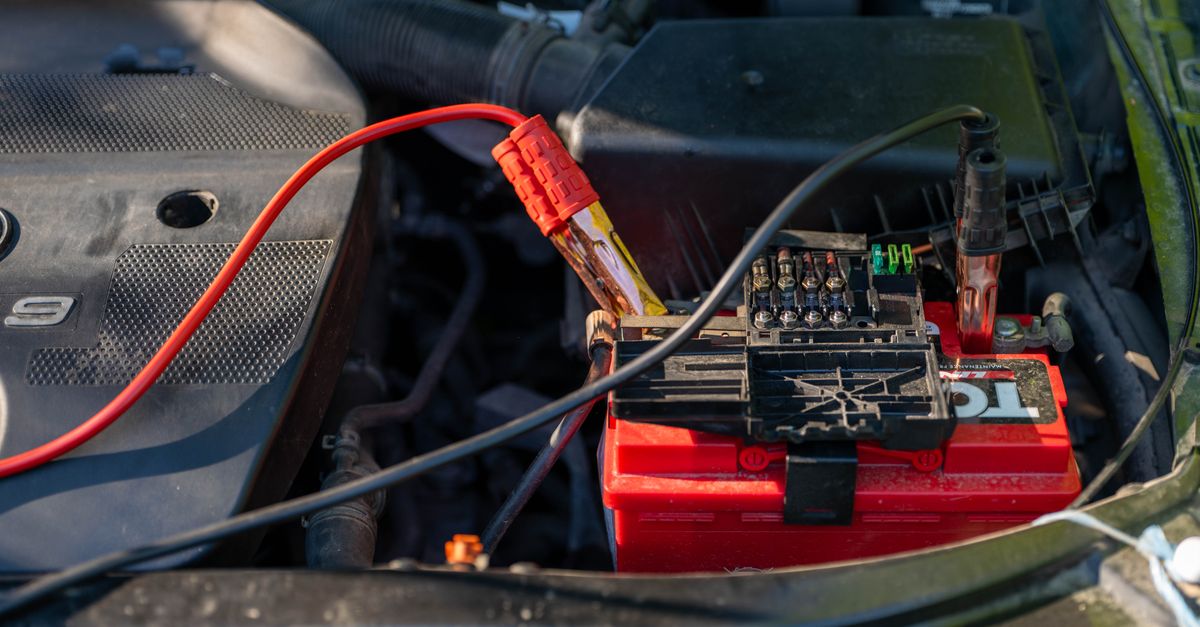
When your vehicle battery dies unexpectedly, having a portable power pack in your trunk eliminates the hassle of flagging down a stranger or waiting for a roadside assistance truck. Because brand-new retail units from reputable brands can command a significant investment, the market for factory-certified equipment has grown considerably. Finding a deal on a high-end portable power box feels like a major win for your wallet, but navigating this niche requires an understanding of how these devices age.
Using a refurbished lithium jump starter buyer guide helps you look past initial sticker discounts to evaluate the actual condition of the internal battery chemistry, peak amperage output, and support terms. While some refurbished goods offer like-new performance at a fraction of the cost, power packs present unique challenges because their internal energy storage degrades over time regardless of whether they sat on a shelf or lived in a hot trunk.
Understanding Refurbishment Tiers: Factory Certified vs. Seller Refurbished
Not all second-hand electronics carry the same pedigree. When shopping for portable power equipment, you will typically encounter two distinct categories of discounted units: factory-certified refurbished and third-party seller refurbished. Making this distinction is your first line of defense against buying a dead unit.
Factory-certified equipment usually originates from direct returns, open-box items, or minor cosmetic blemishes. The original manufacturer or an authorized service center inspects the unit, tests the circuitry, updates any firmware, replaces worn external housings, and certifies that the device meets original operational standards. These units often ship with official accessories like heavy-duty clamps, smart charging cables, and a specialized storage case.
Conversely, third-party refurbished units are often handled by independent liquidators or unknown marketplace sellers. These operations may lack specialized diagnostic equipment capable of measuring the internal resistance and state of health of lithium-ion pouch cells. Purchasing from an unverified seller drastically increases the risk of receiving a device with depleted cells that cannot deliver the surge current required to start an engine. Furthermore, third-party refurbishers often substitute generic charging cables and clamps that may not support the high amperage draw necessary during a crank cycle, introducing an additional point of failure into an already sensitive automotive emergency system.
Chemical Composition: Understanding LiCoO2 and LiFePO4 Cell Types
To fully grasp why some refurbished jump starters perform well while others fail completely, you have to look beneath the plastic casing at the specific chemical formulation of the internal battery cells. Portable jump starters primarily utilize two distinct lithium chemistries: Lithium Cobalt Oxide (LiCoO2) and Lithium Iron Phosphate (LiFePO4).
LiCoO2 cells are prized for their high energy density, allowing manufacturers to pack massive peak current delivery into a very small, lightweight housing that easily fits inside a glove compartment. However, these cells are notoriously sensitive to thermal stress, overcharging, and deep discharge cycles. If a previous owner left a LiCoO2-based jump starter completely depleted for an extended period, the internal chemistry undergoes permanent structural degradation, severely compromising its ability to deliver a high-amperage surge.
On the other hand, LiFePO4 cells are bulkier and heavier, but they offer vastly superior thermal stability, safety, and a significantly higher number of total charge-discharge cycles. Refurbished units built around LiFePO4 chemistry tend to retain their original peak amperage capacity much better over time. When reviewing a second-hand listing, identifying which lithium sub-chemistry powers the device gives you a clearer picture of its long-term durability and resistance to wear.
Lithium-Ion Cell Degradation and Peak Amperage Realities
The core function of any jump box is delivering an immense burst of electrical current over a span of two to three seconds. This capability relies on high-discharge lithium-ion or lithium-iron-phosphate cells arranged in series. However, lithium chemistry is inherently perishable.
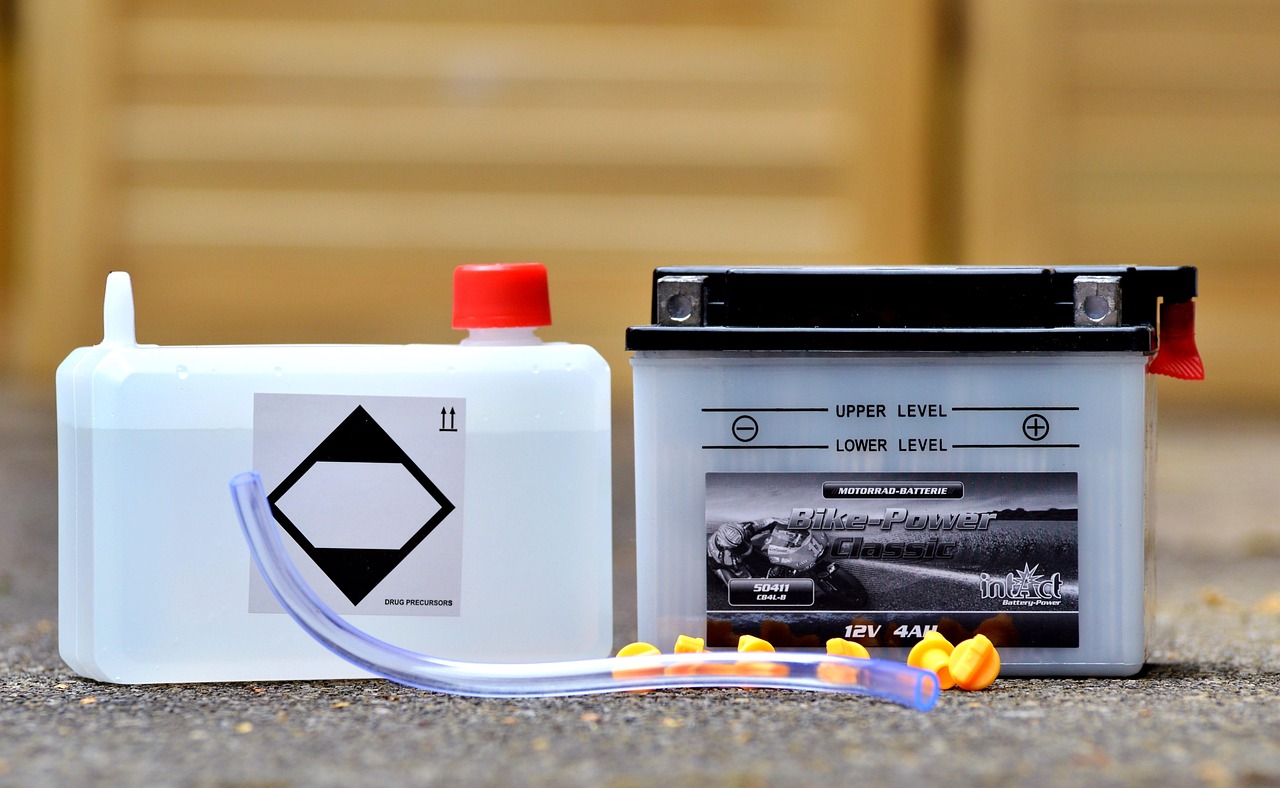
Every time a lithium cell undergoes a charge cycle, or sits exposed to high cabin temperatures during summer months, microscopic chemical changes occur within the electrolyte solution. Over months and years, this causes an increase in internal resistance. When internal resistance climbs, the battery’s ability to discharge high peak amperage drops sharply. A refurbished unit that successfully lights up its LED flashlight and charges your smartphone via USB may still fail entirely when asked to crank a stubborn four-cylinder or V6 engine.
When evaluating a used portable jump starter review or product listing, check whether the vendor specifies peak current retention. Reputable refurbishers test output under load, but many budget listings simply state the theoretical maximum rating printed on the factory box when the unit was brand new, ignoring any operational degradation that occurred before the return. Understanding the gap between theoretical maximum output and actual available cold-cranking amperage under load is essential for managing your expectations on the roadside.
Cold Weather Performance and Internal Resistance Dynamics
One of the most severe tests for any automotive jump starter occurs during freezing winter conditions. Unfortunately, low temperatures and lithium-ion batteries have a notoriously difficult relationship. As ambient temperatures drop below freezing, the viscosity of the electrolyte inside a lithium cell increases, slowing down the movement of lithium ions between the anode and cathode.
This chemical sluggishness causes a temporary spike in internal resistance. If a jump starter is brand new, its internal cells can usually overcome this resistance spike and still deliver enough starting power. However, a refurbished unit that has already experienced partial capacity fade or chemical aging will struggle immensely in sub-zero weather. The combination of increased internal resistance from aging and reduced ionic conductivity from the cold can render a refurbished pack completely ineffective precisely when you need it most.
If you live in a region characterized by harsh winters, you must exercise extreme caution when considering second-hand lithium equipment. A refurbished unit that passed testing in a climate-controlled indoor warehouse during the summer may fail to turn over a cold engine on a freezing January morning.
Decoding Warranty Protection and Exclusions
Warranty coverage is perhaps the most critical differentiator between buying a brand-new retail unit and opting for a refurbished alternative. While new jump starters typically feature a full one-to-two-year manufacturer warranty, refurbished units often operate under compressed timelines.
A standard factory-certified warranty for a refurbished power pack usually spans 90 days to six months. While this window gives you enough time to test the device thoroughly, it falls short of the long-term peace of mind provided by retail packaging. Furthermore, read the fine print regarding what the warranty actually covers. Many secondary warranties exclude battery degradation, normal wear and tear, or damage caused by improper storage—such as leaving the unit discharged in sub-freezing temperatures.
Always verify whether the warranty is backed by the original manufacturer or a third-party insurance provider. Manufacturer-backed warranties are generally easier to redeem and often result in a direct unit swap if a defect surfaces, whereas third-party policies may require you to mail the heavy device back at your own expense for evaluation, which can cost nearly as much as buying a replacement unit.
Safety Circuitry and Intelligent Clamps
Older lead-acid jump boxes relied on brute force and thick copper cables, but modern lithium units depend on sophisticated microprocessors and smart clamp assemblies. These internal computers protect against reverse polarity, short circuits, over-voltage, and back-charging from the vehicle’s alternator.
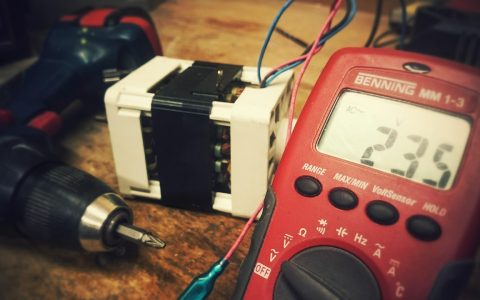
When a unit goes through refurbishment, technicians must verify that these safety circuits remain fully operational. A malfunctioning smart box can fail to recognize a severely depleted vehicle battery, locking out the boost function when you need it most. Factory-certified programs generally include rigorous multimeter and load testing of these safety protocols, whereas unverified used units may harbor hidden circuit board damage from a previous owner connecting the clamps backward.
In addition to reverse-polarity protection, high-end smart clamps monitor the temperature of the connection points during a jump-start attempt. If a refurbished unit has compromised internal wiring or degraded solder joints on the circuit board, excessive heat can build up rapidly during high-amperage draw, triggering thermal shutdowns or, in worst-case scenarios, melting the plastic housing. Ensuring that the smart clamp assembly is fully intact and responsive during initial testing is non-negotiable.
Comparing New Retail vs. Refurbished Jump Starters
To help visualize the practical trade-offs between purchasing a factory-certified unit versus a brand-new retail model, consider how they stack up across key decision criteria:
- Upfront Cost: Refurbished units typically offer savings of 20 to 40 percent off MSRP.
- Battery Lifespan: New units guarantee maximum cycle life, while refurbished units have already consumed a portion of their usable lifespan.
- Accessory Completeness: Factory-certified units usually include original smart cables and cases; third-party refurbishments may substitute generic accessories.
- Support & Returns: New units feature full retail return windows and extended warranties; refurbished units usually carry strict 30-day return limits and short warranties.
- Reliability Predictability: New units offer consistent out-of-box performance, whereas refurbished units require immediate, rigorous stress-testing upon delivery.
How to Test a Refurbished Jump Starter Upon Arrival
If you decide to purchase a factory-certified unit, treat the initial delivery period as an intensive testing phase. Do not wait for a roadside emergency to find out if the device works.
First, inspect the physical housing for signs of deep impact, chemical corrosion around the ports, or bulging plastic panels—any of which indicate physical abuse or a compromised battery cell. Next, charge the unit to 100 percent using its designated wall adapter and monitor how long the process takes. A severely degraded battery may either charge abnormally fast or refuse to hold a maximum charge.
Finally, perform a controlled test on a healthy vehicle with the main ignition fuse pulled or simply verify the unit’s ability to crank a smaller lawn tractor or auxiliary motor if feasible. Many manufacturers also recommend cycling the unit by discharging it through a high-draw USB device and recharging it fully before stowing it away in your trunk. Monitoring the drop in battery percentage indicator lights during a simulated load will tell you whether the cells can sustain output or if they experience rapid voltage sag.
Common Buying Mistakes to Avoid
Navigating the secondary market for emergency automotive gear involves avoiding a few classic missteps:
- Chasing the lowest price: Buying the cheapest unverified unit on an auction site often results in receiving a dead battery brick that cannot be revived.
- Ignoring physical size constraints: Ensure the refurbished unit has sufficient amp ratings for your specific engine displacement rather than buying a compact unit designed only for motorcycles or subcompact cars.
- Overlooking storage maintenance: Forgetting to recharge a lithium jump pack every three to six months while it sits in your trunk will ruin the battery regardless of whether it was bought new or refurbished.
- Assuming all warranties are equal: Failing to check if the warranty is honored by the original manufacturer or a sketchy third-party liquidator.
- Neglecting port functionality: Forgetting to test secondary auxiliary features like USB-C Power Delivery ports, DC output sockets, and built-in LED flashlight modes, which often share internal power management ICs with the main jump-start circuit.
Maintenance Routines for Long-Term Battery Health
Once you secure a reliable factory-certified jump starter, protecting your investment requires disciplined routine maintenance. Unlike traditional lead-acid booster packs that can sit neglected for a year, lithium-ion packs demand proactive care to prevent permanent capacity loss.
Store your jump starter within its optimal temperature window whenever possible. While most units are rated for storage between -4°F and 140°F, leaving a lithium pack inside a sweltering vehicle trunk during peak summer heat accelerates internal chemical degradation. If you live in an area with extreme seasonal weather, make a habit of bringing the jump box indoors during extreme heatwaves or deep freezes.
Additionally, establish a quarterly charging schedule. Plug the unit into a wall charger every three months to verify that it maintains a charge above 75 percent. Even when turned off, internal circuit boards draw a minuscule parasitic current to maintain microprocessor readiness. Letting a lithium battery drop to zero state-of-charge for an extended period triggers deep discharge protection lockouts that often render the unit permanently unrecoverable.
Frequently Asked Questions About Refurbished Jump Starters
Can a refurbished jump starter damage my car’s alternator or electronic control unit (ECU)?
If the unit is factory-certified and its built-in microprocessors and smart clamp circuitry are fully functional, it poses no greater risk to your vehicle’s electrical system than a brand-new unit. However, unverified third-party refurbished units with damaged surge suppression or faulty reverse-polarity protection can introduce dangerous voltage spikes.
How long do lithium-ion jump starters typically last?
A brand-new lithium jump starter generally retains reliable performance for three to five years under normal maintenance conditions. A factory-certified refurbished unit may have already consumed one to two years of that lifespan prior to resale, meaning you should anticipate a shorter operational window.
Is it safe to leave a refurbished lithium jump starter in my trunk year-round?
While convenient, leaving any lithium battery exposed to prolonged extreme heat or sub-freezing temperatures accelerates degradation. For maximum lifespan, store it in your trunk during moderate seasons, but bring it inside during severe winter or summer extremes.
Making Your Final Decision
Choosing between a brand-new retail jump starter and a factory-certified refurbished model comes down to balancing your risk tolerance against your budget. If you maintain a strict vehicle maintenance schedule and want a reliable safety net for occasional roadside mishaps, a factory-certified unit from a top-tier brand can deliver exceptional value. However, if you live in an extreme climate with harsh winters where reliable peak amperage is non-negotiable, investing in a brand-new retail unit with full warranty coverage remains the safer path for long-term peace of mind.