When major home appliances break down or require upgrading, the price tag for brand-new inventory can cause immediate sticker shock. To keep costs manageable, millions of shoppers turn to liquidated inventory, store floor models, customer returns, and cosmetically damaged stock. However, evaluating the open box appliance outlet store warranty risk US shoppers face requires a clear understanding of seller designations, manufacturer policies, and legal fine print. Upfront discounts ranging from 20% to more than 50% off original manufacturer suggested retail prices (MSRP) are common, but the long-term value of these deals depends heavily on where you buy and what happens if the machine fails after installation.
The marketplace for discounted major appliances is split into two primary channels: factory-certified authorized dealers (including outlet divisions of national big-box retailers) and independent open-box liquidators or regional appliance outlets. While both sell units that cannot be marketed as factory-sealed, the implications for your warranty, repair rights, and recourse in the event of a total failure differ dramatically. Understanding how these channels operate—and reading the fine print before swiping your credit card—is the key to securing a genuine bargain rather than inheriting someone else’s unresolved headache.
Defining the Channels: Open-Box Outlets vs. Factory-Certified Dealers
To evaluate potential risks, it helps to understand how appliances end up in secondary retail channels and how different retailers classify their inventory.
An authorized factory-certified dealer is a retailer that holds a direct contractual agreement with appliance manufacturers like Whirlpool, GE Appliances, LG, Samsung, or Bosch. When these dealers sell open-box, display, or floor-model inventory, the manufacturer generally recognizes the transaction as a first-hand retail purchase. In most cases, the full original manufacturer warranty activates on the date of purchase, provided the item is sold as new open-box inventory rather than used or salvaged stock.
Independent open-box appliance outlets, by contrast, frequently purchase excess inventory, wholesale return truckloads, insurance salvage lots, or freight-damaged goods through secondary liquidation auctions. These outlets may not have any contractual relationship with the appliance manufacturer. As a result, the manufacturer may classify sales from these venues as second-hand, unauthorized, or final-sale transactions, which can immediately void factory coverage regardless of whether the appliance has ever been turned on.
Common Open-Box Inventory Classifications
- Floor Models and Display Units: Appliances that sat on retail showroom floors. They rarely hold water or process loads, but doors, drawers, and control buttons may have experienced heavy handling by shoppers.
- Customer Returns (Buyer’s Remorse): Units purchased, delivered, and returned within standard 15-to-30-day store windows. Reasons range from wrong dimensions or color mismatches to minor operational complaints or immediate change of mind.
- Cosmetic Scratch-and-Dent: Units sustained exterior cabinet, door, or side panel damage during transport or warehouse handling. Functional mechanical components are typically untouched, but physical blemishes keep them off traditional retail floors.
- Refurbished or Reconditioned: Appliances that suffered an initial failure, were returned to the manufacturer or a third-party repair facility, repaired with replacement parts, and cleared for resale.
- Freight-Damaged or Freight-Salvage: Goods damaged while in transit between factories, distribution centers, or stores. Cabinet frames may be warped or internal structural supports bent, posing functional risks despite an appealing price tag.
The Warranty Spectrum: Full Factory Protection vs. As-Is Exclusions
The single largest variable in purchasing an open-box appliance is the status of the manufacturer’s limited warranty. Every major brand publishes strict terms regarding who qualifies for coverage and under what conditions warranty claims will be paid.
When you purchase an open-box appliance from an authorized factory-certified dealer, the primary benefit is retaining the original standard warranty—typically covering parts and labor for one year from the date of purchase. Some premium components, such as linear compressors in refrigerators or direct-drive motors in washing machines, may carry extended multi-year parts warranties that remain fully intact.
When purchasing from an independent outlet store, however, the warranty status becomes far more unpredictable. Below are the three main risk levels you will encounter on the sales floor:
1. Full Original Manufacturer Warranty
This represents the best-case scenario. The retailer provides an itemized bill of sale showing the model and individual serial number, clearly marked as a new purchase. The manufacturer honors the full standard warranty starting on your invoice date. To ensure this coverage is valid, you must register the product directly on the manufacturer’s official portal immediately after purchase.
2. Remaining or Prorated Manufacturer Warranty
If the appliance was previously purchased and registered by a prior customer before being returned, the manufacturer’s system may show that the clock on the standard one-year warranty started weeks or months earlier. Some manufacturers allow the balance of the warranty to transfer to a secondary buyer if proof of purchase from an authorized reseller is provided, but others consider the warranty non-transferable once registered by the original purchaser.
3. Complete Factory Warranty Exclusion (“As-Is” Sales)
This is where buyers encounter significant exposure to open box appliance outlet store warranty risk US consumers often overlook. Many manufacturer warranty agreements explicitly state that items purchased from unauthorized liquidators, auction houses, or marked as “As-Is,” “Clearance Salvage,” or “Used” carry no factory warranty protection whatsoever. If a sealed cooling system fails or a main circuit board burns out two weeks after installation, the manufacturer will decline service calls, leaving the buyer fully responsible for parts and labor fees.
Reading the Scratch and Dent Appliance Warranty Fine Print
Before purchasing any discounted appliance, closely reviewing the terms on the sales invoice and manufacturer documentation is critical. Retailers and manufacturers use specific phrasing in their agreements to limit financial liability for post-purchase defects.
When evaluating scratch and dent appliance warranty fine print, pay careful attention to how cosmetic defects and pre-existing conditions are classified. Standard manufacturer warranties routinely state that cosmetic damage—including scratches, dents, chips, paint discolorations, and trim imperfections—must be reported within a very narrow window (often 7 to 30 days from original delivery) to be covered for replacement.
More importantly, if an appliance is sold explicitly as a scratch-and-dent unit, the original manufacturer warranty (if active) will strictly exclude any service calls or panel replacements for existing cosmetic flaws. The warranty will only cover functional, mechanical, or electrical failures. If a dented side panel on a refrigerator puts pressure on an internal cooling coil or fan shroud, determining whether a subsequent breakdown is a covered mechanical failure or an excluded cosmetic structural flaw can lead to disputed claims.
Critical Fine-Print Clauses to Look For
- Serial Number Defacement Clauses: Manufacturers explicitly void warranties if the factory serial number plate or sticker has been removed, altered, defaced, or covered. Always check that the metal or printed serial label inside the cabinet is intact and matches your receipt exactly.
- “No In-Home Service Zone” Limits: Some discount outlets sell commercial-grade or specialized residential units with limited service territory provisions. If you live outside a major metropolitan area, the warranty may require you to pay travel charges for authorized technicians or ship the unit back at your own expense.
- Commercial or Non-Residential Use Voiding: If an open-box residential washer or refrigerator is installed in a rental property, multi-family common area, or office breakroom, manufacturers routinely cancel warranty coverage entirely.
- Replacement versus Repair Limits: Standard warranties give the manufacturer the sole right to repair a defective unit. If an open-box appliance cannot be repaired, manufacturers generally replace it with a comparable unit. However, if the item was purchased at a heavy discount from an unauthorized outlet, the manufacturer may refuse a full replacement and only offer a refund equal to your actual discounted purchase price.
Risky Categories: Buying Returned Washers and Refrigerators
While basic appliances like drop-in electric ranges, standard dishwashers, and manual microwave ovens carry fewer complex moving parts, extra caution is necessary when buying returned washers and refrigerators. These two product categories represent the highest service-call volume in the major appliance industry and present distinct risks when bought open-box.
Refrigerators: High Mechanical Complexity and Fragile Sealed Systems
Modern refrigerators are sensitive ecosystem machines featuring complex dual-evaporator systems, computerized inverter compressors, digital temperature sensors, through-the-door ice dispensers, and internal water filtration networks. Unpacking, transporting, and re-packing a large French door or side-by-side refrigerator creates numerous points of vulnerability:
- Sealed System Damage: Liquid nitrogen or Freon lines can develop micro-fractures if the unit was laid flat or jostled violently during transport. Micro-leaks can take several weeks or months to drop temperatures below food-safe levels, long after short-term outlet return windows have expired.
- Compressor Oil Displacement: If a refrigerator was stored or transported on its side by a liquidator and turned on immediately after upright delivery without resting for 24 hours, oil from the compressor can flow into the evaporator coils, causing permanent cooling failure.
- Door Alignment and Gasket Leaks: Open-box models frequently suffer subtle door hinge twists during transport. Improperly sealed magnetic door gaskets allow humid ambient air to enter, leading to heavy frost accumulation, continuously running compressors, and elevated electric bills.
Washing Machines: Unseen Internal Stress and Shipping Bolt Risks
Clothes washers—particularly high-efficiency front-load designs—depend on precise balance systems, heavy concrete counterweights, suspension springs, and delicate electronic control boards to handle spinning speeds up to 1,200 RPM.
- Omission of Shipping Bolts: New front-load washing machines ship from the factory with steel transit bolts securing the wash tub to the outer chassis. When a customer returns a washer, they rarely re-insert these bolts before transport back to the store. Moving an unbolted washer in a truck can bend internal shocks, crack outer plastic tubs, or damage drive motors.
- Hidden Water Damage and Mold: Customer-returned washers may have held residual water in the pump housing or door bellows during weeks of warehouse storage. This standing water creates toxic mold growth, corrodes internal wiring connections, or freezes and cracks plastic valve manifolds during cold winter transit.
- Unbalanced Drum Assemblies: An open-box washer may have been returned precisely because the initial buyer noticed aggressive vibration or loud bearing noise caused by a factory alignment flaw. If the outlet does not perform live water tests, that defect is passed directly to the next buyer.
Comparing Outlet Channels vs. Factory Dealers
To help weigh the financial savings against potential risks, the table below compares key operational factors across factory-certified dealers, big-box open-box programs, and independent outlet stores:
| Feature / Risk Factor | Factory-Certified Dealer | Big-Box Retail Open-Box | Independent Outlet Store |
|---|---|---|---|
| Upfront Price Discount | 15% to 35% off MSRP | 20% to 40% off MSRP | 30% to 60%+ off MSRP |
| Factory Warranty Status | Full 1-Year (Standard) | Full 1-Year (Usually) | Often Void or Limited |
| Return Policy Window | 15 to 30 Days | 14 to 48 Hours / Limited | Final Sale / No Returns |
| In-House Functional Testing | Certified Inspection | Basic Visual Check | Varies Widely / Untested |
| Missing Parts / Accessories | Replaced or Disclosed | Noted on Sticker / Missing | Buyer Responsibility |
| In-Home Delivery Options | Full Service & Hookup | Delivery Only / Variable | Curbside or Haul-Your-Own |
Missing Parts, Accessories, and Hidden Hardware Costs
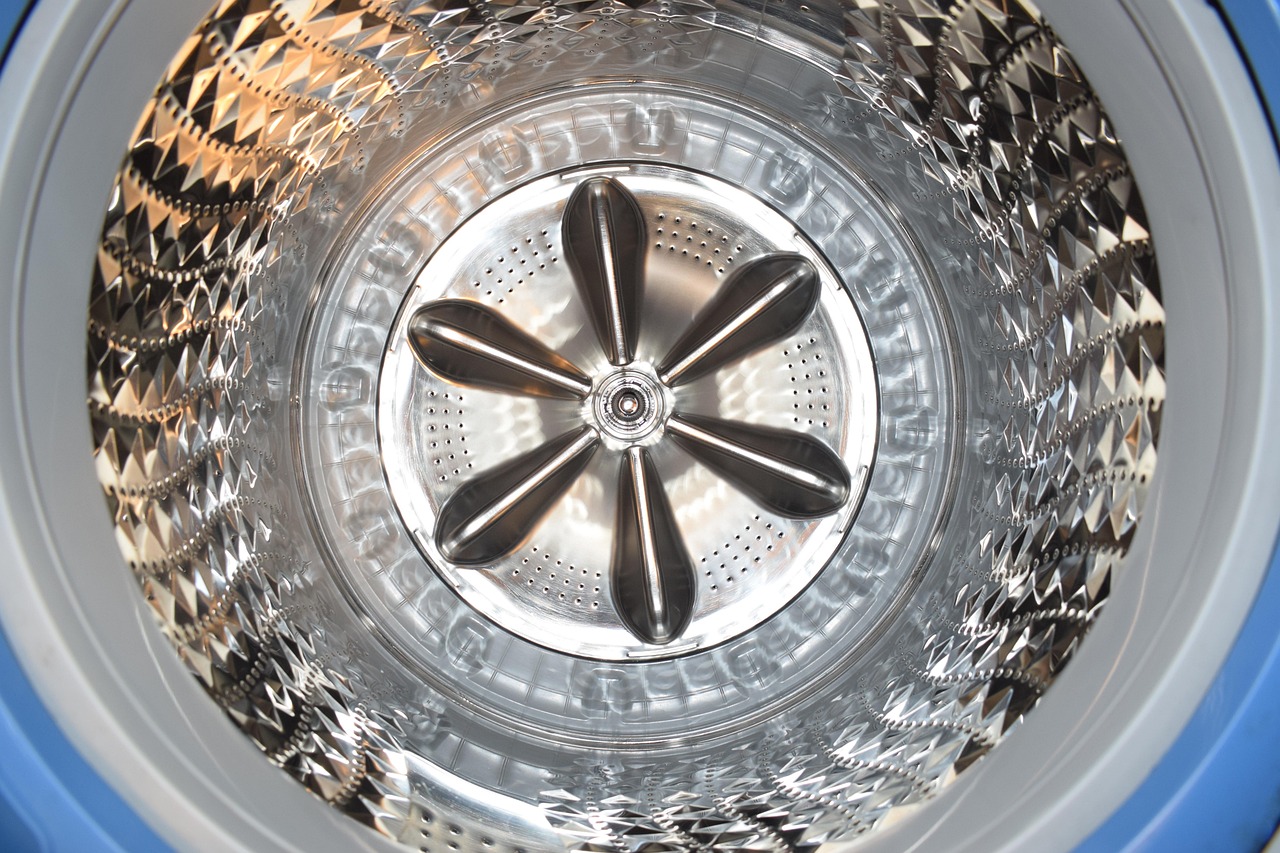
A frequent hidden expense when purchasing open-box appliances is the absence of vital installation hardware, factory accessories, or specialized fittings. When factory-sealed units leave the assembly line, they include customized mounting brackets, specialized drain hoses, fill valves, conversion kits, and user manuals inside the tub or cabinet.
During customer returns or floor model tear-downs, these accessory bags are often misplaced, discarded, or retained by original installers. Replacing these missing parts on your own can quickly reduce the savings achieved at checkout.
Common Missing Components and Their Real Costs
- Range Anti-Tip Brackets: Federal safety standards require anti-tip brackets on all residential ranges to prevent tipping when heavy doors are opened. Open-box ranges rarely include these brackets, requiring you to order OEM replacements ($20–$50) and schedule installation.
- Range LP Gas Conversion Kits: If you buy a gas range set up for natural gas but require liquid propane (or vice versa), the original factory conversion orifices are frequently missing. Ordering manufacturer-specific brass orifices can cost $40 to $120 plus professional plumbing labor.
- Refrigerator Water Line Fittings and Shelving: Specialized plastic door bins, ice bucket assemblies, and OEM water filter bypass plugs can be surprisingly expensive to replace through official parts distributors, with individual door bins costing $50 to $150 each.
- Dishwasher Mounting Brackets and Trim Kits: Under-counter mounting clips, side filler strips, and acoustic kick-plate insulation panels are regularly lost during display removals. Without them, dishwasher vibrations can cause cabinet noise or improper leveling.
- Washer Drain Hoses and Stacking Kits: Front-load washer-dryer stacking kits cost $40 to $90. Proprietary drain hose extensions and water supply screens must often be ordered directly from authorized factory replacement parts suppliers.
Delivery, Freight Damage, and Return Policy Pitfalls
The journey from the retail floor or outlet warehouse to your home utility room represents another major risk point in open-box buying. Delivery rules for discounted goods are usually far more restrictive than standard new-in-box purchases.
Final Sale Directives and Narrow Return Windows
Mainstream big-box retailers typically offer 15-to-90-day return windows for standard purchases. However, their open-box policies frequently shorten this window to 48 hours to 14 days, with some imposing restocking fees ranging from 15% to 25% of the purchase price. Independent liquidators often apply strict “Final Sale – As-Is” policies, meaning once the appliance leaves their loading dock, all sales are final regardless of whether the unit functions upon installation.
Curbside vs. In-Home Professional Delivery Risks
Full-service delivery for brand-new appliances includes unboxing, carrying the unit into your room of choice, leveling, connecting utilities, and testing basic functionality. Discount open-box outlets, by contrast, frequently utilize third-party curbside delivery services or require buyers to transport the items themselves.
If you transport an open-box appliance in your own truck or trailer, any damage sustained during loading, transit, or unloading becomes your sole responsibility. Furthermore, if you damage your home’s door frames, drywall, or flooring while maneuvering a 300-pound refrigerator, no delivery insurance coverage exists to compensate you.
Concealed Delivery Damage Protocols
If you choose delivery from an outlet store, you must inspect the appliance before signing the bill of lading or delivery receipt. Once you sign that document without noting damage, both the carrier and the outlet store will reject subsequent claims for structural or cosmetic defects, alleging the damage occurred after delivery.
Third-Party Service Contracts vs. Manufacturer Support
To offset the absence of factory coverage, open-box outlet stores heavily promote third-party extended protection plans. These contracts, issued by independent warranty companies, are structured differently from original factory warranties and require careful evaluation before purchasing.
Key Differences Between Manufacturer Warranties and Service Contracts
Factory warranties are backed directly by the manufacturer, utilizing factory-trained brand technicians and genuine original equipment manufacturer (OEM) replacement parts. Standard service response times are relatively short, and service technicians carry brand-specific diagnostic tools.
Third-party service contracts operate like indemnification insurance policies. When a breakdown occurs, you file a claim with a centralized clearinghouse, which dispatches an independent locally contracted repair technician. Key issues to consider with third-party service contracts include:
- Authorization Delays: Independent technicians often must submit written repair estimates to the warranty administrator for approval before ordering parts, extending repair timelines from days to several weeks.
- Aftermarket vs. OEM Parts Usage: Many third-party contracts permit repair technicians to use generic aftermarket or refurbished parts to keep claim costs low, which may compromise appliance longevity or efficiency.
- Depreciation and “Lemon Clause” Limits: Many extended contracts limit total payout over the life of the plan to the original discounted purchase price of the appliance. If a repair estimate exceeds that discounted amount, the insurer simply issues a check for the balance and cancels the policy.
- Pre-Existing Condition Exclusions: Read the protection plan language carefully. Nearly all third-party contracts strictly exclude pre-existing defects. If an independent technician determines that a failure was caused by a pre-existing shipping dent or structural misalignment that occurred before purchase, the administrator will deny coverage.
The Pre-Purchase Inspection Checklist
If you decide to purchase an open-box or scratch-and-dent appliance, perform a thorough physical and electrical inspection on the sales floor. Never buy an open-box unit based solely on online photos or high-level descriptions.
Step 1: Inspect External Structures and Seals
- Examine all corners, rear bottom edges, and support feet for frame twists or heavy impact damage. A warped chassis can prevent doors from sealing correctly or cause severe cabinet vibration during operation.
- Check rubber door gaskets for tears, cracks, or permanent compressions that prevent airtight seals.
- Open and close all doors, drawers, and glide racks repeatedly to verify smooth operation without rubbing against side walls.
Step 2: Examine Internal Systems and Serial Labeling
- Locate the factory model and serial number tag inside the unit. Ensure the label is firmly attached, clean, legible, and unpunched. Take a clear photograph of this tag for your records.
- Inspect refrigerator evaporator coils, compressor compartments, and drain pans for signs of oil stains, which can indicate refrigerant line ruptures.
- Inspect laundry tubs, wash impellers, and drain pump areas for standing water, rust, or mold growth.
Step 3: Request an Operational Floor Test
- Ask the sales staff to plug the unit into standard electrical power on the showroom floor.
- Test the control panel touchpads, digital displays, internal lighting, and control knobs. Ensure no error codes (such as “E1” or “F0”) appear on the display when powered on.
- For laundry units, listen closely to the motor sound during a brief drain or spin cycle to check for bearing noise or unbalanced tub movement.
Step 4: Verify Invoice Documentation and Warranty Wording
- Ensure the invoice clearly lists the unique serial number of the specific appliance you are purchasing, rather than a generic model number.
- Verify that the invoice itemization explicitly states the warranty status—whether “Full Factory Warranty Included,” “30-Day Store Warranty,” or “Sold As-Is.”
- Obtain written confirmation of the specific store return policy, including restocking fees and return transportation responsibilities.
Final Decision Matrix: When to Buy Open-Box and When to Pass
Deciding whether to buy open-box or pay full price for factory-sealed inventory comes down to your risk tolerance, technical comfort level, and the specific appliance category involved.
When to Buy Open-Box
- Basic Mechanical Appliances: Electric cooktops, wall ovens, simple microwave units, and basic chest freezers feature straightforward components and carry lower operational failure rates.
- Purchases from Authorized Factory Dealers: When a certified dealer sells floor models or customer returns with full original factory warranty protection intact, the financial risk is minimized.
- Cosmetic Damage on Hidden Surfaces: Deep discounts on appliances with heavy scratches or dents on side panels that will be completely hidden between kitchen cabinets offer genuine value with zero visual impact.
When to Walk Away
- Heavy Freight or Structural Damage: Avoid units with twisted cabinet frames, crushed rear bases, or dented compressor housing plates, as internal mechanical components may be misaligned or compromised.
- Missing Factory Serial Tags: If the serial number sticker has been defaced, removed, or altered, walking away is best. You will be unable to register the product, claim factory warranty support, or safely execute future recall notices.
- High-Complexity Units Sold “As-Is” Without Coverage: Passing on high-end French door refrigerators, built-in ice makers, or complex front-load laundry pairs sold completely “As-Is” by unauthorized liquidators is usually wise. Understanding the open box appliance outlet store warranty risk US consumers accept on complex units helps protect your budget from costly post-purchase repairs.
Frequently Asked Questions
Can I purchase an extended warranty directly from the manufacturer for an open-box appliance?
In most cases, yes—provided the appliance was bought from an authorized factory dealer and still has a valid standard manufacturer warranty. If the item was purchased from an unauthorized liquidator or marked “As-Is,” major brands usually disallow registration and will decline selling factory-backed extended service plans.
What should I do if my open-box appliance arrives with unlisted damage?
Refuse the delivery immediately if possible. If the delivery is already complete, document the damage with clear photographs and notify the seller in writing within 24 to 48 hours. Review your bill of lading to see if damage notes were included upon arrival.
Are open-box appliances eligible for energy efficiency utility rebates?
Yes, as long as the specific model meets ENERGY STAR standards and you receive a valid itemized sales receipt showing the qualified model number. Utility rebate programs care about appliance efficiency specifications rather than packaging status, though some programs require receipts from authorized retail dealers.
By assessing warranty coverage terms, verifying dealer authorization status, inspecting physical inventory in person, and accounting for missing installation hardware, you can confidently navigate open-box outlets and secure reliable home appliances at genuine discount prices.