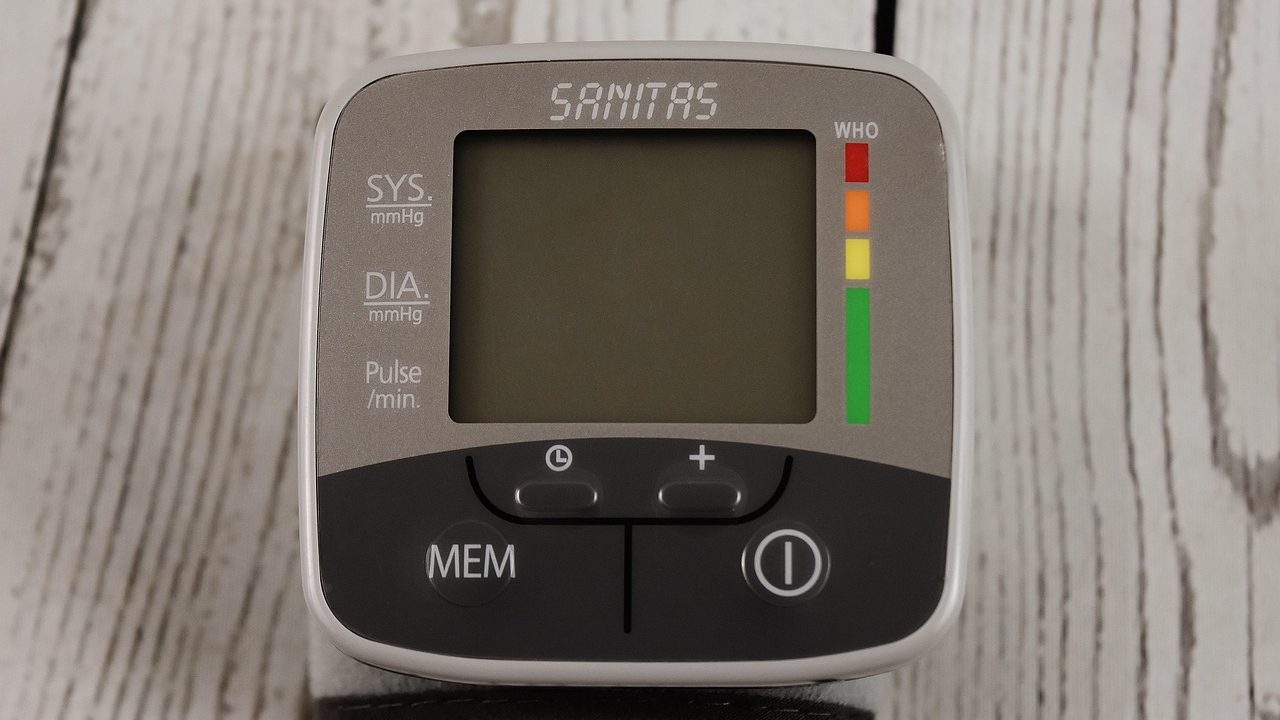
Rising out-of-pocket medical costs have driven millions of Americans to seek budget-friendly alternatives for chronic disease management and post-operative monitoring. Understanding the refurbished medical equipment warranty risk home health US buyers face is vital before relying on pre-owned vital sign monitors. While saving 30 to 60 percent on a clinical-grade blood pressure monitor or pulse oximeter sounds like a smart shopping strategy, the intersection of mechanical wear, software degradation, and fine-print warranty exclusions can turn a bargain into a health hazard.
Unlike standard consumer electronics like smartphones or laptops, where a minor display defect or aging battery is merely an inconvenience, home health monitoring tools directly inform daily medical decisions. A faulty reading can lead to a missed medication dose, an unnecessary trip to the emergency room, or a dangerous delay in recognizing a hypertensive crisis. Navigating secondary-market medical devices requires looking beyond surface aesthetics to examine how internal components age, how seller warranties operate in practice, and how to verify device accuracy in a home setting.
The Refurbishment Spectrum: OEM vs. Third-Party vs. Open-Box
Not all secondary-market medical equipment is restored to the same standard. The term “refurbished” is frequently applied to vastly different inventory tiers, ranging from factory-rebuilt units to quick cosmetic wipe-downs performed by liquidation resellers. Recognizing these distinctions is the first step in assessing purchase risk.
Original Equipment Manufacturer (OEM) Refurbished
OEM-refurbished equipment represents the highest standard in the secondary market. Devices returned to the original manufacturer under warranty programs or lease agreements undergo rigorous reconditioning. The factory technicians replace worn mechanical parts, install fresh internal batteries, upload the latest firmware, and re-run original factory calibration sequences using specialized testing equipment. Crucially, OEM-refurbished products typically ship with an official manufacturer warranty that matches or closely mirrors the coverage provided with brand-new units.
Third-Party Refurbished
Third-party refurbishment is performed by independent medical equipment service companies or general electronics resellers. While reputable third-party vendors adhere to strict ISO standards and employ qualified biomedical equipment technicians (BMETs), quality varies wildly across the market. Smaller sellers may lack the proprietary diagnostic software or specialized testing fixtures needed to perform full multi-point recalibrations. Instead, their process may consist primarily of cleaning the chassis, running a basic power-on self-test, and replacing missing outer accessories. Warranties on these items are underwritten entirely by the third-party seller or an external service plan provider, not the original device maker.
Seller-Refurbished and “Open-Box” Returns
This category carries the highest consumer risk. Products labeled as seller-refurbished on popular e-commerce marketplaces or liquidator sites are often customer returns that were briefly inspected and repackaged. An open-box return may have been used continuously for 30 days before being sent back, during which time it may have suffered fluid exposure, physical drops, or improper storage in extreme heat or humidity. These units rarely undergo technical recalibration, and their warranties are often restricted to brief 30-day seller return windows.
Understanding Sensor Calibration Drift in Home Health Devices
The primary technical failure mode in secondary-market medical devices is not sudden mechanical breakdown, but rather calibration drift. Calibration drift refers to the gradual departure of a sensor’s readings from true physical values over time. Because this degradation occurs quietly inside solid-state electronics and mechanical valves, the user rarely receives an error code or visual warning on the screen.
Every electronic medical sensor relies on physical materials that alter their electrical properties in response to physiological changes. As these materials age, exposure to ambient moisture, physical vibration, and repeated thermal cycling causes their baseline performance to shift. In a new device, internal software compensates for minor environmental shifts within strict design tolerances. However, as components exceed their designed service life, this drift exceeds the software’s correction algorithms, yielding incorrect measurements that still look entirely plausible to the patient.
When assessing blood pressure monitor accuracy, for instance, a patient cannot tell by visual inspection whether internal pressure sensors are reading 138 mmHg when the true arterial pressure is 150 mmHg. This unannounced variance can lead to systemic errors in treatment plans overseen by telehealth providers or attending physicians.
Evaluating Specific Home Health Device Categories
Different health monitoring tools utilize distinct sensor technologies, each with unique vulnerability profiles when purchased pre-owned. Evaluating risk requires analyzing how each primary device type degrades over time.
Blood Pressure Monitors
Digital sphygmomanometers utilize an inflatable cuff, an internal electric pump, a deflation control valve, and a piezoresistive pressure transducer. Accuracy depends entirely on the precise physical calibration of the pressure transducer and the linear performance of the deflation valve.
- Transducer Fatigue: Micro-machined silicon pressure sensors experience physical stress over thousands of inflation cycles, causing baseline drift.
- Valve Degradation: Bleed valves can accumulate microscopic dust, skin oils, or lint, altering the deflation rate. If the cuff deflates too fast or too slow, the oscillometric algorithm miscalculates systolic and diastolic pressures.
- Cuff Degradation: Used arm cuffs often suffer from stretched fabric, degraded Velcro, or micro-tears in the internal bladder, leading to irregular pressure application around the brachial artery.
Pulse Oximeters
A certified pre-owned pulse oximeter relies on photoplethysmography (PPG)—shining light at red (660 nm) and infrared (940 nm) wavelengths through tissue to measure oxygenated versus deoxygenated hemoglobin ratios. These devices are exceptionally sensitive to optical and electronic aging.
- LED Output Decay: Light-emitting diodes lose luminous intensity over time. As LED output dims, the photodetector receives a weaker signal, increasing electrical noise and reducing accuracy in low-perfusion states.
- Photodiode Degradation: Ambient sunlight exposure and age can yellow the protective optical lenses or degrade the silicon photodiode response, altering the calculated SpO2 percentage.
- Spring and Hinge Strain: Used finger-clip mechanisms lose tension over time, leading to improper finger positioning and ambient light leaks that corrupt sensor readings.

Oxygen Concentrators
Portable and stationary oxygen concentrators filter ambient air through molecular sieve beds filled with synthetic zeolite material to deliver concentrated oxygen (typically above 90%). These units are heavy-duty electro-mechanical machines subjected to continuous wear.
- Sieve Bed Exhaustion: Zeolite granules degrade when exposed to ambient humidity. If a refurbished unit sat in an unconditioned warehouse before resale, the sieve beds may be moisture-logged, reducing oxygen concentration output below safe medical thresholds (87–96%).
- Compressor Wear: Internal piston compressors lose seal integrity over thousands of running hours, decreasing working pressure and increasing operating temperature.
- Filter Saturation: Used units often harbor accumulated dust and biological residue in internal intake pathways if non-OEM filters were substituted during quick reconditioning.
Continuous Glucose Monitor (CGM) Readers and Transmitters
While wearable CGM sensors are strictly single-use disposables, rechargeable reader hardware and durable multi-use transmitters are frequently resold online. The risk here centers primarily on battery degradation and micro-controller clock drift, which can desynchronize glucose trend graphs and fail to trigger low-blood-sugar alarms during sleep.
Dissecting Warranty Protections: Terms, Exclusions, and Void Clauses
A primary trap for buyers evaluating the refurbished medical equipment warranty risk home health US market lies in misinterpreting warranty coverage. A listing displaying a “1-Year Warranty” badge does not guarantee protection against the most common failure modes.
| Warranty Type | Typical Duration | Calibration Covered? | Key Risks & Limitations |
|---|---|---|---|
| OEM Factory Refurbished | 1 to 3 Years | Yes (Full) | Higher initial purchase cost; limited availability on newer models. |
| Third-Party ISO Certified Vendor | 90 Days to 1 Year | Varies (Check Fine Print) | May require customer to pay round-trip shipping; calibration often excluded. |
| Marketplace Reseller Guarantee | 30 Days | No | Only covers arrival condition (“Dead on Arrival”); no protection against drift. |
| Extended Protection Plan Add-On | 1 to 3 Years | Rarely | Considers calibration normal wear and tear; requires proof of complete hardware burnout. |
When scrutinizing a warranty agreement for secondary-market medical gear, pay close attention to three common contractual traps:
- The “Normal Wear and Tear” Exclusion: Most third-party service plans explicitly refuse claims related to medical device calibration or routine sensor recalibration. If a blood pressure cuff strays by 15 mmHg but still powers on and inflates, the administrator will classify the issue as expected component wear rather than a claimable defect.
- Void Upon Transfer Clauses: Original manufacturer warranties are almost universally non-transferable. If an individual buys an open-box device that was originally purchased brand new six months ago, the remaining six months of manufacturer warranty are rendered void the moment ownership transfers to a second buyer.
- Unauthorized Service Invalidations: If a third-party refurbisher opened the device housing to clean internal components, any original manufacturer seal is broken. Should the unit subsequently fail, the OEM will decline service, even if paid out-of-pocket, because the internal architecture was modified by uncertified hands.
FDA Regulation and Regulatory Reality for Pre-Owned Gear
In the United States, the Food and Drug Administration (FDA) regulates medical devices based on risk classifications: Class I (low risk, e.g., manual stethoscopes), Class II (moderate risk, e.g., digital blood pressure monitors, pulse oximeters, and powered oxygen concentrators), and Class III (high risk/life-sustaining, e.g., pacemaker programmers and implantable devices).
While the FDA maintains strict Quality System Regulations (QSR) under 21 CFR Part 820 for original manufacturers, regulatory oversight becomes diluted in the secondary consumer market. Resellers who simply clean and resell used Class II devices are not held to the same manufacturing plant registration requirements as original producers, provided they do not significantly alter the device’s intended design or functionality.
This regulatory gap places the burden of quality assurance squarely on the buyer. While hospital-grade medical devices bought used by medical facilities undergo mandatory biomedical inspection by licensed engineers under strict state regulations, consumer-bound secondary devices delivered directly to a home address face no such mandated pre-delivery inspection unless sold directly by an OEM-certified refurbisher.
The Hidden Economic Costs of Third-Party Warranties
Many shoppers purchase cheap third-party protection plans at checkout, believing they have eliminated financial risk. However, the true administrative and logistical friction of servicing a secondary-market health device under an aftermarket contract often far exceeds the upfront savings.
Consider the practical steps required to execute an aftermarket claim on a faulty refurbished monitor:
- Diagnostic Proof Requirements: To file a successful claim, third-party claim adjusters often demand formal documentation from a certified biomedical lab proving that the device is out of tolerance. Obtaining a professional calibration report for a home blood pressure cuff can cost $50 to $100, easily outpacing the market value of the unit itself.
- Shipping and Freight Costs: Most aftermarket warranty policies stipulate that the policyholder pays all freight and insurance fees to ship defective equipment to a centralized repair depot. Shipping a 15-pound oxygen concentrator across the country with insurance can run $40 to $80 each way.
- Downtime Without Loaner Coverage: Unlike critical hospital service contracts, consumer aftermarket warranties rarely provide loaner units while a device is under evaluation. If a patient relies on a daily oxygen concentrator or blood pressure monitor, waiting three to six weeks for a warranty determination forces them to purchase or rent a replacement unit in the interim.
At-Home Verification and Testing Protocols
If you purchase secondary-market health equipment or want to verify an existing device that is out of warranty, running standard verification protocols before relying on its output for medical decisions is imperative.
Verifying Digital Blood Pressure Monitors
Do not rely on a single visual inspection or basic power check. Follow this clinical verification framework:
- The Clinical Office Comparison: Take your refurbished monitor directly to your next primary care physician or cardiology appointment. Ask the medical assistant to take your blood pressure using a manual mercury or aneroid sphygmomanometer. Immediately follow that reading with a test on your refurbished digital device using the exact same arm at heart level. Repeat the process after 5 minutes of quiet rest. If the readings differ by more than 5 mmHg systolic or diastolic, the digital unit’s internal calibration or cuff fit is compromised.
- Zero-Point Pressure Check: Turn the unit on while the cuff is completely unrolled and laid flat on a table. If the screen displays anything other than zero before the pump starts, the pressure transducer has suffered baseline drift and cannot be trusted.
- Cuff Leak Test: Wrap the cuff tightly around a rigid cylindrical object (like a full, firm plastic bottle or canister). Inflate the cuff manually if the device allows, or run a cycle and listen closely near the connector tube and valve housing. Any faint hissing sound indicates a micro-leak in the bladder or hose coupling, which causes incorrect oscillometric calculations.
Verifying Pulse Oximeters
Pulse oximeters are vulnerable to sensor decay, but you can run several basic baseline checks at home:
- Breath-Hold Response Challenge: Place the oximeter on your index finger while sitting quietly and note your baseline SpO2 (typically 95–99% for healthy individuals). Take a deep breath and hold it comfortably for 20 to 30 seconds. A functional, responsive oximeter should show a temporary drop of 1 to 3 percent in oxygen saturation followed by a quick recovery upon normal breathing. If the reading remains completely static or jumps erratically by 10 percent, the signal processing or optical sensor is degraded.
- Cross-Validation with a Known Good Device: Compare the output simultaneously against a newer, factory-calibrated finger oximeter or a reputable smartwatch pulse oximeter feature. While smartwatches are not diagnostic medical tools, major brand wearables provide a helpful secondary datapoint for identifying severe photodiode errors.
- Perfusion Index Check: High-quality pulse oximeters display a Perfusion Index (PI) percentage representing pulse strength. If your device displays a PI below 0.4% under warm room conditions, the photodetector sensitivity has likely deteriorated.
Verifying Oxygen Concentrators
Testing an oxygen concentrator without specialized tools requires extra attention to physical symptoms and indicator indicators:
- External Oxygen Analyzer Check: The only definitive way to verify an oxygen concentrator is by connecting a handheld ultrasonic oxygen analyzer to the outlet port. These analyzers can be rented or purchased affordably. A healthy concentrator must maintain an oxygen purity of 87% to 96% across all flow rate settings (1 to 5 L/min). If purity drops below 85% at higher flow settings, the zeolite sieve beds are depleted.
- Thermal and Acoustic Monitoring: Run the concentrator in a well-ventilated room for 60 minutes continuously. Listen for smooth, rhythmic cycling sounds as the unit switches valve banks. Grinding noises, loud knocking, or excessive heat emanating from the exhaust port indicate compressor piston seal failure.
Buy vs. Pass Decision Framework
To help consumers evaluate pre-owned medical hardware safely, use this decision framework to determine whether a particular device category is suitable for secondary-market purchase.
Safe to Buy Refurbished (Low to Moderate Risk)
- OEM-Certified Digital Blood Pressure Monitors: Acceptable ONLY when bought directly from the original manufacturer with a factory calibration certificate and full 1-year OEM warranty.
- Stationary Oxygen Concentrators from Licensed DME Providers: Acceptable when accompanied by a certified hour-meter report, fresh internal filter replacements, and a guaranteed minimum 90% oxygen concentration certificate.
- Non-Invasive Diagnostic Readers (CGM Receivers / Thermometers): Acceptable if the unit accepts factory resets, holds a full lithium-ion battery charge, and connects properly to reference sensors.
Pass / Always Buy Brand New (High Risk)
- Uncertified Open-Box Marketplace Devices: Never buy unverified blood pressure monitors or pulse oximeters from liquidation platforms or individual seller marketplaces where calibration history is missing.
- Portable Oxygen Concentrators with Unknown Operating Hours: Avoid used portable concentrators exceeding 5,000 operational hours without documented sieve bed replacement.
- Wearable or Invasive Biometric Sensors: Wearable elements, blood glucose test strips, continuous glucose monitor sensor pods, and lancet devices must always be purchased brand new in original, sealed factory packaging.
Red Flag Checklist for Secondary Market Buyers
Before entering your credit card details for any pre-owned health monitoring device, check the listing against these warning signs:
- Missing Calibration Certificates: The seller cannot produce a written calibration report showing testing against a known physical standard within the past 12 months.
- “As-Is” or