When you are planning an exterior home renovation, choosing the main entryway sets the tone for your entire facade. The debate between fiberglass vs wood front doors is one of the most common dilemmas homeowners face when balancing curb appeal, durability, and budget. While a grand front door welcomes guests and anchors your home’s architectural style, it also serves as your primary defense against rain, wind, freezing winters, and blistering summer heat.
Understanding how these two popular materials perform in real-world conditions requires looking beyond the showroom floor. Solid wood brings authentic character, weight, and unmatched customization potential to a home, but it demands regular maintenance to prevent weather damage. Molded fiberglass, on the other hand, has evolved significantly over recent decades, offering convincing wood-grain textures paired with modern engineering that resists warping, rotting, and cracking. Below, we break down everything you need to know about installation, weather performance, maintenance, and long-term value to help you choose the best front door replacement for your household.
The Core Anatomy: Understanding Wood and Fiberglass
Before diving into performance metrics, it helps to understand what these doors are actually made of and how they are constructed. Knowing the internal makeup of your entryway explains why certain materials handle weather extremes better than others.
Solid wood doors are typically crafted from species like mahogany, oak, cherry, knotty alder, or walnut. Premium options use solid wood throughout, while many standard exterior doors utilize engineered wood stiles and rails with thick veneer panels. This engineered core construction helps mitigate some of the natural tendency of wood to expand and contract with humidity shifts, but the exterior surface remains genuine timber.
Furthermore, when selecting a solid wood door, you must consider whether the construction is true solid lumber or stile-and-rail. True solid wood slabs are heavy, dense, and provide a satisfying, substantial feel when closed. However, they are also more susceptible to warping if the moisture content fluctuates drastically between the interior and exterior environments. Stile-and-rail construction uses multiple pieces of wood glued together under high pressure, which counters the natural grain tension and significantly improves structural stability. Even with engineered components, however, the exterior finish must remain intact to protect the underlying cellular structure.
Fiberglass doors consist of molded composite skins bonded to a reinforced frame, usually filled with a dense polyurethane insulating foam core. The exterior skins are pressed in molds taken from actual wood species, capturing the distinct grain patterns of oak, mahogany, or fir. Because fiberglass is inert, it does not expand or contract significantly when exposed to temperature swings, making it structurally stable across all four seasons.
The internal framing of a fiberglass door typically includes composite or wood edges that allow the door to be planed or trimmed slightly during installation if necessary, much like a traditional door. The composite rails prevent moisture from wicking up into the door frame, while the inner polyurethane core not only delivers high thermal performance but also adds structural rigidity, preventing the door from flexing under heavy wind loads or physical impacts.
Weather Performance and Warp Resistance
Exterior doors face relentless environmental stress. From heavy downpours and driving snow to direct, unshaded sunlight, your front door takes the brunt of nature’s elements daily. How a door handles moisture and UV rays dictates its lifespan and how often you will need to repair or replace components.
Solid wood is hygroscopic, meaning it absorbs and releases moisture from the surrounding air. In humid summer months, wood swells; in dry winter heating seasons, it shrinks. If a wood door is not properly sealed on all six sides—including the top and bottom edges—moisture intrusion can cause the door to warp, stick in the frame, split, or rot. Furthermore, south-facing or west-facing doors exposed to intense afternoon sun will bleach and break down exterior finishes much faster, requiring frequent re-coating to protect the timber underneath.
When a wood door swells due to high humidity, it can become difficult to latch or completely close, putting stress on the hinges and strike plate. Conversely, winter shrinkage can open up gaps around the perimeter, letting cold drafts sweep into your hallway. To combat this, homeowners must be vigilant about applying high-grade marine varnishes or penetrating oils. If water penetrates past the finish, it can cause fungal decay or rot, particularly at the bottom rail where water tends to pool or splash back from the porch floor.
Fiberglass completely bypasses these moisture-related vulnerabilities. It will not rot, rust, warp, splinter, or delaminate when exposed to heavy rain or coastal salt air. For homes located in regions with extreme climate swings or high humidity, fiberglass provides unmatched peace of mind. It maintains its structural integrity without seasonal adjustments, ensuring your weatherstripping continues to seal tightly against drafts year after year.
Coastal environments present a unique challenge due to airborne salt spray, which corrodes metal hardware and degrades unprotected surfaces. While a fiberglass skin itself is impervious to salt corrosion, homeowners in coastal zones must still pair fiberglass doors with marine-grade stainless steel or brass hinges and locksets to prevent hardware pitting. Similarly, in high-wind hurricane zones, fiberglass doors with reinforced composite or steel sub-frames can be engineered to meet strict impact codes without sacrificing aesthetic appeal.
Thermal Insulation and Energy Efficiency
Energy efficiency is a major consideration when replacing an exterior entryway, particularly if your front door opens directly into a living room or foyer where drafts are immediately noticeable. A poorly insulated door can drive up heating and cooling bills.
Solid wood has natural insulating properties, but wood itself has a relatively low R-value compared to dedicated insulation materials. A standard solid wood door offers moderate thermal performance, though thick, high-end hardwood slabs perform better than thinner options. However, if a wood door warps over time, gaps form around the weatherstripping, letting conditioned air escape.
The thermal mass of solid wood does offer some resistance to rapid temperature transfer, but without a thermal break or internal insulation core, heat or cold will eventually conduct through the slab. In harsh northern climates with sub-zero winters, uninsulated wood doors can feel ice-cold to the touch from the inside and may even develop frost or condensation on the interior surface if indoor humidity is high.
Fiberglass doors excel in thermal efficiency. The dense polyurethane foam core packed inside a fiberglass door provides an R-value that is often up to five times greater than wood. When combined with tight manufacturing tolerances, rot-free composite frames, and high-quality weatherstripping, insulated exterior doors help eliminate drafts and maintain stable indoor temperatures.
This superior R-value directly impacts your home’s energy consumption. By minimizing thermal bridging between the outdoors and your conditioned living space, a high-quality fiberglass entry system reduces the workload on your HVAC system. Over years of seasonal operation, this energy savings offsets a portion of the initial material cost, making fiberglass an economically sound choice for energy-conscious homeowners.
Maintenance Requirements Over Time
Maintenance is often the deciding factor for busy homeowners. Ask yourself realistically how much time and money you are willing to invest every few years to keep your front door looking pristine.
Solid wood requires a high-maintenance commitment. To keep a wood door looking rich and protected, you should plan to inspect it annually. Depending on your local weather exposure, a wood door finished with clear stain and polyurethane typically needs a recoating every one to three years. If the finish cracks or peels, moisture penetrates the wood, leading to black water stains, rot, and eventual structural failure. Painted wood doors last a bit longer between coats, but they still require scraping, priming, and repainting when chipping occurs.
The maintenance cycle for wood is non-negotiable if you live in an area with harsh weather. Ignoring the signs of finish degradation for even a single season can lead to irreversible UV damage or moisture saturation, requiring professional sanding, stripping, and refinishing. For homeowners who love DIY projects, this can be a rewarding weekend task; for others, it represents a recurring chore or an ongoing contractor expense.
Fiberglass maintenance is remarkably straightforward. A smooth or textured fiberglass door requires little more than occasional washing with mild soap and water to remove dirt and pollen. If you purchased a factory-finished or stained fiberglass door, the factory coating is typically baked on or UV-cured, lasting many years longer than standard field-applied finishes. If you ever want to change the color of a paintable fiberglass door, you can simply clean it, prime it, and apply exterior-grade acrylic latex paint.
Even factory-stained fiberglass doors are remarkably resilient. Because the stain is applied over a specialized gel coat, it resists fading and chalking far better than traditional wood stains exposed to direct sunlight. Occasional application of a UV-blocking clear topcoat every five to seven years can further extend the life of a stained fiberglass finish, but day-to-day upkeep is virtually non-existent.
Upfront Front Door Replacement Cost and Long-Term Value
Budgeting for a project involves looking at both the initial purchase price and the long-term return on investment (ROI). Costs vary widely depending on whether you are buying a standard slab or a pre-hung unit with sidelites, transoms, and upgraded hardware.
When evaluating front door replacement cost, solid wood sits at the higher end of the spectrum. Premium hardwoods like genuine mahogany or teak command top dollar, and custom architectural sizing can escalate prices quickly. Installation labor for wood can also be demanding because the heavy slab requires precise fitting, planing, and meticulous sealing on all sides during installation to validate manufacturer warranties.
Beyond the initial purchase, the total cost of ownership for a wood door includes ongoing maintenance supplies, professional refinishing services every few years, and the potential cost of premature replacement if moisture damage sets in. These recurring expenses add up over the lifespan of the entryway.
Standard fiberglass doors are competitively priced, often comparable to mid-range wood doors, while high-end wood-grained fiberglass systems approach the cost of luxury timber. However, because fiberglass requires virtually zero ongoing maintenance and resists weather damage, its total cost of ownership over a 15-to-20-year span is usually lower than wood. Both material types generally offer a strong ROI during home resale, as a quality entryway dramatically boosts curb appeal, but fiberglass delivers better budget stability by avoiding costly refinishing or premature replacement cycles.
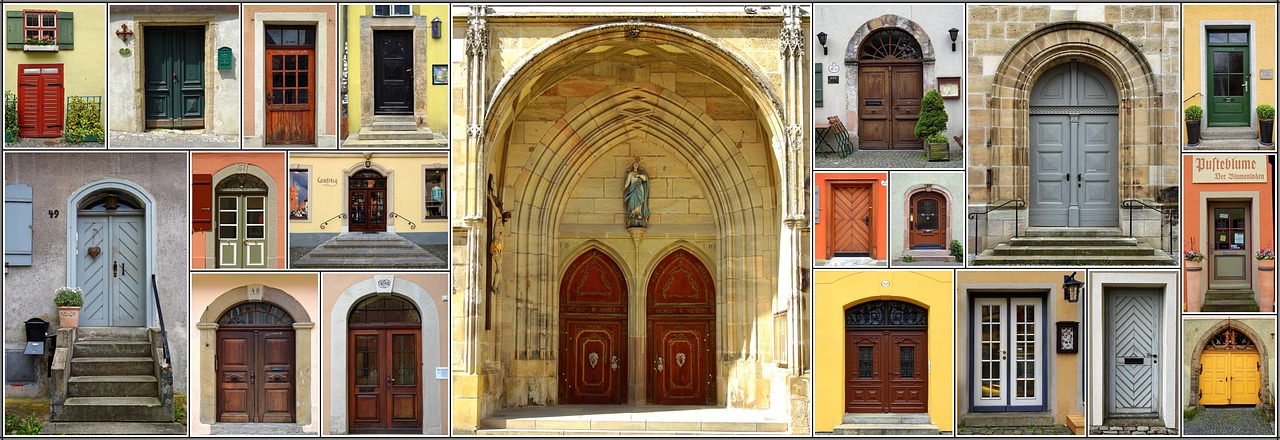
When assessing resale value, real estate professionals consistently rank front door replacement among the highest-return home improvement projects. A stunning entryway immediately signals to prospective buyers that the home has been well-maintained and cared for. Whether you choose wood or fiberglass, investing in a high-quality pre-hung unit with secure multi-point locking hardware and energy-efficient glass lites pays dividends at appraisal time.
Aesthetics, Customization, and Curb Appeal
For many homeowners, the visual warmth of real wood is difficult to replicate entirely. Wood features natural grain variations, deep chatoyancy, and a tactile richness that feels authentic to traditional, historic, or high-end custom homes.
Wood can be carved into intricate panel designs, fitted with unique sidelites, and custom-stained to match existing interior trim or flooring. If your home’s architecture demands period-accurate details or a specific custom stain match, solid wood remains the gold standard. The ability to plane, trim, and custom-fit wood doors on-site also makes them indispensable for older homes with non-standard or settling door frames.
Modern fiberglass manufacturers have made tremendous strides in aesthetic realism. High-definition compression molds capture deep grain patterns that, when finished with multi-step stain kits, look strikingly similar to real oak, mahogany, or fir. While purists can sometimes spot the difference upon close inspection, from the curb, a quality fiberglass door offers all the visual warmth of wood without the associated headaches.
Furthermore, fiberglass doors can be manufactured with a wide array of glass inserts, decorative caming, and simulated divided lites. They accommodate various hardware styles, from traditional handlesets to sleek, contemporary smart locks. While you cannot radically plane or resize a fiberglass door without compromising its structural edge, standard stock and custom dimensions are readily available to fit most modern and transitional architectural openings.
Installation Considerations and Contractor Insights
The performance of any exterior door depends heavily on professional installation. Even the most expensive wood or fiberglass door will draft, leak, or bind if it is not plumb, level, and squared within the rough opening.
When installing a solid wood door, carpenters must take extra precautions to seal all six sides of the slab prior to mounting. Hinging such heavy slabs often requires three or four heavy-duty ball-bearing hinges to prevent sagging over time. The frame must be meticulously shimmed and anchored to handle the weight without transferring stress to the glass or operational hardware.
Fiberglass pre-hung units typically arrive as complete systems, including the frame, threshold, weatherstripping, and sill pan. This integrated approach simplifies installation for experienced contractors and ensures a tight, weather-resistant seal out of the box. Composite frames used with fiberglass systems do not absorb water, eliminating the risk of rot at the floor line where water intrusion is most common.
Step-by-Step Decision Framework for Homeowners
To determine whether a fiberglass or wood entry door belongs on your home, walk through this practical decision framework:
- Assess your climate exposure: If your entryway faces south or west with no porch overhang, or if you live in a wet, coastal, or high-humidity environment, fiberglass will withstand the exposure with far less degradation than wood.
- Audit your maintenance appetite: Be honest about your willingness to re-seal or repaint exterior surfaces. If you prefer a set-it-and-forget-it home component, choose fiberglass. If you enjoy hands-on home upkeep and appreciate natural patina, choose wood.
- Check architectural requirements: Historic preservation districts, strict HOA guidelines, or specific custom entry dimensions may legally or practically require a solid wood door.
- Consider energy goals: If your entryway suffers from chronic drafts or you want to maximize thermal efficiency in harsh winter climates, look for an insulated fiberglass pre-hung unit with a high R-value core.
By weighing these four factors against your project budget, you can narrow down your options and select an entryway that enhances both your home’s efficiency and its visual appeal for years to come.
Frequently Asked Questions About Entry Doors
Homeowners exploring front door replacement often have specific questions regarding longevity, security, and day-to-day performance. Here are answers to common considerations when comparing fiberglass and wood options.
How long does a fiberglass door typically last? A well-maintained fiberglass entry door can easily last 20 to 30 years or more without rotting, rusting, or warping. Because the material is inert and impervious to moisture, its lifespan is primarily dictated by the quality of the hardware and weatherstripping, which can be easily replaced as they wear down.
Can fiberglass doors be painted or stained? Yes. Fiberglass doors are available in smooth finishes designed for painting with high-grade exterior acrylic latex paint, or textured wood-grain finishes designed to accept gel stains that mimic natural hardwood. Once finished, they retain their appearance for years without chipping or fading prematurely.
Are fiberglass doors secure against break-ins? Modern fiberglass doors feature reinforced locking blocks and heavy-duty composite stiles that offer excellent security. When paired with a solid pre-hung frame and a deadbolt anchored into the wall studs, a fiberglass door provides protection against forced entry that is comparable to solid wood or steel doors.
Does a wood door require an overhang for warranty coverage? Many wood door manufacturers explicitly require a substantial porch overhang or portico to protect the slab from direct rain and intense sun. Installing an unshielded wood door on a fully exposed entryway often voids the manufacturer’s warranty because the weather exposure is too severe for natural timber.