When planning a kitchen remodel or replacing a failing appliance, choosing the right cooking surface is one of the most consequential decisions you will make. For decades, the traditional freestanding electric range—using either exposed coil elements or a smooth radiant glass top—has been the American standard. However, magnetic induction cooking has matured rapidly, offering unprecedented speed and energy efficiency. Evaluating an induction cooktop vs electric range comparison requires looking past the glossy marketing brochures to understand how these appliances actually perform under daily cooking conditions, from weekday meal prep to elaborate weekend dinner parties.
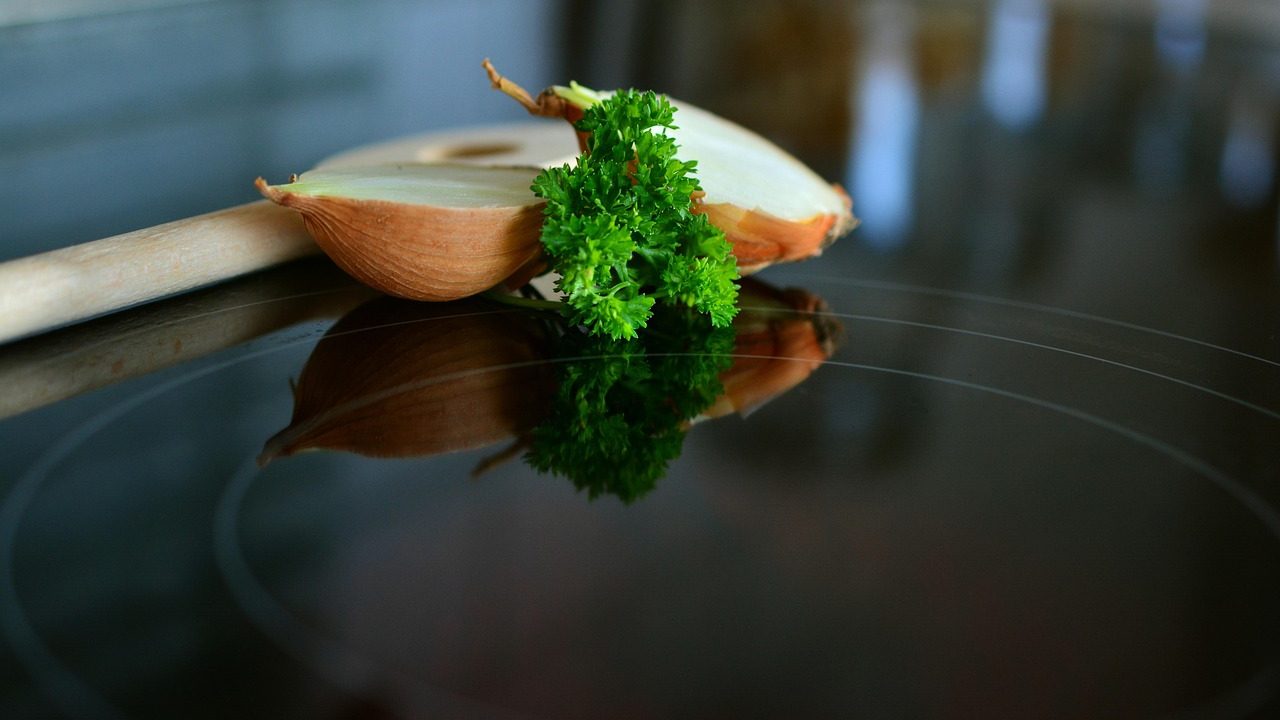
At first glance, both appliance types look remarkably similar, especially if you compare a smooth-top radiant electric range to a sleek black glass induction cooktop. Beneath the surface, however, their heating mechanics are entirely different. Traditional electric ranges rely on thermal conduction, heating a metal coil or a ribbon element under glass, which then warms your pan through direct contact. Induction cooktops bypass the glass entirely, using copper coils beneath the surface to generate an alternating magnetic field that induces electrical currents directly inside your cookware.
Understanding these fundamental differences helps you weigh boiling speed, safety, cookware compatibility, and ventilation needs. This guide breaks down the performance metrics, installation hurdles, and everyday realities of both technologies to help you make an informed investment for your home, balancing upfront appliance costs against long-term operational efficiency and culinary satisfaction.
How Traditional Electric Ranges Work
Traditional electric ranges fall into two primary sub-categories: exposed coil elements and radiant glass-top ranges. Exposed coils, commonly found in apartment rentals, historical properties, and budget-friendly freestanding models, use heavy metal elements that glow red-hot when electricity passes through them. They are durable, inexpensive to replace when they wear out, and accept virtually any type of cookware, including warped pans, cast iron skillets, and delicate ceramic pots.
Radiant glass-top ranges enclose the heating elements beneath a smooth ceramic-glass surface. When you turn on a burner, the ribbon or halogen elements beneath the glass heat up, glowing red and transferring thermal energy through the glass plate into the bottom of your pot. While radiant tops offer a clean, seamless aesthetic that is easy to wipe down after cooking, they retain heat for a long time after being turned off, creating a potential burn hazard and making precise, rapid temperature adjustments notably slower than gas or induction.
Both radiant and coil electric ranges are straightforward to install, typically plugging into a standard 240-volt electrical outlet that has been standard in American residential kitchens for decades. They do not require special wiring upgrades in the vast majority of homes, making them the default choice for quick, hassle-free appliance replacements when an old unit fails unexpectedly.
The Mechanics of Induction Cooking
Induction cooking sounds like science fiction, but it is rooted in basic physics and electromagnetic principles. Beneath the smooth ceramic glass surface of an induction cooktop sits a series of precision copper coils. When you turn on the burner and place a compatible pan on top, an alternating electric current flows through the coil, creating a fluctuating magnetic field.
This magnetic field penetrates the metal of the pan and induces micro-currents—known scientifically as eddy currents—within the cookware material itself. The natural electrical resistance of the metal converts these circulating currents into heat, meaning your actual pan becomes the primary heating element. The glass cooktop only grows warm because residual heat is transferred backward from the hot pan resting on it, not because the burner itself is generating direct thermal heat.
This direct-heating approach completely eliminates the thermal lag inherent in traditional electric ranges. When you turn down an induction burner or shut it off completely, the energy transfer stops instantly. This gives you gas-like responsiveness combined with the superior cleanliness and precise temperature control of modern electric appliances.
Boiling Speed and Thermal Efficiency
When measuring real-world performance, thermal efficiency is where induction dramatically outperforms traditional electric options. Radiant glass-top ranges waste a significant amount of energy heating the glass surface, the surrounding ambient air, and the metal burner housing before heat ever actually reaches your food. Standard radiant tops typically achieve an energy transfer efficiency of roughly 55% to 60%, meaning nearly half of the electrical energy consumed is lost as ambient heat in your kitchen.
Induction cooktops, by contrast, achieve staggering efficiencies upwards of 85% to 90% because virtually all the generated electromagnetic energy goes directly into heating the ferromagnetic cookware. In practical terms, this means induction can bring a large, heavy stockpot of water to a rolling boil in roughly half the time of a standard radiant electric burner, saving valuable minutes during busy weeknight dinners.
If you routinely boil large quantities of water for pasta, blanch vegetables, or heat large soup pots, the speed difference is immediately noticeable. Furthermore, because less heat escapes into your kitchen air, your home stays noticeably cooler during hot summer months, reducing the cooling load on your residential air conditioning system and lowering overall home energy consumption.
Cookware Compatibility and Replacement Costs
The single biggest hurdle homeowners face when transitioning from a traditional electric range to an induction cooktop is cookware compatibility. Because induction relies entirely on magnetic fields to generate heat, your pots and pans must contain ferrous metal—meaning they must be magnetic.
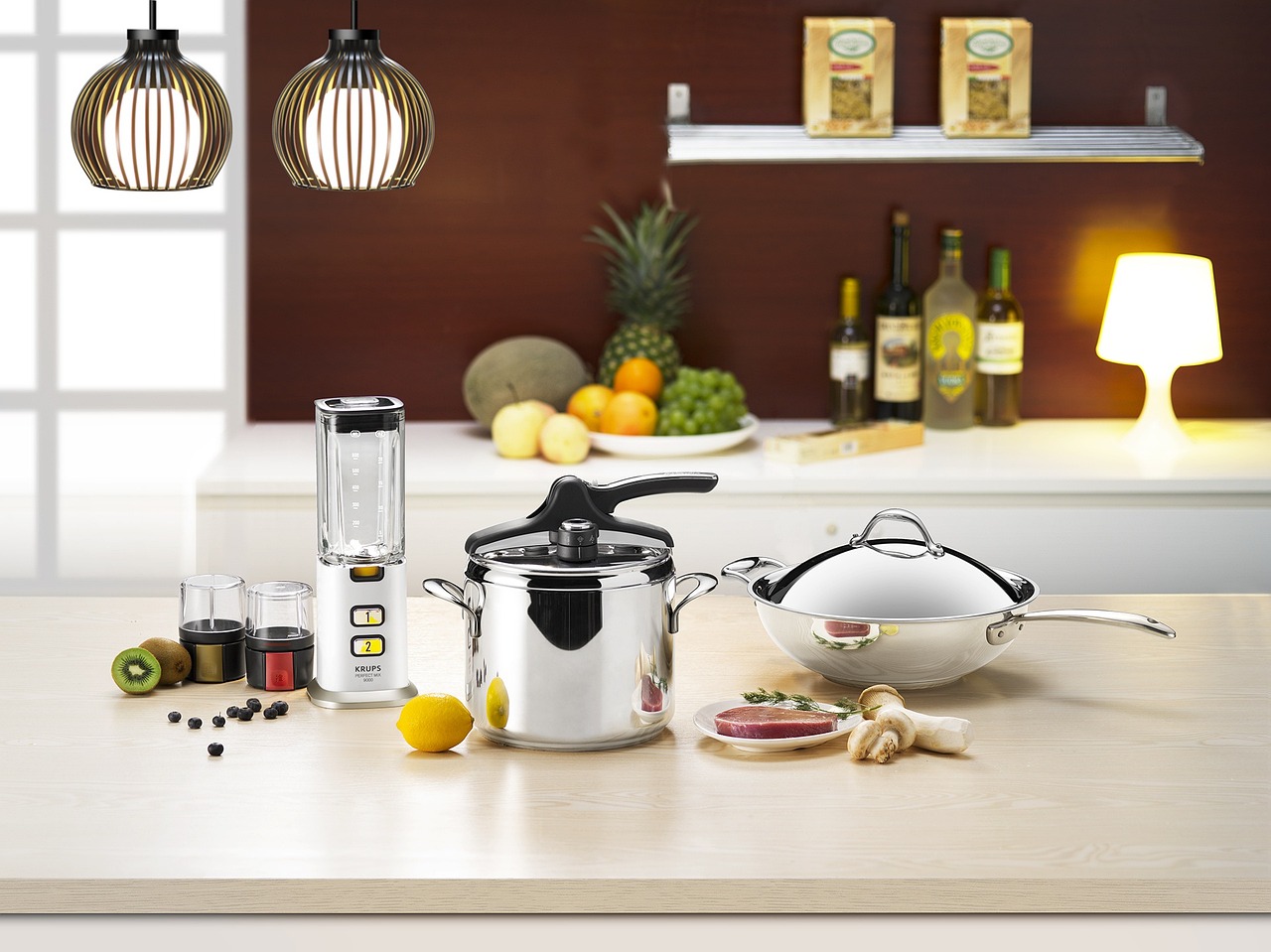
Cast iron, enameled cast iron (such as Dutch ovens), and most multi-clad stainless steel cookware with a magnetic stainless steel base work seamlessly on induction cooktops. Aluminum, pure copper, and standard glass or ceramic cookware will not work on induction unless their manufacturers have engineered them with a bonded magnetic stainless steel disc embedded in the bottom.
Before investing in an induction cooktop, perform a simple, reliable test: hold a standard refrigerator magnet to the bottom of your existing cookware collection. If the magnet clings firmly and instantly, your pots and pans are induction-ready. If the magnet falls off or barely sticks, you will need to budget for replacement cookware. While this adds an upfront cost to your kitchen upgrade, many homeowners find that keeping a few favorite pieces while selectively upgrading secondary pots is a manageable compromise that pays off in superior cooking performance.
Safety Considerations in Family Kitchens
Safety is a major selling point for modern kitchen appliances, and induction holds a clear, measurable advantage over both traditional gas ranges and radiant electric glass tops.
Because the cooktop surface does not generate its own radiant heat, the glass remains relatively cool to the touch compared to a glowing red radiant element. While the glass will inevitably absorb some residual heat from the hot pan sitting on it, it cools down much faster and lacks the intense, sustained high-temperature surface zone that causes severe, accidental contact burns on traditional electric stoves.
Additionally, virtually all modern induction cooktops feature automatic pan detection sensors. If you turn on a burner and remove the pan—or forget to place one on the element—the unit stops generating a magnetic field and automatically shuts itself off after a short predetermined period. This prevents accidental boil-dry disasters, scorched kitchenware, and provides invaluable peace of mind for busy households with young children, pets, or aging family members.
Kitchen Ventilation and Indoor Air Quality
When comparing cooking appliances, kitchen ventilation needs are frequently overlooked during the planning phase. While gas ranges produce combustion byproducts like carbon monoxide, nitrogen dioxide, and water vapor that require robust, high-CFM range hoods to exhaust safely, electric and induction appliances do not burn fossil fuels and generate no combustion exhaust.
However, the actual process of cooking food—especially searing meats, high-heat frying, or boiling high-moisture foods—creates grease vapor, smoke, and fine particulate matter. Because induction cooks food faster and often at more precise temperatures, you may experience less scorched grease or burnt food residue on your cooktop surface. Nevertheless, effective kitchen ventilation remains essential to remove cooking odors, steam, and airborne grease particles regardless of whether you choose a traditional electric range or a high-end induction cooktop.
Installation, Electrical Requirements, and Cost Analysis
When budgeting for a comprehensive kitchen upgrade, you must look far beyond the initial sticker price of the appliance itself. Traditional freestanding electric ranges are straightforward, plug-and-play replacements. They slide easily into your designated 30-inch cabinet cutout and plug securely into an existing 240-volt wall outlet that has powered ranges for decades.
Induction cooktops and induction-capable slide-in ranges require that same standard 240-volt electrical supply, meaning you rarely need a heavy-duty electrical service panel upgrade just to run the appliance. However, premium induction units often come with significantly higher upfront purchase prices than basic radiant electric models. When calculating your total project cost, factor in all potential variables:
- The retail purchase price of the appliance and any extended warranty options
- Any necessary kitchen cabinetry or countertop modifications (especially if you are switching from a drop-in cooktop to a slide-in freestanding range)
- The out-of-pocket cost of replacing incompatible pots and pans
- Professional delivery, installation, and old appliance hauling fees
Over time, the superior thermal efficiency of induction can offset some of these initial capital costs through slightly lower monthly electricity bills, though the actual monetary savings depend heavily on your local utility rates, how frequently you cook at home, and your previous appliance efficiency.
Common Mistakes to Avoid When Choosing
Homeowners evaluating these two cooking technologies frequently make a few avoidable missteps during the research and purchasing process:
- Assuming all stainless steel works universally: Many consumers assume high-end, expensive stainless steel cookware is compatible with induction, forgetting to check for the essential magnetic properties in the base alloy.
- Ignoring countertop and cabinet cutouts: If you are switching from a separate drop-in cooktop and wall oven combination to a single freestanding range, custom cabinetry modifications can drastically increase your overall labor costs.
- Overlooking scratching risks: Sliding heavy cast iron pans across a glass cooktop can scratch the ceramic surface over time, requiring careful lifting and handling on both radiant electric and induction surfaces.
- Neglecting to test user controls: Always test out the touch controls, digital sliders, or physical knobs in an appliance showroom. Some modern induction units use finicky digital touch pads that can be frustrating to operate with wet, flour-covered, or greasy hands.
By keeping these practical operational considerations in mind, you can select an appliance that matches your exact culinary style and kitchen layout without facing unwelcome surprises on installation day.
Frequently Asked Questions About Induction and Electric Ranges
To help clarify further, here are answers to common questions homeowners ask when deciding between these two appliance categories:
- Do induction cooktops make a buzzing noise? Yes, occasionally. Certain types of multi-clad cookware or pans with loose bonded layers can emit a faint hum or buzzing sound when subjected to high-frequency magnetic fields. This is normal and harmless, and it usually disappears if you switch pans or lower the power setting slightly.
- Can I use my favorite cast iron skillet on induction? Absolutely. Cast iron is naturally magnetic and performs exceptionally well on induction cooktops, retaining heat efficiently. Just ensure you lift the skillet rather than sliding it across the glass to prevent scratching.
- Are induction cooktops harder to clean than electric radiant tops? In many ways, they are easier to clean. Because the glass surface around your cookware does not get as hot as a radiant element, spilled food is far less likely to bake onto the glass and burn, allowing for easier wipe-downs with a damp microfiber cloth.
Making Your Final Decision
Deciding between an induction cooktop and a traditional electric range ultimately comes down to balancing your personal cooking habits, household budget, and long-term kitchen remodeling goals. If you prioritize rapid boiling times, precise temperature control, enhanced safety around children, and modern energy efficiency, an induction cooktop is well worth the investment—provided you are willing to verify your cookware compatibility upfront.
If you prefer a lower upfront appliance cost, want to keep your entire existing cookware collection without testing or replacement, and simply want a reliable, proven cooking surface for everyday family meals, a traditional radiant glass-top or coil electric range remains a dependable choice. Evaluate your daily routine, measure your kitchen space carefully, and choose the cooking technology that best supports the way you live and cook.