When you live in an apartment, rental home, or a house with a modest kitchen footprint, daily cleanup can quickly become a bottleneck. Hand-washing dishes consumes valuable time and often uses more water than modern automated appliances. For renters and homeowners facing spatial constraints, running a countertop dishwasher vs built in comparison is essential before investing in a kitchen upgrade. While standard built-in dishwashers remain the gold standard for permanent cabinetry, compact countertop and portable units have evolved significantly, offering robust cleaning power without requiring permanent plumbing modifications or destructive cabinetry alterations.
Understanding how these two appliance categories differ goes beyond simple physical dimensions. You must evaluate how each unit handles utility water usage, electric supply, drainage, installation complexity, and overall cleaning performance over years of daily service. This guide breaks down the structural, mechanical, and practical differences between countertop dishwashers and standard built-in models, helping you select the right appliance for your lifestyle, lease agreement, and kitchen layout.
The Core Structural Differences: Built-In vs. Countertop
The most immediate distinction between a standard built-in dishwasher and a countertop model lies in form factor, capacity, and placement. Standard built-in dishwashers are engineered to slide directly beneath standard kitchen countertops, occupying a dedicated 24-inch wide cavity (though 18-inch slimline models also exist). They connect permanently to your home’s hot water supply line, under-sink drain pipe, and dedicated electrical circuit. Once installed behind a matching cabinet door or front panel, they remain stationary and invisible as part of the permanent kitchen infrastructure.
Conversely, countertop dishwashers—often referred to as compact or portable dishwashers—sit directly on top of your kitchen counter space, typically nestled beneath upper cabinets near the sink. They are designed for mobility and temporary hookups. Most models measure roughly the size of a microwave oven, standing about 17 to 20 inches tall, yet they are engineered to hold several place settings of dishes, glasses, and cutlery. Instead of requiring permanent plumbing installation, standard countertop units feature hoses that attach temporarily to your existing kitchen sink faucet using a quick-connect adapter.
There is also an intermediate category known as freestanding portable dishwashers on wheels. These are essentially full-sized or slimline built-in chassis housed in a finished cabinet with a butcher-block or laminate top, equipped with a rolling base and a dual-hose faucet adapter. However, true countertop models are defined specifically by their ability to rest on a sturdy horizontal surface, making them the ultimate choice for renters who cannot modify cabinets or floor plans.
Evaluating Cleaning Performance: Can Compact Units Rival Full-Size Machines?
A common hesitation regarding compact kitchen appliances is whether a smaller machine can match the sanitizing power and food-removal capabilities of a full-size unit. When analyzing compact dishwasher cleaning performance, the engineering principles remain largely the same: water is heated, pressurized by a circulation pump, forced through spray arms, and combined with detergent to break down grease and baked-on food particles.
Modern countertop dishwashers generally feature powerful lower spray arms and targeted water jets that adequately cover the limited interior cavity. Because the cabinet volume is much smaller than that of a standard 24-inch built-in, the water pressure generated by the pump can be surprisingly effective relative to the load size. However, cleaning performance depends heavily on user loading habits. In a standard built-in, straying slightly from optimal spacing rarely causes catastrophic washing failures. In a countertop unit, overloading the single rack or blocking the spray arm rotation will immediately compromise water distribution, leaving dried food stuck to plates.
Furthermore, standard built-in dishwashers frequently incorporate advanced soil sensors, multi-stage filtration systems, hard-food disposers, and high-heat drying elements that outperform basic countertop alternatives. Premium built-ins can reach higher sanitation temperatures and utilize condensation or fan-assisted drying to ensure plastics and ceramics emerge completely dry. Countertop units usually rely on residual heat drying or basic ventilation, meaning you may need to crack the door open after a cycle finishes to let moisture escape completely.
Utility Water Consumption and Energy Efficiency
Water efficiency is a primary driver for consumers researching portable dishwasher water consumption. Intuitively, smaller appliances use fewer resources, but the exact numbers often surprise buyers. A standard modern built-in dishwasher uses anywhere from 2.5 to 5 gallons of water per normal cycle, with high-efficiency ENERGY STAR models leaning toward the lower end of that spectrum.
Countertop dishwashers typically consume between 2 and 3.5 gallons per cycle. While this is less than many older built-in units, it is comparable to modern high-efficiency built-ins on a per-cycle basis. The real efficiency divergence occurs when comparing load capacity. A standard built-in dishwasher accommodates 12 to 16 place settings, meaning it washes a massive volume of dishes relative to its 3-to-4-gallon water footprint. A countertop dishwasher typically accommodates 2 to 6 place settings.
If you live alone or with a partner and run a countertop dishwasher half-empty twice a day, your cumulative water and energy consumption will eventually exceed that of running a full-size built-in every two or three days. Conversely, if you live in a household where you run a compact unit once daily with a fully optimized load, your utility consumption remains remarkably low compared to hand-washing under a running faucet, which can easily waste 10 to 20 gallons per session.
Cycle Durations and Operational Flexibility
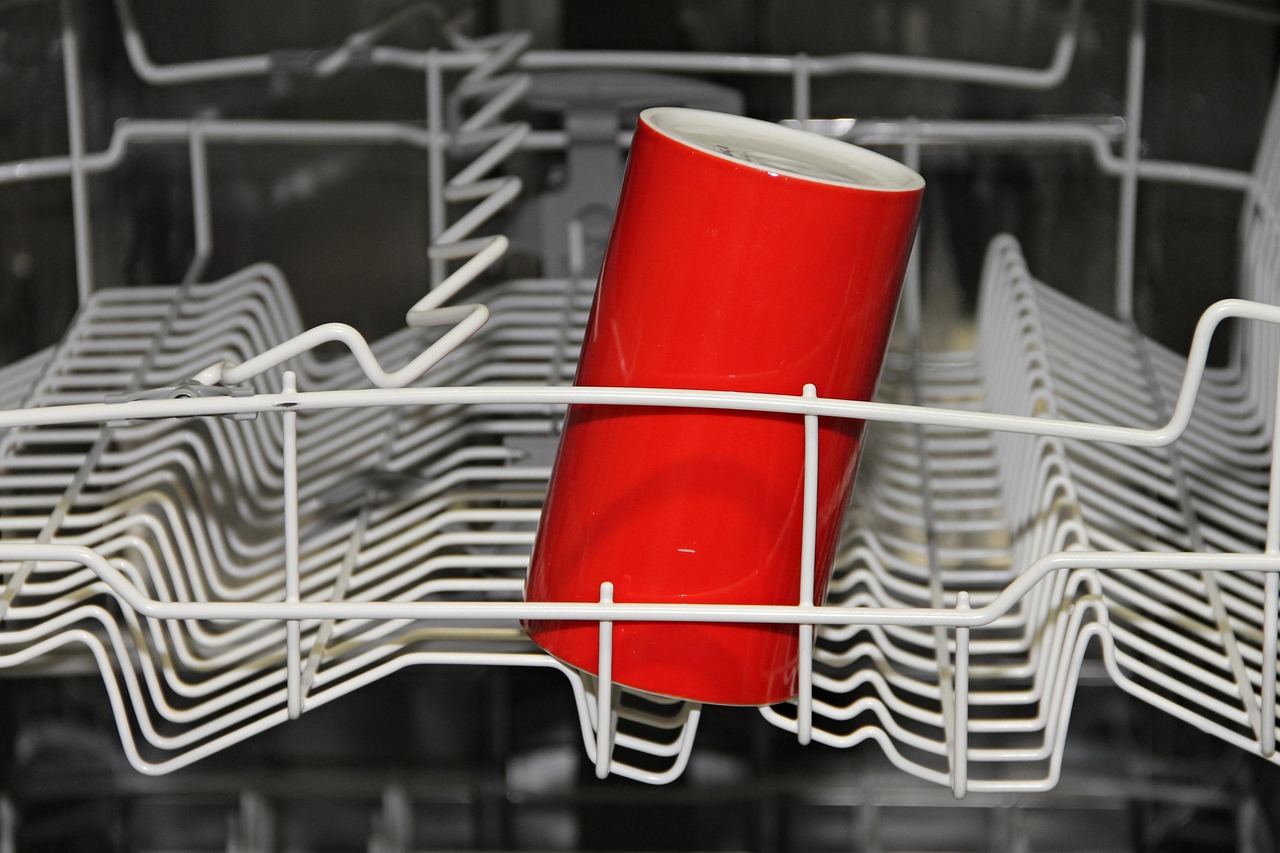
Time management is another factor worth weighing. Cycle lengths vary substantially across appliance types and selected wash modes. Standard built-in dishwashers offer a wide array of specialized cycles, including heavy-duty pots-and-pans settings, sanitize rinses, eco-modes, express 30-minute washes, and delicate crystal cycles. A standard cycle on a built-in typically runs between 90 and 140 minutes, depending on whether sensor drying and heavy soil phases are active.
Countertop dishwashers streamline these options to fit their compact control boards. Most models feature standard, heavy, eco, glass, and rapid cycles. Because the internal water volume is smaller, countertop units heat water and complete standard wash cycles somewhat faster, often finishing within 45 to 90 minutes. Rapid or express cycles on compact units can wrap up in under 30 minutes, making them exceptionally convenient for quick turnarounds when hosting dinner guests or prepping meals.
However, the lack of sophisticated soil-sensing technology on budget-friendly countertop models means the machine runs its programmed cycle in full regardless of how dirty the dishes actually are. You must manually select the appropriate intensity level based on your assessment of the load, whereas high-end built-ins automatically adjust cycle time and water temperature based on turbidity sensors that measure water clarity.
Apartment Dishwasher Installation Options and Plumbing Realities
For renters and apartment dwellers, installation flexibility is usually the decisive factor in the countertop dishwasher vs built in comparison. Installing a standard built-in dishwasher requires permanent access to a hot water supply line, a dedicated electrical outlet beneath the sink, and a high loop or air gap connected to the kitchen sink drain. For renters, altering cabinetry, drilling holes in countertops, or hiring a licensed plumber to tap into permanent pipes is frequently prohibited by lease agreements or impractical due to moving logistics.
Countertop dishwashers solve this hurdle by utilizing flexible apartment dishwasher installation options. The vast majority of countertop units are designed for temporary DIY setup. They come equipped with a faucet adapter kit that screws onto the aerator threads of your standard kitchen faucet. A dual-hose assembly connects the faucet to the back of the dishwasher: one hose supplies hot water from the tap, while the second hose discharges waste water directly back into your sink basin during the drain phases.
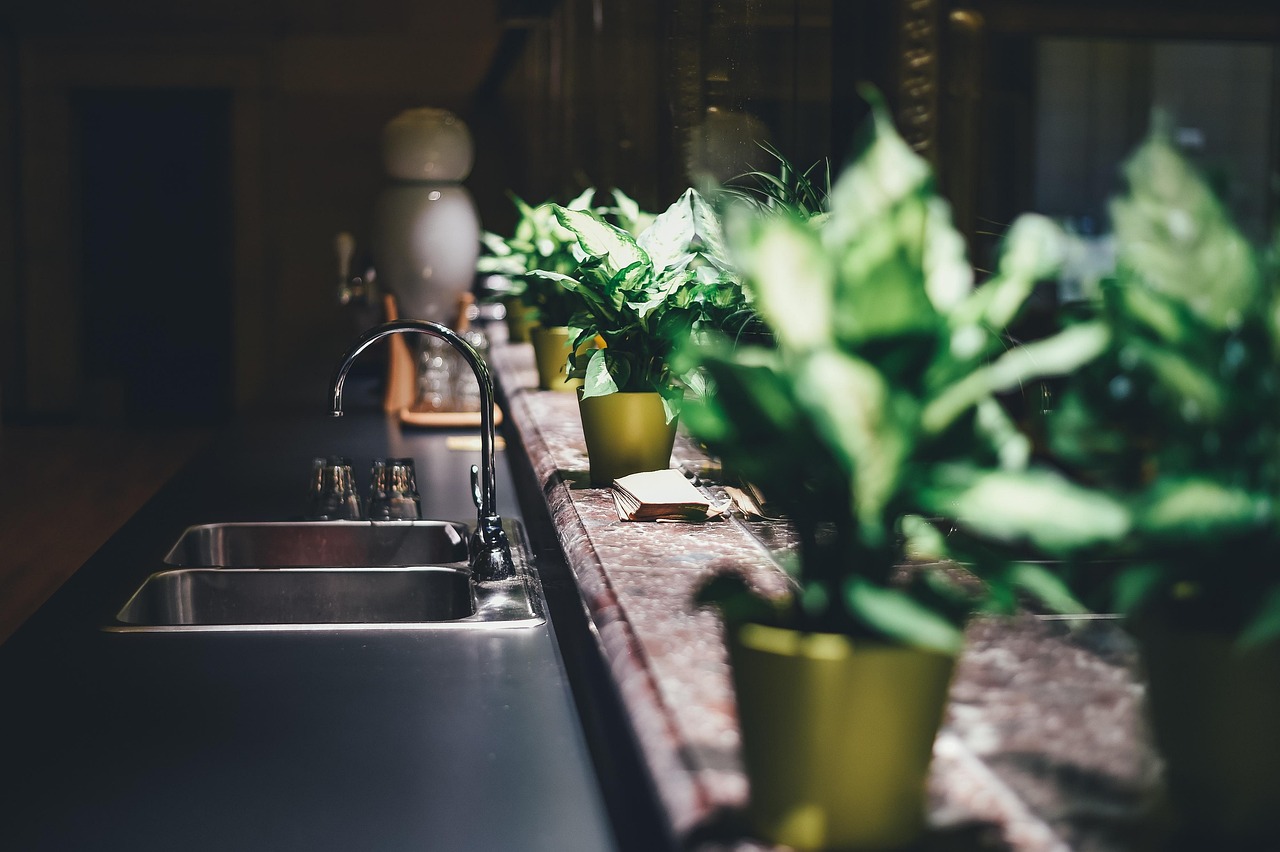
This faucet-hookup method means zero permanent modifications are required. When you finish running a load, you simply detach the hoses, store the compact unit on the counter or roll it into a pantry, and your kitchen sink returns to 100% normal functionality. For renters planning to relocate within a year or two, this portability is an invaluable asset. You take your appliance with you when your lease ends, preserving your investment.
It is worth noting that some countertop models also include an internal water reservoir tank. These tank-fed units do not require a permanent or temporary connection to a faucet; you manually pour pitchers of water into the top opening before starting the cycle. While this offers ultimate placement freedom—allowing you to run the appliance on a kitchen island or wet bar far away from any sink—it adds manual labor to every single wash cycle and limits water pressure compared to direct-faucet hookups.
Load Capacities and Interior Rack Design
Capacity limitations represent the most prominent trade-off when choosing a countertop appliance. Standard built-in dishwashers easily swallow large mixing bowls, oversized pots, baking sheets, and tall stemware alongside standard dinner plates. Their flexible tines, adjustable upper racks, and dedicated third racks for cutlery provide immense versatility.
Countertop dishwashers operate within strict physical boundaries. A typical 6-place-setting countertop unit can comfortably handle dinner plates up to 10 or 11 inches in diameter, bowls, mugs, and a small cutlery basket. However, bulky cookware, Dutch ovens, large roasting pans, and cookie sheets will not fit. You will find yourself washing oversized pots by hand regardless of whether your countertop dishwasher is running.
Furthermore, stacking dishes in a compact unit requires mindfulness. Plates must face inward toward the spray arm, and bowls must be angled correctly to prevent water pooling. If you cook elaborate meals requiring numerous mixing bowls and prep pans throughout the day, a countertop dishwasher will fill up after a single cooking session, requiring multiple runs per day to keep up with your kitchen output.
Upfront Costs, Maintenance, and Longevity
Financial considerations span both initial purchase price and long-term operating durability. Countertop dishwashers generally feature lower upfront purchase prices than standard built-in models, making them attractive for budget-conscious students, young professionals, and renters. Additionally, because they require no professional plumbing installation, you avoid expensive contractor or plumber fees.
Standard built-in dishwashers carry higher initial retail costs, and professional installation often adds significantly to the total project budget if your kitchen lacks pre-existing cabinetry cutouts or electrical wiring. However, built-in units generally boast heavier-duty internal components, robust stainless steel tubs, and longer design lifespans, frequently lasting 8 to 12 years with proper maintenance.
Countertop dishwashers often incorporate more plastic internal components and lighter-duty pumps. While many reputable brands build reliable compact units that perform well for years, their moving parts and desktop housing experience more frequent physical handling, connecting, and disconnecting, which can slightly increase wear and tear on hoses and valve seals over time.
Common Mistakes to Avoid When Choosing and Using Compact Units
Navigating the transition to a compact kitchen appliance involves avoiding a few classic missteps that frustrate new owners:
- Ignoring counter clearance and cabinet height: Always measure the vertical distance between your countertop and the bottom of your upper cabinets. Many countertop dishwashers are taller than standard coffee makers or toaster ovens; if your clearance is under 18 inches, the unit may not fit under your upper cabinets without blocking your workspace.
- Overlooking electrical circuit capacity: Countertop dishwashers draw substantial electrical current to power their internal heating elements. Plugging a high-wattage countertop dishwasher into an overloaded kitchen circuit shared with a microwave, toaster, or coffee maker can trip your circuit breaker.
- Failing to scrape plates: Compact units lack the heavy-duty food disposal grinders found in some premium built-ins. Leaving large food scraps, bones, or heavy grease on plates will clog the unit’s fine internal mesh filter, reducing water pressure and cleaning efficacy.
- Misjudging daily dish volume: Buying a 2-place-setting mini unit when your household generates dishes for four people results in constant reloading and running multiple cycles, neutralizing the time-saving benefits of automation.
Decision Framework: Which Appliance Is Right for Your Kitchen?
To finalize your choice between a countertop model and a built-in unit, weigh your living situation against your daily culinary habits using this straightforward evaluation framework:
- Check your housing status: If you rent your home, are restricted by lease agreements, or plan to move within a couple of years, a portable countertop dishwasher with a quick-connect faucet adapter is virtually always the superior, stress-free choice.
- Audit your kitchen layout: If your kitchen lacks an empty 24-inch under-counter cabinet space or lacks a nearby electrical outlet and plumbing rough-in, installing a built-in unit requires costly remodeling that outweighs its benefits.
- Assess your cooking volume: If you frequently bake with large sheets, cook with oversized pots, and feed a family of three or more, a countertop dishwasher will feel too restrictive. You will still face hand-washing large cookware daily.
- Calculate your budget: Factor in both the machine purchase price and potential installation labor. If total budget is tight and you want immediate relief from hand-washing without hiring a contractor, a reliable countertop model delivers immediate utility.
Conclusion
The countertop dishwasher vs built in comparison ultimately boils down to matching your physical environment with your cleaning expectations. Standard built-in dishwashers remain unmatched for sheer capacity, heavy-duty cleaning power, and seamless kitchen integration. Yet, for renters, apartment dwellers, and anyone with a compact kitchen footprint, countertop dishwashers offer an ingenious bridge to automated cleaning convenience. By understanding their water usage, respecting their load limitations, and utilizing simple faucet-adapter hookups, you can reclaim your evenings from the sink without risking your security deposit or undertaking major kitchen renovations.