When planning a kitchen renovation, the debate between gas and electric cooking surfaces often comes down to personal preference and culinary style. However, if you are switching from electric to gas cooktop setups in an older home that currently lacks a gas stub, the decision quickly shifts from a matter of taste to a major mechanical project. Unlike a direct appliance swap, moving from electric coils to gas burners involves introducing combustible fuel into a space that may only be wired for high-voltage electricity.
Understanding the actual logistics requires breaking down the hidden expenses, code requirements, and structural changes involved. While gas provides immediate visual feedback and responsive heat, the physical realities of running gas lines and upgrading electrical circuits can alter your renovation budget significantly.
The Core Mechanical Differences: Electric vs. Gas
Before examining installation hurdles, it helps to understand how these two systems interact with your kitchen’s infrastructure. Traditional electric coil cooktops rely on 240-volt circuits to heat heavy metal resistance elements. They draw substantial electrical current, often requiring a dedicated 40- or 50-amp breaker and a heavy-gauge four-prong outlet beneath the counter.
Gas cooktops, by contrast, burn natural gas or liquid propane to generate heat. Because the heat source comes from combustion, the cooktop itself does not need a heavy 240V circuit for heating. However, modern gas cooktops require a standard 120-volt electrical outlet beneath the counter to power electronic ignition systems, safety shut-off valves, and integrated indicator lights. If your existing electric setup only features a 240V receptacle, an electrician will need to install a standard 120V outlet to accommodate the new gas unit.
Furthermore, the physical clearance requirements beneath the countertop differ substantially. Electric coil units are typically shallow because they do not require deep burner assemblies or mixing tubes. Gas cooktops, especially high-output models with professional-grade burners, feature heavy cast-iron valving, manifold pipes, and sealed burner boxes that extend deeper into the cabinet space. If you have drawers, pull-out spice racks, or wall ovens installed directly beneath your current cooktop, transitioning to gas may necessitate custom cabinetry modifications to ensure proper clearance and adequate airflow around the gas connections.
When evaluating the internal architecture of your cabinetry, keep in mind that gas burners operate via a mixture of fuel and ambient air. The air shutters on the burner venturis must remain unobstructed to maintain a clean, blue, efficient flame. If your lower cabinets are densely packed with pots, pans, or pantry goods, you may need to install protective heat shields or reorganize your storage to prevent interference with the gas supply tubes and electrical wires.
Evaluating Gas Line Installation Costs
The single largest hurdle when converting your kitchen is the absence of a gas supply. If your home already features a gas water heater, furnace, or dryer, tying into the existing gas distribution network may be relatively straightforward. If not, a licensed plumber must run new black iron or corrugated stainless steel tubing (CSST) from your gas meter or propane tank to the kitchen island or wall location.
Gas line installation costs vary widely based on several geographic and structural factors:
- Distance from the supply source: Running a line across a finished basement or through a crawlspace involves different labor hours than routing pipe through concrete slabs or finished walls.
- Pipe material and sizing: Code requirements dictate specific pipe diameters to ensure adequate gas pressure and volume for all household appliances combined.
- Permits and inspections: Most municipalities require a plumbing permit and a professional pressure test to ensure there are no hazardous leaks before sign-off.
Homeowners should budget for both the material costs of the piping and the specialized labor required to thread, seal, and test the system safely. Attempting DIY gas plumbing introduces severe safety risks, including carbon monoxide leaks and explosive hazards, making professional installation mandatory in almost all jurisdictions.
When calculating these plumbing fees, remember that labor rates fluctuate by region. Urban areas with higher costs of living typically feature steeper hourly rates for certified master plumbers, which can significantly drive up the total line-extension estimate. Additionally, if your existing gas meter is undersized—meaning it cannot handle the cumulative BTU load of your furnace, water heater, and new cooktop—the local utility company may need to upgrade the meter itself, adding another layer of coordination and potential cost to the project timeline.
It is also essential to account for aesthetic restorations required after the plumbing is completed. If your plumber has to open drywall, plaster, or subflooring to route the gas line beneath or behind cabinets, you will need to hire a drywall contractor or finish carpenter to patch, texture, and paint those surfaces. These finishing trades are frequently overlooked during initial budgeting, leading to unpleasant financial surprises halfway through the kitchen overhaul.
Electrical Requirements and Outlet Conversions
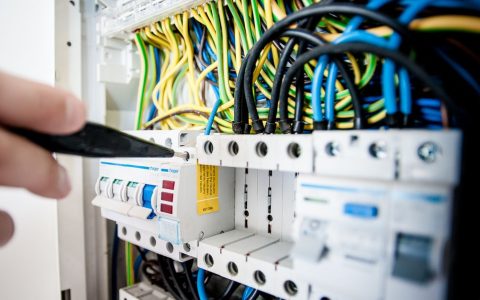
Even though you are moving away from an electric cooking surface, your electrical work is not necessarily finished. When a plumber caps off or removes the old 240V circuit used by your electric coil cooktop, you are left with an abandoned high-voltage line. Leaving an unpowered or capped high-voltage wire inside a wall cavity or junction box requires proper termination in accordance with the National Electrical Code (NEC).
Simultaneously, you will need a licensed electrician to install a standard 120V grounded outlet near the cooktop cutout. Without this electrical source, your gas burners will not ignite automatically via the spark igniter, forcing you to rely on a manual match or handheld lighter every time you want to cook. Factor the combined cost of capping the 240V circuit and adding the 120V outlet into your overall project estimates.
It is also worth noting that some high-end gas cooktops or rangetops feature integrated downdraft ventilation systems or advanced electronic touch controls that demand specialized electrical circuits. Always review the manufacturer specifications before your electrician arrives so they can ensure the new outlet placement complies with local building codes and safely clears any gas supply piping running underneath the cabinet.
Furthermore, if your home features older electrical panels without sufficient open breaker slots or if your service amperage is maxed out, your electrician may recommend panel upgrades before certifying the new 120V installation. While rare for a simple cooktop conversion, it highlights why a comprehensive pre-renovation electrical inspection is vital for older properties.
Ventilation and Make-Up Air Considerations
Gas appliances consume oxygen and produce combustion byproducts, including carbon monoxide, nitrogen dioxide, and water vapor. Because of this, proper kitchen ventilation is far more critical for gas cooktops than for electric coil models.
If your kitchen currently relies on an under-powered recirculating microwave hood or lacks ventilation altogether, upgrading to a high-output gas cooktop will require installing an exterior-venting range hood. Building codes in many regions also mandate “make-up air” systems for high-output range hoods that exceed a certain cubic feet per minute (CFM) threshold—typically around 400 CFM. A make-up air kit ensures that your powerful exhaust fan does not pull dangerous combustion gases backward down your water heater or furnace flue.
Installing an exterior duct through an attic or exterior wall involves carpentry, roofing work, and weatherproofing, all of which add to the total renovation budget. Failing to address ventilation not only violates building safety codes but also leads to excessive moisture accumulation, peeling wallpaper, lingering cooking odors, and degraded indoor air quality throughout your living space.
When evaluating hoods, look for units with easily removable, dishwasher-safe baffle filters rather than aluminum mesh screens. Baffle filters capture grease more efficiently at high heat settings, which is essential when searing meats or wok cooking on high-BTU gas burners.
Beyond standard CFM ratings, consider the operational noise level, measured in sones, of the ventilation hood you select. Professional-grade gas cooktops generate significant heat and steam, requiring hoods to run on high speeds frequently. Investing in a multi-speed blower with a well-insulated housing ensures your kitchen remains comfortable and conversational while you cook.
Comparing Cooking Performance and Daily Utility
Beyond installation expenses, evaluating whether to make the switch depends heavily on how you cook. Electric coil cooktops are notorious for retaining heat long after the burner is turned off, making it difficult to drop a pan’s temperature instantly. They also heat unevenly if warping occurs on the burner pans.
Gas cooktops offer instantaneous flame control, allowing you to scale heat up or down with absolute precision. They accommodate any cookware material—including heavy cast iron, copper, and warped-bottom pans—without losing contact with a flat heating surface. However, gas burners are generally harder to clean than smooth or coil electric surfaces, featuring removable grates, burner caps, and drip basins that require regular scrubbing.
For home bakers and culinary purists, the responsive nature of a gas flame allows for delicate tasks like melting chocolate without a double boiler or charring peppers directly over the grate. Conversely, electric coil surfaces are often easier to wipe clean because they feature fewer crevices and removable drip bowls that catch minor spills, though stubborn grease can still bake onto the metal coils over time.
It is also worth noting how ambient kitchen drafts impact performance. Powerful overhead ceiling fans or open windows can cause gas flames to flicker unevenly, shifting heat toward one side of a pan. Electric coil elements remain entirely immune to cross-breezes, providing stable, predictable heat distribution regardless of room ventilation patterns.
Financial Comparison: Sticking With Electric vs. Converting
When weighing the total cost of ownership, you must balance upfront installation fees against long-term utility rates and appliance longevity.
Sticking with an electric cooktop or upgrading to a modern smooth-top electric or induction unit requires virtually zero structural modifications if your wiring is already in place. Induction cooking, in particular, offers the speed and precise temperature control of gas while operating on your existing 240V electrical circuit, though it does require compatible magnetic cookware.
Converting to gas, by contrast, carries heavy front-loaded capital expenses. Between plumbing permits, running gas lines, electrical modifications, and potentially upgrading your ventilation hood, the installation project can easily cost more than the appliance itself. Over time, regional differences in utility rates for electricity versus natural gas will dictate your ongoing operational savings, though these differences rarely offset steep initial installation costs in a short timeframe.
To put this in perspective, consider the total project budget. A basic electric-to-electric replacement might only require the cost of the appliance and a simple plug-in installation. A gas conversion project, however, can easily accumulate hundreds of dollars in plumbing labor, electrical rewiring, permit fees, and ductwork modifications before the new appliance is even plugged in and tested.
Furthermore, consider resale value implications. In some regional real estate markets, buyers express a strong preference for gas kitchen ranges, viewing them as an upgrade. In other markets, eco-conscious buyers or those favoring modern induction technology view gas infrastructure as a secondary priority or an unnecessary fossil fuel dependency. Assessing your local housing market trends can help you determine whether the conversion adds tangible equity to your home.
Common Mistakes to Avoid During a Kitchen Conversion
Homeowners undertaking a kitchen conversion often run into preventable pitfalls that delay projects and drive up labor bills:
- Failing to check local utility capacity: Ensure your local natural gas utility can supply adequate pressure, or verify that your propane tank size can handle the increased BTU load of a multi-burner professional-style cooktop.
- Ignoring cabinet modifications: Gas cooktops often require more vertical clearance beneath the countertop than shallow electric coil models, potentially interfering with drawer banks or oven cabinets below.
- Skipping permits: Unpermitted gas work can complicate home sales, violate local building codes, and void homeowner insurance policies in the event of an accident.
- Overlooking countertop cutout dimensions: Transitioning between different brand footprints often requires professional stone cutting if the new gas unit demands a larger or differently shaped opening in quartz or granite countertops.
Another frequent oversight is neglecting to verify gas valve compatibility. Natural gas and propane operate at different pressures and require different burner orifice sizes. Purchasing a gas cooktop configured for natural gas and attempting to install it in a home powered by liquid propane without a professional conversion kit can result in dangerous, uncontrollable flames and improper combustion.
Additionally, homeowners occasionally fail to account for the physical weight differences between appliances. Heavy-gauge commercial-style gas cooktops with massive cast-iron grates exert significant downward pressure on countertop cutouts. If your existing countertop material is weak, unsupported, or improperly reinforced around the perimeter of the cutout, the stone or laminate may crack under the concentrated weight.
Making Your Final Decision
Choosing whether to endure the logistical hurdles of switching from electric to gas cooktop hardware comes down to balancing your culinary preferences with your renovation budget. If you love cooking with gas, possess the necessary budget for professional plumbing and electrical upgrades, and have appropriate ventilation in place, the upgrade can transform your kitchen experience.
However, if you are looking for a straightforward, cost-effective kitchen refresh, sticking with an upgraded electric model—or exploring modern induction technology—will save you thousands of dollars in hidden installation fees while delivering exceptional cooking performance without the need for combustible gas lines.
Take time to consult with both a licensed plumber and a certified electrician before purchasing your new appliance. Getting professional estimates upfront will clarify your true project expenses, prevent unexpected code violations, and ensure your newly renovated kitchen functions safely and efficiently for years to come. By weighing the upfront structural investments against your day-to-day cooking habits, you can build a renovation plan that matches both your lifestyle and your financial comfort level.