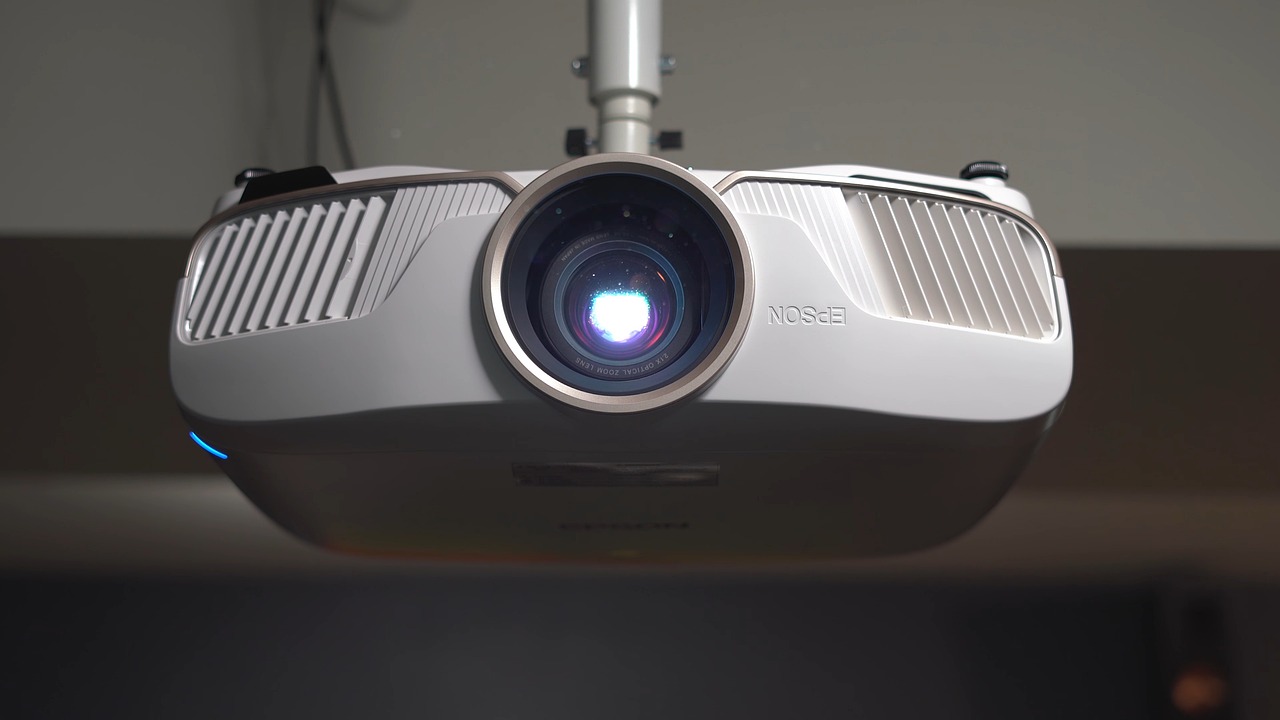
When outfitting a dedicated media room or living room entertainment center, upgrading your display size with a projection system often delivers the most cinematic experience per dollar. However, brand-new 4K and high-end 1080p projectors command steep retail prices. For budget-conscious home theater enthusiasts, looking into a refurbished home theater projector buyer guide is a practical way to capture high-end performance at a fraction of the cost. Yet, buying secondhand or refurbished projection gear introduces variables that traditional flat-panel televisions do not share.
Unlike direct-view LED displays, projectors rely on delicate optical engines, specialized lamps or solid-state laser-phosphor light sources, and mechanical color wheels. When you purchase a refurbished unit, you are inheriting a device that has either been returned by an initial customer, used as a showroom demo, or repaired by the manufacturer. Understanding how to evaluate these units ensures you do not trade short-term savings for long-term headaches.
To navigate this market successfully, buyers must look beyond standard retail marketing and dive deep into the mechanical, thermal, and optical health of projection hardware. Whether you are hunting for an entry-level 1080p gaming projector or an ultra-short-throw 4K laser model for your living room, establishing a rigorous inspection framework is essential.
Understanding Factory-Certified Versus Seller-Refurbished
The single most important distinction in the secondary projector market is who performed the refurbishment. Not all refurbished units are created equal, and the source of the restoration dictates your risk level.
Factory-certified refurbished projectors are inspected, repaired, tested, and repackaged by the original manufacturer or an authorized service center. They typically undergo rigorous diagnostic testing, receive replacement parts if necessary—such as a fresh lamp module or a clean air filter—and come with a standardized manufacturer warranty. These units are generally the gold standard for risk-averse buyers who want assurance that the device meets original factory specifications.
Conversely, seller-refurbished or third-party refurbished units come from independent liquidators, pawn shops, or electronic repair shops. While they may be functional, the depth of their inspection varies wildly. Some third-party sellers simply dust off the chassis, reset the lamp hour counter, and repackage the unit without testing the optical path or checking for microscopic dust bleeds on the LCD panels or DLP chip. When browsing listings, always verify whether the restoration was backed by the original brand name.
Furthermore, third-party refurbished units may ship with generic replacement lamps rather than original equipment manufacturer (OEM) modules. Generic lamps frequently suffer from poor alignment, incorrect arc gaps, and premature failure, which can damage the projector’s internal power ballast. Purchasing factory-certified equipment mitigates these risks, ensuring that any replaced components adhere to precise engineering tolerances.
Lamp Hour Degradation and Bulb Life Realities
The light source is the beating heart of any projector, and lamp life is the primary metric every buyer must scrutinize. Traditional high-pressure mercury lamps degrade steadily over time, losing both brightness and color accuracy long before they physically shatter or burn out completely.
When reviewing a refurbished projector specification sheet, check the reported lamp hours. Manufacturers typically rate standard projector lamps for anywhere from 3,000 to 10,000 hours depending on whether the unit is run in normal or eco mode. However, a refurbished projector might arrive with hundreds or even thousands of hours already logged on its current bulb.
If a certified refurbished unit explicitly states it includes a brand-new lamp module installed during the overhaul, you can calculate years of standard viewing ahead. If the unit features its original lamp with 2,500 hours logged, factor the cost of a replacement OEM bulb into your total budget. Buying a heavily discounted projector only to discover you need a $300 replacement lamp within your first six months eliminates the financial advantage of going refurbished.
It is also worth noting how lamp hours are tracked. On many digital projectors, the lamp hour counter can be manually reset via the service menu. While reputable manufacturers and certified refurbishers do not engage in deceptive practices, independent sellers occasionally reset the counter to make a heavily used unit appear brand new. Inspecting the physical condition of the lamp housing contacts, checking for discoloration around the exhaust vents, and testing absolute brightness output against a white test pattern are practical ways to verify the true wear level of the lamp.
Solid-State Light Sources: Laser and LED Longevity
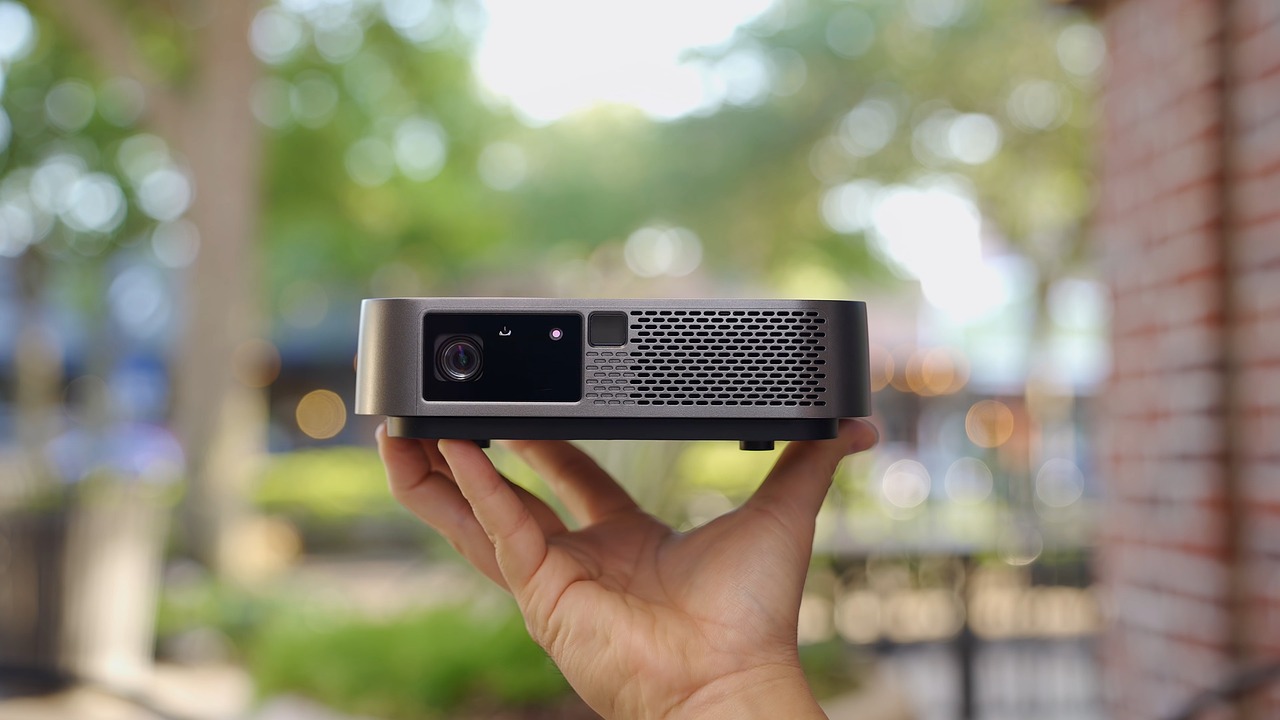
While traditional lamp-based projectors remain common, solid-state laser-phosphor and LED projectors have captured significant market share. These light sources do not suffer from the sudden, catastrophic bulb failures associated with mercury lamps, making them attractive targets in the refurbished market.
Laser and LED engines are rated for 20,000 to 30,000 hours of operation, often outlasting the useful technological lifespan of the projector itself. However, purchasing a refurbished solid-state projector requires checking other components. While the light source may theoretically have thousands of hours remaining, the phosphor wheels, laser diodes, and internal cooling fans can still fail due to heat stress or dust accumulation.
Furthermore, laser-phosphor degradation manifests as a gradual dimming and subtle color shift over years of use. Because it is difficult to visually assess the exact lumen output without a professional light meter, buying a factory-certified solid-state unit with remaining manufacturer warranty coverage provides vital peace of mind regarding the health of the optical engine.
Solid-state projectors also rely heavily on complex internal cooling arrays. If a refurbished laser projector was previously operated in a dusty environment or a poorly ventilated cabinet, the cooling fins and heat pipes may be partially clogged. Ensuring the unit runs quietly and does not constantly trigger high-speed fan modes immediately upon startup is critical during your initial evaluation period.
DLP Color Wheel Stability and Mechanical Wear
For home theater enthusiasts considering Single-Chip Digital Light Processing (DLP) projectors, the mechanical color wheel is a critical point of inspection. These wheels spin at high speeds—often synchronized with the video signal—to flash red, green, and blue panels through the light path sequentially.
Over thousands of hours of rotation, the miniature bearings supporting the color wheel can develop wear, leading to increased operational noise, high-pitched whining sounds, or eventual seizure. Additionally, cheaper or older color wheels can experience segment degradation or adhesive breakdown if exposed to excessive heat.
When evaluating a refurbished DLP projector, listen closely to the unit upon startup and during quiet movie scenes. Audible grinding or whirring indicates bearing fatigue. While a faulty color wheel can sometimes be replaced, the cost of parts and specialized labor often makes repair economically unviable, reinforcing the importance of relying on a robust return policy to vet the mechanical health of the unit.
It is also beneficial to understand color wheel speed configurations. Entry-level units often use 2x or 3x speed color wheels, which can exacerbate the visible “rainbow effect” for sensitive viewers. Higher-end or premium refurbished DLP models frequently feature 4x, 6x, or RGBRGB color wheels that significantly reduce artifact visibility while providing more stable color saturation across mixed content.
Optical Engine Vulnerabilities: Dust Blobs and Polarization Failure
Beyond lamps and color wheels, the internal optical path of a projector is susceptible to environmental contamination and heat stress, regardless of whether it uses DLP, LCD, or LCoS (Liquid Crystal on Silicon) technology.
LCD projectors are particularly vulnerable to dust blobs—particles of dust that settle on internal polarizing plates or imaging panels, projecting stubborn blurred spots onto your screen. Even if a refurbished unit was cleaned externally, micro-dust trapped deep inside the sealed optical block can escape notice during casual inspections.
LCoS units, praised for their deep contrast ratios and lack of the “rainbow effect” seen in some DLP models, can suffer from panel degradation or polarization filter breakdown over years of thermal cycling. This manifests as uneven color uniformity or purple/green patches on solid white test screens. Running a series of solid color fields immediately upon receiving a refurbished projector is one of the best ways to test for optical engine fatigue.
Inspectors at authorized refurbishment facilities should perform cleanroom optical block seal tests, but third-party units often skip this meticulous process. If you notice persistent color blotching or focus distortion that cannot be corrected via the lens focus ring, the optical engine may have suffered irreversible heat damage from a previous owner running the unit in high-altitude or poorly ventilated environments.
Step-by-Step Testing Checklist Upon Arrival
When your refurbished projector arrives, treat the first 48 hours as a rigorous diagnostic window. Do not rush to permanently mount the unit to your ceiling until you have verified its core functionality through a structured testing checklist:
- Visual Chassis Inspection: Check the outer casing for scuffs, cracks, or missing screws that might indicate the unit was dropped or poorly serviced by a previous owner.
- Air Filter Check: Inspect the air intake filters. A clean or newly replaced filter indicates good maintenance practices by the refurbisher.
- Lamp Hour Verification: Navigate into the projector’s system menu to check the recorded lamp hours against what was advertised by the seller.
- Test Pattern Analysis: Project a pure white, black, and primary color grid onto your screen. Look for dead pixels on DLP chips, dust blobs on LCD panels, and convergence alignment issues.
- Acoustic and Thermal Monitoring: Listen for fan grinding, bearing whines, or unexpected thermal shutdown warnings during a continuous two-hour viewing session.
- HDMI Handshake Check: Test multiple HDMI inputs with various source devices (streaming sticks, UHD Blu-ray players, gaming consoles) to ensure HDCP copy-protection protocols function seamlessly at 4K/60Hz or higher refresh rates.
Warranties, Return Policies, and Consumer Protections
The single biggest advantage of buying factory-certified refurbished equipment over private-party used gear is the inclusion of warranty protection and a formalized return window. Never purchase a high-end home theater projector without verifying these safeguards.
Factory-certified units typically carry a warranty ranging from 90 days to one full year, matching or closely approximating the warranty offered on brand-new retail equivalents. Read the fine print carefully, as some manufacturer warranties exclude the lamp module from coverage, or cover the lamp for only a limited subset of the total warranty period (such as 90 days or 1,000 hours).
Always purchase from retailers or manufacturers that offer a clear, no-hassle return window of at least 14 to 30 days. This window is your testing ground. Mount the projector, throw an image onto your screen or wall, test various input resolutions, check for HDMI handshake reliability, and run extended viewing sessions to ensure thermal stability under load.
Credit card purchase protections and extended warranty benefits provided by major credit card issuers can also serve as a secondary safety net. If a refurbished unit fails outside the retailer’s return window but within the manufacturer warranty period, having clear documentation of purchase and certified restoration status streamlines the warranty claim process.
Evaluating Price-to-Value: When Refurbished Makes Sense
To determine if a refurbished projector is truly a smart purchase, calculate your total cost of ownership rather than just looking at the initial discount sticker price. Compare the refurbished price against current retail sales, factoring in the cost of potential accessories like ceiling mounts, replacement filters, or new bulbs.
As a general rule of thumb, a factory-certified refurbished projector offering a 20% to 35% discount off MSRP, coupled with a one-year manufacturer warranty, represents an excellent consumer value. Discounts exceeding 50% on older models require closer scrutiny to ensure parts availability and firmware support remain viable.
If you are building a dedicated home theater where the projector will run for hours every single day, investing in a new retail unit with full warranty coverage might provide greater long-term security. However, for media rooms used on weekends, casual movie nights, or backyard movie setups, a certified refurbished unit delivers high-end cinematic immersion without the top-tier retail price tag.
Common Pitfalls to Avoid When Buying Refurbished
Navigating the refurbished market successfully requires avoiding a few classic missteps that catch unwary shoppers off guard:
- Ignoring the Throw Ratio: Buying a projector simply because it is a great deal without verifying that its lens throw distance matches your room dimensions is a costly mistake. Always use online projector calculator tools before purchasing.
- Overlooking HDMI and HDCP Standards: Ensure older refurbished models support modern HDMI bandwidth and HDCP copy-protection protocols required by 4K streaming devices, gaming consoles, and UHD Blu-ray players.
- Failing to Inspect Immediately: Waiting weeks to test a refurbished projector can push you past your return window, leaving you stuck with hidden shipping damage or latent optical flaws.
- Buying “As-Is” Private Sales: Avoid online auction sites selling unverified “open-box” or “for parts/repair” projectors unless you have the technical expertise and access to affordable spare parts to service them yourself.
Frequently Asked Questions About Refurbished Projectors
To help clarify common uncertainties, here are answers to frequently asked questions regarding refurbished projection equipment:
Are refurbished projector lamps covered under warranty?
It depends entirely on the manufacturer or refurbishing vendor. Factory-certified units often include lamp coverage for a limited period (e.g., 90 days or 500 hours) while covering the rest of the projector chassis for a full year. Always check the specific warranty terms before purchasing.
Can I replace a projector bulb myself?
Yes, most modern home theater projectors feature tool-accessible lamp doors that allow users to swap out lamp modules safely without dismantling the entire chassis. Always allow the projector to cool completely before handling the lamp housing.
How do I know if a refurbished projector is truly factory-certified?
True factory-certified units are sold directly through the manufacturer’s online store or via authorized electronics retailers who explicitly state that the hardware was restored and tested by the original brand technicians.
Making Your Final Decision
Choosing to buy a refurbished home theater projector is an effective strategy for maximizing your entertainment budget, provided you approach the market with a clear understanding of the hardware risks. By prioritizing factory-certified units, carefully checking lamp hour histories, testing optical engines for dust and color stability, and demanding adequate warranty protection, you can secure a high-performance projection system that delivers years of reliable cinematic enjoyment.