When government agencies or commercial delivery companies clear out their surplus fleets, adventurous buyers and small business owners often take notice. The allure of acquiring a rugged, purpose-built mail truck is understandable. Whether you need an affordable delivery rig for a local courier business or simply want a quirky, utilitarian runabout, buying a retired postal delivery vehicle presents a unique set of financial and operational puzzles. While the upfront auction price can look remarkably low, these vehicles live demanding lives that leave distinct marks on their mechanical health.
Before you place a bid on a government surplus site or a commercial fleet liquidation auction, it helps to look past the utilitarian charm and examine the ledger. Vehicles built for postal service endure punishing duty cycles characterized by endless idling, frequent gear shifts, and thousands of curb-to-curb stops every week. Understanding how this history affects long-term maintenance costs, fuel economy, and daily drivability will keep you from turning a bargain purchase into a permanent driveway anchor.
Furthermore, navigating state titling, specialty commercial insurance, and localized emissions rules adds layers of paperwork that traditional used car buyers rarely encounter. Fleet liquidations are usually sold strictly on an ‘as-is, where-is’ basis with no warranty coverage whatsoever. This means any hidden structural flaw, failing alternator, or cracked exhaust manifold becomes entirely your financial responsibility the moment your winning bid is accepted and you take physical possession of the keys.
The Reality of Stop-and-Go Transmission Wear
The single biggest mechanical hurdle facing any former fleet vehicle is the sheer volume of wear accumulated during low-speed, high-frequency stop-and-go operations. Unlike a standard passenger car that spends much of its life cruising smoothly at highway speeds, a postal vehicle operates in an environment of constant acceleration, heavy braking, and abrupt directional shifts.
Automatic transmissions in these vehicles typically suffer the most. Constantly shifting between first, second, and reverse hundreds of times a day generates immense heat, breaking down transmission fluid far more rapidly than normal service schedules anticipate. When evaluating a used Grumman LLV or similar surplus van, look closely at transmission performance. Slipping gears, delayed engagement, or dark, burnt-smelling transmission fluid are clear warning signs that a costly rebuild is looming on your horizon.
Furthermore, cooling systems take a heavy beating. Long periods of idling in suburban neighborhoods combined with low ambient airflow at low speeds can cause engines to run hot repeatedly over a span of decades. Check for signs of warped cylinder heads, blown head gaskets, or brittle cooling hoses that have been subjected to chronic thermal cycling.
To evaluate a surplus transmission thoroughly, you must look beyond a simple parking lot test drive. Ask the seller or auction coordinator if maintenance logs are available, noting how frequently transmission fluid was serviced. In municipal fleets, maintenance is often strictly scheduled, which can work to your advantage. However, municipal budgets can also lead to deferred maintenance during a vehicle’s final years of service before retirement. If the fluid has not been changed recently, plan on budgeting for an immediate fluid flush, filter replacement, and possibly a professional diagnostic evaluation to catch worn clutch packs before they fail entirely.
Brake systems experience parallel degradation. The sheer weight of the vehicle combined with thousands of weekly stops means that brake rotors, pads, calipers, and hydraulic lines live under intense physical stress. During your initial walkaround and inspection, check the thickness of the brake pads, inspect the rubber flexible brake hoses for dry rot or bulging, and test the firmness of the brake pedal. A spongy pedal often indicates air in the lines, failing master cylinders, or neglected fluid containing excessive moisture.
Right-Hand Drive Ergonomics on Public Roads
One of the defining characteristics of postal delivery vehicles is their right-hand drive (RHD) configuration, designed originally to allow mail carriers to reach curbside mailboxes directly from the driver’s seat. While this layout is essential for postal routes, it introduces unique safety and convenience challenges when driven on standard American roads and highways.
Driving a right-hand drive vehicle from the right side of the cabin alters your field of view entirely. Passing slower traffic on two-lane roads requires you to pull almost entirely into the oncoming lane just to see if the path is clear. Drive-thru lanes, toll booths, and parking garage ticket dispensers also become awkward logistical hurdles that require you to either unbuckle and lean across the console or exit the vehicle entirely.
From an ergonomic standpoint, check the seating position and pedal placement during your inspection. Many older fleet vehicles were engineered for basic utility rather than comfort. If you plan to spend hours behind the wheel running delivery routes, an unsupportive bench seat or poorly positioned pedals can lead to driver fatigue, back strain, and knee discomfort.
Additionally, visibility in tight urban environments requires a period of adjustment. While postal trucks often feature large greenhouse windows and expansive glass area to minimize blind spots, your depth perception regarding the left side of the vehicle will feel counterintuitive at first. Mirror adjustments are critical; adding auxiliary wide-angle convex mirrors can help mitigate the blind spots inherent in driving a right-hand vehicle on the right side of the road.
Beyond standard street navigation, consider how RHD seating affects interaction with law enforcement or everyday parking lot maneuvering. If you are pulled over by a police officer, reaching across the cabin or explaining your configuration requires clear communication to avoid misunderstandings. Similarly, parking parallel on busy downtown streets places your exit directly adjacent to active traffic lanes rather than the safety of the sidewalk, demanding heightened situational awareness every time you open the driver’s door.
Parts Availability and Maintenance Complexities
A common misconception among first-time surplus buyers is that because commercial vehicles are built to be simple, fixing them is always easy and inexpensive. While classic delivery trucks often feature rugged, body-on-frame construction and durable iron-block engines, sourcing specific replacement components can range from straightforward to exasperating.
Vehicles like the Grumman LLV utilize a custom aluminum body mated to a modified chassis—in the LLV’s case, a derivative of the Chevrolet S-10 pickup. While mechanical engine and suspension parts from the donor vehicle are usually easy to find at any local auto parts store, body panels, custom glass, door mechanisms, and specific interior trim pieces are often entirely unobtainable through standard retail channels.
If you back a retired mail truck into a concrete pillar, you likely will not be able to swing by a salvage yard and pick up a matching fender. Repairs often require custom fabrication or scouring specialty online enthusiast networks and surplus liquidation depots. Before purchasing, research the specific model’s lineage to determine which components are shared with mainstream consumer vehicles and which are proprietary dead ends.
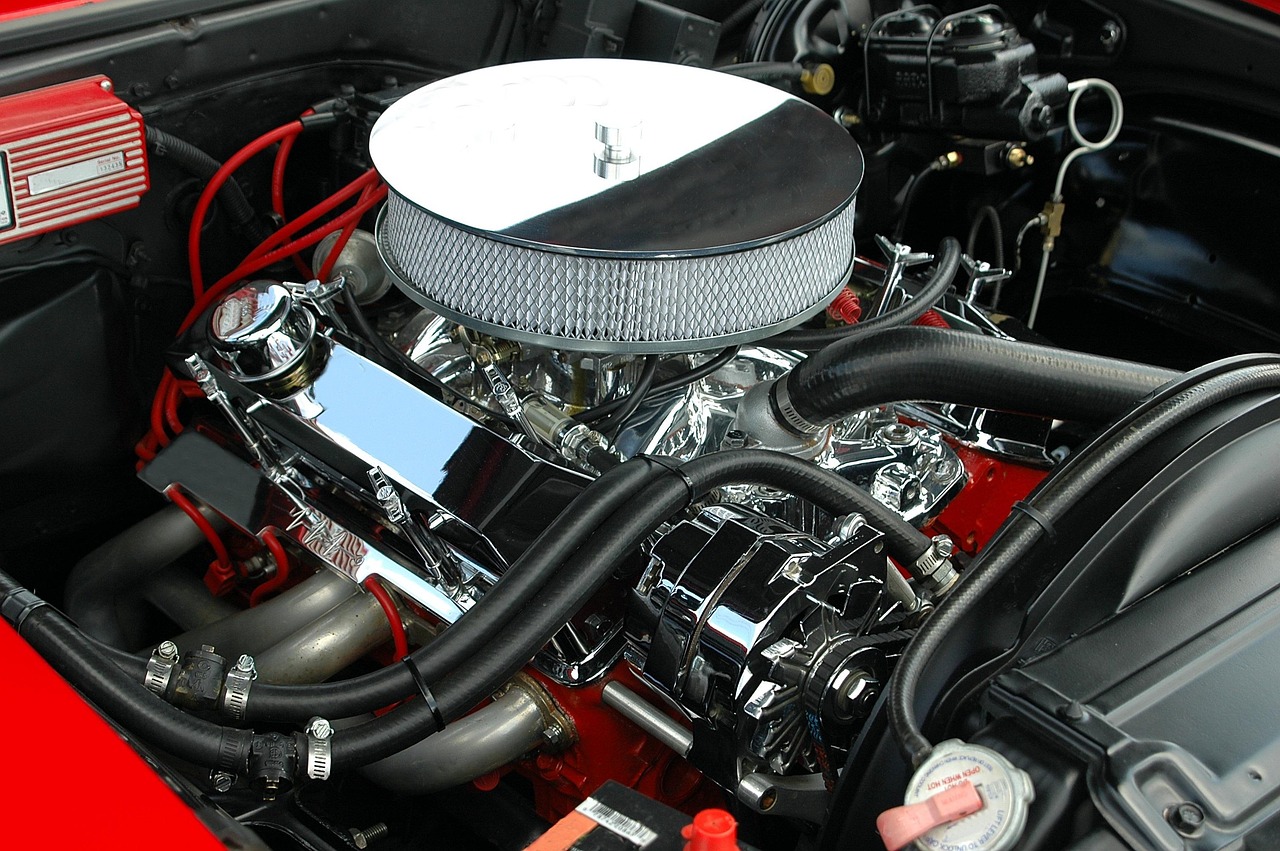
Another consideration under the hood is electrical wiring. Commercial fleets frequently undergo modifications over their lifespans, including the installation and removal of two-way radios, auxiliary lighting, specialized charging systems, and tracking devices. Unraveling spliced, taped, or non-factory wiring harnesses during electrical troubleshooting can test the patience of even seasoned DIY mechanics. Always inspect the fuse boxes and under-dash wiring for signs of amateur modifications that could lead to intermittent electrical gremlins or battery drain issues.
Furthermore, sourcing specialty glass or custom window seals can become a major headache if the vehicle has been sitting exposed to the elements for years. Rubber weatherstripping around doors and windshields frequently dries out, cracks, and leaks, leading to soaked cabin floors and accelerated rust in surrounding steel structures. Checking the integrity of all window seals before bidding saves you from tracking down rare weatherstripping profiles later.
Fuel Economy and Environmental Realities
Efficiency is rarely the strong suit of vintage or heavily used commercial fleet vehicles. Postal trucks and step vans are shaped like bricks, prioritizing interior cargo volume over aerodynamic efficiency. Pushing a heavy, poorly streamlined box through the wind at highway speeds requires significant energy.
Moreover, older carbureted or early fuel-injected engines found in surplus fleets cannot compete with modern passenger car powertrains when it comes to fuel economy or emissions. Expect single-digit or low-double-digit miles per gallon, particularly if your intended use involves city driving or hilly terrain. If fuel prices spike, the operational overhead of running a thirsty delivery van can quickly erase any savings you achieved on the initial purchase price.
Environmental regulations and state inspection requirements also deserve careful scrutiny. Depending on where you live, older commercial vehicles may struggle to pass stringent local smog checks or emissions testing. Ensuring the vehicle complies with state laws before handing over your money prevents a frustrating bureaucratic stalemate.
If the vehicle you are eyeing relies on older emissions control equipment, replacement catalytic converters or EGR valves might be obsolete or expensive to source. Furthermore, because these vehicles spend hours idling in traffic, carbon buildup inside the intake manifold and combustion chambers is common. A thorough decarbonization service or valve cleaning may be necessary to restore smooth idle quality and acceptable emissions levels.
It is also worth noting that many older fleet vehicles lack modern creature comforts like air conditioning. If you plan to operate the van during hot summer months, driving a metal box with minimal insulation and a roaring engine can quickly become exhausting. Retrofitting an aftermarket air conditioning system is entirely possible in many models, but the installation costs and added engine load will further reduce fuel economy and demand more from an already taxed cooling system.
Evaluating Structural Rust and Frame Integrity
Because delivery vehicles often operate in all weather conditions—including heavy winter snowstorms where municipalities salt the roads aggressively—underbody corrosion is a primary structural threat. Aluminum bodies on trucks like the LLV resist cosmetic red rust, but the steel subframes, chassis rails, and suspension mounting points underneath are entirely susceptible to aggressive oxidation.
When inspecting a retired fleet vehicle, bring a flashlight and a sturdy probe or mechanic’s pick. Crawl underneath and examine the frame rails where structural stress concentrates. Surface rust is normal on older vehicles, but flaking metal, deep pitting, or structural perforation in the frame means the vehicle should be passed over immediately. A compromised frame cannot be repaired economically and poses severe safety risks in a collision.
Pay special attention to suspension mounting points, leaf spring shackles, and steering box mounts. The constant pounding of curb impacts and uneven road surfaces takes a heavy toll on these areas. If the metal surrounding a suspension mount is fatigued or rusted through, the vehicle is structurally unsafe to drive until professional structural welding is performed—a cost that can easily exceed the total purchase price of the vehicle.
Body mounts connecting the aluminum shell to the steel frame also warrant careful examination. Over decades of twisting and vibrating across uneven pavement, these rubber or polyurethane mounts can disintegrate, causing the body to sag or shift relative to the chassis. Replacing body mount bushings is an involved labor-intensive task that often requires lifting the body off the frame with jacks or a shop hoist.

Is Buying a Retired Fleet Vehicle Right for You?
Purchasing a surplus postal vehicle or retired commercial van can make financial sense under the right set of circumstances. If you are a mechanically inclined hobbyist with the space, tools, and patience to perform your own repairs, a retired mail truck can serve as a dependable local hauling rig, a unique mobile business storefront, or a fun weekend project.
However, if you are looking for turn-key reliability for a commercial enterprise without the time or budget to troubleshoot unexpected mechanical failures, buying a standard, modern used cargo van or minitruck is almost always the wiser financial choice. Standard commercial vans benefit from ubiquitous parts availability, predictable maintenance costs, and standard left-hand drive layouts that integrate seamlessly into everyday American traffic.
Weigh the total cost of ownership—factoring in potential transmission overhauls, custom parts hunting, low fuel economy, and insurance adjustments—against the low sticker price. A thorough pre-purchase inspection by an independent mechanic who understands commercial fleet platforms will ultimately tell you whether that auction bargain is truly a deal or an expensive project in disguise.
Additionally, small business owners must consider branding and public perception. While a vintage mail truck can draw positive attention as a mobile storefront or coffee vendor vehicle, it can also project an image of unreliability if it frequently breaks down mid-route. Weighing the marketing novelty against the operational risks will help clarify whether a surplus vehicle aligns with your business goals.
A Step-by-Step Inspection Checklist for Surplus Bidders
Before placing a winning bid on an online government surplus auction site, use this practical framework to evaluate the vehicle if an in-person viewing is permitted:
- Check Engine and Transmission Fluid Condition: Pull the dipsticks. Dark, burnt fluid or metallic flakes indicate severe internal wear.
- Examine the Frame Rails: Look for deep pitting, rust scale, or structural patches, especially near the rear leaf spring perches and front steering box.
- Test All Electrical Accessories: Ensure wipers, heater blowers, headlights, and turn signals function correctly. Fleet vehicles often suffer from neglected wiring.
- Evaluate Braking Performance: Commercial vehicles are heavy. Soft pedals, pulsing brakes, or rusted brake lines require immediate hydraulic overhauls.
- Verify Title and Registration Status: Ensure the surplus agency provides a clean title or proper government release documentation that your local DMV will accept for street registration.
- Inspect Steering Linkage and Ball Joints: Jack up the front end and check for wheel play. Worn idler arms, pitman arms, and tie rod ends are common on heavy municipal rigs.
- Test the Cooling System under Load: Let the engine idle for an extended period to ensure the thermostat opens properly and the electric or mechanical fan prevents overheating.
Taking the time to methodically assess these vital areas will protect your wallet and ensure your surplus vehicle acquisition remains a rewarding project rather than an ongoing financial drain.