When budget-conscious drivers browse government surplus auctions, buying a retired police interceptor car often looks like an unbeatable deal. Models like the Ford Crown Victoria Police Interceptor, the Dodge Charger Pursuit, and the Ford Police Interceptor Utility (based on the Explorer) promise V8 or twin-turbo V6 power, heavy-duty suspension components, upgraded cooling systems, and rugged body-on-frame or reinforced unibody structures—all for a fraction of the cost of a standard used sedan.
Yet veteran mechanics and fleet managers will tell you that ex-police cruisers live hard lives. Behind the freshly painted bumpers and removed light bars lie thousands of hours of aggressive driving, long periods of idling, and complex electrical modifications. If you are considering entering the government surplus market, you need a clear-eyed look at the mechanical wear, maintenance realities, and total cost of ownership involved.
The Allure of the Ex-Police Cruiser
The primary appeal of a retired squad car is straightforward: durability and value. Municipalities typically maintain their vehicles meticulously according to strict mileage or time schedules. Fluids are changed, brakes are serviced, and suspension components are replaced promptly to ensure officer safety and operational readiness.
Furthermore, police interceptors are built differently than their civilian counterparts. Manufacturers equip them with larger alternators, heavy-duty cooling packages, transmission coolers, upgraded brakes, and reinforced frame rails. For a driver looking for a sturdy commuter or an affordable project car, these upgraded specifications offer undeniable mechanical advantages over an economy car that was driven gently but perhaps neglected by a private owner.
Understanding Fleet Maintenance Logs and Service Records
One distinct advantage of purchasing directly from municipal auctions is the potential availability of detailed maintenance logs. Unlike standard used car purchases where vehicle history reports like Carfax or AutoCheck rely on scattered shop visits, government fleets often keep meticulous paper trails. These records can reveal exact dates of fluid changes, major component replacements, and recall services.
However, buyers must distinguish between routine preventative maintenance and emergency repairs. A cruiser that has undergone multiple transmission replacements or frequent differential overhauls suggests a vehicle that was subjected to severe service duty cycles. Always review these logs with a critical eye, looking for patterns of recurring mechanical failures rather than simple consumable replacements like brake pads and tires.
Understanding Idle Hours and Engine Wear
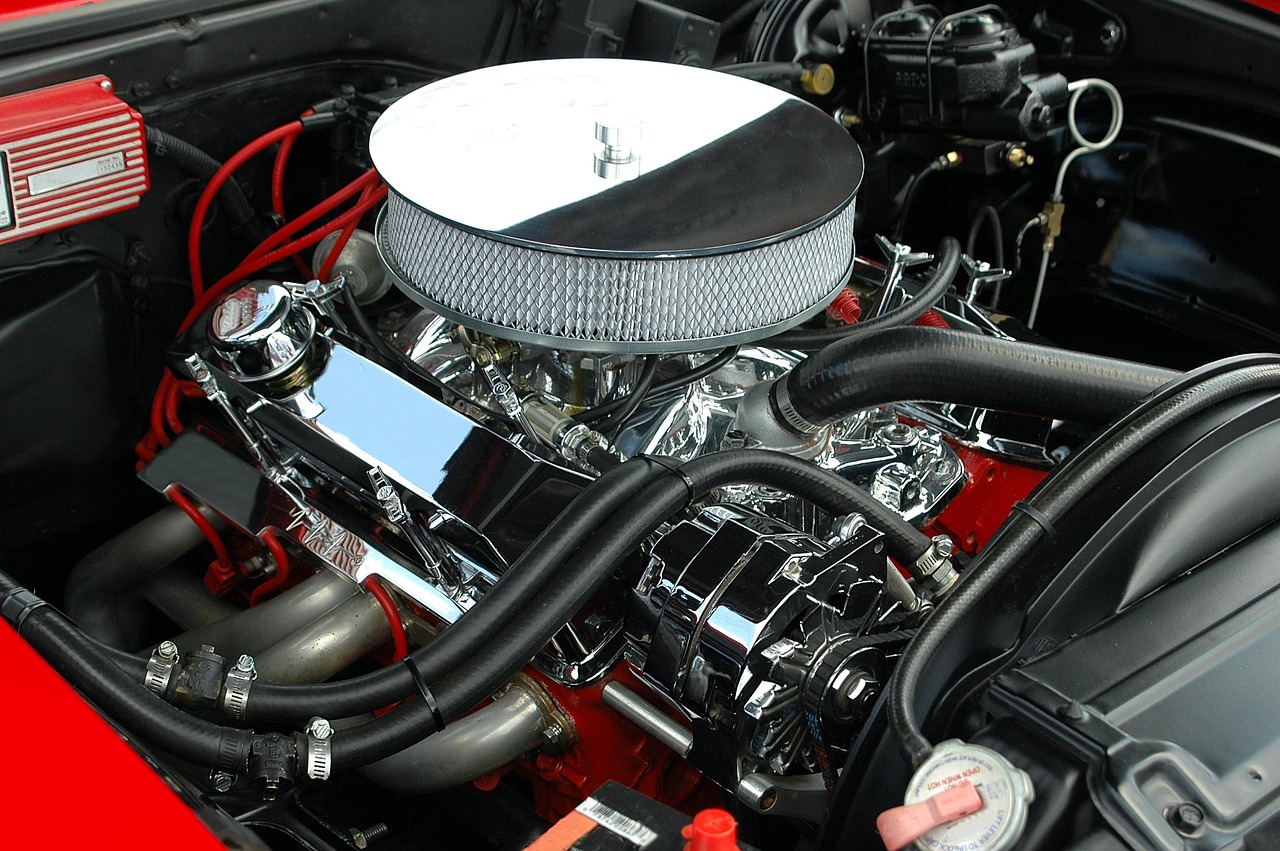
The biggest hidden trap when evaluating a retired cruiser is not the odometer mileage—it is the engine hour meter. Unlike civilian vehicles, which accumulate wear primarily while the wheels are turning, police cruisers spend vast amounts of time idling at accident scenes, speed traps, and during administrative paperwork.
A vehicle with only 90,000 miles on the odometer might easily have 3,000 to 4,000 engine hours logged on its internal computer. Rule-of-thumb calculations often equate one idle hour to roughly 33 miles of standard driving wear. When you factor in high idle times, that 90,000-mile car may actually carry the internal mechanical wear of a 150,000-mile civilian vehicle.
Extended idling places unique stress on the engine. It can lead to carbon buildup on the valves, accelerated oil degradation if intervals are not adjusted for idle time, and increased wear on the oil pump and valvetrain due to lower oil pressure at low RPMs. When inspecting a surplus vehicle, always check the hour meter if the dashboard cluster provides one.
Diagnosing Idle-Related Internal Engine Damage
Because police engines idle for hours on end, oil temperatures can spike while airflow through the radiator is stagnant, placing extra strain on cooling fans and water pumps. Over time, this thermal cycling can degrade engine oil faster than mileage accumulation alone suggests. When inspecting a prospective purchase, pull the oil dipstick and check for signs of sludge, varnish, or coolant contamination.
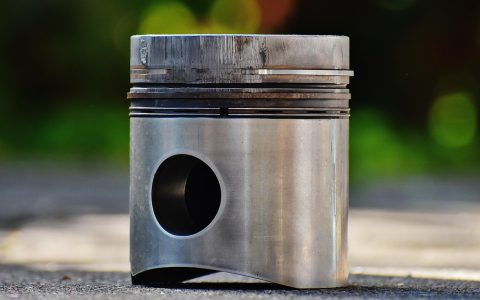
Additionally, listen closely to the valvetrain upon a cold start. Lifter tick or piston slap that persists long after oil pressure stabilizes can indicate accelerated wear from countless hours of low-speed, high-heat idling. Performing a compression test or a cylinder leak-down test is one of the best ways to verify the internal health of an ex-fleet engine before finalizing your auction bid.
Wiring Harness Modifications and Electrical Quirks
Perhaps the most common headache for new owners of ex-police vehicles is dealing with the aftermath of equipment decommissioning. Police cruisers are packed with specialized electronics, including light bars, sirens, computer terminals, dash cameras, radar units, and secure radio transceivers.
When a department retires a car, technicians pull this equipment out. However, the thoroughness of the removal process varies wildly. Some departments carefully unpin and remove aftermarket wiring back to the factory fuse box, while others simply clip wires under the dashboard or beneath the rear seats, leaving behind a maze of spliced lines, dead-end power leads, and stripped insulation.
Troubleshooting electrical gremlins—such as draining batteries, erratic power window behavior, or inoperable interior lights—can consume hours of diagnostic time. If you lack patience for automotive wiring diagrams or basic multimeter diagnostics, an ex-police vehicle with extensive electrical cuts can quickly become a frustrating project.
Tracing Phantom Power Drains and Repairing Spliced Wires
When you bring your newly acquired surplus vehicle home, setting aside an entire weekend for electrical auditing is often necessary. Unidentified accessory wires left connected to constant 12-volt power sources are notorious for causing parasitic battery drains that leave your car dead after sitting for a couple of days.
To remedy this safely, track down every auxiliary fuse block installed by the upfitter—often located in the trunk or under the passenger seat—and completely isolate or remove unneeded circuits. Spliced wires should be soldered and heat-shrunk rather than left with cheap twist-on connectors or electrical tape, which inevitably degrades under temperature fluctuations and causes intermittent electrical faults.
Suspension, Brakes, and Drivetrain Reality Check
Police vehicles take a physical beating on the road. They are subjected to aggressive acceleration, rapid deceleration, severe braking, and frequent impacts with potholes, curbs, and road debris during high-speed maneuvers.
While interceptors feature upgraded suspension components—such as stiffer springs, heavy-duty stabilizer bars, and specialized dampers—these parts wear out just like standard components. By the time a car hits the surplus auction block, its suspension bushings, ball joints, tie rods, and wheel bearings may be thoroughly exhausted. A thorough pre-purchase inspection should always include putting the car on a lift to check for play in the steering and suspension joints.
Brakes, too, tell a story. While police brake pads and rotors are designed to handle repeated high-speed stops without catastrophic fade, they are also expensive to replace with OEM-equivalent heavy-duty parts. Expect to pay more for specialized brake hardware than you would for a standard family sedan.
Differential Wear and Limited-Slip Performance
Beyond the brakes and suspension, the rear differential deserves close attention. Police interceptors—particularly rear-wheel-drive models like the Crown Victoria and Charger—often utilize heavy-duty axle housings paired with limited-slip differentials to maintain traction in adverse weather or during aggressive maneuvers.
Over years of hard acceleration and tight cornering, differential clutch packs wear down. When test-driving a prospective vehicle, listen for whining noises from the rear axle during acceleration or deceleration, and check for binding or chatter when making tight, low-speed turns in a parking lot. Changing the differential fluid immediately after purchase is a vital preventative step to catch metallic wear debris early.
Body, Interior, and Cosmetic Compromises
Civilian comfort is rarely the top priority when engineering a patrol vehicle. Interiors are optimized for utility, durability, and ease of cleaning rather than plush ergonomics.
Rear seats in many older interceptors are molded heavy-duty plastic designed to be hosed down, though some departments install cloth rear seats. Front seats often feature heavy-duty cloth or vinyl covers designed to withstand the wear of duty belts, handcuffs, and firearm holsters. Furthermore, center consoles are usually missing or heavily modified to accommodate mounting plates for police equipment, leaving bare metal brackets or large gaps in the dashboard.
Externally, surplus cars often show battle scars. You may find minor parking lot dings, scraped bumpers, and ghost graphics—faint outlines left behind where vinyl department decals were peeled off the doors. Many buyers choose to wrap or repaint these vehicles, adding another expense to the initial purchase price.
Interior Smell Remediation and Ergonomic Upgrades
A frequent challenge for new owners is eliminating stubborn residual odors. Years of transporting suspects, combined with heavy-duty cleaning chemicals used by municipal detailers, can leave an unmistakable, sterile smell inside the cabin. Deep-cleaning the carpets with an extractor, changing cabin air filters, and using an ozone treatment machine are effective ways to restore a fresh interior environment.
Ergonomically, you may also want to replace the standard front bucket seats. Police seats often feature cutouts or specialized bolstering designed to accommodate bulky equipment belts, which can prove uncomfortable during long, everyday road trips. Sourcing civilian seats from a salvage yard is a popular modification among veteran surplus vehicle owners.
Comparing Popular Interceptor Models: Crown Vic vs. Charger vs. Explorer
Not all retired police vehicles carry the same mechanical traits or ownership challenges. Understanding the generational strengths and weaknesses of the three most common surplus platforms helps buyers choose the right vehicle for their needs.
- Ford Crown Victoria Police Interceptor (1998–2011): The undisputed king of surplus auctions. Built on a traditional body-on-frame platform with a robust 4.6L modular V8 engine, it offers legendary mechanical simplicity, cheap spare parts, and straightforward rear-wheel-drive architecture that DIY mechanics love. However, finding clean, low-mileage examples gets harder each year.
- Dodge Charger Pursuit (2006–Present): Available with either a 3.5L/3.6L V6 or a 5.7L Hemi V8, the Charger provides modern handling, aggressive styling, and high-speed capability. On the downside, civilian owners frequently report higher suspension maintenance costs, complex electronics, and front-end component wear due to the heavy weight of the V8 engine pushing down on the front wheels.
- Ford Police Interceptor Utility (2013–Present): Based on the rugged Ford Explorer platform, these modern fleet SUVs are dominating current surplus markets. Powered by naturally aspirated or twin-turbo EcoBoost V6 engines, they offer all-wheel drive and immense cargo utility. However, their sophisticated turbo systems, transfer cases, and intricate computer networks require closer professional diagnostic scrutiny than older body-on-frame sedans.
Insurance and Registration Realities
When calculating the ongoing cost of operating a retired police cruiser, insurance rates represent a major variable that catches many first-time buyers off guard. Because these vehicles are classified by their VIN as high-performance or commercial-use platforms, some insurance companies quote surprisingly high premiums.
Before bidding at an auction, take the specific VIN of the vehicle you are eyeing and call your insurance provider. Ask whether they apply surcharges for fleet or interceptor vehicles. In some cases, registering the car under a standard personal auto policy is straightforward, while other insurers may require commercial underwriting or specialized liability coverage depending on your driving record and state regulations.
Calculating True Total Cost of Ownership
When assessing whether a retired interceptor makes financial sense, you must look past the initial auction bid. A comprehensive budget should include several key categories:
- Initial Acquisition: The auction winning bid, buyer’s premiums, towing fees, and local taxes or registration costs.
- Immediate Baseline Servicing: Replacing all fluids (engine oil, transmission fluid, differential fluid, coolant, brake fluid), fresh spark plugs, serpentine belts, and filters.
- Safety and Suspension Refresh: New tires, alignment, brake pads, rotors, and worn steering linkage components.
- Electrical Remediation: Fixing cut wires, securing loose harnesses, and replacing faulty switches or auxiliary battery isolators.
- Fuel Economy: Recognizing that V8 engines and heavy-duty drivetrain gear ratios generally translate to lower fuel economy than standard four-cylinder or modern six-cylinder sedans.
When you add these baseline expenses to the purchase price, a $4,000 auction car can easily require an additional $1,500 to $2,500 in parts and labor before it is truly reliable for daily commuting or road trips.
Insurance costs also deserve careful research. Some insurance providers view retired police vehicles as standard used sedans based on their VIN, while others classify them as commercial or high-risk vehicles due to their performance capabilities. Always obtain an insurance quote using the specific vehicle identification number before finalizing your purchase.
Common Mistakes to Avoid at Government Auctions
First-time buyers at government surplus auctions frequently make avoidable errors that turn a budget-friendly purchase into a financial drain. Avoiding these pitfalls can save you significant time and money:
- Buying Sight Unseen: Never purchase a surplus vehicle purely based on online auction photos and a brief fleet maintenance summary. In-person inspections reveal hidden rust, interior odors, fluid leaks, and transmission slip that photos conceal.
- Ignoring the Transmission: Police transmissions work hard. Test-drive the vehicle thoroughly to ensure crisp, smooth shifting without hesitation, slipping, or harsh engagement, which can signal an imminent, expensive transmission rebuild.
- Overlooking Idle Data: If the vehicle lacks an engine hour meter, look for signs of heavy municipal use—such as worn rubber floor mats in the driver’s footwell, worn steering wheel leather, or auxiliary holes in the trunk floor.
- Skipping Maintenance Reserves: Always keep a financial cushion reserved for post-purchase repairs. Assuming an auction car is ready for a cross-country road trip on day one is a recipe for roadside trouble.
Frequently Asked Questions About Retired Police Cars
Are ex-police cars faster than normal civilian cars?
Generally, yes. Police interceptors feature specialized powertrain calibrations, higher top speeds, performance-tuned suspension setups, and more aggressive transmission shift logic designed for rapid pursuit. However, they are also heavier due to reinforced body structures and auxiliary equipment, which slightly dampens straight-line acceleration compared to dedicated sports cars.
Do police cars have different engines than civilian models?
While they often share the same engine block displacement (such as the 4.6L V8 in older Crown Vics or the 3.7L/EcoBoost V6 in modern Explorers), police engines frequently feature upgraded internal cooling provisions, heavy-duty oil coolers, special silicone hoses, and unique engine management software designed to withstand prolonged high-heat operating conditions.
Is it illegal to drive a retired police car on public roads?
Driving an ex-police car is completely legal in most jurisdictions, provided you remove operational emergency lights, sirens, and any remaining official municipal markings or star emblems. Many states explicitly require that spotlight bulbs be removed or covered, and impersonating a police officer is a serious criminal offense. Always verify your local state and municipal vehicle appearance laws before taking your surplus car onto public highways.
Is a Retired Police Interceptor Right for You?
Buying a retired police interceptor car is ultimately a calculated trade-off. If you value mechanical simplicity, easy parts availability, rugged frame construction, and do-it-yourself repairability, an ex-police cruiser can provide years of reliable, inexpensive transportation once initial deferred maintenance is addressed.
However, if you want a turnkey vehicle that requires nothing more than routine oil changes, or if you have a long daily commute where fuel economy is paramount, a standard civilian sedan or hatchback remains the more practical choice. By understanding the true mechanical wear, idle time realities, and electrical quirks of surplus fleet vehicles, you can make an informed decision that protects both your daily mobility and your personal budget.