Tackling a damp basement can get expensive fast, which is why hunting down a refurbished portable dehumidifier buyer guide is a smart first step for budget-conscious homeowners. A quality portable unit can pull gallons of water out of the air daily, keeping mold, musty odors, and structural warping at bay. However, buying pre-owned or factory-certified appliances introduces variables that brand-new boxes simply do not have. From compressor wear to hidden warranty exclusions, understanding what goes into refurbishing these heavy-duty machines helps you separate a genuine bargain from a mechanical liability.
When moisture levels in subterranean spaces consistently climb above 60 percent, wood framing, stored items, and indoor air quality suffer. While retail models often carry steep price tags, factory-certified units offer a middle ground: appliances returned for minor cosmetic flaws, box damage, or minor component swaps that have been repaired, tested, and repackaged by the manufacturer or an authorized liquidator. To make a smart purchase, you need to understand how these machines are rebuilt, where they typically fail, and what kind of protection remains if something goes wrong.
Basement environments present unique engineering challenges for appliances. Unlike upper-floor living spaces, basements remain cooler, experience more severe temperature fluctuations between seasons, and handle air laden with alkaline masonry dust, damp organic particulates, and high relative humidity. A dehumidifier operating in this sub-grade environment works significantly harder than an air conditioner in a living room. Recognizing these operational demands is the first step toward evaluating whether a pre-owned machine can handle the long-term workload without failing prematurely.
Understanding Factory-Certified vs. As-Is Used Units
The marketplace for pre-owned climate control equipment is split into distinct tiers. Knowing the difference between an ‘as-is’ listing and a true factory-certified appliance is critical for protecting your investment.
As-is used dehumidifiers—often found on peer-to-peer marketplaces, garage sales, or liquidation bins—come with zero guarantees. They may have run continuously in a humid crawlspace or subterranean workshop for five years, accumulating thick layers of dust and pet dander on the condenser coils, severely straining the compressor, and operating with degraded electrical insulation. When you buy an as-is unit, you absorb 100 percent of the risk. If the compressor seizes three days after you plug it in, you are left with an expensive plastic paperweight.
Factory-certified refurbished units, by contrast, go through a standardized workflow. Authorized technicians typically plug the unit into diagnostic test rigs, check refrigerant pressures, clean or replace dirty air filters, sanitize water collection buckets, and verify that the onboard humidistat reads accurately within tight calibration tolerances. If a compressor was weak, a fan bearing was squeaking, or a circuit board flickered, it should have been repaired or replaced during the process. However, ‘refurbished’ is not a uniform label. Different brands and third-party liquidators maintain varying standards for what constitutes a fully restored appliance. Always investigate who performed the refurbishment: a factory-authorized service center using OEM parts carries far more weight than an anonymous third-party liquidator doing quick cosmetic cleanups.
Compressor Duty Cycles and Mechanical Longevity
The heart of any dehumidifier is its compressor. Unlike refrigerators, which cycle on and off to maintain a narrow temperature band inside an insulated cabinet, basement dehumidifiers often run continuously for hours under heavy moisture loads. This sustained operational stress takes a heavy toll on internal valves, motor windings, and lubrication systems.
When evaluating a pre-owned machine, consider the expected lifespan of the rotary or reciprocating compressor inside. Compressors rarely fail overnight without warning; instead, they lose efficiency gradually as internal mechanical valves wear out, motor windings degrade from thermal overload, or refrigerant slowly escapes through micro-fractures in the copper tubing. A refurbished unit that has had its compressor bench-tested may work fine initially, but if the machine was previously subjected to heavy commercial use, continuous cycling under low voltage conditions, or severe electrical spikes in an older home, its remaining operational lifespan could be severely shortened.
Look closely at specifications regarding energy efficiency ratios (EER) or current Energy Star ratings on the unit’s technical specification label. Older or poorly refurbished compressors can draw excessive amperage during startup and continuous running, driving up your monthly electric bill and quickly offsetting any upfront savings you gained by buying pre-owned. A machine that draws 7 to 9 amps continuously can add a noticeable bump to your utility statement if it runs twenty hours a day during the peak summer humidity season.
Refrigerant Integrity and Closed-Loop Realities
Dehumidifiers rely on a closed refrigeration loop—operating on the exact same thermodynamic principles as a household refrigerator or window air conditioner—to pull moisture from warm, humid air. Warm, moisture-laden air is drawn across cold evaporator coils by a blower fan, causing water vapor to condense rapidly into liquid droplets. The air then passes over warm condenser coils, which temper the air slightly before discharging it back into the room.
If a previous owner punctured the aluminum or copper fins while aggressively chipping away ice buildup with a metal tool, or if persistent vibration caused a hairline crack in a brazed refrigerant joint, the unit will lose its critical refrigerant charge. A dehumidifier running with a depleted or leaking refrigerant charge will cycle endlessly without collecting a single drop of water, while the compressor runs hot, overheats, and eventually suffers a catastrophic thermal burnout.
Reputable refurbishment centers pressure-test these closed loops with electronic leak detectors and nitrogen pressure rigs before resealing them. However, discount liquidators sometimes skip this essential step, testing only whether the blower fan spins and the indicator lights turn on when plugged into a wall outlet. When your refurbished unit arrives, run it in a damp space for at least 24 continuous hours and verify that the evaporator coils are chilling evenly across the entire surface area and actively dropping condensation into the collection bucket or continuous drain hose.
Bucket Sensor Failures and Common Electrical Gremlins
Ask seasoned homeowners about their dehumidifier frustrations, and many will point straight to the water collection bucket and its float switch assembly. These mechanical micro-switches or magnetic reed switches are engineered to shut the compressor and fan down instantly when the water bucket reaches maximum capacity, preventing massive, unmonitored overflows onto your basement floor.
In refurbished units, the bucket assembly is a frequent trouble spot. Mineral scale buildup from hard tap water during previous testing, cracked plastic housings resulting from rough handling during freight transit, or a stuck magnetic float can cause false ‘Bucket Full’ error codes to flash on the display, or worse, failure to shut off when full, leading to basement flooding. Inspect the physical condition of the bucket, check the smooth vertical movement of the float arm, and test the auto-shutoff feature manually during your initial evaluation period by lifting the bucket out while the unit is actively running.
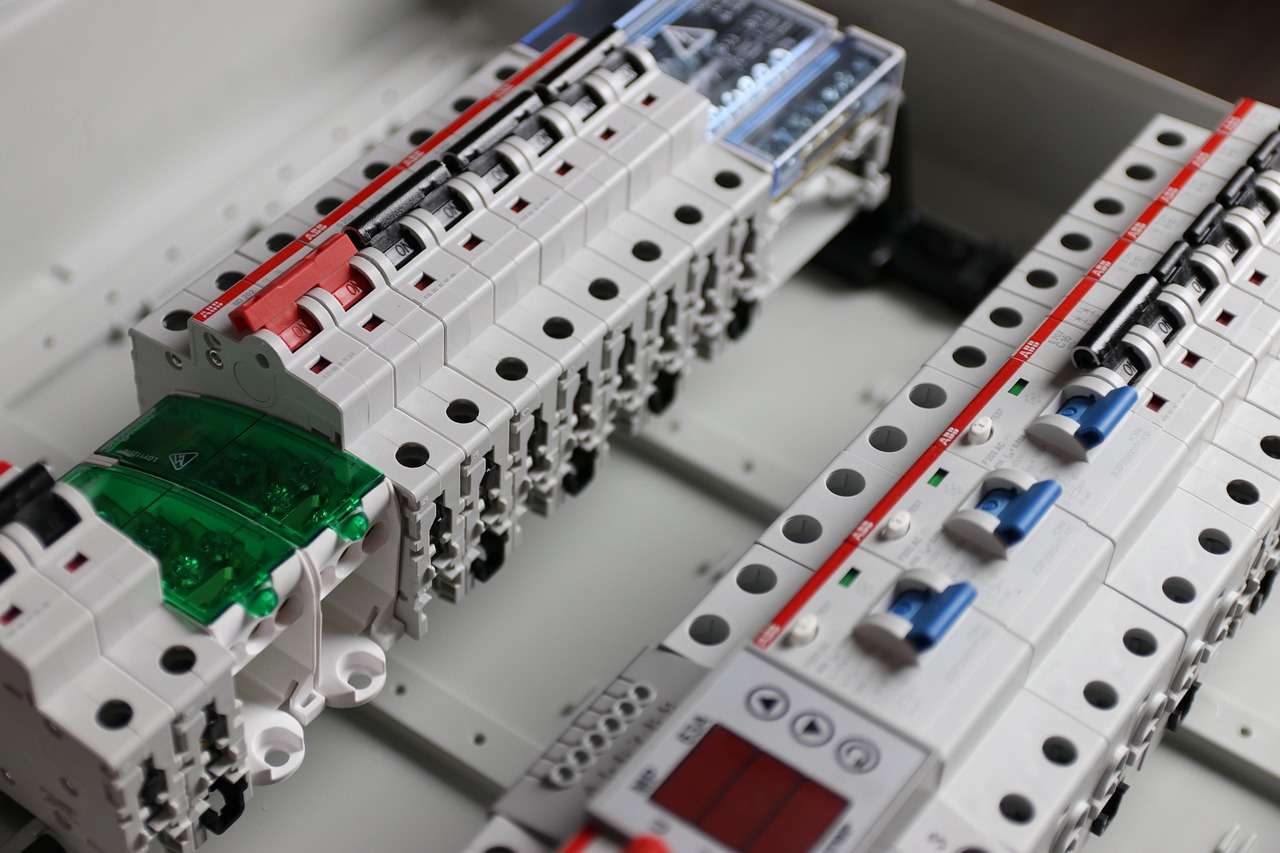
Control boards and solid-state relays are another major vulnerability. Power surges from basement electrical panels, lightning strikes, or unstable grid voltage can fry solid-state control relays, causing digital display panels to glitch, buttons to become unresponsive, or preventing the humidistat from accurately holding your programmed target humidity percentage. Ensure the unit features basic integrated surge protection or plug it into a dedicated heavy-duty appliance surge suppressor rather than a cheap multi-outlet power strip.
Navigating Warranty Coverage and Fine Print
One of the biggest differences between buying a brand-new appliance and purchasing a refurbished unit lies in the warranty terms. While a brand-new retail dehumidifier typically includes a comprehensive one-to-five-year manufacturer warranty covering sealed system defects, electrical components, and labor, refurbished units operate under much tighter constraints.
Manufacturer-certified refurbished units often carry a modest 90-day to one-year limited warranty. Third-party liquidators may offer warranties backed by independent third-party insurance companies, which frequently require you to ship heavy appliances back to a distant service depot at your own expense if a mechanical fault occurs—a freight cost that can easily exceed the price of purchasing a replacement unit locally.
Carefully read the fine print regarding explicit exclusions. Many refurbished warranties cover mechanical failure of the compressor or fan motor but explicitly exclude electrical surges, cosmetic cabinet damage, remote controls, or air filter replacements. Knowing these contractual boundaries helps you decide whether purchasing an optional extended protection plan makes genuine financial sense or if you are better off self-insuring against minor failures.
Grading Systems: Cosmetic vs. Functional Restoration
Liquidators and certified refurbishment programs often grade pre-owned inventory using standardized terminology like ‘Grade A Like New,’ ‘Grade B Good,’ or ‘Scratch and Dent Final Sale.’ It is essential to understand what these internal grading categories actually mean for your purchase before hitting the checkout button.
A cosmetic grade indicates that the appliance features external scratches, scuffs, scuffs on the control panel, or minor dents on the outer plastic housing resulting from warehouse handling. These aesthetic flaws do not impact mechanical performance in the slightest and often yield the deepest retail discounts. Conversely, a functional grade relates to internal repairs, compressor integrity, and electronic restoration. Always prioritize functional integrity over cosmetic perfection when buying for a utility space like a basement. A pristine-looking housing hiding a failing compressor or a cracked drain port is a terrible trade.
Evaluating Continuous Drainage and Hose Connections
Emptying a 15-pint or 20-pint collection bucket twice a day gets old remarkably fast, making continuous drainage via a gravity hose or a built-in condensate pump an absolute necessity for long-term basement moisture control.
Check the threaded gravity drain port on the side or back of the unit for stripped plastic threads, cross-threading, or internal blockages from manufacturing debris. If you rely on a built-in condensate pump to lift water vertically up to a basement window, laundry tub, or overhead utility drain line, test the internal pump mechanism thoroughly. A refurbished pump that worked fine on a dry test bench may fail when asked to lift water vertically through ten or twenty feet of vinyl tubing against head pressure.
Always use reinforced, kink-resistant tubing rather than thin garden hoses, and secure all connections with stainless steel hose clamps to prevent accidental water leaks while you are away from home.
Calculating Real-World Savings vs. Total Cost of Ownership
To determine if a refurbished dehumidifier is truly a smart bargain, you must calculate your total cost of ownership (TCO) over a realistic three-to-five-year operational horizon.
Factor in the upfront purchase price, any freight or shipping costs, the price of optional extended warranties, and estimated electricity consumption based on your local utility kilowatt-hour rates. A heavily discounted unit that draws 750 watts continuously and fails prematurely after just fourteen months of service can end up costing significantly more over time than a brand-new, highly efficient Energy Star model backed by a full manufacturer warranty and robust customer support.
Weigh these numbers carefully against your local climate zone. If you live in an arid region where the basement only requires active dehumidification for six to eight weeks out of the year, a certified refurbished model makes sound financial sense. If you live in a perpetually damp coastal region or river valley climate where the machine runs eight to ten months a year, investing in brand-new, highly efficient hardware is often the safer, more cost-effective path over the long run.
Checklist for Unboxing and Testing Your Unit
When your refurbished dehumidifier arrives via freight or parcel delivery, do not plug it into the wall immediately if the carton was shipped on its side or inverted. Compressor lubricating oil can migrate out of the crankcase and into the refrigerant tubing during transit; let the unit sit perfectly upright on a level surface for at least 12 to 24 hours before powering it on to allow the oil to settle back where it belongs.
Once settled, follow this structured diagnostic testing routine:
- Inspect the exterior housing for hidden shipping damage, cracked grilles, or loose control knobs.
- Verify that the washable mesh air filter is clean, intact, and seats properly in its track.
- Plug the unit into a grounded, dedicated wall outlet—always avoid cheap extension cords, which can cause voltage drops and overheat compressors.
- Set the onboard humidistat 10 percent below ambient room humidity to force the compressor to kick on immediately.
- Monitor the coils for frost buildup and check that water begins accumulating in the collection bucket within 30 to 45 minutes of operation.
- Test the bucket removal switch, manual shutoff float, and continuous drain port function (if applicable).
Common Basement Humidity Scenarios and Sizing Guidelines
Selecting the right capacity is just as important as choosing a refurbished unit over a new one. Dehumidifiers are rated by the number of pints of moisture they can extract from the air in a 24-hour period under standard laboratory test conditions. However, basement conditions rarely match standard laboratory environments.
For a moderately damp basement measuring around 1,500 square feet where the air feels slightly clammy and musty odors are occasional, a standard 50-pint portable unit is usually sufficient. If your basement is larger (2,000 to 2,500 square feet), suffers from active water seepage after heavy rainstorms, or hosts unvented crawlspace connections, you will need a higher-capacity 70-pint unit (under current Department of Energy test standards) or multiple units to maintain a healthy relative humidity level between 45 and 50 percent.
Buying an undersized refurbished dehumidifier is a false economy. A unit that is too small for the space will run continuously at maximum capacity without ever bringing the relative humidity down to safe levels, leading to premature motor burnout and unchecked mold proliferation on drywall and stored belongings.
Troubleshooting Common Post-Purchase Issues
Even with factory certification, pre-owned appliances occasionally develop quirks during their first few weeks of operation in a demanding basement environment. Knowing how to diagnose and troubleshoot these symptoms can save you time and frustration.
If the unit runs but collects zero water, check the ambient temperature of the basement. Traditional refrigerant dehumidifiers lose effectiveness and can experience severe coil icing when basement temperatures drop below 65 degrees Fahrenheit. If your basement stays cool year-round (below 60 degrees), you may need a specialized low-temperature dehumidifier or a desiccant model rather than a standard compressor-based portable unit.
If you notice a rattling or buzzing noise during startup, inspect the compressor mounting grommets. Shipping vibrations can sometimes dislodge these rubber dampening feet, causing the compressor housing to vibrate against the exterior cabinet. A quick adjustment can restore quiet operation.
By approaching the purchase with a clear, methodical understanding of compressor duty cycles, refrigerant loops, sizing metrics, and warranty boundaries, you can successfully navigate the pre-owned market and keep your basement dry without overspending.