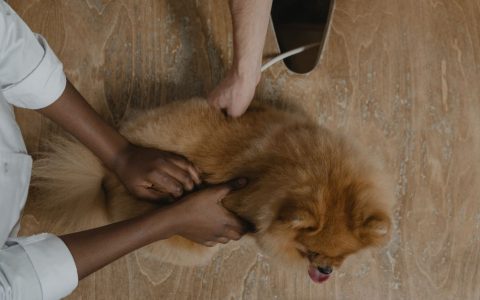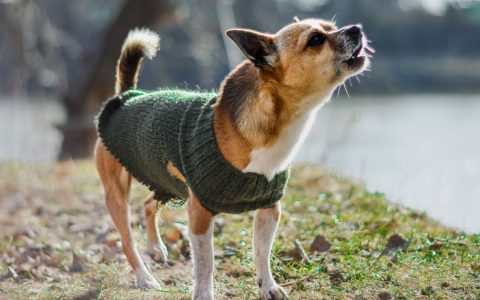
When you are traveling with a senior dog, the spontaneous road trips of their youth require a much more deliberate approach. Aging pets experience physical and cognitive shifts that make long hours in a vehicle genuinely challenging. Stiff joints, declining vision, diminished hearing, and fading cognitive resilience mean that a standard road trip can quickly trigger stress, physical pain, and exhaustion if you do not plan ahead.
Successfully hitting the highway with an older companion is entirely possible, but it requires shifting your focus from speed and distance to comfort, pacing, and proactive care. Whether you are moving across the country or heading out for a family vacation, understanding how to prepare your vehicle, protect fragile joints, manage anxiety, and read your dog’s subtle signals will turn a stressful ordeal into a smooth, manageable adventure.
Pre-Trip Veterinary Checkup: Assessing Fitness for Travel
Before you pack a single bag, schedule a visit with your veterinarian. This is not merely a formality; it is an essential baseline assessment. Your veterinarian can evaluate your dog’s current pain levels, particularly regarding osteoarthritis, and check cardiac and respiratory function to ensure they can handle the minor stressors of travel. Older dogs often mask joint pain remarkably well, running on adrenaline or routine until a sudden change in environment exposes their underlying physical limitations.
During this appointment, discuss your itinerary in detail. If your dog suffers from chronic conditions like kidney disease, diabetes, or cognitive dysfunction syndrome, your veterinarian can help you plan medication schedules across different time zones, write out backup prescriptions to fill on the road, and recommend specific supplements or short-acting sedatives if travel anxiety is an acute issue. Ask for a printed copy of your dog’s medical history, microchip registry details, and current vaccination records to keep safely in your glove compartment or travel binder.
You should also inquire about baseline bloodwork if your dog hasn’t had panels run recently. Knowing that organ function is stable provides immense peace of mind when you are hours away from your primary care clinic. If your senior dog has unique dietary restrictions or takes compounded medications, ensure you have at least twice the amount you will need for the exact duration of the trip to account for unexpected traffic delays, weather holds, or extended vacations.
Vehicle Safety and Restraints for Older Dogs
Loose dogs in moving vehicles are a major safety hazard for both passengers and pets. In the event of a sudden swerve or collision, an unrestrained dog becomes a high-velocity projectile. For senior dogs, proper restraints do more than prevent distracted driving; they protect fragile skeletons from sudden stops, sharp turns, and acceleration forces.
Lifting a heavy, stiff senior dog into a high SUV or truck bed can exacerbate joint pain for both you and your pet. Invest in a sturdy, non-slip pet ramp with a gentle slope. If your dog has never used a ramp before, spend a few days desensitizing them at home using treats and positive reinforcement before the trip begins. When your dog is inside the cabin, choose your restraint system carefully:
- Crash-Tested Harnesses: Look for harnesses that have undergone independent dynamic crash testing through established testing standards. These distribute impact forces across your dog’s broad chest rather than concentrating pressure on the fragile trachea or cervical spine.
- Pet Seat Belts: Connect the harness securely to the vehicle seatbelt anchor system. Ensure the tether is short enough to prevent your dog from tumbling off the seat during a sudden stop, but long enough for them to shift into a comfortable resting position or lie down.
- Crates and Barriers: If your dog is already crate-trained and feels secure inside a travel crate, a well-anchored, airline-grade plastic crate or heavy-duty wire kennel in the cargo area of an SUV can provide a safe den-like environment. Line the bottom with thick, supportive bedding.
Designing a Comfortable In-Cabin Setup
Vehicle interiors are notoriously slick, noisy, and subject to temperature fluctuations. Senior dogs lose muscle mass and subcutaneous fat, making them more sensitive to cold air-conditioning drafts or hot sun beating through glass windows. Setting up an ergonomic, temperature-controlled environment is crucial for maintaining their well-being across hundreds of miles.
Layer the seating or flooring area with non-slip rubber mats underneath thick orthopedic foam dog beds. Memory foam helps cushion arthritic hips and elbows against the constant low-frequency vibrations of the road. Bring along your dog’s favorite familiar-smelling blankets or an unwashed t-shirt of yours; the comforting scent reduces cabin anxiety and provides tactile familiarity in an otherwise alien space.
Monitor climate control closely. Heat builds up quickly in the back seat even when the front of the cabin feels comfortable to human passengers. Use static cling window shades to block direct sunlight, and ensure cabin vents direct a gentle, indirect airflow toward your dog’s resting spot. If your senior dog has cataracts or failing eyesight, bright patches of sunlight moving across the back seat can cause sudden disorientation and panic, making shaded windows doubly important.
Managing Dog Car Travel Anxiety and Cognitive Decline
Anxiety in older dogs often manifests differently than in younger animals. While a young dog might whine, bark, or pace, a senior dog—especially one showing early signs of canine cognitive dysfunction (dog dementia)—may become profoundly disoriented, vocal, or panicked in a moving vehicle. The hum of the engine, the changing visual stimuli outside the windows, and the lack of familiar landmarks can trigger intense sundowning-like behaviors even during daytime driving.
Reintroducing your dog to the car gradually can help desensitize them if they have developed a recent aversion. Start by simply sitting with them in the parked car with the engine off, offering high-value treats and praise. Progress to starting the engine without moving, then taking short drives around the block. If your dog panics or exhibits severe distress, do not force exposure; pushing through severe phobia can worsen their psychological association with the vehicle.
Discuss calming aids with your veterinarian well in advance. Natural options include synthetic pheromone sprays (like appeasing pheromone collars or vehicle sprays) and clinically studied calming supplements containing L-theanine, alpha-casozepine, or melatonin. For severe travel phobias, prescription anxiolytics such as gabapentin or trazodone can make the difference between a safe trip and a dangerous, high-stress emergency. Always test prescription medications at home a week before your trip to understand how your specific dog metabolizes them.
Planning Rest Stop Routines and Pacing
Senior dogs cannot hold their bladder as long as they once could, and their joints stiffen rapidly when held in a static position for hours. Do not attempt to power through long stretches of driving without stopping. Plan to pull over every two hours without exception, even if your dog appears to be sleeping peacefully.
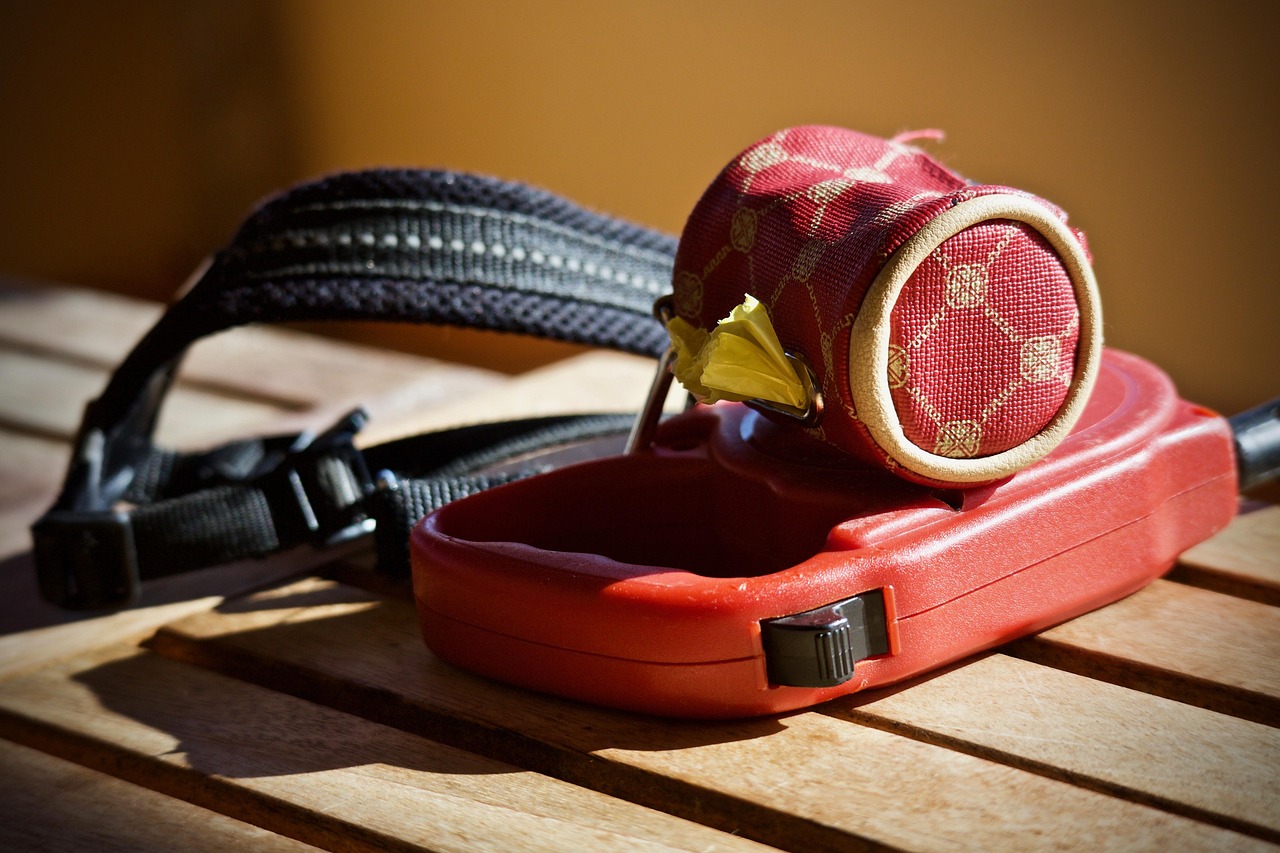
When you pull over at a rest area or park, keep your dog on a short leash immediately upon opening the car door. Senior dogs may misjudge distances, experience sudden confusion in unfamiliar environments, or try to bolt out of the car out of sheer nervous energy. Walk them slowly on grass to encourage elimination and let them stretch their legs gently before you use the restroom or grab a snack.
Bring a dedicated gallon jug of your home tap water and a collapsible bowl. Sudden changes in water sources can trigger upset stomachs in sensitive older digestive tracts, so maintaining familiar hydration is critical. Avoid feeding large meals immediately before or during active driving; instead, offer small, light snacks at rest stops and save their main feeding for when you have arrived at your destination for the evening and the vehicle has stopped moving completely.
Recognizing Signs of Motion Sickness and Pain
Motion sickness is not just an issue for puppies. Older dogs can develop vestibular sensitivities or nausea due to shifting balance, inner-ear changes, and declining neurological coordination. Watch closely for subtle, early signs of discomfort before vomiting occurs:
- Excessive drooling, lip-smacking, or swallowing repeatedly
- Yawning frequently while staring blankly into space
- Whining, shivering, or uncharacteristic restlessness
- Vomiting, dry heaving, or excessive panting not related to cabin temperature
If your dog displays these symptoms, ask your veterinarian about non-drowsy anti-nausea medications approved for canine use, such as maropitant citrate. Never administer human motion sickness drugs without explicit veterinary guidance on correct dosing, as active ingredients can interact dangerously with your dog’s regular medications.
Similarly, pay attention to physical pain cues after a driving stint. If your dog struggles to stand up when you arrive at your destination, takes longer than usual to settle, or exhibits stiffness in their gait, their travel setup may be too jarring. Increase rest frequency, upgrade their bedding, and consult your veterinarian about temporary pain management adjustments or anti-inflammatory courses specifically timed for travel days.

Nighttime Management and Sleep Disruptions on the Road
Changing locations frequently can deeply disrupt a senior dog’s internal clock and sleep patterns. Older dogs rely heavily on environmental predictability to feel secure. When thrown into a noisy hotel room or an unfamiliar guest bedroom, senior pets often experience heightened nighttime pacing, panting, or vocalization.
To mitigate this, recreate their home sleeping environment as closely as possible. Set up their familiar orthopedic bed in a quiet corner away from hallway doors or ice machines. Plug in a white noise machine or run a portable fan to mask unfamiliar building sounds that might startle a dog with declining hearing. Maintain their exact evening routine—including late-night bathroom breaks, calming massages, and pre-sleep treats—at the exact same hour you would observe at home.
Weather Extremes: Protecting Senior Dogs in Heat and Cold
Temperature regulation becomes significantly harder as dogs age. Their metabolic rate slows, and conditions like heart disease, kidney issues, or endocrine disorders make them highly vulnerable to both environmental heat and cold.
During summer road trips, never leave a senior dog unattended in a vehicle, even for a few minutes with the windows cracked. Cabin temperatures skyrocket within minutes, leading to rapid heatstroke. When walking your dog at rest stops during hot weather, test the asphalt with the back of your hand; if it is too hot for your skin, it will burn sensitive senior paw pads. Conversely, in winter weather, ensure your older dog wears a well-fitting fleece coat or sweater during rest stop walks, and wipe away any chemical ice melt or road salt from their paws immediately upon returning to the car.
Packing Checklist for Your Senior Dog’s Road Trip
Organization is your best defense against travel stress. Keep a dedicated travel bag packed exclusively with your senior dog’s daily essentials so you never have to rummage through suitcases at a rest stop:
- Medications and Supplements: Pack an extra week’s supply beyond your planned return date in case of travel delays, along with any daily joint supplements and prescriptions.
- Familiar Food: Bring pre-measured portions of their regular diet in airtight containers. Sudden food changes combined with travel stress are a recipe for gastrointestinal distress.
- First Aid Supplies: Gauze, styptic powder, digital thermometer, paw balms, tick removers, and any specific wound-care ointments your dog requires.
- Grooming and Clean-up Gear: Biodegradable waste bags, paper towels, pet-safe disinfectant wipes, and an old towel for muddy paws or unexpected accidents.
- Comfort Items: Their primary bed, favorite familiar chew toys, calming aids, and an extra leash.
Frequently Asked Questions About Senior Dog Travel
Should I sedate my senior dog for a long road trip?
Routine sedation is generally discouraged unless specifically recommended and prescribed by your veterinarian. Sedatives can lower blood pressure, impair balance, and cause paradoxical agitation in older dogs. Natural calming aids or mild, veterinarian-prescribed anxiolytics are much safer alternatives.
How do I handle bathroom accidents in the car?
Accidents happen, especially with aging bladders. Line your dog’s resting area with waterproof, washable incontinence pads underneath their bedding. Pack extra towels, enzymatic cleaning sprays, and wet wipes so you can clean up quickly and calmly without scolding your pet.
Are hotels or vacation rentals better for senior dogs?
Both can work well, but ground-floor hotel rooms or single-level vacation rentals are ideal to avoid navigating steep staircases with an unsteady or arthritic dog.
Arriving at Your Destination: Easing the Transition
Arriving at a hotel, vacation rental, or relative’s home can be disorienting for an aging dog whose senses are already diminished. When you walk through the door, keep your dog on leash and guide them on a slow tour of the immediate room where they will sleep, letting them sniff baseboards and furniture to map the new space.
Set up their familiar bed and water bowl in a quiet corner away from heavy foot traffic, loud televisions, or slamming doors. Maintain their regular feeding and medication schedule as closely as possible, aligning it with local time zones gradually if you crossed multiple lines of longitude.
Give your senior dog plenty of quiet downtime during the first 24 hours of arrival. The combination of vehicle motion and new sights, smells, and sounds requires significant cognitive and physical recovery time. By respecting their limits and keeping their routine predictable, you ensure that your older companion remains safe, comfortable, and ready to enjoy the journey alongside you.