Living with an indoor pet bird brings immense joy, but it also requires a commitment to routine husbandry tasks that keep your companion healthy. Among these responsibilities, managing nail lengths and monitoring beak condition rank near the top of the list for everyday pet care. When approached correctly, a thorough pet bird grooming care guide acts as a roadmap to maintaining your bird’s physical health while preserving the bond of trust you have built together. Many first-time bird owners feel intimidated by the prospect of holding a fragile animal to trim a tiny nail, but with the right preparation, proper restraint techniques, and a patient mindset, routine grooming can become a manageable, low-stress part of your shared routine.
Unlike mammals, birds display stress in subtle ways, and improper handling can quickly lead to panic, physical injury, or long-term behavioral averseness. This guide explores the foundational elements of avian hygiene, from environmental modifications that reduce the need for aggressive interventions to step-by-step handling protocols backed by veterinary principles. By focusing on preparation, observation, and positive reinforcement, you can take the mystery and anxiety out of keeping your bird well-groomed.
Daily life with an indoor bird involves constant interaction with various household items, toys, and cage furnishings. Over time, physical growth processes continue regardless of whether your bird is flying outdoors or living in a climate-controlled living room. Understanding these natural biological rhythms ensures that you can intervene thoughtfully before minor cosmetic issues transform into painful medical emergencies.
Understanding Avian Anatomy: Nails, Beaks, and Quick Management
Before attempting any physical maintenance, it helps to understand the underlying anatomy of a bird’s claws and beak. Bird nails contain a living blood vessel and nerve supply commonly referred to as the “quick.” In birds with light-colored nails, this quick is easily visible as a pink center running down the length of the claw. In dark-nailed species, finding the quick requires careful observation and good lighting, as it is completely obscured by melanin pigmentation.
Trimming too close to the quick causes immediate pain and bleeding. Having a reliable styptic powder or cornstarch on hand before starting any trimming session is non-negotiable. If you nick the quick, applying a small amount of styptic powder with firm, gentle pressure for a few seconds will quickly staunch the bleeding. Understanding this risk shifts your goal from achieving a drastically short nail to simply removing the sharp hook at the tip that catches on cage bars, toys, and clothing.
The beak, meanwhile, is a specialized keratinized structure that grows continuously throughout a bird’s life. In a healthy bird, normal chewing, preening, and foraging activities wear down the beak naturally. However, nutritional imbalances, liver issues, or congenital malocclusions can lead to abnormal beak growth or overgrowth. It is vital to recognize that the beak is richly supplied with nerve endings and blood vessels; aggressive filing or clipping at home without professional guidance can cause severe trauma. Home care should generally focus on monitoring, providing appropriate chew materials, and leaving structural beak trimming to an experienced avian veterinarian.
When examining avian anatomy closely, keepers must also consider the scale structure of the feet and the condition of the footpads. Healthy scales should lie flat without excessive lifting or crustiness, which can indicate mites or nutritional deficiencies. Keeping these areas clean and dry reduces the likelihood of secondary infections that complicate basic nail and foot care routines.
Designing an Environment for Natural Wear
The best way to minimize stressful grooming sessions is to encourage natural wear and tear through thoughtful cage design. If your bird’s environment actively supports nail and beak health, you will need to perform manual trims far less frequently. The cornerstone of this passive maintenance strategy is perching variety.
Traditional smooth wooden dowels or plastic perches force a bird’s foot into a static position, creating uneven pressure points and failing to wear down the nails. Instead, equip your bird’s enclosure with a mix of natural wood branches of varying diameters, such as apple, manzanita, or eucalyptus wood, provided they are pesticide-free and safely sanitized. Different diameters and textures require the foot muscles to continuously adjust, which naturally wears down the tips of the nails as the bird moves about.
Foraging toys and hard-wood blocks also play a dual role in avian husbandry. They provide essential mental enrichment while giving the beak safe outlets for chewing. Destructive chewing is a natural instinct for parrots and other hookbills; channeling this behavior toward safe wooden blocks, mineral blocks, or cardboard helps keep the beak conditioned. If you notice your bird completely ignoring chew toys, try introducing interactive foraging options that require them to chew through paper or soft wood to access a hidden treat.
Furthermore, positioning perches away from feeding stations encourages healthy movement patterns. By placing food bowls, water dishes, and favorite toys at strategic distances across the enclosure, you motivate your bird to climb, stretch, and navigate varied surfaces throughout the day, contributing directly to passive claw wear without human intervention.
Mastering the Safe Towel Wrap Technique
When manual intervention is required—such as clipping an overly long nail or examining a minor foot injury—proper restraint is essential for both human safety and bird welfare. Loose holding allows a frightened bird to thrash, twist, or bite, increasing the risk of accidental injury. The most widely accepted method for safely securing a small- to medium-sized bird is the controlled towel wrap.
Select a lightweight, tightly woven fabric towel without loose threads or loops that could catch a nail or toe. Lay the towel flat on a stable surface. Gently place your bird onto the towel, or guide them backward into it if they are already accustomed to stepping up. With calm, deliberate movements, wrap the fabric snugly around the bird’s body, pinning the wings gently against the sides to prevent flapping.
When executing this wrap, remember two critical safety rules: never apply pressure to the bird’s chest or keel bone, as birds lack a diaphragm and rely on chest expansion to breathe; and maintain a firm yet gentle hold around the neck region by sliding your thumb and forefinger on either side of the jawline to secure the head if needed, ensuring the respiratory tract remains completely unblocked. Practice this hold without doing any grooming first; allowing your bird to experience the wrap followed by an immediate treat can significantly reduce panic during future sessions.
Building confidence with the towel wrap takes time. Many owners find success by introducing the towel during normal out-of-cage play sessions, allowing the bird to explore the fabric while receiving praise and treats. This desensitization step transforms a foreign object into a familiar, neutral element in their environment.
Step-by-Step Bird Nail Trimming Safety
Once your bird is securely wrapped and resting comfortably in your lap or a helper’s hands, you can begin the nail-trimming process. Work in a brightly lit room or use a dedicated task light so you can clearly see the structure of each claw. If you are trimming dark nails where the quick is invisible, natural daylight or a specialized LED pet nail clipper with a built-in light can help illuminate the interior structure.
Take one foot out of the wrap at a time while keeping the rest of the body secure. Use a clean, sharp pair of human nail clippers or specialized small animal scissors. Avoid dull scissors that crush the keratin rather than cutting cleanly, as this causes unnecessary pressure and discomfort.
- Identify the sharp tip of the claw, staying well clear of the shaded or pink quick area.
- Hold the toe firmly but gently between your thumb and forefinger to prevent sudden jerks.
- Make a single, clean cut at a 45-degree angle, mirroring the natural downward curve of the claw.
- If using a file to smooth sharp edges, stroke away from the quick in a single direction rather than sawing back and forth.
- Immediately release the foot and offer praise or a high-value treat once the nail is done.
If you accidentally nick the quick and bleeding occurs, do not panic. Dip the bleeding nail directly into your prepared styptic powder, applying gentle pressure for five to ten seconds until the bleeding stops completely. Return the bird to its cage immediately afterward for a quiet resting period, even if you did not finish trimming all the nails. Safety and trust always outweigh the completion of the grooming task.
Maintaining a calm demeanor during this step is crucial. Birds pick up on human anxiety immediately; if you feel your heart rate rising or your hands shaking, pause, take a deep breath, or stop the session entirely until you feel fully composed.
Navigating Parakeet Beak Maintenance and Health Checks
Parakeets and other small hookbills often require specific attention regarding beak health. While major trimming should be left to a veterinarian, routine inspections can catch problems early. During your weekly cage cleaning or interaction time, visually inspect your parakeet’s beak for signs of flaking, discoloration, or abnormal lateral growth.
Normal beak keratin naturally flakes in microscopic layers as it grows out and replaces itself. However, excessive peeling, soft spots, or a beak that appears overgrown or misaligned warrants a professional evaluation. Overgrowth is frequently linked to underlying health conditions such as nutritional deficiencies, liver disease, or chronic infections like scaly face mites. Attempting to file down an overgrown beak at home without veterinary training risks cracking the beak structure or damaging the germinal layer where new growth originates.
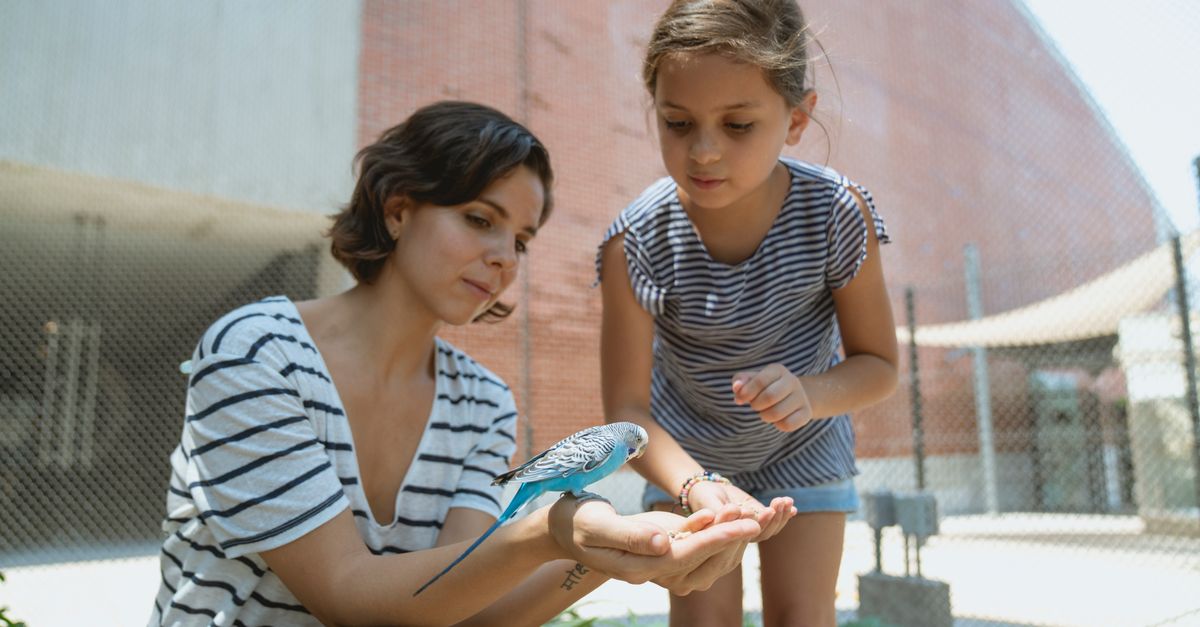
Instead of manual trimming, support healthy parakeet beak maintenance by offering a balanced diet rich in fresh vegetables, quality pellets, and appropriate seed mixes, supplemented by calcium sources such as cuttlebone or mineral blocks. If you notice your bird rubbing its beak excessively against perches or showing signs of respiratory distress alongside beak changes, schedule an appointment with a qualified avian vet promptly.
Environmental factors also influence beak health. Ensuring your bird has access to clean bathing water or a gentle misting spray helps keep the keratin hydrated and supple, reducing the likelihood of brittle edges or abnormal splitting during seasonal humidity changes.
Recognizing and Responding to Grooming Stress
Birds are prey animals, and being restrained or handled for grooming triggers deep-seated survival instincts. Recognizing the early signs of stress allows you to pause before your bird reaches a state of panic or shock. Watch closely for body language cues such as tightly sleeked-down feathers, an open beak with rapid breathing, heavy panting, frantic wing-shivering, or aggressive lunging.
If you observe these warning signs, stop the grooming session immediately, regardless of how many nails are left to trim. Wrap the bird loosely, speak in a soft, soothing tone, and return them to the safety of their cage. Give them space to settle down with access to fresh water and familiar toys.
To build long-term positive associations, pair every grooming attempt with a desensitization protocol. In the days leading up to a scheduled trim, simply practice touching the feet during normal out-of-cage time without actually cutting anything, rewarding the bird immediately with a favorite millet spray or seed treat. Over time, this positive reinforcement transforms a terrifying ordeal into a predictable routine that your bird can tolerate with minimal anxiety.
Understanding individual differences is also important. Some birds adapt to towel wrapping within a few short sessions, while others require weeks of incremental exposure before they permit close physical handling without defense displays. Respect your bird’s unique pace to foster lasting confidence.
When to Schedule Professional Avian Vet Care
While basic nail maintenance can be safely managed at home with practice, certain situations demand professional intervention. Knowing your limits protects your pet from harm and ensures underlying medical issues are properly diagnosed and treated.
You should contact an avian veterinarian in the following scenarios:
- The quick is severely damaged and bleeding cannot be stopped within a minute using styptic powder.
- You suspect beak overgrowth, malocclusion, or injury requiring specialized filing or avian dental tools.
- Your bird exhibits chronic feather plucking, lethargy, or loss of appetite following a grooming session.
- You own a large or powerful hookbill species, such as an African Grey or Cockatoo, whose strong beak and complex musculature require experienced professional restraint.
Establishing a relationship with an avian vet before an emergency arises gives you a reliable resource for guidance on safe hygiene practices, nutritional assessments, and routine wellness checks tailored to your specific bird species.
Professional clinics possess specialized equipment, anesthesia options if necessary, and trained veterinary technicians who can handle complex grooming tasks efficiently. Utilizing these professional services for advanced maintenance safeguards your bird’s health and preserves your personal bond.
Conclusion: Patience and Consistency in Avian Care
Establishing a sustainable grooming routine for an indoor pet bird is a gradual process that relies on patience, observation, and respect for your animal’s boundaries. By focusing on environmental enrichment to encourage natural wear, mastering safe towel wrap restraint, and paying careful attention to stress signals, you can maintain your pet’s hygiene without compromising trust. Approach each maintenance session as a team effort, prioritize safety over speed, and always consult an experienced avian veterinarian when faced with unfamiliar health concerns. With consistent, gentle care, you and your feathered companion can navigate grooming days with confidence and ease.
As you continue your journey as a responsible bird owner, remember that small, incremental steps yield the best long-term results. By observing your companion closely, adapting your methods to suit their personality, and maintaining an open line of communication with a qualified avian professional, you create a safe, nurturing environment where both you and your feathered friend can thrive together for years to come.