For many US homeowners, the weekly routine of mowing, watering, fighting weeds, and applying chemical fertilizers to a Kentucky bluegrass or fescue lawn feels like an endless chore and a drain on household finances. As municipal water rates climb and environmental awareness grows, more suburban property owners are looking at alternative ground covers. Among these, the clover lawn conversion cost and maintenance profile stands out as one of the most compelling options for reducing yard-care overhead.
Clover—typically Dutch white clover or newer microclover cultivars—offers a soft, green, nitrogen-fixing carpet that stays vibrant with a fraction of the inputs required by standard turfgrass. However, transitioning an existing yard is not an instant “set-it-and-forget-it” fix. Before you rent a sod cutter or buy pounds of seed, it helps to understand how clover actually performs against traditional grass across financial, labor, and aesthetic dimensions.
Understanding the True Cost of Clover Establishment
When evaluating a clover lawn conversion, your upfront expenses depend entirely on how you choose to establish the new ground cover. You generally have two paths: seeding over an existing thin lawn (overseeding) or completely killing off the old turf and starting from scratch.
Overseeding is the budget-friendly approach. Dutch white clover seed is inexpensive compared to specialized turfgrass blends, often costing a fraction per square foot. You simply mow your existing grass short, rake away thatch to expose bare soil, broadcast the seed, and keep it damp until germination. If you are converting a patchy or stressed lawn, overseeding lets you introduce clover gradually without major upfront landscaping bills.
Starting from scratch requires more labor and material investment. If your yard is overrun with aggressive, thick turfgrass or persistent broadleaf weeds, you may need to solarize the lawn, smother it, or use a non-selective herbicide to clear the canvas. Once the old grass dies, you rake, level, and sow the clover seed. While seed costs remain modest, your initial investment includes labor, rental equipment, or professional landscaping fees if you outsource the site prep.
Furthermore, timing plays a critical role in establishment costs. Planting clover seed during the wrong season can lead to poor germination rates, forcing you to purchase additional seed and repeat the process. In most parts of the United States, early spring (after the last hard frost) or early fall (when soil temperatures are warm and evening air is cool) provides the ideal window. Fall seeding is often preferred because weed pressure is lower, and autumn rains naturally assist with the frequent irrigation required during the first two to three weeks of germination.
Water Savings: How Clover Dries Up Irrigation Bills
One of the primary financial drivers for homeowners making this switch is municipal water conservation. Traditional lawns demand roughly an inch of water per week—either from rainfall or irrigation—to stay green through the peak of summer. In many arid or drought-prone regions of the United States, keeping a standard turfgrass lawn alive during July and August drives municipal water bills sky-high.
Clover possesses deep root systems and exceptional drought resilience. While turfgrass goes dormant and turns brown quickly during dry spells, white clover stays remarkably green with significantly less moisture. During moderate droughts, established clover may slow its growth, but it rebounds rapidly with the first substantial rain. For homeowners who pay steep tiered water rates or rely on metered municipal supplies, replacing grass with clover lawn areas can slash outdoor water consumption by half or more during the growing season.
To put this into perspective, outdoor residential irrigation accounts for a significant percentage of household water use during the summer months in many suburban municipalities. By transitioning to a drought-tolerant ground cover like clover, households can bypass expensive automated sprinkler run-times or manual hose dragging. Even in regions with mandatory water restrictions during dry summers, a healthy clover stand maintains its verdant appearance much longer than conventional turf, sparing homeowners from municipal fines and neighborhood scrutiny.
Fertilizer Elimination and Nitrogen Fixation
Fertilizer expenses represent another recurring line item in traditional lawn care. Standard grasses require regular applications of nitrogen, phosphorus, and potassium to maintain their color and density. Neglect fertilization, and grass yellows out and thaws into patchy weed patches.
Clover changes the chemical dynamic of your soil entirely. As a legume, clover hosts beneficial bacteria in its root nodules that pull nitrogen directly from the atmosphere and fix it into the soil. This natural process fertilizes the clover itself and shares excess nitrogen with surrounding plants. Once your clover lawn is established, you can completely eliminate synthetic nitrogen fertilizers. Not only does this save you money every spring and fall, but it also prevents nitrogen runoff from leaching into local storm drains and watershed ecosystems.
The ecological benefit of eliminating synthetic fertilizers extends well beyond your immediate property line. Fertilizer runoff is a leading contributor to nutrient pollution in local ponds, lakes, and coastal estuaries, often triggering harmful algal blooms. By adopting a self-fertilizing legume ground cover, homeowners actively reduce their environmental footprint while keeping their landscaping budget intact. Over a span of several years, the savings from skipped fertilizer purchases easily offset the initial cost of purchasing and spreading clover seed.
Mowing Maintenance Overhead: Less Time Behind the Handle
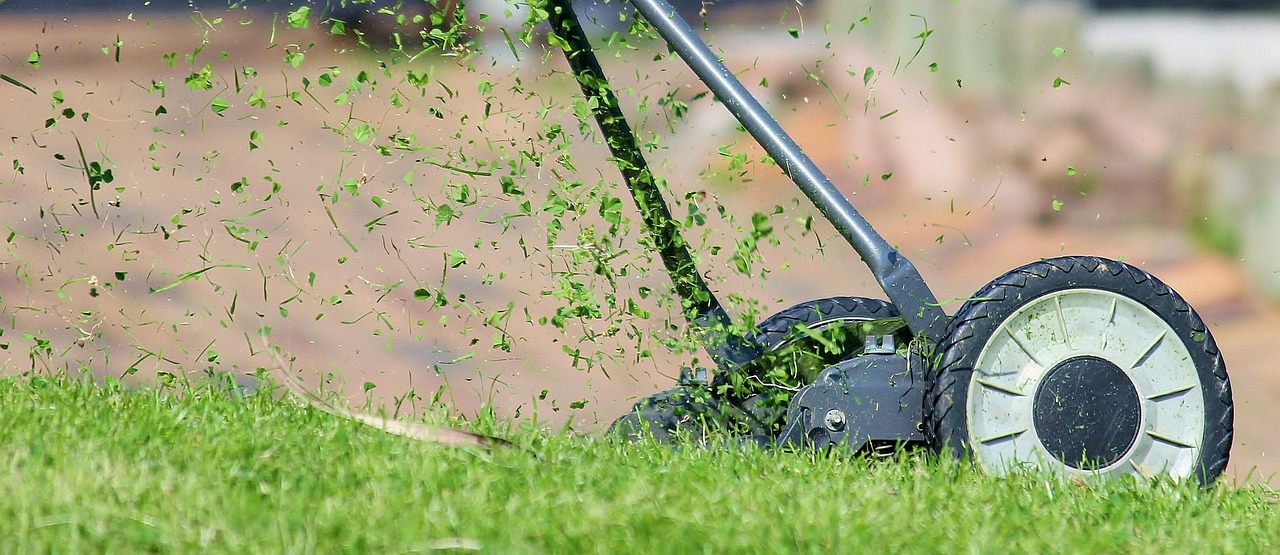
Mowing is arguably the most time-consuming weekly chore associated with suburban yard ownership. Traditional turfgrass grows vertically and aggressively throughout the spring, requiring weekly or even bi-weekly mowing to keep it neat.
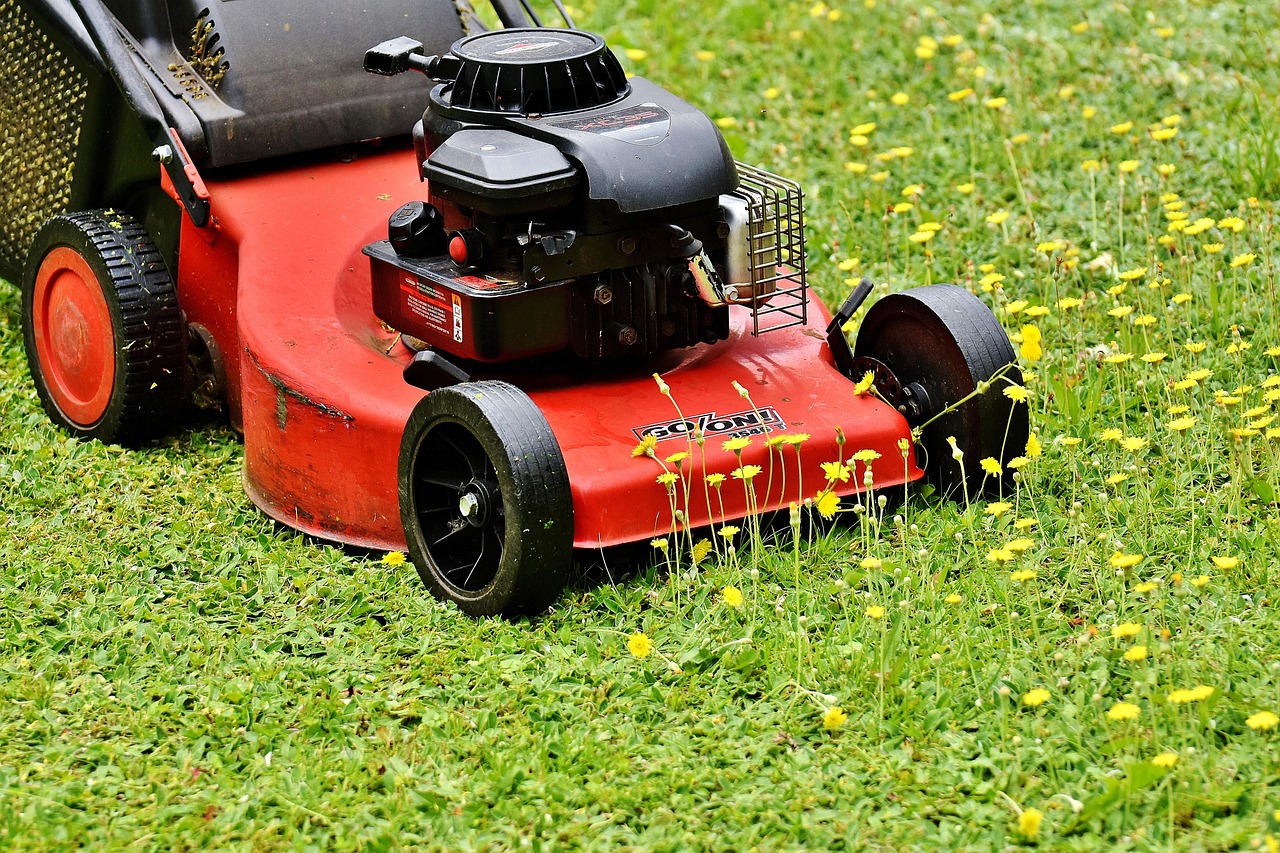
Dutch white clover grows to a natural height of about four to eight inches, while microclover stays even lower, typically maxing out around four inches. Because clover has a lower maximum growth height, it requires far less frequent mowing. Many homeowners find they only need to mow a clover lawn a few times a season—primarily to clip the white flower heads that attract honeybees or to tidy up the edges. If your goal is to reclaim your weekends from yard work, the reduction in mowing hours is a major quality-of-life benefit.
In addition to saving personal time, reducing mowing frequency cuts down on fuel and electricity consumption. Whether you rely on a traditional gasoline-powered push mower or a modern battery-operated unit, cutting your mowing sessions from weekly to monthly translates to tangible savings on gas, oil changes, battery degradation, and equipment maintenance. Over the lifespan of your lawn, these minor operational savings accumulate substantially.
Microclover Lawn Pros and Cons: A Closer Look
While standard Dutch white clover has been used in seed mixes for generations, newer microclover cultivars have gained popularity specifically for suburban lawns. Understanding microclover lawn pros and cons helps you choose the right seed for your aesthetic expectations.
On the positive side, microclover features much smaller leaves and a finer growth habit that blends seamlessly with traditional turfgrass if you choose to plant a mixed lawn rather than a pure clover stand. It produces fewer flower heads, meaning fewer bees visiting your yard if you have children or pets with bee allergies. Microclover also tolerates foot traffic better than traditional white clover, resisting wear and tear from kids and dogs playing in the yard.
However, clover is not without its drawbacks. Pure clover stands do not tolerate heavy, continuous foot traffic as well as durable sports turf like Kentucky bluegrass or Bermuda grass; high-traffic paths can wear down to bare mud over time. Clover is also susceptible to certain pests, such as clover mites or slugs, though these rarely kill a healthy stand. Additionally, clover is a broadleaf plant, meaning traditional broadleaf weed killers used to target dandelions will also kill your clover. Weed management requires hand-pulling or spot-treating rather than blanket herbicide applications.
Weed Competition and Mixed-Lawn Strategies
Many homeowners assume that planting a clover lawn means weeds will magically disappear. In reality, clover establishes a dense mat that crowds out many common lawn weeds, but it is not immune to invasion. Invasive grasses like crabgrass or nimblewill can still find purchase in a clover stand.
To balance aesthetics and durability, many US homeowners opt for a mixed lawn—blending microclover seed with drought-tolerant fescue or ryegrass. In this setup, the grass provides structural wear tolerance and uniform texture, while the clover supplies continuous natural nitrogen and reduces the need for watering and fertilizing. This hybrid approach bridges the gap for homeowners who want the low-maintenance benefits of clover without sacrificing the traditional look of a manicured lawn.
When establishing a mixed stand, seed ratios matter significantly. A blend consisting of roughly 5 to 10 percent clover seed by weight mixed with high-quality turfgrass seed allows the legumes to establish without overwhelming the grass seedlings. Over time, as the clover fixes nitrogen into the soil, the accompanying grasses receive a natural nutrient boost, creating a synergistic ecosystem that outperforms monocultures in both drought resilience and weed suppression.
Durability, Pet Considerations, and Wear Tolerance
If you have dogs or children, durability is a central concern when evaluating ground covers. Traditional grass takes a beating from active play, often resulting in bare dirt patches near swing sets or dog runs.
Clover holds up reasonably well to moderate activity, but pure stands can become slippery when wet, particularly in shaded areas with morning dew. Dog urine, which famously burns and yellows traditional grass, does not damage clover in the same way; clover handles pet nitrogen well without developing dead yellow spots. However, enthusiastic digging dogs can tear up clover roots just as easily as grass, so training and yard management remain necessary.
Furthermore, homeowners must consider the pollen and pollinator factor. Because white clover blooms produce abundant nectar, they naturally attract honeybees, bumblebees, and other beneficial pollinators. For households with family members who suffer from severe insect sting allergies, a pure clover lawn directly outside the back door may pose a management challenge. Opting for microclover, which produces significantly fewer blossoms, or maintaining a mowed perimeter around patios and play areas can mitigate this risk effectively.
Evaluating Your Yard’s Soil and Sunlight Conditions
Before committing to a conversion, assess your yard’s specific environmental conditions. Clover thrives in full sun to partial shade. If your yard is heavily shaded by mature oak or pine trees, clover will struggle to form a thick carpet, though it performs better in shade than many sun-loving turfgrasses.
Clover prefers well-drained soils with a moderate pH, but it is remarkably adaptable. It often thrives in poor, compacted soils where traditional grass struggles to survive—which is why clover was historically included in standard pasture and lawn seed mixes to naturally improve soil health over time.
Conducting a basic soil test prior to seeding helps identify any severe nutrient deficiencies or extreme pH imbalances. While clover tolerates poor soils well, amending excessively acidic soils with lime can dramatically improve germination success and long-term vigor. Taking these diagnostic steps upfront prevents costly replanting efforts down the road.
Step-by-Step Decision Framework for Homeowners
To determine if converting your yard makes financial and practical sense, walk through this straightforward decision framework:
1. Check your municipal water rates: If your summer water bills spike dramatically due to irrigation, the water-saving potential of clover will deliver a rapid return on your establishment investment.
2. Assess your tolerance for appearance: Are you comfortable with a softer, slightly wilder, flowering ground cover, or do you demand a pristine, uniform golf-course fairway look?
3. Evaluate local HOA rules: Check your homeowners association bylaws before planting. Some HOAs have strict turfgrass requirements and ban alternative ground covers.
4. Consider pet and family usage: If you have heavy foot traffic or children with severe bee allergies, a mixed microclover-and-grass lawn is a safer compromise than a pure clover monoculture.
By thoroughly reviewing these four pillars—financial savings, aesthetic preferences, regulatory compliance, and household usage patterns—homeowners can approach a lawn conversion with clear expectations and realistic budgeting. Transitioning away from conventional turfgrass requires patience during the initial germination and establishment phases, but the long-term payoff in reduced labor and utility expenses makes it a worthwhile consideration for modern suburban properties.
Conclusion: Is a Clover Conversion Right for You?
Converting a traditional turfgrass yard to a clover ground cover is one of the most effective ways for a US homeowner to lower seasonal water consumption, eliminate chemical fertilizer expenses, and drastically reduce mowing maintenance overhead. While establishment requires careful site prep and weed management, the long-term savings in time, money, and natural resources make clover a compelling, sustainable alternative for suburban lawns.