When analyzing household utility expenses, optimizing outdoor water delivery offers high financial returns. Evaluating a smart irrigation controller rain sensor energy savings US setup is essential for homeowners who want to curb waste without sacrificing curb appeal. Switching away from legacy electromechanical clock timers ensures your yard receives accurate moisture volumes without draining your wallet.
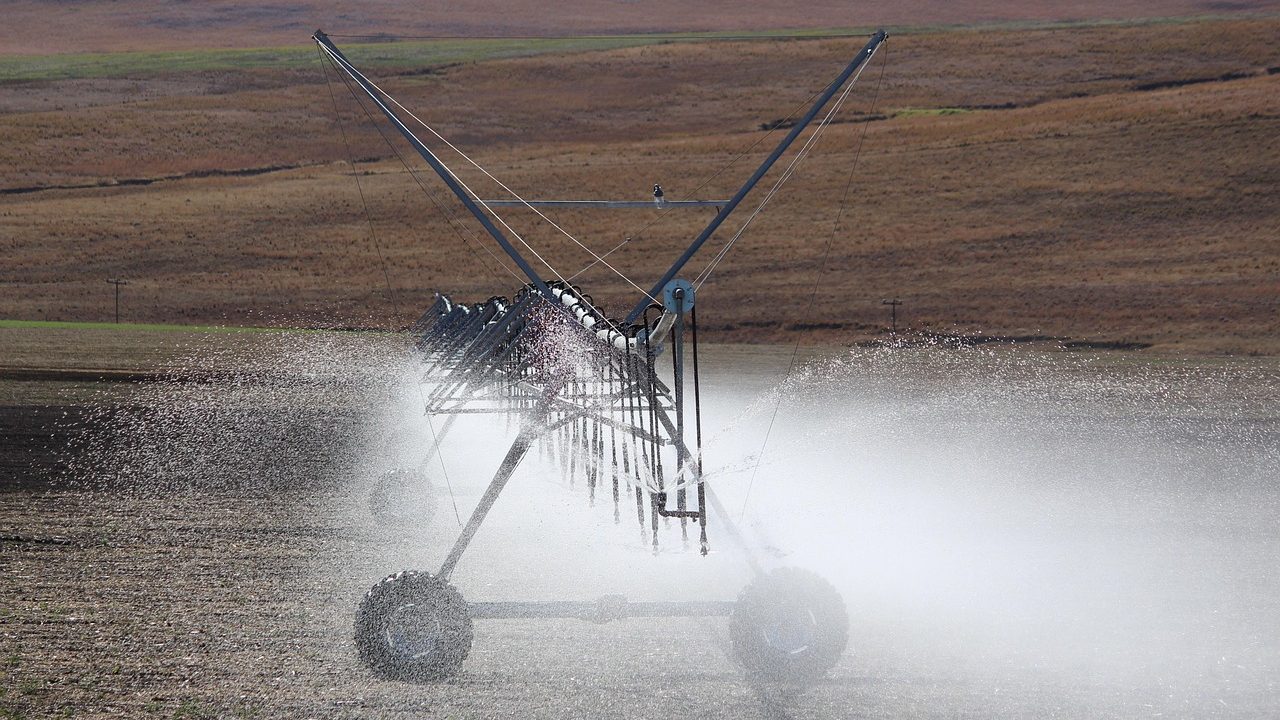
Landscape irrigation accounts for nearly eight billion gallons of water every day across the United States, yet the Environmental Protection Agency (EPA) estimates that up to half of that volume is lost to wind drift, evaporation, and overwatering caused by rigid timer schedules. For homeowners looking to trim monthly water and pumping energy costs, upgrading an automated sprinkler system generally presents two distinct paths: adding a simple rain sensor retrofit to an existing controller or replacing the legacy clock with a fully connected, weather-based smart irrigation controller. Both strategies prevent sprinklers from running during downpours, but they differ significantly in technical sophistication, total water reduction, ease of use, and overall financial return. Understanding how these technologies function, what they cost to install, and how quickly they pay for themselves is the key to choosing the right system for your property.
The Real Cost of Residential Landscape Watering
In many suburban communities across the Sun Belt, West Coast, and Midwest, outdoor water use can represent 50% to 70% of a home’s total monthly water consumption during peak summer months. Beyond the direct price of municipal water, running an irrigation system incurs hidden energy costs. Municipal utilities use substantial electrical power to pump, treat, and pressurize water before it reaches your meter. If your home relies on a private well pump, every gallon sprayed onto your lawn directly increases your monthly household electric bill.
Legacy irrigation timers operate on set intervals—for example, watering every zone for 20 minutes every Monday, Wednesday, and Friday at 5:00 AM. These traditional clocks do not care if it rained two inches overnight, if the soil is already saturated, or if humidity levels are at 95%. Over the course of a single watering season, an unadjusted timer can waste tens of thousands of gallons on healthy turf that does not require additional moisture.
Wasted water also damages overall landscape health. Overwatering leads to shallow root systems, soil compaction, nutrient leaching, and fungal disease outbreaks like dollar spot and brown patch. Trimming excess watering cycles preserves plant health while keeping monthly utility bills tightly controlled.
How Basic Rain Sensors Work vs. Weather-Based Smart Controllers
To choose between a standard rain shut-off device and an advanced smart controller, it helps to understand how each technology handles daily watering decisions.
Basic Rain Sensor Retrofits (Interrupters)
A conventional rain sensor is a simple hardware accessory installed on an eave, roof line, or fence post and wired into your existing irrigation box. Most modern rain sensors use stacked cork or hygroscopic disc elements inside a protective plastic housing. As rain falls, these discs absorb moisture and expand. Once they reach a specific thickness (corresponding to a pre-set threshold, such as 1/4 inch or 1/2 inch of rainfall), they depress a microswitch that breaks the electrical circuit connecting the controller to your valve solenoids.
When the switch trips, the main irrigation timer continues to count down its scheduled runtime, but no electricity reaches the zone valves, preventing water from flowing. As the sun comes out and humidity drops, the internal discs dry out at a rate roughly proportional to the surrounding atmosphere. Once dry, the discs contract, the switch closes, and the main controller resumes its scheduled programming during the next planned cycle.
While effective at stopping sprinklers during an active rainstorm, a basic rain sensor is strictly reactive. It cannot anticipate incoming weather, nor can it calculate how much moisture remains in the root zone days after a storm passes. It treats a scorching 95°F summer afternoon with dry winds the exact same way as a cool 65°F overcast morning unless you manually reprogram your timer box as seasons change.
Weather-Based Smart Irrigation Controllers (ET Controllers)
Smart controllers take a far more comprehensive approach by using evapotranspiration (ET) data to manage landscape watering dynamically. Evapotranspiration measures the total amount of water lost from the soil through surface evaporation combined with the water transpired by turf and plants. ET calculations factor in multiple atmospheric variables, including:
- Solar radiation and daylight hours
- Ambient air temperature
- Relative humidity
- Wind speed and atmospheric pressure
- Recent and forecasted precipitation levels
Smart ET controllers fall into two general hardware categories: signal-based units that pull real-time local weather data over Wi-Fi from regional weather stations, and ground-sensor units that measure soil moisture content directly at root level. Connected Wi-Fi controllers update their calculations daily, automatically increasing zone runtimes during hot, dry spells and reducing or cancelling watering altogether when humidity rises, temperatures drop, or rain is forecasted.
Evapotranspiration (ET) Explained: The Math Behind Smart Schedules
To understand why smart controllers yield superior performance in any evaluation of smart irrigation controller rain sensor energy savings US dynamics, you must examine how water leaves a landscape ecosystem. On a calm, overcast spring day with temperatures in the mid-70s, grass might only lose 0.08 inches of water through ET over 24 hours. On a windy, clear midsummer day with temperatures exceeding 90°F, that same lawn can lose over 0.25 inches of water in a single afternoon.
A traditional controller equipped with a simple rain sensor waters for the exact same duration on both days, provided it did not rain enough to trip the physical shut-off switch. This results in severe overwatering during mild weather and potential underwatering during heatwaves. Smart controllers adjust watering duration or shift watering frequency based on daily ET formulas. If cumulative ET over three days equals 0.40 inches and recent rainfall contributed 0.15 inches, the smart system calculates a net deficit of 0.25 inches and runs the sprinklers just long enough to replenish that precise amount.
Furthermore, advanced smart controllers allow users to input specific hydraulic and botanical parameters for each individual zone across their property:
- Plant type: Cool-season grass (Fescue, Kentucky Bluegrass), warm-season grass (Bermuda, St. Augustine, Zoysia), shrubs, annual flower beds, or native drought-tolerant perennials.
- Soil texture: Sand, loam, silt, or heavy clay, which dictates how fast water infiltrates versus runs off off the surface.
- Slope and grade: Flat ground versus steep slopes requiring multi-step cycle-and-soak schedules to eliminate surface runoff and soil erosion.
- Sun exposure: Full sun, partial shade, filtered light, or heavy canopy shade.
- Nozzle output type: High-volume spray heads, rotary stream nozzles, micro-sprays, or low-flow inline drip emitters.
By pairing hyper-local weather updates with custom zone characteristics, a smart controller delivers precise volumetric efficiency that no standalone rain sensor can match.
Comparing Upfront Costs: Smart Controllers vs. Rain Sensor Retrofits
When deciding between these two outdoor upgrades, initial hardware and installation expenses play a primary role. A simple retrofit is almost always cheaper up front, while a smart controller represents a larger initial investment with higher overall long-term financial capabilities.
| Feature / Metric | Basic Rain Sensor Retrofit | Smart Irrigation Controller (ET) |
|---|---|---|
| Average Hardware Cost | $30 – $80 | $130 – $300 (8–16 zones) |
| Installation Complexity | Low (DIY friendly in 20–30 mins) | Moderate (DIY in 45–90 mins) |
| Connectivity Required | None (wired or local RF) | Wi-Fi (2.4 GHz home network) |
| Average Annual Water Reduction | 5% – 15% | 20% – 40% |
| Weather Intelligence | Reactive ( rain shut-off only ) | Proactive (daily ET & forecast adjustments) |
| App / Mobile Control | No | Yes (iOS and Android app access) |
| Rebate Eligibility | Rare / Minimal ($10–$25) | High (Up to 100% in select districts) |
A standard wired rain sensor costs as little as $30 to $45, while wireless versions featuring adjustable rain sensitivity settings run between $50 and $80. If your existing irrigation controller was built within the last 15 to 20 years, it likely features dedicated terminal screws labeled “Sens” or “S2,” allowing you to wire in a sensor in under 30 minutes without replacing the main control panel.
In contrast, mainstream residential smart controllers range from $130 for entry-level 4-zone or 8-zone indoor models up to $300 or more for 16-zone commercial-grade residential units equipped with weatherproof outdoor enclosures. While the hardware costs 3 to 4 times more than a simple sensor, utility rebate programs frequently bridge this cost gap entirely.
Water and Energy Savings Breakdown: What the Math Shows
To evaluate the true economic return of each system, consider a typical US suburban household managing a 5,000-square-foot lawn with a 6-zone sprinkler system across a 26-week watering season (May through October).
Assuming a standard landscape application rate of 1 inch of water per week on 5,000 square feet, the baseline requirement is roughly 3,120 gallons per week, or approximately 81,120 gallons per season under a fixed clock schedule. At a national average combined municipal water and sewer rate of $10.00 per 1,000 gallons, baseline seasonal outdoor water expenses total approximately $811.00.
Scenario 1: Standard System + Rain Sensor Retrofit
A rain sensor stops irrigation during heavy storms and for a day or two afterward while its internal moisture discs dry out. Field studies conducted by university agricultural extension offices show that rain sensors yield an average seasonal water savings of 10% to 15%, depending on regional rainfall frequency.
- Water Saved: ~10,140 gallons per season
- Annual Utility Bill Reduction: $101.40
- Net System Upgrade Cost: $50.00 (sensor hardware only)
- Simple Payback Period: Under 6 months
Scenario 2: Smart Irrigation Controller Replacement
A weather-based smart controller adjusts runtimes daily based on temperature shifts, seasonal solar intensity, relative humidity, and forecasted rain events. Field studies evaluated under the EPA WaterSense program demonstrate that smart ET controllers achieve real-world water reductions between 25% and 40% without compromising turf quality or plant health.
- Water Saved: ~24,330 gallons per season
- Annual Utility Bill Reduction: $243.30
- Net Hardware Cost: $200.00
- Simple Payback Period: ~10 months (without local rebate)

When factoring in electric pumping costs for homes on private wells, the economic return remains equally compelling. A standard 1.5-horsepower shallow well pump pulls around 1.5 to 2.0 kilowatts per hour of operation. While municipal water bill savings dominate urban economic calculations, well-water homeowners experience measurable electricity bill reductions alongside groundwater conservation when stepping up to a smart controller.
Wi-Fi Sprinkler Timer Payback and Financial Return Timelines
Calculating your specific wifi sprinkler timer payback timeline requires accounting for three primary factors: local water utility rate structures, regional climate variability, and active municipal rebate incentives.
In regions featuring tiered municipal water rates—where the price per 1,000 gallons doubles or triples once monthly consumption thresholds are crossed—the financial payback of a smart controller accelerates dramatically. Reducing outdoor water usage prevents your household from bumping into high-cost tier brackets, multiplying your monthly financial savings.
In humid areas with frequent, unpredictable summer thunderstorms (such as the Southeast), basic rain sensors perform relatively well because rain events occur regularly. In arid or semi-arid climates (such as the Southwest or Intermountain West), rain events are sparse, but temperature and humidity fluctuate widely enough that daily ET adjustments deliver far superior savings compared to a simple rain shut-off switch.
Installation and Retrofitting: DIY vs. Professional Setup Costs
Both hardware options present straightforward upgrade paths for handy homeowners, though installation steps and required tools differ slightly.
Installing a Rain Sensor Retrofit
Retrofitting a sensor to an existing controller requires minimal tool usage:
- Mount the sensor housing on an open exterior structure clear of overhanging trees, roof eaves, or rain gutters.
- Run the two-conductor sensor wire back to the existing controller panel.
- Locate the sensor terminals on the controller board, remove the factory jumper wire connecting them, and insert the two sensor leads.
- Set the rainfall threshold dial on the sensor housing (typically 1/4 inch to 1/2 inch) and test the switch by manually depressing the test spindle.
If you hire an irrigation technician to perform this retrofit during a seasonal spring tune-up, expect labor charges between $75 and $150 in addition to the hardware price.
Installing a Smart Irrigation Controller
Replacing an existing wall-mounted timer box with a new Wi-Fi smart controller takes about 45 to 90 minutes for a standard DIY project:
- Take a clear photo of the existing wire connections on your old controller terminal strip to identify the common wire (typically white) and individual zone wires.
- Unplug the power supply transformer and remove the old mounting box from the wall.
- Mount the new smart controller housing, pass the wire bundle through the rubber grommet, and attach each zone wire to its corresponding terminal.
- Plug in the new power adapter, download the manufacturer’s smartphone app, connect the unit to your home 2.4 GHz Wi-Fi network, and run a manual test cycle for each zone.
If professional installation is preferred, a licensed irrigation contractor typically charges between $150 and $300 for labor, programming, zone setup, and system testing. Evaluating overall smart watering system installation cost factors helps determine whether taking the DIY route fits your home budget and comfort level.
Municipal Rebates, Water Regulations, and Utility Incentives
Because outdoor water conservation preserves regional reservoir levels and decreases peak demand on municipal treatment infrastructure, hundreds of water utilities across North America offer substantial rebates for smart irrigation equipment.
To qualify for most municipal rebates, the smart controller must be certified under the EPA WaterSense program. EPA WaterSense labeled controllers undergo rigorous independent testing to ensure they meet strict efficiency standards, including the ability to adjust schedules automatically based on weather changes without causing plant stress or excessive surface runoff.
Rebate amounts typically range from $50 up to 100% of the retail hardware purchase price. Some water districts in drought-prone states provide direct instant credits on utility accounts when customers register an approved smart controller. Before purchasing hardware, check your local water provider’s website; taking advantage of a $100 rebate can instantly cut your payback period on a smart controller in half, making it cheaper out-of-pocket than buying a premium rain sensor alone.
Additionally, many municipalities enforce mandatory watering restrictions that limit sprinkler operation to specific days of the week or hours of the day. Modern smart controllers feature dedicated software settings that allow users to enter local watering restriction rules. The controller will optimize ET-based schedules within your legally permitted watering windows, preventing costly code violation fines.
Common Pitfalls That Ruin Irrigation Savings
Neither a smart controller nor a rain sensor can fix underlying hardware defects in your irrigation system. To maximize water savings and achieve expected payback periods, avoid these common implementation mistakes:
1. Poor Sensor Placement
Mounting a rain sensor underneath an overhanging roof eave, beneath a dense tree canopy, or near an air conditioning condenser unit prevents rainfall from reaching the sensor discs. Conversely, placing a sensor where it receives direct spray from a sprinkler head will cause your system to stay shut off when your yard actually needs water.
2. Incorrect Zone Parameter Inputs
When setting up a smart controller app, entering incorrect soil or spray head types will throw off the ET math. For example, if you set a zone as “Spray Heads” when it actually uses low-volume “Rotary Stream Nozzles,” the controller will severely under-water because rotary heads require two to three times as much run time to apply the same depth of water.
3. Ignoring Hydraulic Leaks and Broken Heads
No smart scheduling algorithm can compensate for a broken spray head leaking 15 gallons per minute at the base, or a stuck solenoid valve that fails to close completely. Conduct a physical zone-by-zone visual audit every spring to replace cracked nozzle bodies, clean clogged filters, and adjust misaligned risers.
4. Wi-Fi Connectivity Gaps
Smart controllers mounted inside metal garage enclosures or on exterior basement walls far from your home router can suffer from intermittent Wi-Fi drops. If a controller loses network connection for several days, it usually reverts to a basic static schedule, losing its predictive weather intelligence until the connection is restored. Check Wi-Fi signal strength at the mounting location with your smartphone before drilling mounting holes.
Final Decision Matrix: Which Upgrade Fits Your Yard and Budget?
Choosing between a smart irrigation controller and a basic rain sensor retrofit ultimately comes down to your current system, landscape complexity, local utility rates, and budget.
A Rain Sensor Retrofit is the Best Choice If:
- Your current legacy controller works reliably and you want an inexpensive ($30–$80) fix solely to stop sprinklers during active rainfall.
- You live in a region with very low water rates and no municipal smart controller rebates available.
- You prefer a simple mechanical setup that does not require Wi-Fi, smartphone apps, or network maintenance.
- You have a small, uniform lawn with just 1 to 3 zones and simple watering requirements.
A Smart Irrigation Controller is the Best Choice If:
- You want maximum landscape water conservation and total control over your monthly utility costs.
- Your yard features diverse zones with varying plant types, soil profiles, slopes, and microclimates (sun vs. shade).
- You live in an area with high water rates, tiered utility pricing, or strict day-of-week watering restrictions.
- Your local water utility offers EPA WaterSense rebates that offset the initial hardware cost.
- You want the convenience of remote smartphone monitoring, system diagnostics, and push notifications when schedules change.
While a simple rain sensor retrofit remains a functional, low-cost safety net against watering during downpours, stepping up to a weather-based smart irrigation controller offers significantly higher long-term financial returns. By continually adapting to local weather conditions and soil moisture loss, smart controllers eliminate unnecessary outdoor water waste, safeguard plant health, and lower household utility bills season after season.