In many older single-story homes, the living space tells a frustrating story of thermal inconsistency. The master bedroom feels stuffy, the living room stays stubbornly warm despite a running air conditioner, and your monthly energy bills climb to staggering heights during peak summer. When looking at your options, understanding the nuances of attic duct insulation wrap vs blanket systems is essential to reclaim lost energy and balance your home’s room-by-room comfort.
Attic temperatures can easily soar past 130 degrees Fahrenheit on a scorching July afternoon. When your forced-air system pumps 55-degree chilled air through thin metal ducts exposed to that intense heat, thermal transfer happens rapidly. The result is a severe loss of cooling capacity before the air ever reaches your registers. Evaluating solutions like these is one of the most effective ways to lower your utility bills.
Understanding how different insulation materials perform, how they address thermal bridging, and whether flexible wraps or thicker fiberglass blankets suit your attic layout requires a close look at building physics and HVAC best practices. This guide provides a practical framework for analyzing your duct insulation options.
The Physics of Attic Duct Heat Gain and Air Loss
To understand why duct insulation matters so much in a single-story home, you have to look at the anatomy of a residential HVAC system. In a two-story house, much of the ductwork runs through interior floor cavities, which are partially conditioned spaces. In a single-story home, nearly all supply and return ducts typically run through the open attic floor, exposed directly to extreme thermal swings.
Uninsulated or poorly insulated metal sheet metal acts as a thermal highway. Heat from the attic radiates directly into the metal, warming the air inside the duct before it can cool your living spaces. Furthermore, older duct systems frequently suffer from joint separation, unsealed seams, and deteriorating mastic. This creates a double-whammy: thermal conduction through the duct walls and actual conditioned air leaking directly into the attic.
When radiant heat beats down on an unshielded sheet metal trunk line, the metal absorbs that thermal energy and transfers it via conduction directly to the moving air stream inside. Because air is a fluid substance moving rapidly through the system, turbulence inside the duct accelerates this heat exchange. Over a span of twenty or thirty feet of uninsulated ductwork, your air conditioner might pump out 52-degree air at the air handler, only for it to arrive at a distant bedroom register at 68 degrees. That twelve-degree delta represents a massive waste of cooling energy and capacity.

Conduction Versus Air Leakage
Many homeowners confuse duct insulation with duct sealing, but they are two distinct steps in a proper energy retrofit. Insulation slows down heat transfer through the material of the duct, while sealing stops air from escaping through cracks and gaps.
If you wrap a leaky duct in thick fiberglass without sealing the seams first, you are essentially putting a warm winter coat over a leaky shirt. The air will still escape into the attic. Therefore, any effective evaluation of duct insulation must incorporate comprehensive air sealing with foil tape and mastic paste before any blanket or wrap material goes on. When air escapes into a hot attic, negative pressure can pull unconditioned attic air back into the living space through recessed lights, plumbing penetrations, and ceiling cracks, further aggravating your indoor comfort issues and driving up humidity levels.
Climate Zone Considerations and R-Value Recommendations
Not all attics and climates demand the same level of thermal protection. When selecting insulation materials, building codes and energy efficiency guidelines specify target R-values based on local climate conditions and whether ducts are located in unconditioned spaces.
In hot, humid southern climates where air conditioners run heavily for six to eight months out of the year, higher R-values are essential to prevent excessive heat gain. The International Energy Conservation Code (IECC) typically mandates a minimum of R-8 for supply and return ducts located in unconditioned attics across most warm zones, while slightly lower values like R-6 may be permitted in more temperate regions.
Evaluating your current duct insulation thickness against these regional standards is the first step in diagnosing efficiency losses. If your existing ducts feature thin, deteriorated paper-backed insulation that measures less than an inch thick, your effective R-value may be struggling to clear R-2 or R-3. Upgrading to a modern, foil-faced R-6 or R-8 blanket system will dramatically throttle down the rate of heat transfer, keeping the chilled air cold from the moment it leaves the evaporator coil until it exits your room registers.
Flexible Duct Wraps: Characteristics and Applications
Flexible duct wraps typically consist of a blanket of fiberglass insulation backed by a vapor retarder facing, usually made of reinforced foil or Kraft paper. These products are designed to be wrapped around rectangular or round metal ducts and secured with staples, tape, or bands.
When evaluating these materials, contractors look closely at the hvac duct insulation r value. Standard flexible blankets commonly range from R-4.2 up to R-8 depending on thickness, with R-6 and R-8 being the most common specifications for residential attic retrofits in climate zones that experience heavy cooling loads.
Advantages of Flexible Wraps
Flexible duct wraps excel in tight, awkward attic spaces common in older ranch-style homes. Because they can be easily cut and bent around corners, hangers, and junction boxes, they offer versatile coverage where rigid boards cannot fit.
They are also generally cost-effective and readily available at home improvement centers. For a DIY homeowner willing to work in a hot attic, installing a flexible blanket wrap is manageable if safety gear—including respirators, long sleeves, and eye protection—is used consistently. The lightweight nature of fiberglass rolls makes them easy to hoist through attic access hatches without requiring specialized rigging or heavy equipment.
Limitations and Common Installation Mistakes
The primary drawback of flexible wraps is the risk of compression. Fiberglass gets its insulating value from trapped air pockets within the glass fibers. If a homeowner or installer pulls the wrap too tightly around the duct, the insulation compresses, drastically lowering its effective R-value.
Another common mistake is failing to maintain a continuous vapor barrier. If the foil facing is torn or left unsealed at the seams, ambient attic humidity can migrate into the fiberglass, leading to condensation, mold growth, and degraded performance over time. Installers must take care to overlap the vapor retarder tabs by at least two inches and seal all transverse joints with approved UL 181-listed pressure-sensitive foil tape or mastic.
Furthermore, hanging straps used to support the metal ducts can compress the insulation if they are wrapped tightly around the outside of the insulation blanket. Proper installation requires saddle hangers or suspension systems that support the duct weight independently before the wrap is applied, ensuring the insulation retains its full loft and thickness.
Rigid Blanket Jackets and Duct Board Alternatives
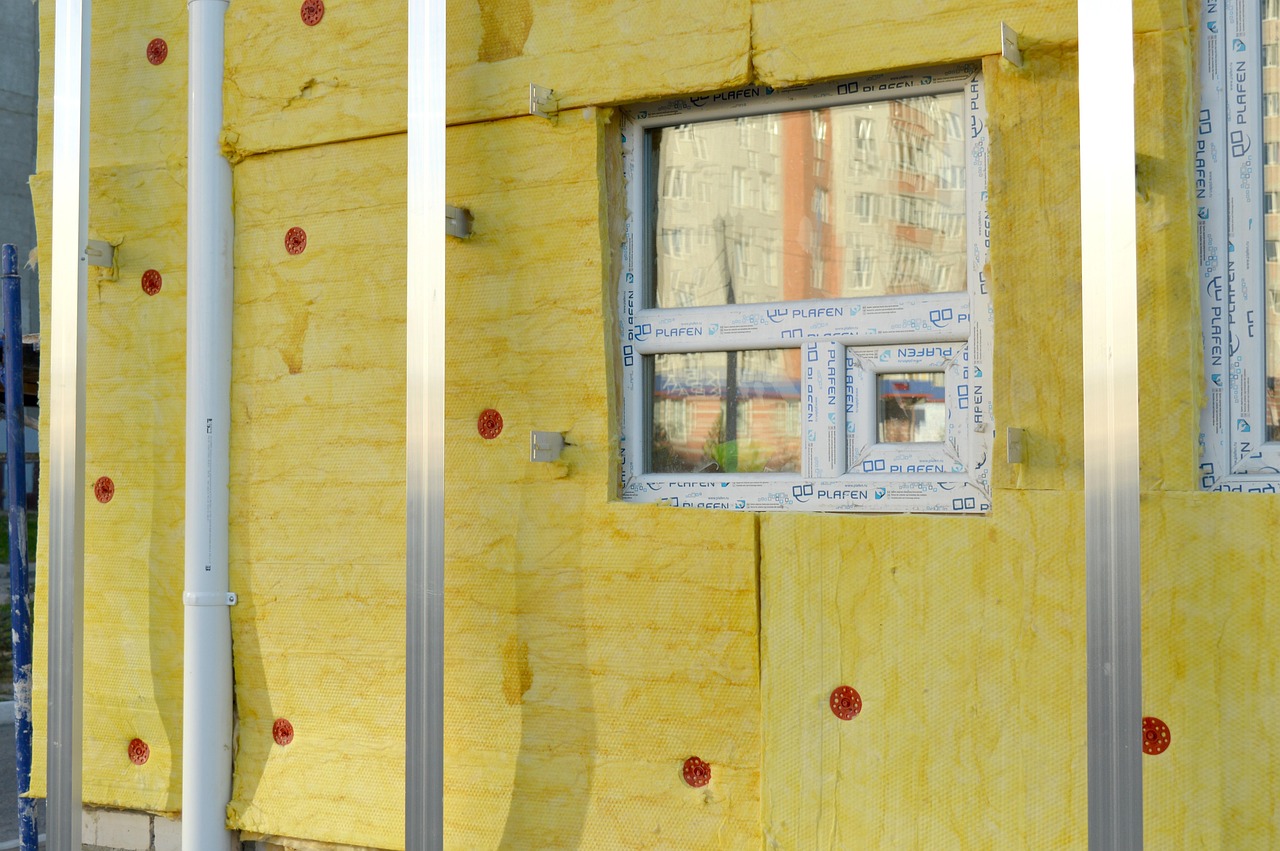
While flexible wraps are common on existing residential ductwork, rigid fiberglass duct boards and heavy rigid blanket jackets represent an alternative approach. These materials are pre-formed or semi-rigid boards that provide a fixed thickness and structural integrity.
Rigid board systems are more frequently used during new construction or complete system replacements rather than retrofits, but rigid blanket jackets can sometimes be applied to large trunk lines in spacious attics.
Structural Integrity and Consistent R-Value
Because rigid boards cannot be easily compressed by hand or by strapping, they maintain their designated hvac duct insulation r-value reliably across the entire surface of the duct. They also provide a smoother outer surface, which can make it easier to apply professional-grade foil tape and ensure airtight seams.
However, working with rigid materials in an existing, cramped attic is exceptionally difficult. Maneuvering large, stiff boards around existing roof trusses, plumbing vent stacks, and electrical wiring makes retrofitting rigid jackets impractical for most single-story attic configurations. Additionally, the material costs and specialized cutting tools required make rigid boards less economically feasible for standard homeowner retrofits compared to flexible blanket rolls.
The Role of Vapor Retarders and Condensation Control
In addition to stopping heat gain during the summer, attic duct insulation must manage moisture dynamics. When cooled air flows through metal ducts passing through a hot, humid attic, the exterior surface of the duct can drop below the dew point of the surrounding attic air. Without an effective vapor retarder facing on the outside of the insulation, moisture in the attic air will condense directly against the cold metal or inner insulation layers.
This moisture accumulation can rapidly ruin the thermal performance of fiberglass insulation, breed mildew and mold, and accelerate corrosion of sheet metal ducts. Therefore, maintaining an intact, continuous vapor barrier on the exterior of your duct wrap is just as critical as achieving the target R-value. When installing flexible wraps or blankets, any punctures or tears made during installation must be immediately patched with matching foil tape to prevent vapor transmission paths.
Comparing Flexible Wraps and Blankets: Key Performance Metrics
When deciding between a standard flexible wrap and a heavier blanket-style insulation approach, weigh several practical performance factors:
- Thermal Resistance: Both options can achieve target R-values like R-6 or R-8, provided the flexible wrap is installed without excessive compression.
- Labor and Accessibility: Flexible wraps win decisively in tight, older attics where maneuverability is limited and physical space is constrained by low roof pitches.
- Durability: Rigid systems and heavy-duty encapsulated blanket jackets resist physical damage better, whereas standard thin foil-faced wraps can be easily punctured by stored items or stray tools in the attic.
- Air Sealing Integration: Both systems require independent sealing of metal joints prior to installation; neither acts as a substitute for mastic paste or approved metal tape.
- Cost-Effectiveness: Flexible fiberglass rolls offer a significantly lower material and labor cost profile for retrofit applications in existing single-story homes.
Evaluating Attic Duct Sealing Savings
Before investing in insulating materials, it is worth analyzing the financial and comfort returns. According to general energy efficiency guidelines from building science organizations, duct sealing and insulation combined can reduce a home’s total energy loss significantly, often slashing HVAC runtime during peak summer months.
In an older single-story home where ducts run through an unconditioned attic, sealing leaky joints and adding proper insulation prevents the air conditioner from cycling continuously. This not only lowers electricity costs but also reduces wear and tear on the compressor, potentially extending the lifespan of your HVAC equipment.
However, savings depend heavily on current conditions. If your ducts are currently bare metal with disconnected joints, the jump in comfort will be immediate and dramatic. If your ducts already have deteriorating, thin insulation, upgrading to a full R-8 wrap will yield more modest, incremental improvements.
Beyond utility bill savings, the qualitative comfort improvements are often what motivate homeowners to complete the project. Eliminating hot spots in bedrooms, balancing airflow across distant registers, and reducing indoor humidity levels create a noticeably more livable indoor environment throughout the entire summer season.
Step-by-Step Evaluation Framework for Homeowners
If you are trying to determine whether your attic ductwork needs an insulation overhaul, follow this straightforward evaluation process:
- Perform a Visual Inspection: Safely enter your attic with a flashlight and proper protective gear. Look at the condition of your existing duct insulation. Is it sagging, torn, missing, or paper-thin?
- Check the Joints: Feel around duct connections and takeoff boxes while the AC is running. Can you feel escaping air? Are joints secured only with duct cloth tape (which fails over time) rather than mastic or foil tape?
- Measure the Insulation Thickness: Determine the thickness of your current wrap. Measure it against standard charts to estimate your current R-value.
- Assess Room Disparities: Note which rooms are hottest. If rooms farthest from the air handler suffer the most, duct heat gain is a prime suspect.
- Consult a Professional: Consider hiring a certified energy auditor to perform a duct blaster test, which measures total air leakage and pinpoints exact losses across the entire system.
DIY vs. Professional Installation: What Homeowners Need to Know
Deciding whether to tackle attic duct insulation as a DIY project or hire a licensed HVAC contractor depends on several practical factors, including physical stamina, attic access, and comfort working in extreme environments.
Attics in single-story homes are notoriously hostile workspaces during the spring and summer months. Temperatures can easily reach unsafe levels by mid-morning, limiting the amount of time you can spend working safely without risking heat exhaustion. Furthermore, navigating across ceiling joists without putting a foot through the drywall below requires careful balance and attentiveness.
If you choose the DIY route, prioritize personal safety above all else. Wear an N95 respirator, safety glasses, long sleeves, and gloves to protect against airborne fiberglass fibers and insulation itch. Ensure you have adequate lighting, such as a headlamp and portable work lights, since older attics are rarely well-lit.
On the other hand, hiring a professional insulation or HVAC contractor guarantees that the job meets local building codes, incorporates thorough pressure-tested air sealing, and utilizes commercial-grade materials that resist sagging and degradation over time. Professionals also carry liability insurance and can identify hidden systemic issues, such as unbalanced static pressure or undersized return air paths, that a visual DIY inspection might miss.
Troubleshooting Common Post-Installation Performance Issues
Even after installing new insulation wrap or blanket systems, homeowners occasionally notice that certain rooms still fail to cool properly. Troubleshooting these residual issues requires a methodical approach:
- Check for Airflow Restrictions: Ensure that flexible ducts were not kinked or sharply bent during the wrapping process, which can choke off airflow to specific registers.
- Verify Damper Positions: Look at balancing dampers near the main trunk line to ensure they are fully open for rooms that require more cooling capacity.
- Inspect Register Boots: Verify that boot connections where ducts meet the ceiling drywall are sealed properly, preventing chilled air from leaking into attic insulation rather than entering the room.
Frequently Asked Questions
- Can I add new duct wrap over my existing old insulation?
Yes, provided the old insulation is clean, dry, and securely attached. However, it is usually better to strip away severely damaged or moldy old insulation to ensure you can properly seal the underlying sheet metal joints with mastic or foil tape first. - How do I know whether I need R-6 or R-8 insulation?
Check your local municipal building codes and the current IECC climate zone map for your area. Most warm southern and coastal regions require R-8 for unconditioned attics to maximize efficiency. - Does duct insulation stop noise from the HVAC system?
Yes, thick fiberglass wrap and blanket systems provide secondary acoustic dampening benefits, helping to muffle the sound of rushing air and blower motor noise traveling through metal duct walls.
Conclusion
Addressing comfort issues and high cooling bills in an older single-story home requires looking beyond the living space and into the attic. Evaluating attic duct insulation wrap vs blanket options highlights the importance of choosing materials that fit your attic’s physical constraints while delivering reliable thermal resistance.
Whether you choose a flexible fiberglass wrap or a heavier blanket insulation system, success depends entirely on meticulous preparation: sealing all metal joints with mastic or foil tape first, and installing the insulation without compressing its thickness. By getting these details right, you can eliminate conditioned air loss, protect your HVAC investment, and finally achieve balanced, comfortable temperatures in every room of your house.