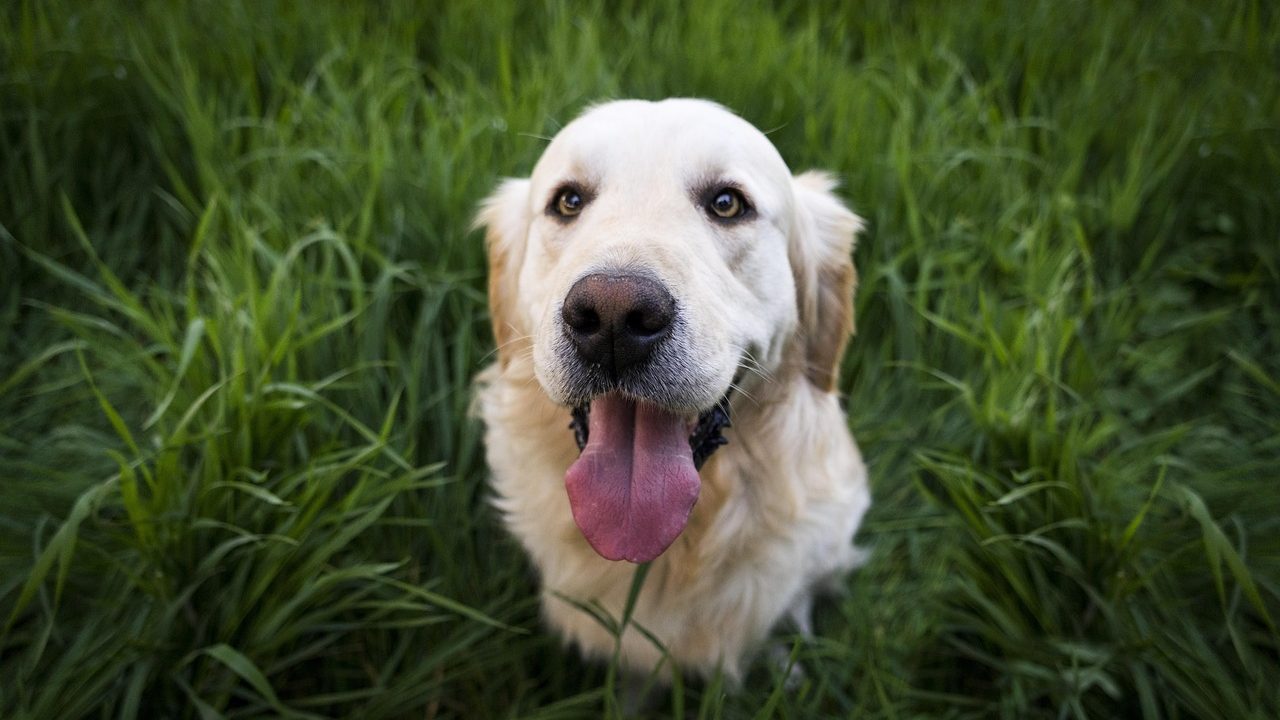
Watching a dog age is a bittersweet experience. Their muzzle turns frosted, their pace slows down on morning walks, and they spend more hours curled up in the sun. However, when that slowing down turns into hesitation before jumping onto the couch or stiffness after rising from a nap, it often signals structural wear and tear within the joints. Implementing effective senior dog joint care at home can dramatically improve your aging pet’s daily comfort, independence, and overall quality of life.
Joint stiffness and osteoarthritis affect a vast percentage of senior dogs. While you cannot completely stop the natural aging process, you can control the home environment, modify daily routines, and provide targeted support to minimize discomfort. This guide breaks down the practical, veterinary-backed steps you can take right now to help your older companion move through the house with confidence and ease.
Recognizing Early Signs of Canine Joint Discomfort
Dogs are notoriously stoic. They rarely yelp or whine when dealing with chronic, low-grade joint pain; instead, they alter their behavior. Catching these subtle shifts early allows you to intervene before joint degeneration severely limits mobility.
One of the earliest indicators is a change in transitional movements. Watch your dog closely when they stand up from a resting position. Do they take a few stiff steps, stretch awkwardly, or use their front legs to haul themselves up while keeping their hind end planted? Hesitation before climbing stairs, jumping into the car, or getting onto furniture is another classic red flag. You might also notice your dog licking their wrists, ankles, or hips persistently, or showing less enthusiasm for games they once loved.
Behavioral changes can also point toward physical discomfort. An otherwise house-trained dog might start having accidents simply because walking across a slippery kitchen floor to reach the back door hurts too much. Irritability when touched near the hips or lower back is another common sign that a dog is guarding a sore joint.
Furthermore, owners should monitor subtle shifts in gait and stance. A dog experiencing early discomfort in one limb may subtly shift their weight distribution to the opposing side, leading to secondary muscle soreness in compensating limbs. Over weeks and months, this compensatory gait can cause noticeable muscle atrophy in the affected leg due to disuse, making visual asymmetry a clear physical marker for veterinary evaluation. Keeping a weekly journal of your dog’s physical habits, willingness to walk, and behavioral quirks can provide invaluable data when discussing mobility trends with your veterinarian.
Additionally, pay close attention to your dog’s posture during grooming sessions. If your dog resists having their paws handled, reacts defensively when you brush their tail area, or struggles to maintain balance while lifting a back leg to eliminate, these are distinct clinical indicators that warrant a closer look by a trained professional. Physical fatigue setting in much earlier during routine outings also signals that your dog’s musculoskeletal system is working significantly harder than it used to.
Optimizing the Indoor Environment
Your home was likely designed for human convenience, which can present major obstacles for an aging dog. Slick hardwood, tile, and laminate floors turn everyday walking into an unintended ice-skating rink, forcing a senior dog’s muscles to work overtime just to stay upright.
Creating high-traction pathways is one of the most impactful home modifications you can make. Lay down non-slip runner rugs or interlocking foam mats across high-traffic hallways and frequently used rooms. Ensure the rugs have a rubberized backing or use rug grippers underneath so they do not slide when your dog pushes off.
Next, evaluate your dog’s resting and feeding stations. Raised food and water bowls can reduce strain on the neck, shoulders, and front wrists by eliminating the need for your dog to bend down awkwardly to eat. For water, consider placing multiple bowls around the house so your dog never has to trek across a slippery floor just to get a drink.
Beyond flooring and feeding stations, evaluate how your dog navigates room transitions and thresholds. Doorways where area rugs end abruptly can create sudden slip hazards. Ensure that non-slip surfaces extend seamlessly through every frequently traveled corridor. If your home has split-level layouts or sunken living rooms, block access with sturdy baby gates unless ramps are securely installed. Lighting is another frequently overlooked environmental factor; older dogs often develop mild cataracts or nuclear sclerosis, impairing their night vision. Keeping soft nightlights illuminated along your dog’s primary path to their water bowl and outdoor exit prevents accidental missteps in the dark.
Consider also evaluating the clearance around your furniture. If your senior dog enjoys resting near the living room sofa, make sure there is a wide, unobstructed lane for them to approach and depart without twisting their body or bumping into sharp corners. Small spatial adjustments can dramatically lower the risk of accidental tumbles during moments of morning grogginess or post-nap stretches.
Choosing the Right Supportive Bedding
Older dogs spend a significant portion of their day sleeping, making bedding a critical component of joint health. Standard, thin fiber-fill dog beds offer very little support, allowing an aging dog’s bony prominences to press directly against hard floors.
Invest in a true orthopedic dog bed featuring high-density memory foam or multi-layer support foam. These materials distribute your dog’s weight evenly, relieving pressure points on the hips, elbows, and shoulders. If your dog suffers from incontinence or occasional accidents, look for a bed with a waterproof internal liner and a machine-washable outer cover.
Placement matters just as much as quality. Position your dog’s bed in a quiet, draft-free area where they can rest undisturbed, but ensure it is not tucked away in a cold basement or a high-traffic hallway where they might get stepped on or startled.
When selecting orthopedic bedding, also consider the physical dimensions and entry height of the bed. Beds with thick, rigid bolsters can be difficult for a stiff dog to step over; instead, look for low-profile or wedge-style orthopedic mats that allow effortless entry and exit from any angle. For dogs that struggle with temperature regulation—a common occurrence in senior pets due to metabolic shifts—breathable memory foam layers paired with washable fleece or sherpa covers help maintain optimal comfort throughout changing seasonal temperatures.
Furthermore, rotate and clean your dog’s bedding covers on a regular schedule to prevent the buildup of allergens, dust mites, and moisture that can aggravate sensitive skin or respiratory pathways in older pets. Keeping the sleeping area fresh and clean ensures your dog looks forward to retreating to their designated resting sanctuary.
Safe Daily Handling and Mobility Support
As mobility declines, owners often feel tempted to lift or pull their dogs to help them up. However, improper lifting can cause sudden pain or injury to both the dog and the human.
Never pull your dog by the collar, front legs, or tail. Instead, use a supportive canine mobility harness or a specialized lifting sling that wraps underneath your dog’s abdomen or chest. This distributes weight evenly and allows you to assist your dog’s rear or front end gently as they stand or navigate a short flight of stairs.
When helping your dog into a vehicle, skip the high-impact jump entirely. Use a sturdy, wide pet ramp with a non-slip surface, or lift smaller and medium-sized dogs carefully by supporting both the chest and the hindquarters simultaneously, keeping their spine level.
Building your dog’s confidence around handling tools requires patience and positive reinforcement. Introduce mobility harnesses gradually indoors during calm moments, pairing the equipment with high-value treats so your dog associates the gear with positive outcomes rather than sudden restraint or discomfort. Practice gentle weight shifts using balance pads under veterinary guidance to build core stability, which directly translates to safer transitions during daily movements around the house.
When utilizing a lifting sling or harness, always ensure that the straps do not pinch sensitive skin folds or put direct pressure on vulnerable joints. Take your time during transfers, communicating in a calm, reassuring tone to keep your dog relaxed and cooperative throughout the movement process.
Low-Impact Exercise and Weight Management
It is a common misconception that senior dogs should stop exercising altogether. While high-impact activities like chasing tennis balls or running on hard pavement should be retired, gentle, controlled movement is vital for keeping joint cartilage nourished and surrounding muscles strong.
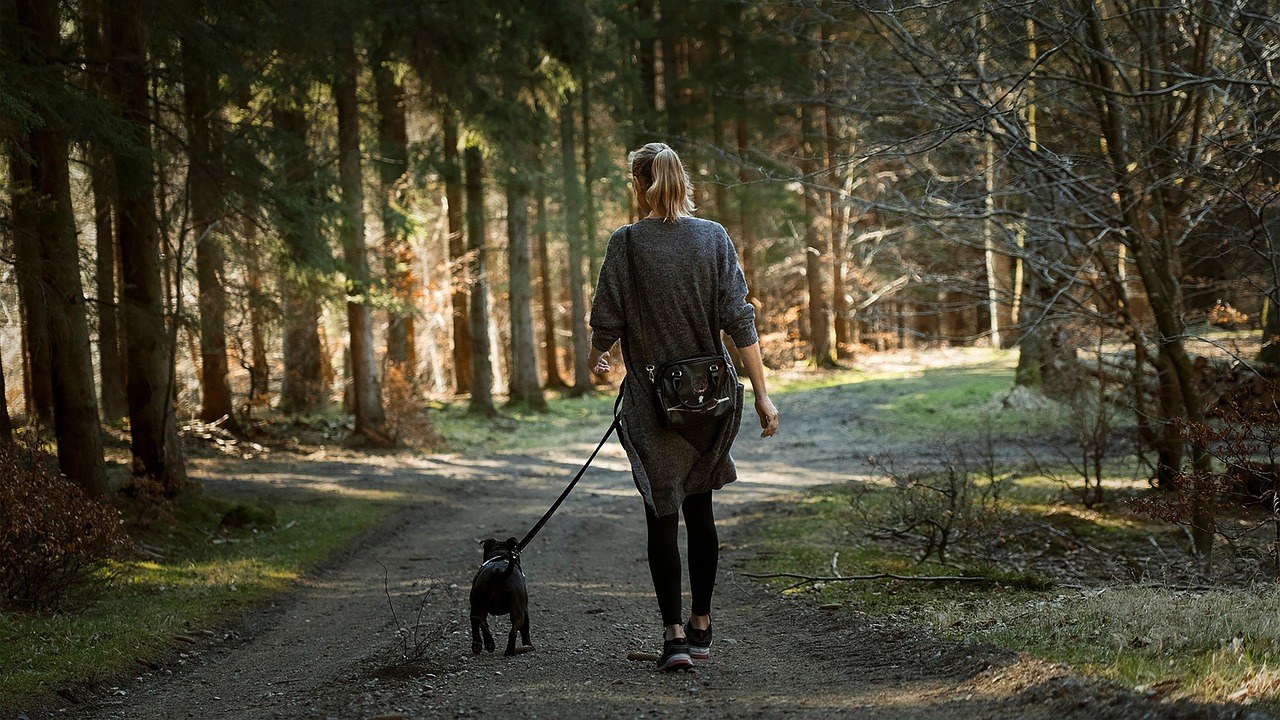
Switch to short, frequent leash walks rather than one long marathon trek. Allow your dog plenty of time to sniff and explore at their own pace, which provides mental stimulation without overtaxing their joints. Swimming and controlled water treadmill sessions—if accessible through a canine rehabilitation facility—are gold standards for senior fitness, offering zero-impact resistance training.
Maintaining an ideal body condition score is arguably the single most effective intervention for joint health. Every excess pound places exponentially more force on canine joints. Work with your veterinarian to establish a precise caloric intake tailored to your senior dog’s lower metabolic rate and reduced activity level.
To support sustainable weight management, measure every meal using a standard measuring cup rather than free-feeding or estimating portions by eye. Swap high-calorie commercial treats for healthy, vet-approved alternatives such as small pieces of steamed green beans, carrots, or blueberries. Monitor your dog’s body condition score bi-weekly by feeling along their ribcage; you should be able to feel the ribs easily under a minimal layer of fat, with a distinct waistline visible when viewed from above.
Integrating gentle mental enrichment games—such as snuffle mats, interactive puzzle feeders, or simple scent-work exercises—can also burn mental energy effectively when physical exertion needs to be kept minimal due to temporary flare-ups or bad weather days.
Collaborating with Your Veterinarian
Home care is essential, but it should always complement professional veterinary guidance. Regular wellness checkups become even more crucial as dogs age. Your veterinarian can perform thorough orthopedic evaluations, assess range of motion, and discuss medical management options if pain is present.
Never administer human over-the-counter pain medications, such as ibuprofen, acetaminophen, or aspirin, to a dog. These medications can cause severe, life-threatening stomach ulcers, kidney failure, and liver damage in canines. If your veterinarian determines that your dog needs targeted relief, they can prescribe safe, FDA-approved veterinary anti-inflammatories or recommend appropriate joint supplements containing glucosamine, chondroitin, or omega-3 fatty acids.
Diagnostic imaging, such as digital radiographs, can also provide a clear window into the extent of joint deterioration, allowing your veterinary team to tailor a multimodal management plan. This plan may encompass prescription therapeutics, physical rehabilitation protocols, acupuncture, laser therapy, and structured home exercise regimens tailored to your dog’s specific structural needs.
Open communication with your veterinary team ensures that any emerging side effects from medications or subtle declines in overall mobility are addressed swiftly. Keep a running list of questions or noticeable behavioral shifts between appointments so you can make the most of your scheduled clinic visits.
Common Mistakes to Avoid in Senior Dog Care
Even with the best intentions, pet owners sometimes make adjustments that inadvertently cause problems. One common mistake is waiting until a dog is completely immobile before making home modifications. Making changes proactively helps prevent accidental slips and builds your dog’s confidence.
Another pitfall is completely isolating an aging dog from family activity due to mobility concerns. Even if your dog cannot join long hikes anymore, find alternative ways to keep them included, such as setting up a comfortable observation station in the living room or engaging in gentle indoor puzzle toys.
Avoid making sudden, drastic changes to your dog’s environment or routine without giving them time to acclimate. Moving furniture, changing bed locations, or altering feeding schedules overnight can induce anxiety, particularly in senior dogs experiencing age-related cognitive decline. Implement changes incrementally, and always supervise your dog as they navigate new rugs, ramps, or harnesses for the first time.
Additionally, be careful not to rely solely on unverified online advice or over-the-counter supplement labels without professional guidance. Every dog’s physiological makeup and joint health status are unique, making tailored veterinary advice the safest and most effective path forward.
Building a Sustainable Routine
Managing senior dog joint care at home requires patience, observation, and consistency. By combining high-traction flooring, supportive bedding, safe handling techniques, weight control, and veterinary oversight, you can help your older dog navigate their golden years with dignity, comfort, and joy.
Establish a daily rhythm that incorporates gentle morning stretches, predictable feeding times, measured short walks, and quiet evening rest on supportive bedding. Involve all members of your household in maintaining consistent rules—such as keeping walkways clear of clutter and utilizing ramps consistently—to ensure your senior dog enjoys a safe, supportive environment every single day.
As your dog’s needs evolve over time, remain flexible and willing to adjust your home care strategies. With attentive observation, proactive environmental modifications, and dedicated veterinary support, you can ensure your aging companion enjoys a high quality of life throughout their senior years.