When you are introducing pet bird to household dynamics that already feature cats, dogs, or small mammals, you are navigating one of the most delicate challenges in domestic pet care. Unlike dogs and cats, which often share a common language of play and body posture, birds occupy a unique evolutionary niche. To a dog or a cat, a small, fluttering creature is biologically coded as prey. To a bird, any ground-dwelling or agile four-legged animal is an apex predator. Bridging this gap requires patience, rigorous physical barriers, and a deep understanding of behavioral science.
Veterinarians and animal behaviorists consistently emphasize that successful multi-species integration is never rushed. It is a methodical process built on gradual desensitization, strict environmental management, and continuous stress monitoring. Whether you are bringing home a tiny budgie or a large Amazon parrot, the foundational rules of safety and acclimation remain remarkably consistent. This guide walks you through the step-by-step protocols needed to build a harmonious, safe home for every animal under your roof.
Understanding Avian Stress and Predator Dynamics
Before introducing pet bird to household pets, you must understand how birds perceive their environment. Prey animals process stress differently than predators. While a dog or cat might bark or swat when agitated, a bird’s instinctual response to fear is often flight, vocal freezing, or masking symptoms of illness and terror until it is dangerously advanced in the wild to avoid appearing weak to predators.
Birds possess an acute sense of vision, spatial awareness, and hearing. The mere shadow of a cat pacing outside a closed door or the deep, resonant bark of a dog can trigger a chronic fight-or-flight response in a sensitive parrot, cockatiel, or finch. Chronic stress suppresses an avian immune system, leading to feather plucking, respiratory issues, and severe behavioral disorders. Therefore, your primary job during integration is not just preventing physical contact, but actively lowering sensory overload and establishing absolute security.
Furthermore, consider the sensory world of your resident pets. Dogs and cats rely heavily on scent and sound. When a new bird enters the home, it introduces a completely foreign olfactory and auditory profile. High-pitched vocalizations can trigger prey arousal in hunting breeds or curiosity in inquisitive felines. Recognizing these foundational biological drivers allows you to curate an environment where curiosity is managed and fear is minimized.
Assessing Your Existing Household Pet Profile
Every resident pet brings a different baseline of prey drive and temperament to the table. Before bringing your new bird home, take an honest inventory of your current animal companions and evaluate their individual behavioral tendencies rather than relying solely on breed generalizations.
- High Prey Drive Dogs: Terriers, sighthounds, and hunting breeds have been selectively bred for centuries to chase, catch, and dispatch small animals. While an obedience-trained dog can coexist with a bird, their inherent instincts require permanent, fail-safe physical barriers that do not rely on verbal commands alone.
- Curious and Athletic Cats: Cats are stealth predators equipped with exceptional vertical leaps, lightning-fast reflexes, and a natural obsession with fluttering objects. Even the gentlest house cat poses an immediate danger to an unsecured bird, regardless of how friendly they appear with humans.
- Senior or Low-Drive Pets: Older, mellow pets or large-breed dogs with minimal prey drive may ignore the bird entirely, but complacency is still a risk. Never mistake a calm demeanor for a permanent guarantee of safety, as sudden movements or strange noises can awaken latent predatory instincts.
Setting Up a Neutral, Safe Quarantine Zone
Your new bird should never be introduced to resident pets on day one, nor should the bird be placed immediately in a high-traffic area of the home. Set up a dedicated, secure quarantine and acclimation room before the bird ever arrives.
This room should feature a solid-core door that can be securely closed and locked if necessary, keeping cats and dogs completely out. The quarantine space serves a dual purpose: it protects your resident pets from potential avian pathogens while shielding the newcomer from the terrifying sensory onslaught of unfamiliar predators pacing outside its cage.
Equip this room with proper lighting, temperature control, and a sturdy cage positioned away from drafts and direct windows where outdoor predators like hawks or stray neighborhood cats might be visible. Ensure the room has comfortable perches, fresh water stations, and quiet time buffers where the bird can decompress from the stress of relocation.
Phase One: Scent Swapping and Audio Acclimation
For the first week or two, focus entirely on indirect sensory introduction. Your goal is to allow the animals to become familiar with each other’s presence without any visual or physical contact.
Scent swapping helps desensitize both parties. You can place a piece of clean cloth near the bird’s cage for a day so it absorbs the bird’s scent, then place it near the dog or cat’s resting area—safely out of chewing reach. Conversely, allow the bird to hear the normal, everyday sounds of your household: the muffled hum of voices, the low thud of dog paws on carpet, or the gentle chime of a cat collar. Over time, these sounds lose their terrifying novelty and become ordinary background noise.
During this phase, pay close attention to how your resident pets react to the bird’s vocalizations. If a dog whines or a cat stalks the closed door, pause the scent-swapping process and allow more time for foundational obedience or scent normalization before moving forward.
Phase Two: Visual Familiarization Without Physical Access
Once the bird is eating, drinking, and vocalizing normally in its quarantine room, you can begin visual introduction. This step must be managed with extreme care.
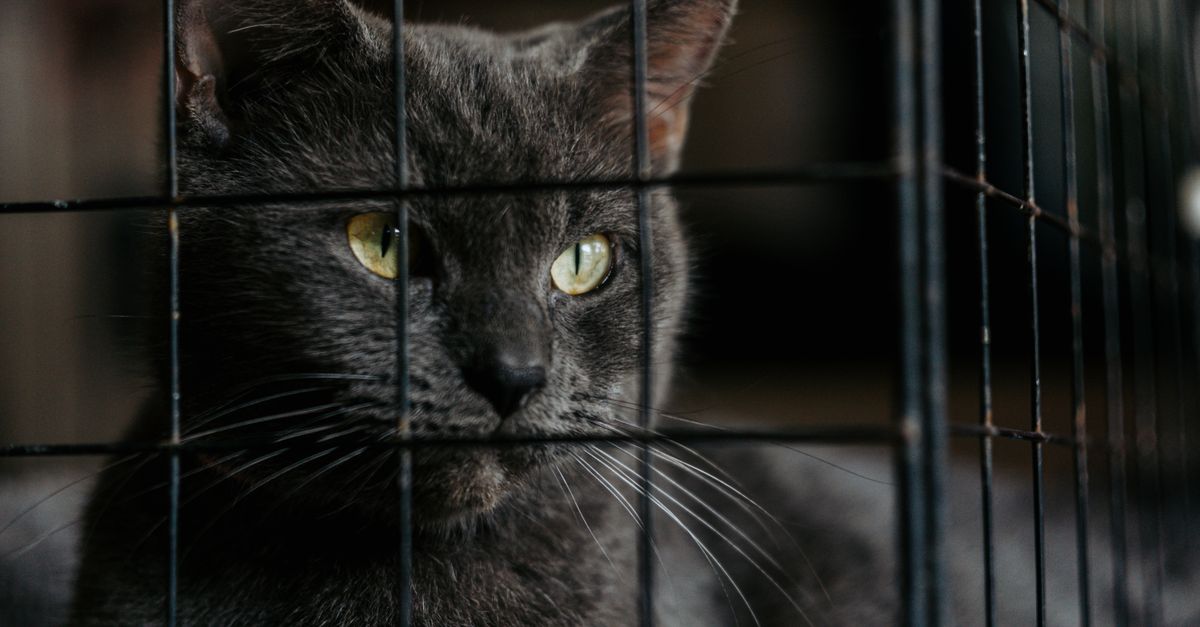
Place a sturdy baby gate across the doorway of the bird’s room, or keep the bird in its cage while allowing leashed dogs or supervised cats to observe from a distance. Watch your resident pets closely for signs of fixation. If a cat is crouching, twitching its tail tip, or locked in an unblinking stare, immediately remove the cat from the area. Fixation is a clear indicator that the predatory drive has been engaged.
During these brief sessions, reward calm behavior in your dogs and cats with high-value treats, teaching them that ignoring the bird yields positive reinforcement. Never allow cats to leap onto or bat at the bird’s cage, even if the bars are thick. A terrified bird can easily fly into the cage bars and break a wing or suffer a fatal heart attack from sheer adrenaline overload.
Managing Cats in a Multi-Species Bird Home
Cats present a unique challenge due to their fluid agility and nocturnal habits. If you share your home with felines, your environmental management must be airtight and unyielding.
Bird cages in a cat-friendly home should feature heavy-duty locks and bar spacing tight enough to prevent a curious paw from reaching inside. Never rely on flimsy latch doors or clip-on bowls that a clever cat might manipulate. Furthermore, consider keeping resident cats entirely out of the room where the bird’s cage is permanently housed when humans are not present to supervise.
Be especially mindful of cat saliva. Cat claws and mouths carry bacteria like Pasteurella, which can be rapidly fatal to a bird if a scratch or bite occurs. If a cat makes direct contact with a bird, immediate veterinary consultation is mandatory, even if the wound appears superficial. Prevention is always safer than emergency medical intervention.
Managing Dogs and Avian Boundaries
Dogs are generally easier to train regarding boundaries than cats, but their physical strength demands respect. Even a friendly, exuberant dog can accidentally knock over a bird stand or injure a fragile bird with a heavy tail wag or an overly enthusiastic greeting.
Establish a strict “no-fly zone” or perimeter around the bird cage. Train your dog using positive reinforcement to respect a boundary line marked by a rug or floor mat a few feet away from the cage. Whenever the bird is out of its cage for exercise, secure the dog in a separate room or crate. Multi-species freedom in the same open room should only occur under intense, active supervision by an adult who is fully focused on the interaction.
Consistency is key when teaching dogs these spatial boundaries. Reward calm waiting behavior outside the boundary line so the dog associates the bird’s area with relaxation rather than frustration or excitement.
Handling Small Mammals and Feathered Friends
Many households feature small mammals like rabbits, guinea pigs, or hamsters alongside birds. While these animals are herbivores and lack the predatory threat level of cats or dogs, they still require careful management.
Rodents and rabbits can carry mites, fleas, or bacteria that can affect birds, and inquisitive rodents can chew on electrical cords or cage accessories if allowed to roam freely near an aviary setup. Keep small mammal enclosures well-separated from bird areas to prevent cross-contamination, territorial stress, and accidental injuries during out-of-cage floor time.
Supervised Distance Sessions and Positive Reinforcement
As weeks turn into months and all animals display consistent calm, you may choose to conduct controlled, highly supervised distance sessions.

During these sessions, the bird should be securely perched on a human hand or a stable T-stand, while a dog is down-stayed on a leash a safe distance away. Keep these sessions brief—no more than five minutes—and end them on a positive note before any animal shows signs of restlessness or over-arousal. Reward both the bird (with a favorite seed or treat) and the dog or cat for calm, indifferent behavior.
Never force physical proximity. Some dogs and cats will learn to peacefully ignore a pet bird, while others will never mature past a persistent predatory fixation. Respect your animals’ biological limits and maintain physical separation whenever supervision is impossible or distracted.
Establishing a Sustainable Daily Routine
Long-term harmony in a multi-species home relies heavily on predictable daily routines. Animals thrive on structure, and clear scheduling helps reduce anxiety for both predators and prey.
Designate specific windows for out-of-cage bird flight when resident pets are securely shut in another room. Ensure that your dogs and cats receive their own dedicated exercise and feeding times so they do not feel neglected or anxious when you are attending to the bird. When feeding your cats or dogs, keep pet food bowls well away from the bird’s cage area to prevent scavenging pests or accidental close encounters.
Recognizing Signs of Overwhelming Stress in Birds
Monitoring your bird’s emotional well-being is critical throughout the integration process. Watch closely for subtle red flags indicating that the presence of resident pets is causing chronic distress.
- Postural Changes: A sleek, elongated body posture, flattened head feathers, or constant wing-drooping often signal fear, alertness, or anxiety.
- Vocal Shifts: Sudden silence in a normally vocal bird, or frantic, high-pitched screaming when a pet enters the room, indicates extreme alarm.
- Appetite and Dropping Changes: Stress frequently causes sudden changes in stool consistency or a noticeable drop in food and water consumption.
If you observe these symptoms, immediately remove the stressor by returning the bird to a quiet, private sanctuary room and evaluating your physical barriers and daily foot traffic.
Troubleshooting Behavioral Regression
Even after a smooth initial integration, you may occasionally encounter behavioral regression. A resident cat might suddenly start stalking the cage again, or a previously indifferent dog may begin whining and scratching at the aviary door.
When this happens, do not panic. Revert immediately to Phase One or Phase Two protocols. Assess whether environmental changes—such as moving the cage to a busier room or changing the bird’s vocalization patterns—triggered the renewed interest. Reinforce boundary training with high-value treats and re-establish strict supervision protocols until calm equilibrium is restored.
Frequently Asked Questions About Multi-Species Avian Homes
Can cats and birds ever be left alone in the same room safely? No. Even the most docile house cat should never be left unsupervised in the same room as an uncaged or caged bird. Feline reflexes are too fast, and accidents happen in seconds.
How do I stop my dog from barking at the new bird? Use positive reinforcement to reward silence and calm behavior when the bird vocalizes. Never yell at the dog, as this can increase excitement; instead, guide the dog away from the area and reward quiet focus.
What should I do if a cat scratches my bird? Treat this as an immediate medical emergency. Avian skin is paper-thin, and bacteria from cat saliva can cause fatal septicemia within hours. Consult an avian veterinarian immediately.
Common Pitfalls to Avoid During Integration
Pet owners frequently make well-intentioned mistakes that jeopardize safety during multi-species integration. Avoiding these common errors will ensure a smoother transition for everyone.
First, never assume that a small dog or a gentle cat cannot harm a bird. Even a toothless senior cat carries dangerous bacteria and crushing jaw pressure relative to a fragile finch or parakeet. Second, avoid leaving birds unattended in rooms with screen doors, open windows, or accessible pet perimeters. Third, never punish a dog or cat harshly for showing interest in the bird; fear-based corrections can create a negative emotional association with the bird, increasing aggression or anxiety. Instead, redirect their attention calmly and reward neutrality.
By prioritizing strict physical barriers, respecting natural predator instincts, and moving at the pace of the most sensitive animal in your home, you can successfully cultivate a peaceful, multi-species household where both feathers and fur thrive safely side by side.