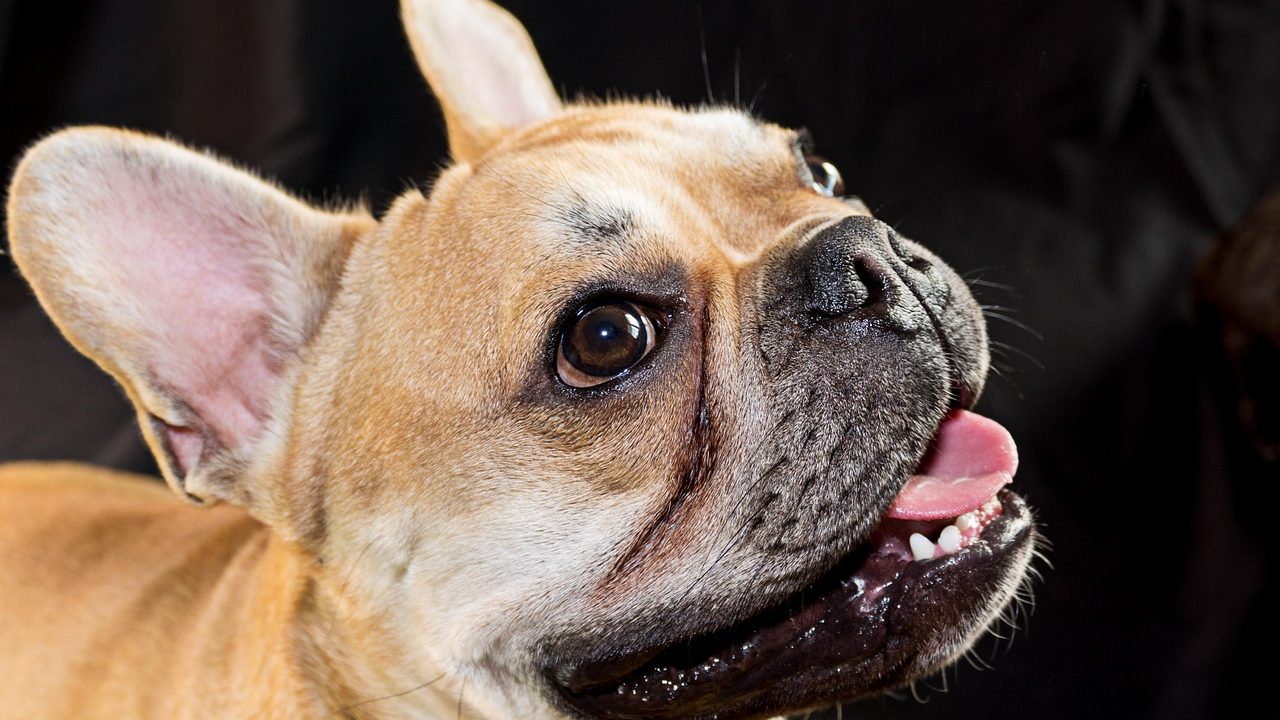
Caring for a flat-faced dog during warm weather requires far more vigilance than managing a standard-muzzled breed. When summer temperatures climb, the unique anatomy of popular pets like French Bulldogs, Pugs, English Bulldogs, and Boxers places them at an immediate physiological disadvantage. This complete brachycephalic dog summer care guide is designed to help you navigate hot weather safely, recognize the subtle early warning indicators of respiratory distress, and implement everyday management strategies that can prevent a medical emergency.
To understand why summer care is so critical for these breeds, you must first look at how dogs cool themselves. Unlike humans, dogs do not sweat through their skin; instead, they rely primarily on panting to circulate air over the moist surfaces of their tongue, mouth, and respiratory tract, evaporating moisture to lower their core body temperature. Brachycephalic dogs, however, possess a shortened skull structure that crams normal soft tissue into a miniature space. This anatomical mismatch leads to a collection of physical traits known as Brachycephalic Obstructive Airway Syndrome, or BOAS.
Common anatomical components of BOAS include stenotic nares (narrowed nostrils), an elongated soft palate that blocks the windpipe, everted laryngeal saccules, and a generally hypoplastic or narrow trachea. When a brachycephalic dog pants heavily in warm weather, the restricted airway creates turbulent airflow. This turbulence causes friction, inflammation, and swelling inside the respiratory tract. As the tissues swell, airflow becomes even more restricted, causing the dog to panic and pant harder, which generates more heat and more swelling in a dangerous, self-accelerating feedback loop. Recognizing this vulnerability is the first step toward keeping your companion safe.
The Cascade of Upper Airway Resistance
To fully grasp why flat-faced dogs are so fragile in warm weather, one must understand the fluid dynamics of their breathing. In physics, when air is pulled through a narrowed conduit, the velocity of the air increases while the internal pressure inside the conduit drops. In dogs with stenotic nares or thickened palates, every inhalation creates negative pressure inside the pharynx and larynx. Over time, this chronic vacuum pulls surrounding tissues inward, causing them to stretch, inflame, and eventually collapse into the airway.
During the summer, the demand for oxygen and evaporative cooling spikes. When a non-brachycephalic dog pants, the wide nasal passages and spacious oral cavity allow air to move freely with minimal muscular effort. In contrast, a brachycephalic dog must exert significant muscular force simply to pull air past their elongated palate and swollen tonsils. This intense muscular effort generates substantial metabolic heat within the dog’s chest and neck muscles. In short, the very act of trying to cool down generates more internal body heat, turning what should be a cooling mechanism into a source of thermal overload.
Understanding Temperature and Humidity Thresholds
Many pet owners make the mistake of looking only at the thermometer on the wall to judge whether it is safe to take their dog outside. In reality, humidity plays an equally critical role in canine thermoregulation. When humidity is high, the moisture from a dog’s tongue cannot evaporate efficiently into the surrounding air, rendering panting largely ineffective. Relative humidity levels above 50 percent combined with warm temperatures create an environment where even a short walk can become hazardous.
As a general rule of thumb for flat-faced breeds, caution should be exercised whenever outdoor temperatures exceed 75 degrees Fahrenheit. Once temperatures climb past 85 degrees Fahrenheit, or when the heat index combined with humidity makes the air feel significantly hotter, non-essential outdoor excursions should be restricted to the coolest early morning or late evening hours. Asphalt and concrete absorb solar radiation and can easily reach temperatures 20 to 40 degrees higher than the ambient air, burning paw pads and radiating direct heat upward into a low-slung dog’s chest and face.
Always test pavement with the back of your hand for a full seven seconds before letting your dog walk on it. If it is too hot for your bare skin, it is far too hot for your dog’s paws. Whenever possible, keep walks strictly to shaded grassy areas or natural dirt paths during the summer months.
Calculating the Combined Heat Index Risk
A helpful practical guideline used by experienced owners and canine professionals is the “Rule of 150.” When you add the ambient temperature in degrees Fahrenheit to the relative humidity percentage, the resulting sum gives a clear snapshot of environmental risk for sensitive breeds:
- Sum under 130: Generally safe for moderate outdoor activity, provided shade and water are readily accessible.
- Sum between 130 and 150: Heightened caution required. Limit outdoor excursions to brief bathroom breaks, keep walks under 10 minutes, and strictly avoid running or strenuous play.
- Sum over 150: Extreme risk zone for brachycephalic breeds. Dogs should only step outside briefly to relieve themselves and immediately return to an air-conditioned environment.
For example, if the outdoor temperature is 80 degrees Fahrenheit with 75 percent humidity, the combined score is 155. Even though 80 degrees might feel manageable to a person, the high humidity halts evaporative cooling on a canine tongue, placing a flat-faced dog at immediate risk of severe respiratory stress.
Harness Modifications and Airway Relief
One of the most impactful changes a pet owner can make is ditching the traditional neck collar entirely. When a brachycephalic dog pulls on a leash attached to a standard collar, the pressure directly compresses the trachea and larynx. This mechanical pressure exacerbates airway restriction, triggers coughing or gagging, and can precipitate acute respiratory distress.
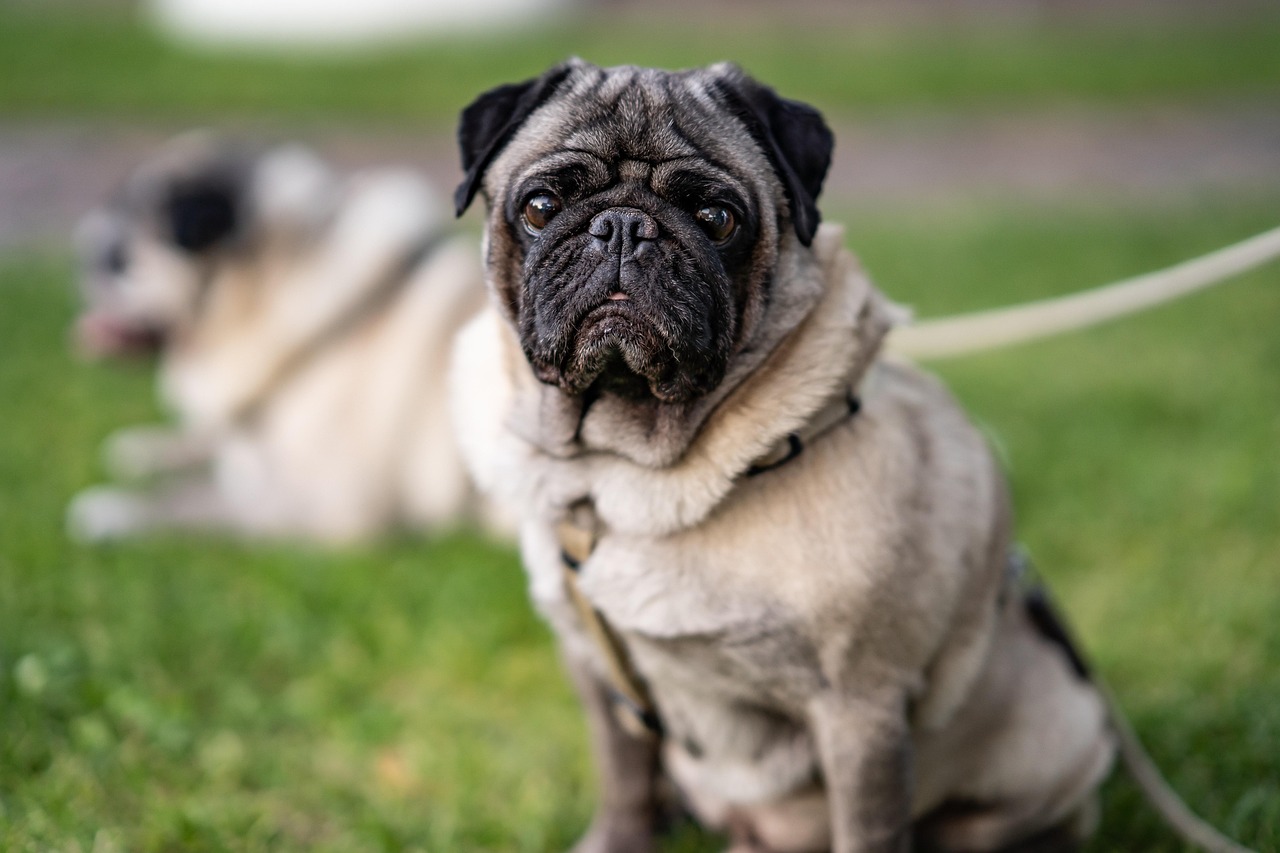
Switching to a well-fitted, Y-shaped vest harness redistributes any leash tension across the dog’s chest bone and shoulders rather than the vulnerable throat area. When shopping for a harness, look for options that:
- Feature a front-connection ring to discourage pulling without putting upward torque on the neck.
- Offer breathable mesh panels that do not trap excessive body heat against the chest.
- Provide multiple adjustment points to ensure a snug, secure fit that won’t slip or chafe sensitive skin folds.
Additionally, pay close attention to how your dog’s accessories fit during hot weather. Bandanas, cooling coats that have dried out, or tight clothing can impede chest expansion and restrict the deep breathing necessary for effective ventilation. If you use a cooling vest, ensure it remains damp and lightweight, and remove it immediately if it dries out, as a dry synthetic fabric can act as an insulating blanket.
Harness Fit and Biomechanical Safety
When fitting a harness on a broad-chested breed like an English Bulldog or French Bulldog, anatomical proportions present specific challenges. Standard dog gear is often cut for narrow, deep-chested breeds like Retrievers or Pointers. On a brachycephalic dog, poorly cut harnesses can ride up into the lower throat area or dig painfully into the armpits, causing contact dermatitis and altering the dog’s natural stride.
Look for a low-cut sternum strap that rests firmly against the dog’s breastbone rather than crossing the lower throat. Ensure there is at least two fingers’ width of clearance behind the front legs to prevent chafing in the axillary region. Furthermore, choose hardware made of lightweight materials; heavy metal buckles and dense tactical strapping add unnecessary weight and insulation to a dog already struggling with thermal regulation.
Recognizing Early Warning Signs of Heat Distress
Heat stroke does not happen all at once; it is the final, catastrophic stage of progressive heat distress. Because flat-faced dogs deteriorate rapidly, catching the early warning signs is essential. Owners must monitor their pets continuously during and after any activity in warm conditions.
Early signs of canine heat distress include:
- Excessive, frantic panting: Panting that sounds harsh, wet, or unusually loud compared to normal cooling behavior.
- Foam or thick saliva: Producing thick, ropey mucous or excessive drooling around the mouth and jowls.
- Red or pale gums: Gums that appear deeply congested, bright red, or conversely pale and tacky to the touch.
- Loss of coordination: Mild stumbling, unsteadiness, or a sudden reluctance to continue walking.
- Anxiety or distress: Pacing, whining, wide eyes, or frantic seeking of shade and cool surfaces.
If these early signs are ignored, the condition can quickly escalate into severe heatstroke, characterized by bright blue or purple gums, vomiting, bloody diarrhea, collapse, seizures, and organ failure. If you observe any early warning signs, stop immediately, move your dog into air conditioning or deep shade, offer small sips of cool (not ice-cold) water, and contact your veterinarian immediately.
The Progression from Heat Exhaustion to Heatstroke
Understanding the internal progression of thermal stress helps owners act decisively before cellular damage becomes irreversible:
- Stage 1: Respiratory Strain (Temperature: 102.5°F – 104°F). The dog exhibits heavy panting, enlarged tongue, and mild roaring or wheezing sounds (stridor). The body is still compensating, but soft tissues in the airway are beginning to swell.
- Stage 2: Heat Exhaustion (Temperature: 104°F – 106°F). The dog becomes lethargic, weak, and may stumble. Mucous membranes turn dark brick-red, and thick saliva fills the mouth. The cardiovascular system is working at maximum capacity to push blood to the skin for heat dissipation.
- Stage 3: Severe Heatstroke (Temperature: Above 106°F). Cellular breakdown begins. The gastrointestinal lining sheds, leading to bloody diarrhea or vomiting. Disseminated intravascular coagulation (widespread abnormal blood clotting) can occur, followed by seizures, coma, and multi-organ failure.
Modifying Daily Exercise Routines
Summer is not the season for long jogs, vigorous fetch sessions, or strenuous outdoor play dates for brachycephalic dogs. Physical exertion generates massive amounts of internal metabolic heat, which these dogs simply cannot expel efficiently.
Re-evaluate your exercise schedule entirely. Shift your routine walks to dawn before the sun has heated the pavement. Shorten the duration of walks and trade high-intensity physical miles for low-impact mental stimulation. Snuffle mats, puzzle toys, indoor obedience training, and scent games tire a dog out mentally without placing any thermal or respiratory stress on their delicate systems.
If you take your dog in a vehicle, never leave them unattended—not even for a minute with the windows cracked. Car interiors heat up with terrifying speed, turning a vehicle into an oven within minutes. Air conditioning in the car should be running and directed toward the back seat where your dog rides to ensure comfortable airflow.
Positive Reinforcement and Mental Enrichment Indoors
When outdoor physical activity is restricted, high-energy breeds like Boston Terriers and young Boxers can develop behavioral issues due to pent-up energy. The solution is targeted cognitive engagement using positive reinforcement techniques.
- Nosework and Foraging: Hide low-calorie treats or kibble inside folded towels, cardboard boxes, or dedicated snuffle mats. Olfactory processing engages large sections of the canine brain, calming the nervous system while expending substantial mental energy.
- Targeting and Clicker Shaping: Teach precision tricks such as chin rests, paw targeting, or object identification using a clicker and tiny treat rewards. These focused micro-sessions require minimal physical exertion while building impulse control.
- Lick Mats and Chews: Licking and chewing trigger the release of endorphins that soothe an anxious or restless dog. Spread plain, dog-safe pumpkin puree or non-fat plain Greek yogurt onto a textured silicone mat, freeze it, and offer it as a cool, long-lasting enrichment activity.
Indoor Climate Control and Cooling Strategies
Managing your home environment is just as important as outdoor safety. Not all homes maintain comfortable indoor temperatures during peak summer heatwaves, and brachycephalic dogs require stable, air-conditioned environments to thrive.
Keep your air conditioning running steadily on warm days. If you do not have central air, invest in reliable window units or portable floor ACs for the rooms your dog frequents most. Ceiling fans and oscillating floor fans help circulate air, though keep in mind that dogs do not cool down via fan evaporation the same way humans do; fans are most effective when paired with air conditioning or cool surfaces.
Provide multiple resting zones with cool surfaces. Elevated mesh pet cots allow air to circulate underneath the dog’s body, preventing heat buildup. Alternatively, refrigerated cooling mats filled with pressure-activated gel provide localized relief. Be sure to supervise your dog if they tend to chew on bedding materials, as gel or foam ingestion can cause intestinal blockages.
Optimizing Home Microclimates
Even within an air-conditioned home, localized hot zones can form near south-facing windows, under glass patio doors, or on upper floors where heat naturally rises. Take proactive steps to optimize your indoor space:
- Blackout Curtains: Close heavy thermal blinds or blackout drapes during the sunniest hours of the day to block radiant solar heating through windows.
- Dehumidifiers: If your home feels muggy despite air conditioning, running a standalone dehumidifier in the main living space significantly aids your dog’s natural evaporative cooling through panting.
- Accessible Flooring: Make sure your dog has unimpeded access to naturally cool flooring, such as ceramic tile, porcelain, or polished concrete. If your home has thick carpeting, clear a space near an AC vent where a cooling mat or thin cot can be placed.
Hydration and Nutrition Management
Proper hydration supports every physiological function, including thermoregulation. Fresh, cool water must be accessible in multiple locations throughout your home at all times.
Many flat-faced breeds have trouble drinking efficiently from standard bowls due to their flat muzzles and skin folds. Wide, shallow ceramic or stainless steel bowls make it much easier for them to scoop water without pressing their nostrils into the liquid. If your dog is reluctant to drink enough water during hot days, try adding a splash of low-sodium chicken bone broth or tossing a few ice cubes into the bowl to encourage engagement.
Dietary adjustments can also help. Feeding your dog during the cooler morning and evening hours rather than the heat of the afternoon keeps their metabolic rate manageable when ambient temperatures are highest. Some owners incorporate wet food or add warm water to kibble to boost daily moisture intake organically.
Weight Management as a Preventive Health Factor
It is impossible to discuss brachycephalic heat safety without addressing body condition score. Obesity dramatically magnifies every single symptom of BOAS. Excess adipose tissue compresses the chest cavity, restricts lung expansion, lines the throat walls with fat deposits, and acts as an internal insulating blanket that traps core heat.
Maintaining a lean body weight is one of the most effective medical interventions an owner can provide. If your flat-faced dog is carrying extra pounds, work closely with your veterinarian to establish a calorie-controlled weight loss plan. Keep summer treats low in calories—such as fresh cucumber slices, green beans, or blueberries—to avoid adding excess weight during periods of reduced exercise.
Skin Fold Hygiene in Hot Weather
Summer heat brings humidity and sweat, which breeds bacteria and yeast in the deep skin folds around a brachycephalic dog’s muzzle, eyes, and tail pocket. Moisture trapped in these folds combined with body heat leads to painful dermatitis, chafing, and infections.
Establish a daily hygiene routine during the summer months. Gently wipe out all facial wrinkles and skin folds with a damp washcloth or vet-approved medicated cleansing wipe, making sure to dry the area thoroughly afterward. Leftover moisture is the primary culprit behind fungal and bacterial flare-ups, so thorough drying is just as important as cleaning.
Step-by-Step Wrinkle and Tail Pocket Protocol
To keep sensitive skin healthy through humid weather, follow this structured routine once daily:
- Inspect: Gently lift the facial folds and tail pocket. Check for redness, an unpleasant sour odor, yellow/brown discharge, or heat radiating from the skin fold.
- Cleanse: Use an alcohol-free, chlorhexidine or ketoconazole-based veterinary wipe, or a soft washcloth dampened with warm water. Gently wipe away accumulated grime, food particles, and natural secretions.
- Dry: Take a clean, dry microfiber cloth or soft tissue and thoroughly dry the deep crevices. Never skip this step, as trapped dampness will accelerate microbial growth.
- Protect: If recommended by your veterinarian, apply a thin layer of soothing, zinc-free barrier balm formulated specifically for canine skin folds to protect against chafing and moisture friction.
Summer Travel, Car Safety, and Pool Hazards
Summer often involves road trips, vacations, and outdoor gatherings around water. For owners of brachycephalic dogs, these scenarios require specific precautions.
Vehicle Travel Protocols
Never rely on cracked windows or shaded parking spots to keep a car cool. When traveling with your dog:
- Pre-cool the vehicle by running the air conditioning on high for several minutes before placing the dog inside.
- Position your dog’s travel crate or seatbelt harness in a direct line with rear air conditioning vents. Avoid placing them in the cargo area of an SUV where airflow is often poor and greenhouse heating through large back windows is severe.
- Carry a dedicated emergency travel kit that includes extra gallons of fresh water, a collapsible bowl, instant cold packs, a digital rectal thermometer, and towels.
Water Safety and Swimming Realities
Many owners assume all dogs are natural swimmers, but most brachycephalic breeds are physically incapable of swimming safely. Breeds like Bulldogs and Pugs have dense, muscular bodies, short legs, and heavy heads that cause them to sink like stones. Furthermore, to keep their flat noses above the water line, they must tilt their heads upward at a steep angle, which causes their rear quarters to drop and compromises their breathing even further.
If your dog will be near a swimming pool, lake, or boat, a properly fitted canine life jacket equipped with a neck-supporting chin float is mandatory. Never leave a flat-faced dog unattended near any open body of water, including shallow backyard kiddie pools.
Emergency Action Plan and Veterinary Guidance
Preparation is your best defense against summer emergencies. Before the peak of heat season arrives, review your local veterinary clinic’s emergency hours, phone number, and physical address. Keep this information posted on your refrigerator and saved in your mobile phone.
If you suspect your brachycephalic dog is overheating:
- Move them immediately into an air-conditioned room or deep shade.
- Apply cool (never ice-cold or freezing) wet towels to their groin, armpits, and paws. Do not wrap them completely in wet towels, as this can trap heat.
- Offer small amounts of cool water if they are fully conscious and able to swallow normally. Do not force water into their mouth.
- Call your veterinarian or emergency animal hospital immediately while you begin cooling measures so they can prepare for your arrival.
Why Ice Water Must Be Avoided
A common and dangerous mistake is using ice cubes, ice baths, or freezing water to cool an overheating dog. Applying extreme cold triggers peripheral vasoconstriction—the narrowing of blood vessels near the skin surface. This constriction traps hot blood deep within the core organs and prevents heat dissipation. Furthermore, extreme cold can induce violent shivering, which generates additional metabolic heat. Always use cool, room-temperature, or lukewarm water, combined with airflow from a fan, to facilitate gentle, safe evaporative cooling.
Frequently Asked Questions
Can I shave my flat-faced dog’s coat to keep them cool?
No, shaving a double-coated brachycephalic dog (such as a Pug) is not recommended. A dog’s coat acts as a natural insulator against both cold and heat. The outer guard hairs reflect solar radiation, while the undercoat traps a layer of air that insulates the skin from direct thermal heat. Shaving removes this protection, exposing the dog’s skin to direct sunlight, severe sunburn, and increased risk of heatstroke. Regular brushing to remove loose undercoat hair is far more effective for airflow.
Are cooling mats and cooling vests safe to use unattended?
Cooling mats filled with non-toxic gel are safe for calm dogs, but pets that chew should never be left alone with them, as ingested synthetic materials can cause serious gastrointestinal foreign body obstructions. Cooling vests should only be worn under direct supervision because once the moisture evaporates from the vest, the dry synthetic material becomes an insulating wrap that traps heat against the dog’s body.
What should I do if my dog vomits foam after a short walk in warm weather?
Vomiting white or clear foam after being outside in warm temperatures is a red flag for acute respiratory and thermal distress. It indicates that your dog has inhaled air frantically, creating negative intrathoracic pressure and aerophagia (swallowing air), while airway tissues have become inflamed. Immediately bring your dog into an air-conditioned room, keep them calm and still, apply cool wet cloths to their paws and groin, and contact an emergency veterinarian for guidance.
By understanding the physiological limits of your flat-faced companion, modifying your daily routines, and respecting temperature thresholds, you can ensure your dog stays safe, comfortable, and healthy all summer long.