When your dog is diagnosed with upper airway obstruction, mastering canine laryngeal paralysis home care post op recovery US protocols becomes essential for protecting their breathing and long-term health. A diagnosis of laryngeal paralysis—often called “Lar Par” by veterinary professionals—can be deeply frightening for any dog owner. Hearing an older dog rasp, wheeze, or struggle for breath during a simple walk creates immediate anxiety. Fortunately, with appropriate daily environmental management, tailored exercise routines, and structured medical or surgical care, most dogs with this condition continue to enjoy an excellent quality of life.
Navigating home management requires understanding how the disease alters your dog’s upper respiratory system and taking specific steps to minimize airway stress, prevent overheating, and avoid life-threatening complications like aspiration pneumonia. This guide details every phase of care, from harness selection and emergency heat stroke prevention to post-surgical tie-back recovery and long-term daily adjustments.
Understanding Laryngeal Paralysis and Its Impact on Breathing
To effectively manage a dog with laryngeal paralysis, you must first understand the anatomy of the upper respiratory tract. The larynx serves as the entryway to the trachea (windpipe) and fulfills two vital, opposing functions: opening wide during inhalation to allow air into the lungs, and snapping tightly closed during swallowing to protect the airway from food, water, and saliva.
Under normal conditions, two vocal folds and their associated arytenoid cartilages are pulled open dynamically by the cricoarytenoideus dorsalis muscles, which are innervated by the recurrent laryngeal nerves. When a dog inhales, these muscles contract, swinging the cartilages open like double doors. When the dog swallows, the cartilages snap shut automatically.
When a dog develops laryngeal paralysis, progressive neurodegenerative failure causes the recurrent laryngeal nerves to lose function. As a result, the muscles controlling the arytenoid cartilages atrophy, leaving the cartilage flaps lax, paralyzed, and hanging motionless inside the airway opening. Instead of opening wide during inhalation, the flaps remain partially closed, severely narrowing the glottic gap through which air must pass.
Acquired Idiopathic Laryngeal Paralysis and GOLPP
In senior dogs—most commonly Labrador Retrievers, Golden Retrievers, German Shepherds, Newfoundlands, and Saint Bernards—the condition is usually acquired rather than congenital. While historically labeled “acquired idiopathic laryngeal paralysis,” modern veterinary neurology recognizes this presentation as the earliest visible sign of a broader condition known as Geriatric Onset Laryngeal Paralysis Polyneuropathy (GOLPP).
GOLPP is a slowly progressive, generalized polyneuropathy affecting the longest nerves in the body first. Because the recurrent laryngeal nerves travel a long path down the neck into the chest before looping back up to the larynx, they show dysfunction first. Over months or years, owners may notice secondary signs, including subtle hind-limb weakness, dragging of the rear paws (scuffing toe nails), difficulty rising from slick floors, and loss of esophageal muscle tone (megaesophagus).
The Vicious Cycle of Airway Inflammation
Because the airway lumen is permanently narrowed by paralyzed cartilages, any increase in respiratory rate—triggered by ambient heat, excitement, stress, or physical exertion—forces air to move through a restricted space at high speed. This high-velocity air movement creates turbulent airflow and local negative suction pressure (Bernoulli’s principle), which draws the floppy cartilages inward toward each other.
The resulting air turbulence causes friction, irritation, and mucosal edema (swelling) of the vocal cords and surrounding laryngeal tissues. As the tissues swell, the airway becomes even narrower, forcing the dog to pant harder and panic. This creates a dangerous, self-reinforcing feed-forward loop: breathing effort leads to airway swelling, which increases airway resistance, leading to worse panic and hyperthermia. Breaking this cycle through prompt environmental intervention is a primary goal of home care.
Immediate Action: Harness Selection and Pressure Distribution
The absolute first rule of managing a dog with laryngeal paralysis is eliminating all external pressure on the neck and throat. Traditional flat collars, choke chains, prong collars, and slip leads exert direct force against the fragile thyroid and cricoid cartilages of the throat. In a dog with compromised laryngeal innervation, even minor pressure on the neck can trigger mechanical narrowing of the windpipe, acute coughing fits, laryngeal spasms, severe mucosal swelling, and immediate respiratory distress.
Transitioning your dog to a properly fitted, chest-supported harness is non-negotiable from the day of diagnosis. However, not all dog harnesses provide equal protection for compromised airways.
Dog Laryngeal Paralysis Harness Adjustment Protocols
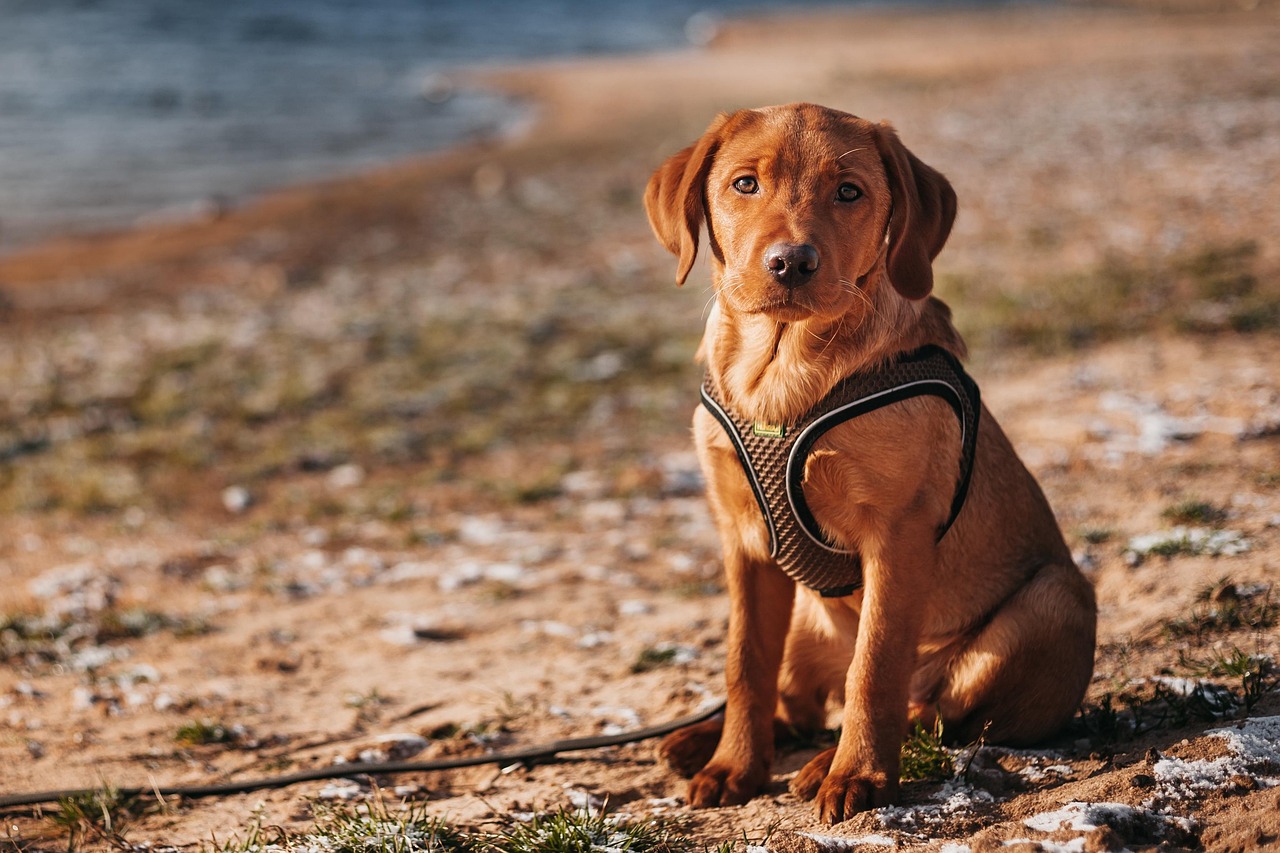
Selecting and adjusting a harness for a dog with laryngeal paralysis requires careful attention to anatomy. The goal of proper dog laryngeal paralysis harness adjustment is to transfer all pulling forces to the broad, sturdy bone structure of the sternum and ribcage, leaving the soft tissues of the throat completely untouched.
- Y-Shaped Front Plate Design: Select a harness featuring a deep “Y” shape across the front chest. The central junction of the harness straps must sit low on the breastbone (manubrium of the sternum), well below the throat. Avoid horizontal-strap harnesses (often marketed as basic “no-pull” chest bars) because the top strap can ride up and press directly against the trachea when the dog leans forward or lowers its head.
- Dual Connection Points: Premium harnesses feature leash attachment rings on both the back (dorsal) and front chest (ventral). A dorsal back ring spreads traction along the spine and ribcage during routine walking, while a ventral front ring can be used with a double-ended leash to gently redirect momentum without exerting rotational neck strain.
- Two-Finger Fit Clearance Standard: When adjusting straps, verify that you can fit two fingers comfortably beneath every panel while your dog is standing, sitting, and lying down. Straps that are too loose will slide upward toward the throat when the dog pulls; straps that are too tight restrict the lateral expansion of the ribcage necessary for cooling pants.
- Padded Chest and Belly Panels: Look for wide, padded chest plates made with neoprene or closed-cell foam. Wide straps distribute load force over a larger surface area, preventing focal pressure points when helping your dog over curbs, steps, or into vehicles.
For large-breed dogs or senior pets exhibiting hind-limb weakness associated with GOLPP, consider a full-body lifting harness system (such as the Help’mUp harness). These specialized systems include front and rear supportive slings, allowing you to lift and balance your dog’s full weight evenly without putting pressure on the chest, neck, or lower spine.
Home Cooling Protocols and Heat Exhaustion Prevention
Thermoregulation in canines relies heavily on panting. Because dogs possess sweat glands primarily on their paw pads, they cool themselves by rapidly moving air across the moist mucosal membranes of the tongue, mouth, and upper respiratory tract. This rapid airflow causes moisture to evaporate, carrying body heat away from blood vessels near the surface.
In a dog with laryngeal paralysis, this cooling mechanism is severely impaired. The restricted airway blocks normal air movement, meaning the dog cannot exchange heat efficiently. Furthermore, the intense muscular effort required to force air through a narrowed larynx actually generates substantial internal heat. As a result, affected dogs are exceptionally vulnerable to rapid, severe overheating, even in mild weather.
Canine Heat Exhaustion Prevention Strategies
Implementing effective canine heat exhaustion prevention strategies is vital to protect your dog during warm months or periods of high indoor humidity:
- Strict Climate Control: Maintain your home at a cool, controlled temperature (ideally between 68°F and 72°F). Use air conditioning rather than fans alone, as air circulation without humidity reduction does not cool panting dogs effectively.
- Strategic Exercise Timing: Restrict outdoor bathroom trips and exercise to early morning and late evening hours. Avoid taking your dog outside during peak sunlight hours. When ambient temperatures rise above 75°F or relative humidity exceeds 60%, limit outdoor exposure to brief 5-minute potty breaks.
- Cooling Gear and Rest Surfaces: Equipping your dog with an evaporative cooling vest or placing cooling gel mats in their favorite indoor resting areas can help lower body temperature. Ensure cooling neck collars sit loosely around the lower shoulders, never snug against the throat.
- Hydration Access and Temperature: Ensure constant access to clean, cool water. Avoid giving large quantities of ice-cold water immediately after exertion, as rapid gulping can lead to stomach upset or fluid inhalation. Slightly elevated water bowls can help minimize strain on the neck while drinking.
Emergency Cool-Down Protocol for Respiratory Distress
An overheating crisis in a laryngeal paralysis dog is a true medical emergency. Recognizing the signs early can save your dog’s life. Signs of severe thermal stress include dark red or blue/purple gums, thick sticky saliva, wide panicked eyes, extreme weakness, collapse, and loud, high-pitched whistling gasps (stridor).
If your dog enters severe respiratory distress or shows signs of heat stroke, execute the following emergency cool-down steps immediately while arranging transit to an emergency veterinary clinic:
- Move to Cool Air: Immediately move the dog into an air-conditioned room or directly in front of a vehicle’s cold air vent.
- Apply Cool Water (Never Ice Water): Pour room-temperature or cool tap water over the dog’s paw pads, lower abdomen, inner thighs, and groin. Never use ice or ice-cold water. Extremely cold water causes blood vessels in the skin to constrict (vasoconstriction), trapping core heat deep inside body organs and making internal overheating worse.
- Maximize Airflow: Direct an electric fan straight onto the wetted fur to speed up evaporative heat transfer.
- Monitor Temperature: If you can safely check rectal temperature, do so. Stop cooling measures once core temperature drops to 103.0°F to prevent hypothermic rebound.
- Transport immediately: Call ahead to the nearest veterinary emergency facility so they can prepare an oxygen cage, cooling setups, and sedatives prior to your arrival.
Medical Management vs. Surgical Intervention (Tie-Back)
When managing laryngeal paralysis, dog owners and veterinarians must weigh conservative medical management against surgical intervention. Understanding the benefits, risks, and daily requirements of each approach is crucial for making the right choice for your pet.
| Care Considerations | Conservative Medical Management | Surgical Tie-Back (Post-Op) |
|---|---|---|
| Primary Objective | Control inflammation, avoid triggers, restrict exertion, prevent hyperthermia. | Permanently pin open one side of the airway to restore airflow. |
| Airway Safety Profile | High risk of acute suffocation or severe heat distress during stress/heat. | Permanent risk of aspiration pneumonia due to open airway flap. |
| Exercise Tolerability | Strictly low-impact; short, slow leash walks in cool weather only. | Significantly improved stamina post-healing; swimming strictly prohibited. |
| Feeding Protocols | Standard diet, controlled eating speed, elevated bowls. | Strict soft-food meatball diet; elevated bowls; monitored drinking. |
| Medication Needs | Anti-inflammatories, anti-anxiety meds (trazodone), cough suppressants. | Post-op analgesics, short-term sedatives, antibiotics as indicated. |
Conservative medical management is usually chosen for dogs with mild early symptoms, owners who can strictly manage environmental conditions, or dogs with severe secondary medical issues that make general anesthesia high-risk. However, when conservative steps no longer prevent respiratory distress, cyanosis (blue/purple tongue), or fainting spells, surgery is often necessary.
The standard surgical procedure is Unilateral Arytenoid Lateralization (commonly called a tie-back procedure). During this surgery, a board-certified veterinary surgeon places permanent sutures to pull one of the paralyzed arytenoid cartilages back into a fixed open position. This clears the airway passage, allowing the dog to breathe freely. However, because one side of the larynx is pinned permanently open, the airway can no longer seal completely during swallowing, creating a lifelong risk for aspiration pneumonia.
Post-Op Recovery Protocols for Surgical Tie-Back Patients
Proper care during **laryngeal tie-back surgery recovery** is essential to protect internal sutures, promote proper healing, and prevent respiratory complications. The primary goal during the immediate recovery phase is allowing internal throat tissues to heal securely without tearing suture anchors, while managing the dog’s modified swallowing ability.
Immediate Post-Op Management (Days 1–14)
The initial two weeks after surgery are critical. Internal surgical sutures are holding sensitive throat tissue under constant tension. Follow these strict care guidelines:
- Strict Activity Confinement: Keep your dog on a single main level of your house. Block all staircases with baby gates and lay down non-slip rubber runners or yoga mats over smooth tile or hardwood floors. Slipping can cause sudden head twisting, which risks tearing fresh internal sutures.
- Vocalization Control: Barking, whining, or howling puts direct mechanical strain on the surgical site. Keep your home calm, close window blinds to block outside distractions, and administer veterinarian-prescribed sedatives (such as trazodone or gabapentin) on a strict schedule to keep your pet relaxed.
- Incision Site Inspection: Examine the surgical incision along the lower neck twice daily. Look for swelling, redness, warm tissue, or fluid drainage. Do not apply peroxide, ointments, or sprays unless explicitly directed by your surgeon.
- E-Collar Compliance: Keep a rigid plastic Elizabethan collar (cone) or approved hard recovery collar on your dog at all times to prevent scratching or rubbing at the neck incision.
Safe Feeding Strategies: Preventing Aspiration Pneumonia
Aspiration pneumonia occurs when food particles, liquid, or oral secretions bypass the open larynx and enter the trachea and lungs, causing severe bacterial infection. Because tie-back surgery leaves one side of the larynx permanently open, implementing specialized feeding strategies is essential for your dog’s safety.
Preparing Soft Meatball Meals
Dry kibble and runny liquids pose high aspiration risks for post-op dogs. Fine dry kibble dust can easily drift into the open windpipe during inhalation, while thin liquids flow rapidly past the back of the tongue before the dog can trigger a complete swallow.
Preparing dense, moist, single-portion food meatballs is the safest feeding method for post-op tie-back patients:
- Use Canned Loaf-Style Food: Select high-quality canned dog food with a smooth, firm, loaf-like texture. Scoop the food and roll it firmly between your hands into smooth, compact meatballs roughly the size of a golf ball or ping-pong ball (adjust size based on your dog’s mouth size).
- Soaked Kibble Puree Option: If using dry kibble, soak it completely in warm water until fully softened, then blend it in a food processor until smooth and sticky. Roll the mixture into firm meatballs, ensuring no dry crumbs remain.
- Controlled Hand-Feeding: Feed meatballs individually by hand. Offer one meatball at a time, allowing your dog to swallow completely and clear their throat before offering the next portion.
- Elevated Head Position: Feed your dog with their head held in a natural, neutral position or slightly elevated. Elevating the head slightly allows gravity to move food smoothly down the esophagus, reducing the need for hard swallowing efforts.
### Safe Hydration Management
Drinking open water can be challenging after tie-back surgery. Fast gulping of thin liquids frequently leads to choking, coughing, or silent aspiration. Use these strategies to keep your dog safely hydrated:
- Supervised Water Access: Do not leave large, deep water bowls out unattended during early recovery. Offer small amounts of fresh water throughout the day under direct observation.
- Ice Cubes and Gelatin-Thickened Water: Offer plain ice cubes or gelled water (prepared using plain, unsweetened gelatin) to provide hydration in a semi-solid form that is much easier for your dog to swallow safely.
- Monitoring Post-Meal Coughing: An occasional light throat-clear after eating or drinking can be normal. However, persistent coughing, throat rattling, or wet breathing sounds mean fluid or food may have entered the airway and require immediate veterinary attention.
Recognizing Post-Op Complications and Emergency Red Flags
Monitoring your dog closely during post-surgical recovery allows you to catch and treat complications early. Distinguishing normal healing from medical emergencies is crucial for your pet’s recovery.
Identifying Aspiration Pneumonia
Aspiration pneumonia can develop rapidly within 12 to 48 hours after inhaling food or fluid. Contact your veterinarian or emergency clinic immediately if your dog displays any of these signs:
- Lethargy, depression, or sudden loss of appetite
- Fever (rectal temperature above 102.5°F)
- Frequent, wet, rattling, or productive coughing
- Elevated resting respiratory rate (more than 30 breaths per minute while sleeping peacefully)
- Nasal discharge, particularly thick white, yellow, or green mucus
Detecting Surgical Suture Failure
If the internal suture securing the cartilage breaks or pulls free (surgical breakdown), the airway will narrow back toward its pre-surgery state. Watch for these signs of suture disruption:
- Sudden return of harsh, noisy breathing sounds (stridor) while resting
- Increased breathing effort, chest flaring, or pale/blue-tinted gums
- Loss of voice or a sudden return to a strained, raspy bark
Long-Term Management and Lifestyle Modifications
Managing a dog with laryngeal paralysis—whether through conservative medical care or surgical tie-back—requires permanent adaptations to your daily routine. With these adjustments in place, affected dogs can live comfortable, happy lives for years.
Permanent Environmental Rules
- Strict No-Swimming Rule: Post-surgical tie-back patients must never be allowed to swim. Because the airway can no longer seal shut, water entering the mouth will pour directly into the lungs, leading to rapid drowning or fatal aspiration pneumonia.
- Air Quality Control: Keep your home free from airborne irritants like cigarette smoke, incense, aerosol sprays, essential oil diffusers, and fireplace dust. Airway irritation triggers coughing and inflammation that can compromise breathing.
- Weight Management: Maintain your dog at an ideal body condition score (BCS 4/9 to 5/9). Excess body fat increases chest wall weight and respiratory workload, worsening air turbulence and bodily heat production.
- Managing Neuropathy (GOLPP): Recognize that hind-leg weakness may progress slowly over time. Place non-slip rugs, foam play mats, or toe grips throughout your home to maintain mobility and prevent slips that cause anxiety or overexertion.
Frequently Asked Questions
Can a dog live a normal life with laryngeal paralysis without surgery?
Yes, many dogs with mild to moderate laryngeal paralysis live comfortably for years using conservative management. Success requires strict indoor temperature control, stress reduction, using chest harnesses exclusively, maintaining a healthy body weight, and avoiding strenuous exercise in warm weather. However, if airway obstruction becomes severe or leads to frequent respiratory crises, surgical tie-back is strongly recommended.
How long does recovery take after canine laryngeal tie-back surgery?
Initial surgical incision healing and internal suture stabilization take about 10 to 14 days, during which strict confinement is required. Full adaptation to new swallowing patterns and complete recovery typically takes 4 to 6 weeks. However, lifetime precautions regarding soft-food feeding methods and strict swimming prohibitions remain in place permanently.
What is the success rate of laryngeal paralysis tie-back surgery?
Unilateral arytenoid lateralization has a high success rate in relieving acute airway obstruction, with over 85–90% of owners reporting significant improvements in breathing comfort and overall quality of life. The primary lifelong risk following surgery is aspiration pneumonia, which occurs in roughly 10–20% of cases over the dog’s lifetime.
Why is my dog still coughing after tie-back surgery?
Occasional mild throat clearing or soft coughing can occur after eating or drinking because one side of the airway remains permanently open. However, persistent, harsh, or wet coughing is abnormal and suggests fluid or food may have entered the airway. Contact your veterinarian promptly to check for early signs of aspiration pneumonia.
What soft foods are best for dogs recovering from tie-back surgery?
High-density, loaf-style canned foods that can be easily shaped into smooth, firm meatballs are ideal. You can also soak dry kibble completely in warm water and blend it into a thick, uniform paste before rolling it into meatballs. Avoid foods with loose dry crumbs, thin watery gravies, or large hard chunks that could trigger choking or coughing.
Can my dog wear a collar after laryngeal tie-back surgery?
No, dogs diagnosed with laryngeal paralysis should never wear standard neck collars for walking or restraint. Even after successful tie-back surgery, pressure on the neck can damage internal surgical repairs, irritate sensitive throat tissues, and cause severe respiratory distress. Always use a low-fitting, padded Y-shaped chest harness.
Final Outlook for Dog Owners
Managing canine laryngeal paralysis requires diligence, calm oversight, and quick adaptation to daily routine changes. By replacing neck collars with properly adjusted harnesses, maintaining active cooling protocols, and adhering strictly to safe soft-food feeding techniques during post-op recovery, you provide your senior dog with a safe environment to breathe easily and thrive alongside your family.