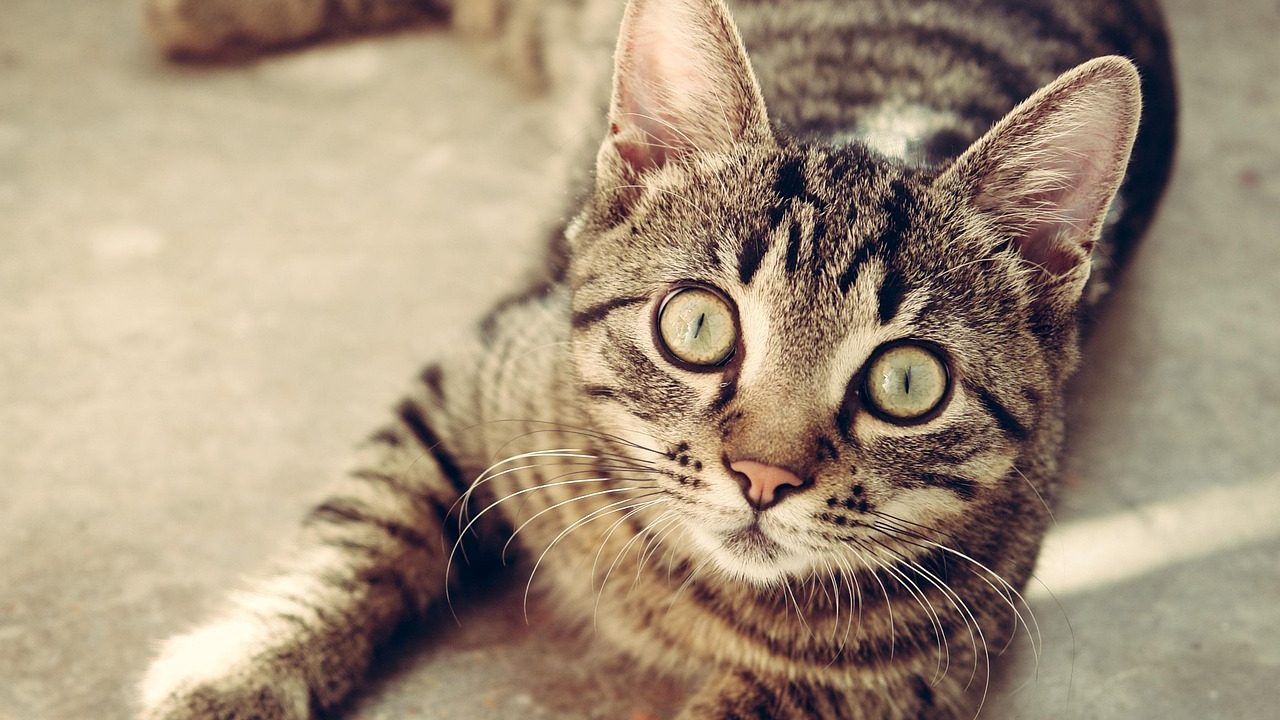
When you first bring home a compression garment for your feline companion—whether it is a thunder vest for cats during seasonal thunderstorms or a specialized feline recovery suit following a medical procedure—you are asking your cat to accept a foreign sensation. Following a reliable cat calming vest adjustment guide helps ensure you approach this transition safely. Cats are remarkably sensitive to tactile changes. A snug fabric wrap alters their sense of balance, restricts minor movements if improperly fitted, and can trigger an immediate freeze-and-drop response if introduced too quickly. Beyond the physical sensation, cats rely heavily on predictability in their environment. Introducing a restrictive piece of clothing into their daily routine requires a thoughtful, deliberate approach that honors their natural instincts, respects their personal boundaries, and accounts for their unique evolutionary history as both predators and prey animals.
Successfully navigating a cat calming vest adjustment guide means looking past the quick fix and committing to a deliberate, low-stress desensitization process. Rushing this transition often leads to panic, frantic rolling, aggressive clawing at the fabric, or heightened stress that defeats the purpose of the garment entirely. By taking a measured, veterinary-backed approach, you can help your cat accept the apparel safely and comfortably while minimizing any anxiety associated with dressing or handling. Understanding the psychology of feline touch is the first and most critical step in establishing a harmonious relationship with any anxiety or medical garment.
Understanding Why Cats Resist Compression Garments
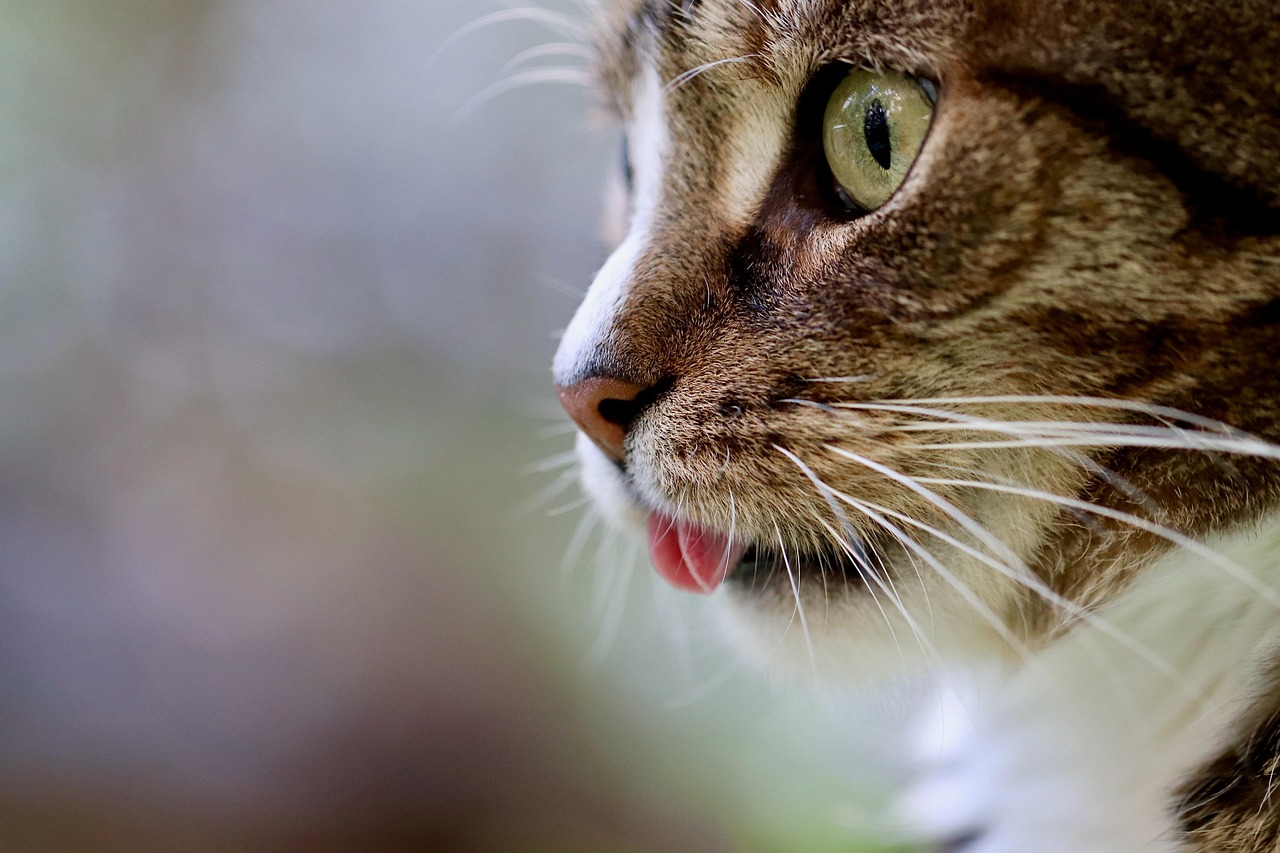
To help your cat adjust, it helps to understand how felines process tactile input. A cat’s whiskers, guard hairs, and skin are exceptionally sensitive sensory organs. These specialized hairs, known as vibrissae, not only grow on their cheeks and muzzle but are also scattered subtly across their legs and torso, providing real-time feedback about their immediate environment. When a garment applies constant, gentle pressure across the torso, it mimics the therapeutic swaddling used for humans or dogs, which can stimulate the nervous system to release calming neurotransmitters like serotonin and oxytocin. However, many cats interpret this sudden pressure as a threat, similar to being pinned down by a predator in the wild or cornered by another animal in an enclosed space.
When a sensitive cat experiences this sensation without proper preparation, their sympathetic nervous system shifts into high gear. You might notice your cat dropping flat to the floor, refusing to walk, walking backward in a clumsy stutter-step, or frantically trying to wriggle out of the fabric. Recognizing that this reaction is rooted in evolutionary fear rather than stubbornness is the absolute first step toward building a positive association and protecting your bond with your pet. When a cat freezes or panics, forcing them to endure the sensation without an escape route or positive reinforcement can erode their trust in your handling.
Furthermore, cats rely heavily on their proprioceptive system—the body’s internal ability to sense its position in space—and their tactile hairs to navigate their surroundings. A bulky, tight, or unfamiliar garment interrupts these internal feedback loops. The sudden change in weight distribution along the spine and flanks can disorient them, leading to temporary unsteadiness or reluctance to jump onto familiar surfaces like couches, beds, or cat trees. Understanding this neurological and behavioral reality ensures that you approach the introduction with empathy, patience, and realistic expectations rather than frustration or scolding. Patience during these early minutes prevents long-term aversion to the garment.
Choosing the Correct Size and Material
A safe, effective experience starts with the right garment. Ill-fitting apparel is the single most common reason cats reject compression wraps or recovery suits. A garment that is too tight can restrict breathing, pinch sensitive skin in the armpits, or chafe delicate areas around the belly and groin. Conversely, a garment that is too loose will shift around, causing your cat to trip or easily slip a limb through the neck hole, which creates an immediate entanglement hazard and undermines the gentle pressure needed for anxiety relief. Finding that precise middle ground requires careful measurement rather than relying solely on arbitrary breed estimates.
Most manufacturers provide weight-based sizing charts, but measuring your cat with a soft sewing tape is far more accurate because feline body types vary wildly across breeds, ages, and builds. Key measurements you should take before purchasing include:
- Neck Circumference: Measure around the base of the neck where the collar naturally sits, ensuring you can comfortably slip two fingers underneath the tape to guarantee it will not constrict the airway or press against the delicate windpipe during movement.
- Chest Girth: Measure around the widest part of the ribcage, just behind the front legs, while your cat is standing squarely on all four paws. This is the most critical dimension for pressure consistency and garment stability.
- Back Length: Measure along the spine from the base of the neck down to the base of the tail to ensure full coverage without overlapping the tail-set or restricting normal tail movement, which is vital for feline balance and communication.
Look for lightweight, breathable, and stretchy fabrics such as cotton-spandex blends or high-grade medical textiles. Avoid heavy fleece, thick wool, or non-porous synthetic materials that trap body heat and moisture, especially if you are using a post-surgical recovery suit where maintaining a stable body temperature is critical for proper healing and infection prevention. Breathability also reduces the likelihood of static electricity buildup, which can startle sensitive cats and create an unexpected aversion to the garment based purely on minor electrical shocks.
The Multi-Day Habituation Schedule
Never place a calming vest or recovery suit directly onto an unconditioned cat and leave them unattended. Instead, use a gradual habituation schedule spread across several days. This allows your cat’s brain to process the new object as safe, predictable, and rewarding rather than threatening. Taking this methodical approach drastically reduces cortisol spikes and ensures a smoother transition for even the most sensitive feline personalities.
Day 1: Scent and Neutrality. Place the garment in your cat’s favorite sleeping area, near their food bowls, or draped over their cat tree. Let them sniff it, rub against it, and investigate it entirely on their own terms. You can place a few high-value treats on or near the fabric to encourage positive curiosity and create an immediate mental link between the garment and delicious rewards without any handling pressure.
Day 2: Short Draping Sessions. Pick up the garment and hold it near your cat while offering a treat. Gently drape the fabric loosely over their back for just ten to fifteen seconds without fastening any straps or Velcro. Remove it immediately, offer verbal praise, and reward them with another treat. Repeat this two or three times throughout the day, keeping sessions exceptionally brief and upbeat.
Day 3: First Fastening. Put the garment on your cat and secure the closures loosely. Leave it on for no more than two to three minutes. Distract them immediately with an interactive feather wand toy, a gentle brushing session, or a lickable treat pouch to redirect their attention away from the fabric. As soon as the time is up, calmly remove the vest before any stress signs emerge.
Days 4 and Beyond: Incremental Increases. Gradually increase the wear time by five to ten minutes each day, provided your cat remains calm and relaxed. Watch for steady breathing, normal blinking, and a willingness to eat, drink, or play normally while wearing the wrap, ensuring they are fully comfortable before leaving them in it for extended stretches.
Monitoring for Skin Irritation and Chafing
Even when a garment fits well, extended wear requires vigilant daily monitoring. Cats have thin, delicate skin underneath their dense fur that can easily chafe, develop mats, or react negatively to synthetic fibers or trapped dander. Make it a daily habit to remove the vest entirely and inspect your cat’s skin thoroughly under good lighting, checking for any subtle changes in skin texture, temperature, or oiliness that might indicate friction.
Pay special attention to high-friction zones where movement generates constant pressure and rubbing:
- The armpits and inner shoulders where front leg movement creates continuous friction against seams, tags, and garment bindings
- The lower belly and groin area on recovery suits, particularly around surgical incision sites where sutures, surgical staples, or tender skin add sensitivity
- Around the neck opening where tight closures or overlapping fabric can apply direct, concentrated pressure to the cervical spine
If you notice any redness, hair loss, skin abrasions, or raw spots, remove the garment immediately and give the skin time to heal completely before attempting to use it again. Ensure your cat’s fur is clean, brushed out, and completely dry before putting any garment back on, as trapped moisture quickly leads to hot spots, skin irritation, or fungal growth that requires veterinary intervention.
Managing Post-Surgical Recovery Suits Specifically
If you are using a recovery suit after a spay, neuter, mass removal, or abdominal surgery, your goals differ slightly from managing generalized anxiety or thunderstorm phobias. While anxiety vests can often be removed for intermittent breaks during calm periods, post-surgical suits usually need to remain on continuously to prevent your cat from licking, chewing, or contaminating sensitive incision sites that require a sterile or protected environment to heal safely without complications.
Because these suits must stay on for extended stretches, choose designs that feature snap-open or velcro flaps near the rear. This specialized design allows you to open the flap for the litter box without removing the entire suit, minimizing stress during the recovery window. Always supervise your cat during their first few trips to the litter box while wearing the suit to ensure they do not accidentally soil the fabric, which would require an immediate clothing change and cleaning to prevent bacterial exposure to the healing wound. Keep extra suits on hand so you can cycle them through the wash regularly.
Troubleshooting Common Adjustment Challenges
Even with a careful, patient introduction, you may run into occasional roadblocks during the habituation process. Here is how to handle the most common issues:
The Freeze Response: If your cat drops flat to the floor and refuses to move, do not yell, scold, or physically drag them forward. Instead, use a favorite interactive toy or a spoon of enticing food to lure them out of the freeze state. Keep the session very short—even thirty seconds of voluntary movement is a major victory.
Frantic Grooming or Chewing: If your cat spends all their energy trying to chew or claw off the fabric, they are either overwhelmed by the tactile sensation or the garment is the wrong size. Remove the suit immediately, let them decompress in a quiet room, and step back in the habituation schedule.
Escaping the Garment: If your cat regularly wriggles out of the wrap, check the fastener tension. It should be snug enough that you can slip just one finger underneath the fabric comfortably, but no looser. If they can pull their legs inside, the armholes are too large.
When to Take a Break and Reassess
Patience is the ultimate metric for success when working with sensitive felines. If your cat displays persistent distress signs—such as open-mouth breathing, frantic vocalization, excessive drooling, or aggressive swatting—take off the garment and stop the session immediately. Some cats simply do not tolerate compression wraps well, and forcing the issue can permanently damage their trust in you.
Consult your veterinarian or a certified feline behavior consultant if anxiety or post-surgical licking persists and alternative management strategies, such as environmental modifications or veterinary-prescribed calming medications, are required to keep your cat safe and comfortable.
Frequently Asked Questions About Feline Compression Garments
Can my cat sleep in a calming vest or recovery suit?
In many cases, yes, provided your cat is completely comfortable during the day and has successfully worn the garment for several hours without showing signs of stress or chafing. For post-surgical recovery suits, overnight wear is often necessary to prevent nighttime licking. Always check the skin daily for any signs of rubbing.
How do I wash and maintain the garment?
Most cotton-spandex blends and recovery suits are machine washable. Use a gentle, fragrance-free detergent to avoid irritating your cat’s sensitive skin or overwhelming their keen sense of smell. Hang dry or tumble dry on low heat to prevent shrinking, which would alter the fit.
Are anxiety vests safe to leave on while I am away from home?
No. You should never leave a cat unsupervised in a calming vest or anxiety wrap until you are completely certain they tolerate it without trying to wriggle out, chew the fabric, or get stuck in household objects. For recovery suits prescribed by a vet, unsupervised wear is acceptable only if the fit has been professionally verified.