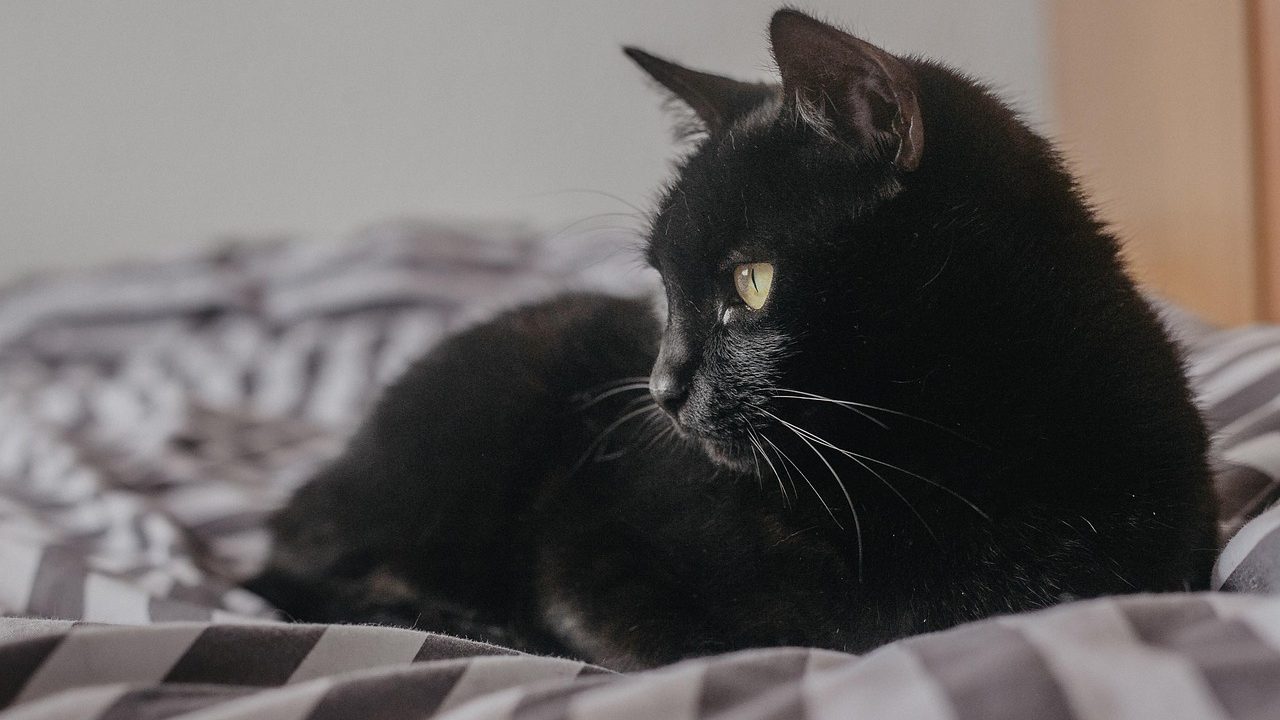
Grooming an aging feline requires patience, observation, and a willingness to adapt your routine. When cats develop arthritis, routine maintenance like coat brushing, nail trimming, and tangle prevention can quickly shift from a comforting bonding ritual into a stressful, painful ordeal. Because senior cats often hide joint pain until it becomes severe, pet owners need a reliable senior cat grooming comfort guide to spot early warning signs and adjust their handling techniques accordingly. By understanding how feline mobility changes over time and modifying your approach, you can keep your senior cat’s coat healthy while protecting their sensitive joints.
Understanding Arthritis and Feline Mobility Limitations
Arthritis is remarkably common in older cats, though it rarely presents as an obvious limp the way it might in dogs. Instead, cats tend to compensate by leaping less frequently, hesitating before jumping onto furniture, or sleeping in lower, more accessible spots. Over time, cartilage in the joints wears down, causing inflammation, stiffness, and chronic discomfort.
This loss of flexibility directly impacts a cat’s ability to groom themselves. Healthy cats use their flexible spines and limbs to reach their lower backs, flanks, and hind legs. When arthritis sets in, these contortions become painful. As a result, you may notice mats forming along the lower spine, a dull or unkempt coat, and dandruff or greasy fur in areas the cat can no longer comfortably clean.
Recognizing these limitations is the first step toward building a compassionate grooming routine. When you understand that your cat isn’t being uncooperative out of stubbornness, but rather reacting to physical pain, your entire perspective on coat care shifts. Instead of trying to complete a marathon grooming session all at once, you learn to work within your cat’s physical thresholds.
How Feline Anatomy Influences Joint Pain
To truly understand why grooming becomes difficult, it helps to look at the skeletal structure of an aging cat. Felines rely heavily on the elasticity of their spine and the fluid movement of their shoulders and hips. In an arthritic cat, cartilage degradation causes bone-on-bone friction within the elbow, hip, stifle (knee), and spinal facets.
When you reach for your cat’s flanks or brush near their tail base, you are asking those compromised joints to flex or remain stable under pressure. If a cat feels a sharp twinge of pain every time you touch a certain area, they will naturally tense up, try to twist away, or react defensively. Knowing this anatomical reality helps you approach your cat with empathy, ensuring your touch is always light, deliberate, and supportive.
Spotting Early Joint Discomfort During Routine Handling
Grooming sessions provide an ideal opportunity to monitor your cat’s physical health. Because you are hands-on with their fur and skin, you can detect subtle shifts in their comfort levels long before a major mobility crisis occurs. Paying close attention to your cat’s body language during brushing will tell you exactly when to pause or stop.
Watch for micro-expressions of tension. A sudden twitch of the tail, flattened ears, rippling skin along the back, or a sharp turn of the head toward the brush are all clear indicators that your touch is causing discomfort. Cats with arthritis are often particularly sensitive around the hips, lower back, shoulders, and elbows. If your cat pulls away or groans softly when you reach for their hindquarters, take note of that specific trigger zone.
It is also helpful to monitor how your cat transitions into and out of the grooming area. Do they struggle to stand up after lying down? Do they lean heavily to one side? Documenting these observations can give your veterinarian valuable context during routine wellness exams, helping them fine-tune pain management plans or joint-support supplements.
Behavioral Red Flags Outside of Grooming
While handling your cat during coat care is a great diagnostic tool, feline joint pain also manifests in daily habits. Keeping an eye out for these subtle shifts will help you gauge whether your cat’s arthritis is worsening:
- Litter box hesitations: High-sided litter boxes require deep steps and awkward squatting. If your cat misses the box or hesitates before entering, joint pain is a likely culprit.
- Reduced vertical exploration: Giving up favorite high perches, windowsills, or the top of the refrigerator overnight is a classic sign of jumping discomfort.
- Stiff waking routines: Notice how your cat moves after a long nap. If they take several steps with a stiff gait or rounded back before loosening up, their joints are feeling the effects of stiffness.
- Neglected grooming zones: Noticeable dandruff or mild matting strictly along the lower back and tail head usually indicates the cat can no longer twist to reach those areas.
Setting Up an Ergonomic and Padded Grooming Space
Hard surfaces like kitchen counters, wooden floors, or standard tabletops are slippery and unforgiving on aging joints. When an arthritic cat has to stabilize themselves on a slick surface while you brush them, their muscles tense up, worsening joint fatigue and increasing anxiety.
To create an optimal grooming environment, start by choosing a secure, low-traffic area in your home where your cat already feels safe. Avoid high tables that require a jump or a stressful lift. Instead, use a stable, low-profile surface like a bed, a sturdy ottoman, or a padded floor mat.
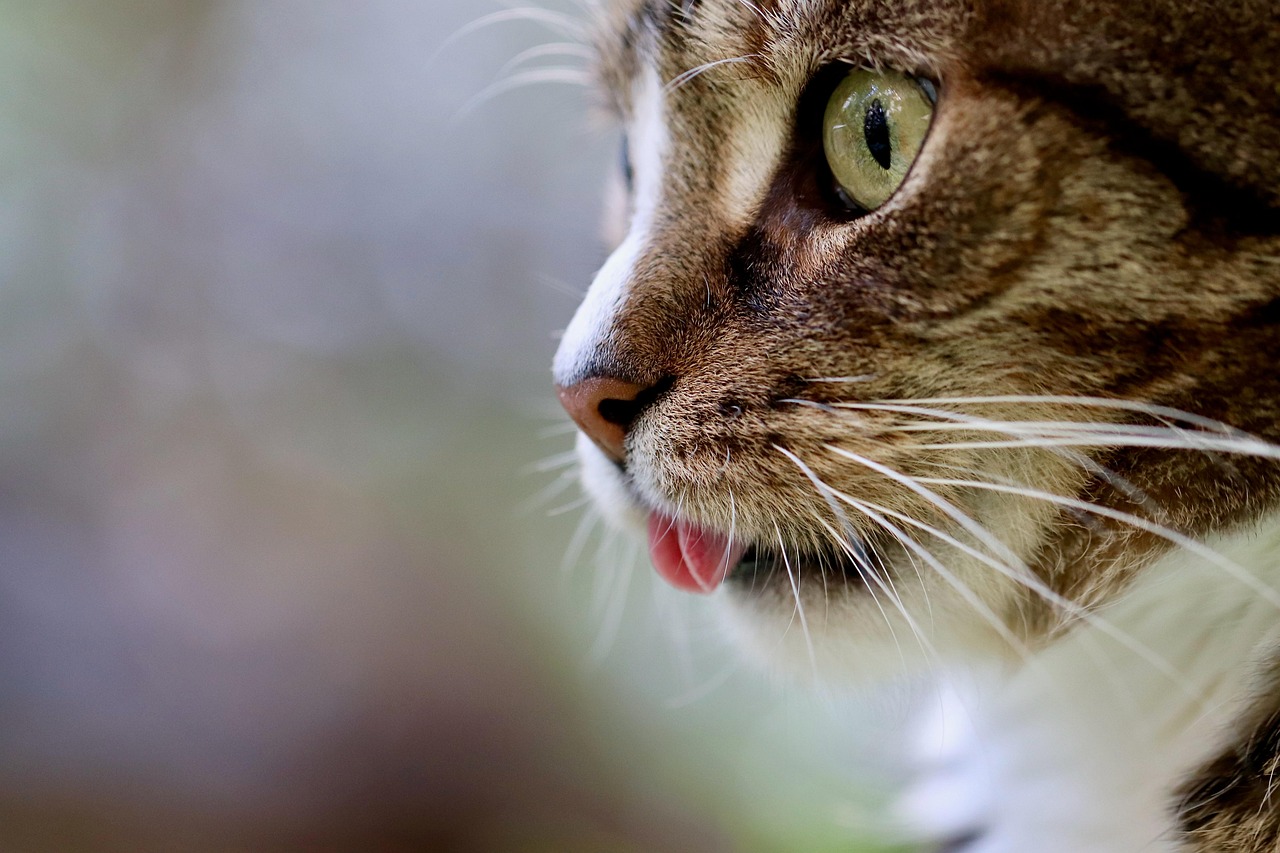
Cover your chosen surface with a thick, non-slip mat or a folded memory-foam pet bed wrapped in a soft towel. This extra padding absorbs pressure points and gives your cat’s paws traction, helping them stay relaxed and balanced. If your cat prefers staying on the floor, simply sit down next to them on a comfortable cushion so you can match their level without awkwardly bending over.
Optimizing Lighting and Ambient Temperature
Beyond physical padding, the environmental atmosphere plays a massive role in senior cat comfort. Cold, drafty rooms cause arthritic joints to seize up and ache more intensely, just as they do in humans. Ensure the grooming room is comfortably warm and free of chilly drafts from windows or air conditioning vents.
Good lighting is equally critical. You need to see the skin clearly to spot early mats, minor skin irritations, flaky dandruff, or small parasites that might be hiding beneath the fur. Natural daylight near a low window or a soft, adjustable desk lamp angled away from the cat’s face will give you the visibility you need without overwhelming their sensitive eyes.
Choosing the Right Tools for Gentle Brushing
Traditional grooming tools designed for thick or double-coated cats can be far too harsh for a senior cat’s thinning skin and sensitive joints. Heavy metal slicker brushes with sharp pins can scratch fragile skin and pull painfully on underlying knots if used with too much pressure.
Look for grooming tools that emphasize a softer touch. Rubber curry brushes are fantastic for short-haired senior cats; they gently massage the skin, stimulate natural oil production, and remove loose hair without putting excessive pressure on the underlying bone structure. For long-haired cats, opt for wide-toothed metal combs with rounded tips that glide through fur rather than dragging against the skin.
When using any tool, keep your wrist loose and use short, gentle strokes. Always support the area of the body you are working on with your free hand. For example, if you are brushing your cat’s shoulder, place your palm gently against the opposite side of their body to provide stability so the brushing motion doesn’t jostle their joints.
Evaluating Tool Options for Thin Skin
As cats age, their skin loses elasticity and thickness, making them prone to minor tears and bruises. Here is a quick breakdown of how different tools stack up for senior feline care:
- Rubber Curry Brushes: Excellent for short coats. They mimic the texture of a mother cat’s tongue, creating a soothing massage while lifting loose hair effortlessly.
- Wide-Toothed Metal Combs: Ideal for detecting early tangles in medium-to-long coats. The rolling or rounded tips prevent scratching.
- Soft-Bristle Brushes: Good for finishing touches and distributing natural oils, though they struggle to penetrate dense undercoats on their own.
- Avoid Fine-Toothed Flea Combs for General Grooming: These catch tightly on fragile skin folds and pull aggressively on stiff joints if used across the entire body.
Step-by-Step Technique for Pain-Free Grooming
Modifying your brushing technique can dramatically improve your cat’s tolerance for grooming. Follow these foundational steps to keep sessions comfortable and productive:
- Keep sessions brief: Limit brushing to three to five minutes at a time. It is far better to groom your cat for a few minutes every day than to attempt a thirty-minute session once a week.
- Follow the natural grain: Always brush in the direction of hair growth. Never pull backward against the coat, as this tugs sensitive skin and stresses arthritic joints.
- Focus on high-yield zones: Prioritize areas where mats form most easily, such as behind the ears, under the chin, and along the upper flanks. If your cat cannot reach their hind end, gently maintain that area and leave difficult lower-body tangles for a professional groomer or veterinary technician.
- Support the joints: Never lift or pull a cat’s limbs to access hard-to-reach spots. If you cannot brush an area comfortably without moving a stiff leg, skip it and consult your vet.
Handling Sensitive Zones Safely
Different parts of a senior cat’s body require customized handling techniques to prevent joint strain:
When addressing the head and neck, you can use gentle circular motions with your fingertips or a soft rubber brush. Cats generally tolerate this well because these joints experience less weight-bearing stress. However, move down toward the shoulders and chest with extreme care, keeping your supporting hand cupped underneath the chest wall to stabilize their torso.
When you reach the mid-back and flanks, avoid pressing down onto the spine. Instead, stroke horizontally across the ribs, moving outward toward the edges of the coat. If your cat shows any sign of irritation near the hips or tail base, stop immediately and shift your attention back to a neutral, well-tolerated zone like the chin or cheeks.
Positive Reinforcement and Stress Reduction
For many senior cats, grooming has become associated with physical discomfort, leading to anticipatory stress. Rebuilding a positive association takes time, patience, and high-value rewards.
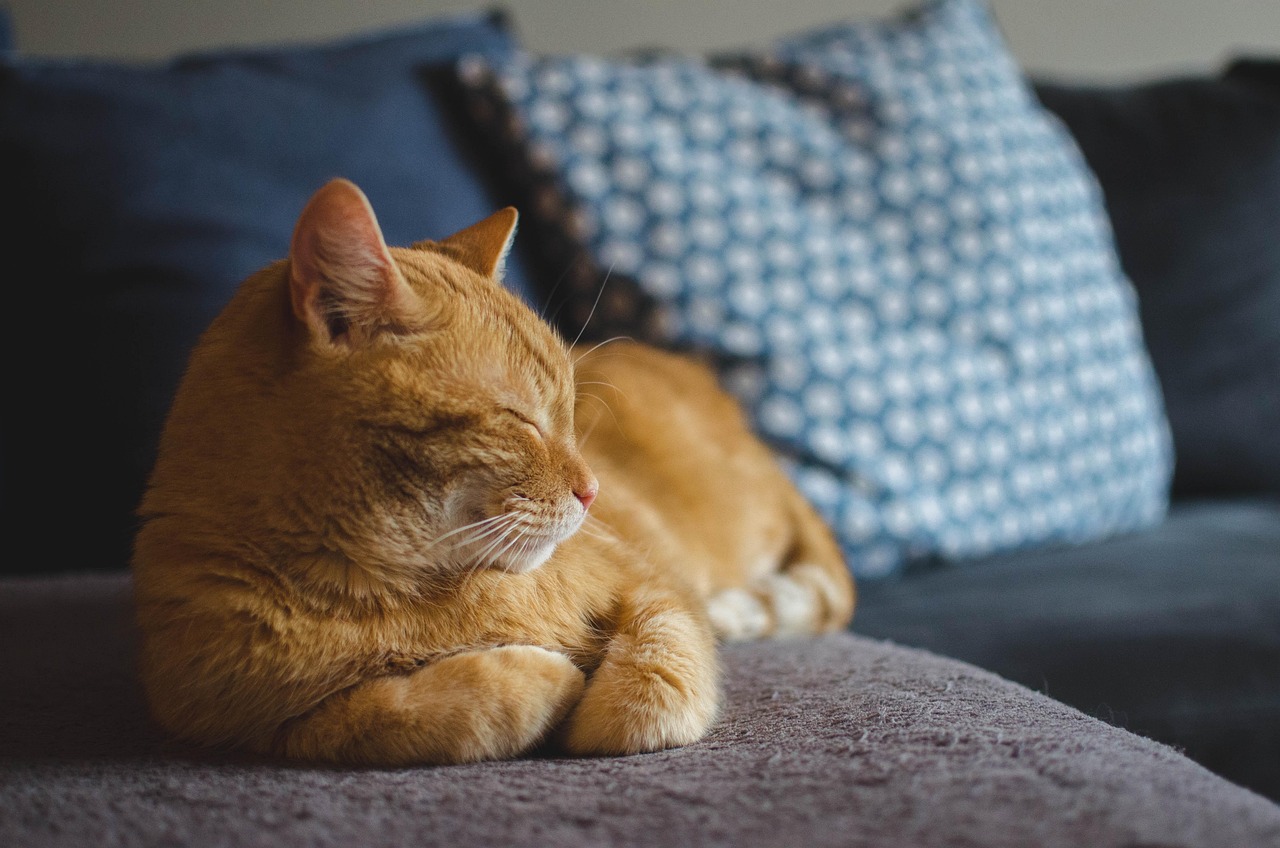
Introduce positive reinforcement by pairing grooming sessions with something your cat genuinely loves, such as a high-value lickable treat or freeze-dried meat snack. Offer a tiny taste of the treat before you even pick up the brush, letting them know that the grooming area is a source of good things. Praise them softly in a calm, steady tone throughout the process.
If your cat shows signs of agitation—such as tail flicking, dilated pupils, or restless shifting—stop immediately. Do not try to push through their resistance. Pushing past a cat’s stress threshold only reinforces the idea that grooming is an unpleasant and forced experience. Give them a break, let them walk away, and try again later when they are calm.
Building a Predictable Routine
Cats thrive on predictability, especially as their sensory processing and cognitive functions age. Try to conduct your grooming sessions at the exact same time every day—perhaps right after a warm morning nap when their muscles are naturally relaxed. Keeping the environment quiet by turning off loud televisions or music also prevents sensory overload, helping your cat stay grounded and calm.
Working With Your Veterinarian on Pain Management
Home grooming adjustments can only go so far if your cat’s underlying arthritis is unmanaged. True comfort starts from the inside out. If you notice that your cat remains resistant to grooming despite a padded surface, gentle tools, and short sessions, schedule a consultation with your veterinarian.
Modern veterinary medicine offers several safe and effective ways to manage feline arthritis, ranging from joint-supportive nutritional supplements containing omega-3 fatty acids to prescription pain medications and monthly monoclonal antibody injections. When your cat’s joint pain is properly controlled, their overall mobility improves, making them far more tolerant of routine handling and coat maintenance.
Be sure to discuss your cat’s grooming challenges during your visit. Your veterinary team can also evaluate whether your cat has underlying skin conditions, dental pain, or muscle atrophy that might be compounding their sensitivity during everyday care.
Medical Therapies to Discuss With Your Vet
When preparing for your veterinary visit, compile a list of specific observations regarding your cat’s grooming habits and mobility. Modern interventions can include:
- Nutritional supplements: Glucosamine, chondroitin sulfate, and high-purity omega-3 fatty acids derived from green-lipped mussel oil to support cartilage health.
- Targeted anti-inflammatories: Prescription non-steroidal anti-inflammatory drugs (NSAIDs) formulated specifically for feline metabolism, prescribed under strict veterinary oversight.
- Monoclonal antibody therapies: Monthly injectable treatments that specifically target nerve growth factor involved in osteoarthritis pain pathways.
- Environmental modifications: Professional guidance on ramps, low-entry litter boxes, and strategic bedding placement around the home.
When to Delegate to Professionals
There are times when DIY grooming is simply too taxing for an arthritic senior cat, no matter how gentle your approach may be. If your cat develops severe matting close to the skin, has extremely fragile skin due to age or medication, or becomes aggressive out of pain, it is time to call in professional help.
Ask your veterinarian for recommendations for a groomer experienced in handling senior or special-needs pets. Alternatively, veterinary clinics often provide gentle medical grooming services where technicians can safely shave out painful mats or trim nails while monitoring your cat’s vital signs and joint comfort.
Delegating these more difficult tasks preserves your positive bond with your cat. Instead of wrestling with stubborn mats and damaging your relationship, you can focus on gentle petting, quiet companionship, and administering daily joint care.
Maintaining Long-Term Comfort for Your Senior Cat
Caring for an aging cat with arthritis is an ongoing journey of adaptation. As your cat’s mobility evolves, your grooming routine should evolve right along with it. By combining soft, padded surfaces, ergonomic handling, appropriate tools, and veterinary guidance, you can ensure that your senior cat stays clean, comfortable, and deeply bonded with you through their golden years.
Frequently Asked Questions
How often should I groom an arthritic senior cat?
Short, daily sessions lasting two to three minutes are much better than long weekly grooming marathons. Daily brushing prevents minor knots from turning into painful mats without exhausting your cat’s physical endurance.
What should I do if my cat gets aggressive during brushing?
Aggression during grooming is almost always a defensive reaction to pain or extreme stress. Stop immediately, give your cat space, and do not force the issue. Consult your veterinarian to check for underlying joint pain or skin sensitivity.
Can I use human hairbrushes on my senior cat?
It is best to avoid human hairbrushes, as their bristles are typically too stiff or closely spaced for feline skin. Specialized pet grooming tools with rounded pins or flexible rubber tips offer much better protection against skin irritation.