When an older central heating boiler starts leaking water, making strange banging noises, or failing to adequately heat your home on the coldest morning of the year, you face a familiar and stressful dilemma. Do you call a technician for another patch job, or is it time to tear out the old iron monster and install a modern heating system? Evaluating boiler repair vs replacement cost is rarely as simple as comparing a technician’s estimate for a new part against a quote for a brand-new unit. You have to factor in the remaining lifespan of your current equipment, the hidden costs of plumbing and gas line retrofits, and the long-term energy efficiency gains of modern technology.
For homeowners with older hydronic heating systems—whether cast iron radiators, baseboard loops, or radiant floor tubing—understanding the economic tipping point prevents you from throwing good money after bad. This guide breaks down the true financial and operational trade-offs of repairing versus replacing your home’s central boiler, helping you navigate contractor proposals with confidence and clarity.
The Anatomy of an Aging Hydronic System
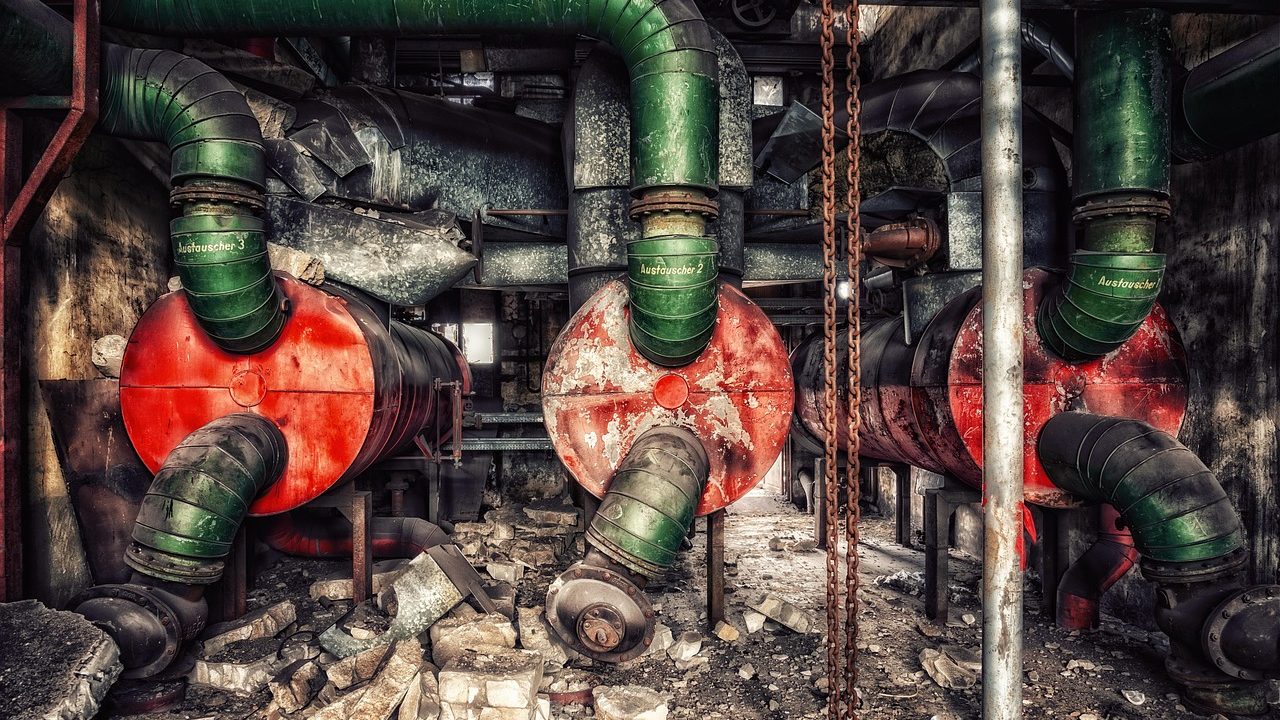
Hydronic heating systems, which use water or steam to distribute heat throughout a house, are known for their remarkable longevity. Traditional cast iron boilers, in particular, are built like tanks. Unlike forced-air furnaces that often burn out after fifteen or twenty years, a well-maintained cast iron boiler can easily operate for thirty years or more. However, longevity does not mean immunity to wear and tear.
Over decades of service, the peripheral components of the system fail long before the heavy iron heat exchanger gives out. Circulator pumps seize up, expansion tanks waterlog, zone valves stick open or closed, and pressure relief valves begin to leak. These component failures are standard maintenance events. Replacing a circulator pump or an aquastat is a routine repair that makes absolute financial sense, even on a fifteen-year-old boiler. The calculus changes dramatically, however, when the failure involves the pressure vessel itself—such as a cracked cast iron section or a leaking internal manifold.
Understanding how water circulates through your home helps contextualize these failures. In a closed-loop system, water is continuously heated, pumped through piping, and returned to be reheated. Over time, air enters the system, minerals precipitate out of the water, and sludge accumulates in low-flow areas. When homeowners fail to service expansion tanks or bleed air vents regularly, the pressure fluctuations place undue stress on older cast iron sections, accelerating fatigue and leading to unexpected fractures.
Furthermore, the configuration of the piping network matters immensely. Older gravity-feed systems or single-pipe main loops operate under different fluid dynamics than modern multi-zone circulator pump setups. When evaluating whether to sink money into an aging chassis, a technician must inspect not just the boiler cabinet, but the entire mechanical room infrastructure, including air separators, backflow preventers, and expansion tanks.
Evaluating Cast Iron Boiler Repairs
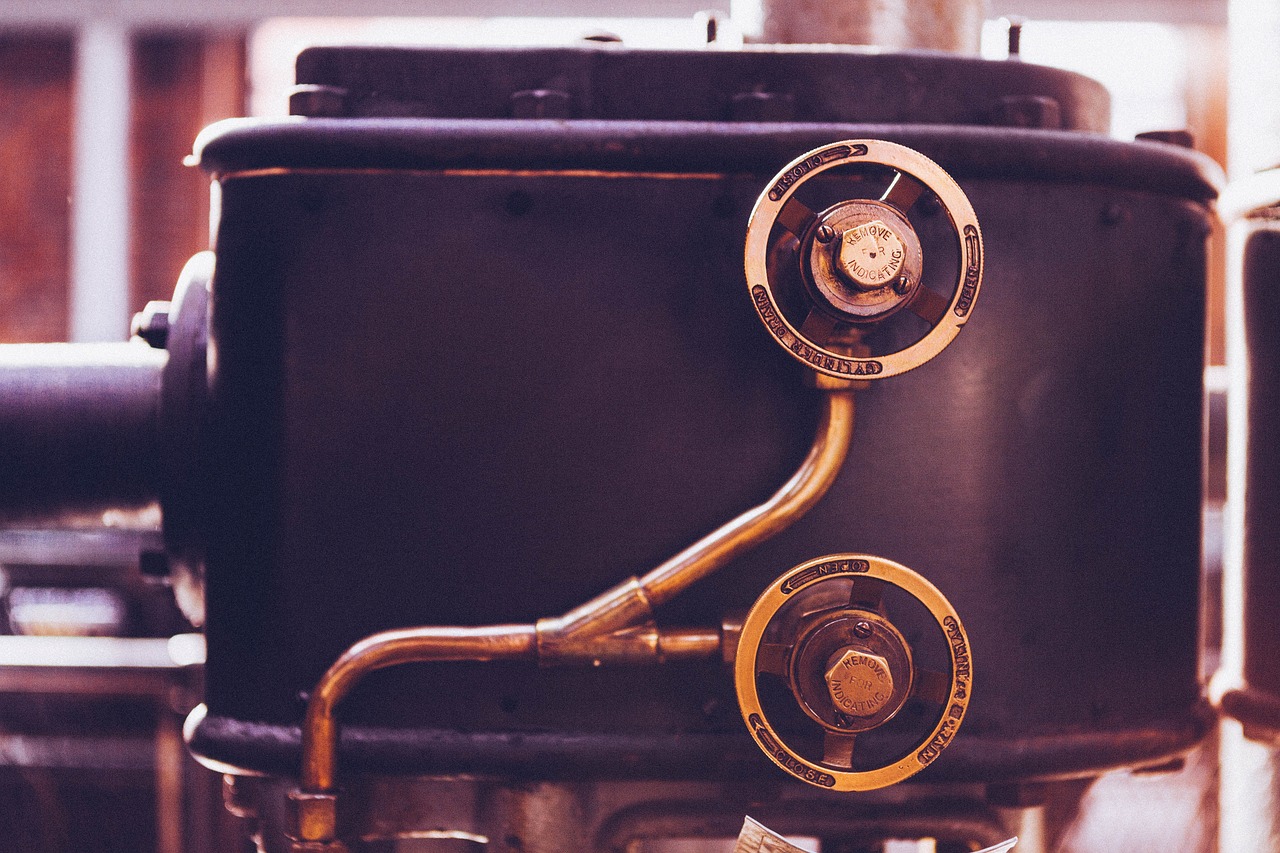
When a traditional boiler breaks down, the first question is whether the problem is sectional or peripheral. Sectional cast iron boilers are assembled in pieces, sealed with push nipples, and held together by tie rods. If a single section cracks due to thermal shock, pressure, or manufacturing defects, repairing it is an intensive undertaking.
Fixing a cracked cast iron section requires a technician to completely dismantle the boiler, replace the damaged section and seals, and reassemble the unit. Because of the labor involved, this type of repair frequently costs nearly as much as installing a brand-new mid-efficiency boiler. Furthermore, if one section has failed due to age or corrosion, the remaining sections may be structurally compromised, meaning another leak could develop shortly down the road.
External leaks, such as a weeping gasket or a leaking tappings fitting, are generally less catastrophic. Yet, if the underlying cause is systemic corrosion from oxygen in the water loop, simply patching the leak without addressing the water chemistry will only lead to repeated failures. When evaluating a repair estimate, homeowners should always ask their technician to perform a thorough water quality test. If the pH is out of balance or dissolved oxygen levels are high, repairing a minor leak without installing an air separator and chemical inhibitor is merely postponing a larger, more expensive failure.
Another common repair involves the burner assembly, pilot lights, or electronic ignition modules. On older atmospheric boilers, replacing a thermocouple or a gas valve is straightforward and inexpensive. However, if the combustion chamber refractory lining has deteriorated and crumbled into dust, the heat distribution becomes uneven, risking damage to the outer jacket. Weighing the cost of replacing refractory panels against the age of the unit is essential before committing funds.
The High-Efficiency Condensing Boiler Advantage
If your boiler is past its prime and facing a major repair, replacement is often the most logical path forward. Today’s residential boiler replacement market is dominated by high-efficiency condensing units. Unlike older atmospheric draft boilers that vent high-temperature exhaust straight up the chimney—losing significant energy in the process—condensing boilers extract latent heat from water vapor in the exhaust gases.
This process allows modern condensing units to achieve Annual Fuel Utilization Efficiency (AFUE) ratings of 90% to 95% or higher, compared to 60% to 80% for older cast iron models. Over a heating season, that efficiency delta translates directly into lower natural gas or propane bills. However, capturing that extra heat requires a fundamentally different machine, which brings us to the hidden costs of upgrading.
The science behind condensation is straightforward: when water vapor changes state back into liquid water, it releases a substantial amount of heat energy. Older boilers are intentionally kept hot to prevent condensation, which would otherwise form acidic compounds and destroy cast iron heat exchangers. Modern condensing boilers, by contrast, are constructed with corrosion-resistant stainless steel or aluminum-silicon heat exchangers specifically engineered to handle this moisture. While the fuel savings are undeniable, the operational shift changes how the entire heating loop interacts with your home’s indoor climate.
In addition to higher AFUE ratings, modern condensing boilers incorporate modulating burners. Instead of operating in a blunt binary mode—blasting at 100% capacity until the thermostat is satisfied and then shutting off—modulating boilers adjust their firing rate dynamically from roughly 20% to 100% capacity based on real-time heat load requirements. This continuous, low-level burn prevents dramatic indoor temperature swings and maintains steady, even comfort throughout the living space.
Understanding the True Cost of Replacement
When homeowners look at a replacement quote, the price tag often includes much more than the metal box of the boiler itself. Upgrading from an older atmospheric system to a modern condensing unit involves several labor-intensive retrofit steps that can significantly impact the total installation cost.
- Venting Modifications: Older boilers vent through traditional masonry or metal chimneys using natural draft. Condensing units operate under positive pressure and produce acidic exhaust. They require dedicated PVC, CPVC, or polypropylene venting run directly out through a sidewall or up through the roof.
- Gas Line Upgrades: Many older homes have half-inch gas supply lines that were sufficient for legacy equipment. High-efficiency modulating boilers often require larger gas lines (such as three-quarter inch) to deliver the required volume of fuel during peak firing rates, necessitating new gas piping runs.
- Condensate Management: Because condensing boilers pull moisture out of exhaust gases, they produce acidic condensate water. Installers must plumb a dedicated drain line, often including a neutralizer filter to protect home plumbing and municipal sewers from acid damage.
- Hydronic Piping Retrofits: Older systems often operated at high water temperatures (180°F to 200°F). Modern condensing boilers achieve peak efficiency when operating at lower water temperatures (below 140°F). If your home relies on small baseboard radiation designed for high temperatures, the system may need hydraulic separation, primary-secondary piping, or adjusted reset controls to maintain comfort.
These retrofit elements mean that an installation quote is rarely a simple swap. Labor hours often exceed the cost of the equipment itself, particularly in historic or multi-story homes where running new venting and gas lines requires navigating finished walls and tight basements. Furthermore, electrical requirements must be checked; modern smart-board controls and variable-speed blowers often require dedicated circuit protection and surge suppression to prevent premature board failure caused by electrical spikes.
The Decision Matrix: Repair vs. Replacement
To determine whether to fix or replace your heating equipment, use a structured decision framework based on age, repair cost, and efficiency.
Repair if: The boiler is under twelve years old, the repair involves an external component (like a pump, valve, or control board), the cost of the repair is less than thirty percent of a new unit, and the system has been properly maintained with clean water chemistry.
Replace if: The boiler is over twenty years old, the heat exchanger or a cast iron section is cracked, the repair cost exceeds half the price of a new system, or your current unit requires frequent seasonal service calls that add up over time.
Another critical metric is the “50% Rule.” If the repair bill approaches or exceeds half the cost of a brand-new replacement, and the existing unit has surpassed half of its expected service life, replacement is almost always the financially prudent choice. Sinking thousands of dollars into a twenty-year-old boiler guarantees that you will face another major component failure down the line on an aging chassis.
Homeowners must also consider availability and emergency lead times. Replacing a boiler proactively during the late summer or early autumn allows for careful contractor selection, thorough system sizing, and scheduled installation. Waiting until the boiler suffers a catastrophic failure during a sub-zero cold snap often forces emergency premium pricing, temporary heating solutions, and rushed installations that may cut corners on critical piping details.
Common Mistakes Homeowners Make
When navigating boiler decisions, homeowners frequently fall into traps that cost them money and comfort. Avoid these common pitfalls:
- Chasing the lowest bid without checking scope: A low replacement quote may omit essential piping upgrades, flush procedures, or proper venting, resulting in unexpected change orders or premature equipment failure.
- Ignoring water quality: Installing an expensive new high-efficiency boiler into a sludgy, unwashed legacy piping system is a recipe for ruined heat exchangers. Always insist on a thorough system flush and the installation of a magnetic dirt separator.
- Failing to match boiler capacity: Many older homes have oversized boilers because contractors historically oversized equipment “just to be safe.” Modern modulating boilers size down and run more efficiently; proper heat-loss calculations ensure your new unit is neither starved nor oversized.
- Overlooking domestic hot water integration: Many hydronic systems supply domestic hot water via a tankless coil inside the boiler or an indirect-fired water heater tank. When replacing the boiler, failing to coordinate the domestic hot water load can result in lukewarm showers or inadequate recovery times.
Furthermore, homeowners often overlook the importance of outdoor reset controls. A modulating condensing boiler paired with an outdoor temperature sensor adjusts water temperature automatically based on weather conditions outside, maximizing efficiency. Skipping this feature during installation leaves money on the table and forces the boiler to run hotter than necessary during mild spring and fall days.
Long-Term Value and Return on Investment
While the upfront cost of a full boiler replacement—including gas line modifications and piping retrofits—can be substantial, it must be viewed as an investment in home infrastructure. A new, correctly installed condensing boiler provides reliable winter comfort, eliminates the anxiety of impending mid-winter breakdowns, and reduces annual fuel consumption. By carefully weighing the repair expenses against the long-term efficiency gains, you can make a financially sound decision that keeps your home warm and secure for decades to come.
Ultimately, balancing the immediate cash outlay against projected utility savings over a five-to-ten-year horizon clarifies the true economic picture. When executed with professional sizing, careful attention to water chemistry, and proper venting retrofits, a boiler replacement transforms an unpredictable liability into a high-performance asset.
To protect this investment, establish a routine annual maintenance schedule. Unlike forced-air systems where a filter change is often the extent of homeowner care, hydronic boilers require professional combustion analysis, pressure checks, flame sensor cleaning, and relief valve testing. Staying proactive with annual service preserves equipment warranties and ensures your heating system operates at peak efficiency throughout its entire operational lifecycle.