Specialty coffee clubs have transformed how many Americans stock their pantries. The promise of freshly roasted single-origin beans arriving on your doorstep every two weeks sounds like the ultimate luxury for any home barista. Yet, convenience rarely comes without a price tag. When you examine your monthly bank statements closely, recurring charges for specialty beverages often creep upward, driven by automated renewals, baseline shipping costs, and packaging fees that rarely appear in initial marketing emails. Conducting a thorough coffee subscription fee audit is the only reliable way to understand exactly what you are paying for your daily habit and whether those artisanal beans justify their steep recurring overhead.
Many consumers sign up for roaster clubs during promotional periods, enticed by introductory discounts, free mugs, or percentage-off deals on their first bag. Over time, those promotional rates expire, subscriptions roll over to full retail pricing, and busy schedules prevent homeowners from auditing their ongoing credit card statements. This guide provides a systematic approach to breaking down your recurring coffee expenses, identifying hidden delivery markups, adjusting delivery cadences to match your actual consumption, and deciding when it is time to cancel or pivot to alternative purchasing strategies.
The modern subscription economy thrives on invisibility. When a merchant sets up automated monthly or bi-weekly billing, the friction of payment disappears. For a consumer focused on streamlining household chores, this automated convenience feels like a time-saving victory. However, over the course of a year, unmonitored food and beverage subscriptions can quietly drain hundreds of dollars from your checking account. By taking a proactive approach to auditing these expenses, you regain control over your discretionary spending without compromising your daily rituals.
The True Cost of Convenience: Why Roast-to-Order Clubs Cost More
At first glance, buying coffee directly from a dedicated roaster seems straightforward. You choose a bag size, select your grind preference, and pick a shipping frequency. However, the economic model behind direct-to-consumer coffee clubs relies heavily on friction. Roasters prefer subscriptions because predictable recurring revenue helps them forecast inventory and roasting volume. For the consumer, however, friction works in reverse: it is easy to sign up with a single click, but canceling, pausing, or changing delivery windows often requires navigating obscure account dashboards.
Beyond the base price of the beans, subscription models frequently bundle costs that you might otherwise avoid. Shipping fees are the most common culprit. While some roasters advertise free shipping, that cost is almost always baked into a higher baseline price per bag. When shipping is added a la cart, a fourteen-dollar bag of beans can easily balloon to twenty-two dollars once regional transit fees and handling charges are applied. Multiplied across twelve months, these administrative bumps add hundreds of dollars in invisible overhead to your annual grocery budget.
Furthermore, many direct-to-consumer roasters utilize proprietary packaging formats, custom-molded valves, or high-end keepsake boxes that inflate the retail cost of goods. While these unboxing elements enhance the sensory experience of receiving mail, they do nothing to improve the extraction quality in your portafilter or drip machine. When you pay for premium packaging month after month, you are essentially financing the roaster’s marketing apparatus rather than investing in superior agricultural sourcing.
Step 1: Calculate Your Cost Per Ounce
The foundation of any effective coffee subscription fee audit is determining your true cost per ounce. Specialty roasters typically package whole beans in twelve-ounce bags rather than the standard sixteen-ounce (one pound) grocery store format. This twelve-ounce standard is an industry-wide practice that subtly shifts the math, making price comparisons deceptive at a glance.
To find your real baseline:
- Locate the exact weight of your delivered bag in ounces or grams.
- Note the total recurring charge per shipment, including taxes, shipping, and handling.
- Divide the total cost by the total number of ounces received to establish your cost-per-ounce metric.
- Multiply that figure by sixteen to see what a full pound of that specific coffee actually costs you delivered.
When you run this calculation, you will often find that specialty club coffee ranges from eighteen to thirty dollars per pound—and occasionally much higher for limited-release micro-lots. Compare this figure against local specialty roasters bought in person or high-end supermarket brands, and the financial discrepancy becomes immediately apparent.
To illustrate how deceptive standard pricing can be, consider a hypothetical twelve-ounce bag priced at $18.00 with a $5.00 flat-rate shipping fee, bringing the total to $23.00. Dividing $23.00 by 12 yields approximately $1.92 per ounce. When scaled up to a standard 16-ounce pound, your true cost is $30.72. If you purchase two bags per month, your annual expenditure on coffee alone approaches $552.00 just for the beans and shipping, before factoring in water filtration, paper filters, or equipment maintenance. Recognizing this scaled reality is the vital first step toward reclaiming household budget flexibility.

Step 2: Audit Your Consumption Versus Delivery Frequency
One of the most common ways consumers waste money on recurring food deliveries is through inventory accumulation. Coffee clubs operate on strict calendar schedules—shipping every week, two weeks, or four weeks—regardless of whether you have actually finished your previous bag. If you travel frequently, dine out often, or simply drink less coffee during certain weeks, your deliveries will quickly outpace your consumption.
Leftover bags accumulate in cupboards, losing their peak flavor profile before you even open them. Coffee beans begin to lose their delicate aromatic compounds within weeks of roasting, meaning that stockpiling accidental inventory defeats the entire purpose of buying fresh specialty coffee. During your audit, check your pantry for backlog. If you consistently have an unopened bag waiting when the next shipment arrives, your delivery frequency is too high. Adjusting your schedule from a two-week interval to a four-week interval immediately cuts your annual volume and immediate outlay in half without requiring you to switch brands or give up your favorite roaster entirely.
Assessing your weekly consumption rate requires honest tracking. Pouring a cup every morning sounds like a consistent routine, but days filled with office meetings, travel, or weekend outings often mean fewer cups brewed at home than anticipated. Take two weeks to monitor how many grams of coffee you actually grind per day. Most standard home brewing ratios suggest approximately 15 to 18 grams of coffee per 250 milliliters of water. If you brew one dual-cup pour-over or a standard small pot daily, you consume roughly 30 grams per day, or about 210 grams per week. A standard twelve-ounce bag (340 grams) should last you nearly two full weeks. If your club ships a new bag every seven days under those exact metrics, you are guaranteed to build an unwanted surplus.
Step 3: Uncover Hidden Shipping Surcharges and Tiered Traps
Shipping logistics represent a major battleground for consumer savings. Many roaster clubs offer free shipping only if you cross a specific spending threshold—such as ordering two or more bags at once. While this sounds like a volume discount, it frequently traps single-person households into buying more coffee than they can consume while fresh.
Conversely, if you order a single bag to avoid surplus, you are often hit with flat-rate shipping charges that can represent twenty to thirty percent of the product’s total value. Review your past three invoices line by line. Separate the cost of the beans from the cost of transit. If shipping fees make up a disproportionate share of your recurring bills, look for roasters that offer local pickup options, or evaluate whether direct supermarket purchases can replicate the experience without the logistical overhead.
Additionally, pay close attention to regional carrier surcharges and fuel adjustments that online checkouts append at the final payment screen. These minor additions are easy to gloss over when you are focused on securing your preferred roast profile, but they accumulate substantially over twelve billing cycles. If your chosen roaster ships from a distant time zone, transit costs can easily account for an extra sixty to eighty dollars annually. Evaluating whether local alternatives can provide comparable flavor profiles without cross-country transit fees is an essential part of a thorough subscription audit.
Step 4: Compare Direct Club Pricing Against Supermarket Alternatives
The specialty coffee market has evolved dramatically over the past decade. High-end grocery stores, specialty grocers, and local co-ops now stock freshly roasted beans from top-tier national and regional roasters. These bags often feature roast dates stamped directly on the packaging, allowing you to gauge freshness just as accurately as an online delivery box.
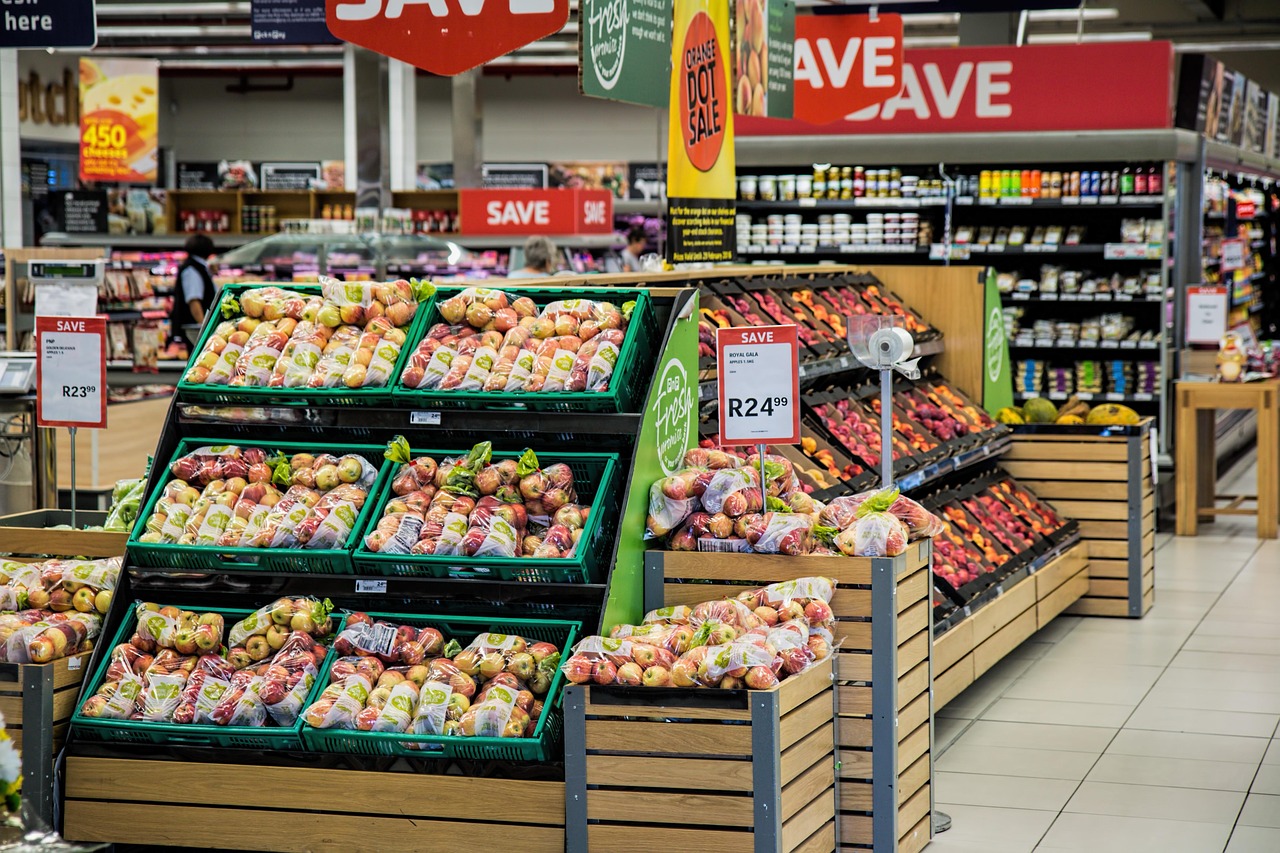
When conducting your audit, visit a local retailer and compare the shelf price of comparable single-origin or blended beans against your online subscription total. In many cases, buying off the shelf eliminates shipping fees entirely and removes the psychological friction of managing an online account. Furthermore, supermarket purchases allow you to buy impulsively or conservatively based on your current budget, offering total flexibility that automated subscriptions cannot match.
Shopping in person also protects you from unexpected subscription price hikes. When a roaster experiences rising green coffee commodity prices, supply chain disruptions, or increased packaging costs, online subscribers often wake up to an email notifying them of an automated price adjustment applied to their next billing cycle. Supermarket purchases, by contrast, allow you to vote with your wallet on a per-visit basis. If a brand raises its retail shelf price beyond your comfort threshold, you can immediately pivot to a different roaster on the same shelf without wrestling with online cancellation portals or customer service chat windows.
Common Pitfalls and Mistakes During a Subscription Audit
When auditing recurring expenses, consumers often make missteps that compromise their savings efforts. Avoiding these common traps ensures a more accurate assessment:
- Ignoring introductory rate expirations: Assuming your introductory promotional price is permanent rather than calculating the standard ongoing retail rate.
- Forgetting to account for local taxes: Failing to check whether your online subscription applies state and local sales taxes differently than physical retail purchases.
- Falling for the “pause” illusion: Pausing a subscription for a month instead of canceling, only to forget and let automated shipments resume indefinitely.
- Overlooking cancellation hurdles: Assuming cancellation is as simple as clicking a button when the roaster actually requires phone calls, email requests, or complex form submissions.
Recognizing these friction points helps you approach subscription management with a clear, strategic mindset rather than an emotional attachment to a brand name. Many consumers also fall into the trap of auditing only their primary coffee club while ignoring secondary snack, beverage, or pantry subscriptions that contribute to the same cumulative monthly bloat. Expanding your audit scope to encompass all recurring specialty food deliveries provides a holistic view of your household food overhead.
Actionable Steps to Cut Recurring Overhead
Once you have completed your coffee subscription fee audit and identified your true costs, it is time to take corrective action. You do not necessarily have to abandon specialty coffee altogether, but you should restructure how you buy it to protect your monthly budget.
First, audit all active recurring charges across your credit card statements and immediately cancel any subscription you have not actively enjoyed or consumed within the past month. For roasters you genuinely love, reach out to customer service or check your account portal to switch from automated shipments to manual, as-needed reordering. Most specialty roasters allow you to buy individual bags on demand without locking into a formal club structure.
Second, establish a hybrid purchasing routine. Reserve high-end, direct-from-roaster subscriptions for special occasions or specific single-origin releases, while relying on local grocery stores or warehouse clubs for your daily baseline brewing needs. This approach diversifies your spending, eliminates hidden delivery markups, and ensures you only pay for shipping when the value truly justifies the expense.
Finally, set a recurring calendar reminder every six months to review your active food and beverage subscriptions. Automated billing is designed to fade into the background of your financial life. By bringing intentional oversight to your pantry staples, you can enjoy exceptional coffee while keeping your monthly overhead strictly under control.
Implementing these changes requires consistency, but the financial dividends are immediate. When you replace passive automated renewals with conscious, deliberate purchasing decisions, you eliminate waste, ensure optimal product freshness, and retain full command over your personal finances.