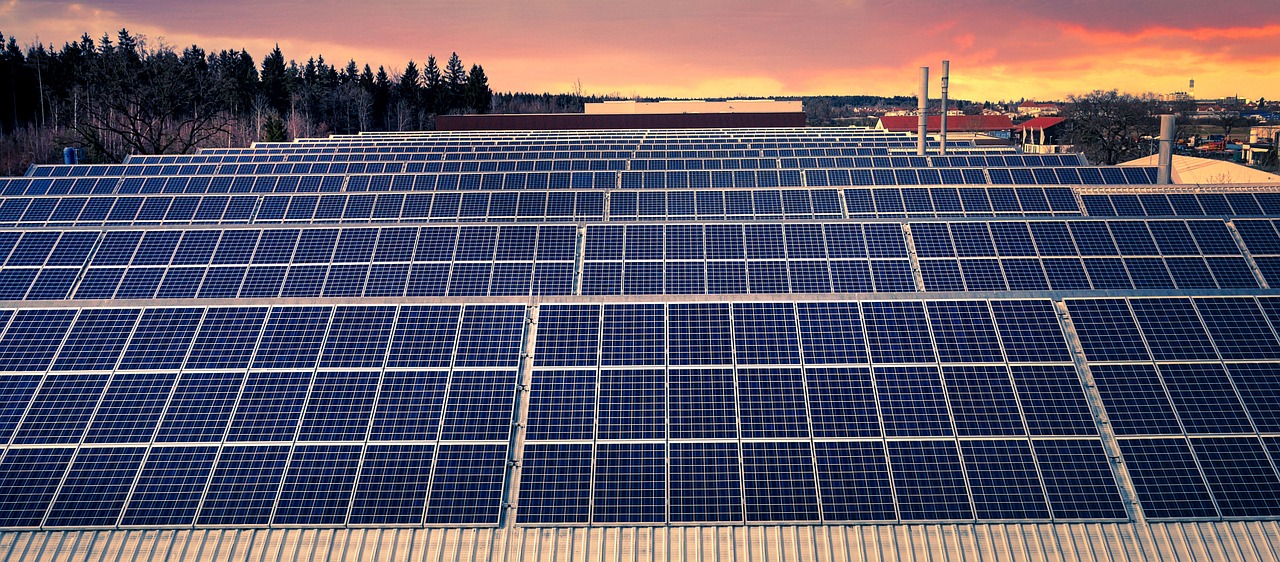
Installing a residential photovoltaic system transforms your home into a micro-generator, lowering your monthly utility bills while significantly increasing your property’s overall asset value. However, upgrading your roof with a solar array also changes your property’s risk profile. When evaluating the solar panels homeowners insurance impact, most homeowners discover that simply bolting equipment onto their roof requires a careful review of their existing insurance policy. Because your standard homeowners insurance policy is designed around a specific baseline replacement cost, adding thousands of dollars in specialized electrical equipment requires proactive adjustments to your coverage limits, endorsements, and liability protections.
Many homeowners assume that their standard policy automatically covers any permanent fixture attached to the dwelling. While that assumption is generally correct for traditional home improvements like a new deck or a kitchen remodel, solar installations introduce unique underwriting variables. Insurance carriers look at factors such as roof age, structural load-bearing capacity, local weather hazards like hail and high winds, and whether the system is owned outright, financed, or leased. Understanding how underwriters view these systems ensures you do not face unexpected coverage gaps after a storm or a liability claim.
Going solar represents a fundamental shift in how your home interacts with municipal infrastructure and external utility grids. Unlike passive additions such as upgraded siding or hardwood flooring, an active power-generating installation introduces electrical currents, high-voltage inverters, and heavy structural loads to your roof. Insurance underwriters evaluate these changes through a rigorous lens of risk mitigation. They want to ensure that the physical installation meets all building codes, that the added weight does not compromise the structural integrity of your roof rafters, and that the electrical integration does not introduce fire hazards. Neglecting to inform your insurer or failing to understand the exact scope of your policy provisions can leave you financially exposed if an unexpected event occurs.
How Standard Homeowners Policies View Solar Panels
Under a standard HO-3 homeowners insurance policy, your physical structure is covered under Coverage A (Dwelling), while detached structures like a ground-mounted array or a separate solar shed fall under Coverage B (Other Structures). When solar panels are rack-mounted directly to your roof, they are legally classified as part of the dwelling because they are permanently affixed to the structure.
This classification means that if your roof sustains damage from a covered peril—such as a severe windstorm, a falling tree branch, or a lightning strike—the physical damage to the solar panels is typically covered under your standard dwelling limit. However, there is a catch. If your baseline dwelling limit is $300,000 and you add a $35,000 solar installation without increasing your policy limit, your home may become underinsured. In the event of a total loss, the combined replacement cost of your home and the solar array could exceed your maximum payout, leaving you to cover the difference out of pocket.
Furthermore, standard policies draw a sharp distinction between covered perils and excluded perils. While wind, fire, and hail are standard covered perils in most US markets, damage caused by normal wear and tear, manufacturing defects, or improper installation by an uncertified contractor is explicitly excluded. If your panels fail because the mounting brackets corroded due to poor installation workmanship, your insurance carrier will deny the claim, making your installer’s warranty your primary recourse.
It is also essential to examine how your policy defines replacement cost versus actual cash value. Without explicit endorsements, some policies default to actual cash value for certain exterior components, meaning the insurer factors in depreciation based on the age of the equipment. Because solar panels degrade slowly in output over decades, an actual cash value payout would leave you with only a fraction of the funds needed to purchase brand-new, modern replacement hardware.
Ownership Models and Insurance Responsibility
Who is responsible for insuring your solar panels depends entirely on how you acquired the system. The insurance landscape differs significantly between owned systems, solar loans, and third-party agreements like leases or power purchase agreements (PPAs).
If you purchase your solar array with cash or secure a home equity loan, you hold the title to the equipment. Consequently, the insurance responsibility rests entirely on you. You must ensure that your dwelling limit reflects the added replacement value and that your policy adequately protects the equipment against physical damage.
If you finance the system through a solar loan, you still own the equipment from day one, but your lender will typically have a secured interest in the asset. Loan agreements almost universally require you to maintain comprehensive property insurance naming the lender as a loss payee. This ensures that if the system is destroyed and you receive an insurance payout, the funds go toward paying off the remaining equipment loan balance rather than discretionary spending.
Conversely, if you enter into a solar lease or a PPA, a third-party solar company owns the equipment sitting on your roof. In these arrangements, the solar provider usually carries a commercial master policy that covers the physical equipment against damage, theft, or weather events. However, leasing a system does not completely remove you from the insurance equation. You are still responsible for insuring your underlying home structure against standard perils, and your lease agreement will typically require you to maintain adequate personal liability coverage in case someone is injured by a component of the system or if a panel detaches and damages a neighbor’s property.
Navigating third-party agreements requires carefully reading the contractual language regarding liability and maintenance. Even though the company owns the hardware, homeowners are frequently tasked with notifying their personal insurance carrier that leased equipment is present on the premises. Failing to coordinate between your insurance carrier and the solar lessor can lead to disputes if a storm causes damage to both the roof underneath and the panels above, creating a jurisdictional grey area over who initiates the claim.
The Role of Riders and Endorsements
Because standard policies may not fully address the nuances of modern renewable energy systems, insurance carriers offer specific endorsements to bridge the gap. A homeowners insurance solar panel rider or specialized endorsement customizes your base policy to address the unique risks associated with solar energy generation.
These endorsements can clarify valuation methods, ensuring that your panels are insured at full replacement cost rather than actual cash value, which depreciates the equipment based on its age. Without a replacement cost endorsement, an insurer might factor in years of depreciation when paying out a claim on a ten-year-old inverter or panel array, leaving you with a massive shortfall when purchasing modern replacement equipment.
Additionally, some endorsements cover loss of power generation or feed-in tariff losses if your system is destroyed by a covered peril and takes months to replace. While less common in standard residential policies, these specialty add-ons are worth exploring if your household relies heavily on net metering credits to offset high local utility rates. Endorsements can also be tailored to cover unique installation types, such as ground-mounted arrays, carports, or building-integrated photovoltaic (BIPV) roofing tiles that replace traditional shingles entirely.

Carrier Notification Requirements and Policy Adjustments
One of the most critical steps in going solar is notifying your homeowners insurance carrier. Many homeowners worry that calling their insurance agent will automatically trigger a dramatic rate hike or policy cancellation, leading some to skip the notification step entirely. This is a severe mistake.
Virtually all standard insurance contracts contain a material change in risk clause. This provision requires policyholders to report significant physical or structural alterations to the property. Adding a heavy array of glass and aluminum to your roof, integrating high-voltage electrical inverters, and connecting a battery storage system to your main electrical panel all qualify as material changes.
If you fail to notify your carrier and a fire starts due to an electrical fault originating from your solar inverter, the insurance investigator will examine the installation permits and utility interconnection records. If they discover an unrecorded solar array, the carrier may deny the claim entirely for failure to disclose a material risk, or worse, cancel your policy retroactively for misrepresentation.
When you do call your agent to report the installation, be prepared to provide specific documentation:
- The total cost and replacement value of the solar array.
- Proof that the system was installed by a licensed, certified contractor meeting local building codes.
- Final inspection sign-offs from your local municipal building department.
- Utility interconnection approval documentation.
- Information on any integrated home battery storage systems, which carry distinct chemical and thermal risks.
Maintaining transparent communication with your insurer safeguards your financial security and prevents policy disputes down the road. When your agent has complete and accurate documentation, they can adjust your declarations page to reflect the true replacement cost of your modernized home, ensuring that you never face a claim denial due to undisclosed property modifications.
How Premiums Are Calculated for Solar Homes
How much will your insurance rates actually increase? The financial impact varies widely depending on your geographic location, your carrier’s underwriting guidelines, and the physical characteristics of your roof.
In many cases, the adjustment to your premium is surprisingly modest—often ranging from a minimal fee to a slight percentage increase based solely on the increased dwelling replacement value. For example, if adding a $30,000 solar array pushes your home’s total replacement cost from $350,000 to $380,000, your premium will adjust to reflect that higher tier of structural coverage, much like it would if you built a high-end outdoor patio.
However, your geographic location plays a massive role in carrier pricing. If you live in a region prone to severe convective storms, large hail, or frequent hurricanes, underwriters view rooftop solar panels as a higher vulnerability. Glass panels can be easily shattered by large hailstones, leading to expensive full-system replacements. In high-risk states like Florida, Texas, or Colorado, some carriers scrutinize roof age and solar compatibility much more aggressively, occasionally requiring a roof replacement certificate before they will agree to insure the new array.
It is also worth noting that some insurance companies view renewable energy installations favorably, occasionally offering green home discounts if the system incorporates advanced safety features, robust mounting hardware, or automated rapid shutdown switches required by modern electrical codes. Shopping around among different carriers before committing to a solar installation can reveal significant variations in how underwriters price renewable energy additions.
Liability Coverage Limits and Battery Storage Risks
Beyond physical damage to your home, incorporating solar panels introduces unique liability considerations. Standard homeowners policies include personal liability coverage—typically starting at $100,000 to $300,000—which protects you if someone is injured on your property or if your property damages someone else’s.
With a standard grid-tied solar system, safety mechanisms automatically shut off power generation during a utility blackout to prevent electricity from backfeeding into lines where utility workers might be repairing equipment. However, if your system includes a home battery storage unit—such as a lithium-ion backup battery—the liability and safety profile changes.
Home battery systems store large amounts of electrical energy locally. While modern residential batteries feature advanced thermal management systems, improper installation or physical damage can theoretically create fire risks. Furthermore, if you own an electric vehicle (EV) charger integrated with your home solar setup, the combined electrical load requires rigorous adherence to the National Electrical Code (NEC). Ensuring your personal liability limits are robust—or supplementing your coverage with an umbrella policy providing $1,000,000 or more in liability protection—is a prudent financial safeguard for modern solar homeowners.
Evaluating your liability posture involves looking at both bodily injury and property damage risks. If a heavy windstorm detaches a solar panel and it damages a parked vehicle in your neighbor’s driveway, your personal liability coverage or dwelling structure liability comes into play. Maintaining adequate limits ensures that unexpected mishaps do not jeopardize your personal assets.
Navigating Storm Damage Claims and Deductibles
When severe weather strikes, filing an insurance claim for a damaged solar array follows a process similar to standard roof claims, but with a few technical complications. If a hailstorm shatters the glass face of several panels on your roof, the entire array may need to be tested for micro-fractures and electrical output degradation.
Before filing a claim, always compare the cost of repairs or replacements against your policy deductible. Many homeowners choose a standard deductible of $1,000 or $2,500, but an increasing number of US insurance policies now feature separate, percentage-based wind and hail deductibles. If your wind/hail deductible is 2% of a $400,000 dwelling limit, your out-of-pocket deductible is $8,000. If a storm damages a few panels totaling $5,000 in repairs, filing a claim makes little financial sense and could trigger a preventable premium surcharge at your next renewal.
If you do proceed with a claim, work closely with a reputable solar contractor who has experience coordinating with insurance adjusters. They can provide accurate technical documentation proving whether the panels require a complete replacement or if individual optimizers and modules can be safely swapped out. Documenting pre-storm condition, keeping maintenance records, and photographing your system annually can also streamline the claims verification process with your insurance adjuster.
Actionable Checklist for Solar Insurance Compliance
To ensure your home remains fully protected before, during, and after your solar installation, follow this step-by-step checklist:
- Review your current policy: Examine your dwelling coverage limits and deductible structures before signing any installation contracts.
- Consult your insurance agent early: Contact your provider during the planning phase to ask about specific carrier requirements, required endorsements, and estimated premium adjustments.
- Verify contractor credentials: Ensure your solar installer is fully licensed, insured, and pulls all mandatory local building and electrical permits.
- Secure final approvals: Keep copies of your municipal inspection sign-offs and utility interconnection certificates in a secure home file.
- Request endorsement documentation: Verify that your policy is officially updated in writing to include the solar array under replacement cost valuation.
- Re-evaluate liability limits: Consider upgrading your personal liability limits or purchasing an umbrella policy, especially if your system includes high-capacity battery storage.
Taking these methodical steps protects you from unexpected coverage gaps and ensures that your renewable energy investment is fully integrated into your household risk management strategy.
Conclusion
Installing solar panels is a rewarding upgrade that cuts energy costs and increases property value, but it should never be treated as a purely plug-and-play electrical appliance. By understanding how insurance underwriters evaluate structural modifications, securing the right replacement cost endorsements, and maintaining transparent communication with your carrier, you can enjoy clean renewable energy with complete financial peace of mind. Taking the time to align your policy limits, verify contractor credentials, and assess your liability exposure ensures that your solar journey remains secure, compliant, and financially beneficial for decades to come.