Finding a slow drip or a sudden spray behind your drywall or down in the basement utility room can instantly ruin your day. In modern homes built or repiped over the last thirty years, that leak is likely originating from a cross-linked polyethylene, or PEX, water supply network. Because PEX systems are flexible, economical, and faster to install than rigid copper, they have become the industry standard for residential plumbing. However, leaks still happen. When they do, evaluating PEX pipe repair vs replacement becomes an immediate priority.
Homeowners generally fall into two camps when a leak appears: those who want to snip out the damaged couple of inches and slap on a new crimp ring, and those who worry that a single failure points to a systemic flaw in the entire plumbing layout. Choosing between fixing a single leaking PEX fitting and replacing an entire manifold branch section is not just about immediate material costs. It involves understanding pipe chemistry, water pressure dynamics, installation tolerances, and long-term structural reliability. This guide breaks down the engineering trade-offs, financial considerations, and labor requirements to help you make the right call for your home.
Anatomy of a PEX Water Supply System
To understand why PEX pipe repair vs replacement decisions are so nuanced, it helps to review how these systems are structured. Unlike traditional trunk-and-branch copper systems that use heavy soldered joints, PEX installations typically rely on one of two layouts: a homerun manifold system or a modified branch-and-tee layout.
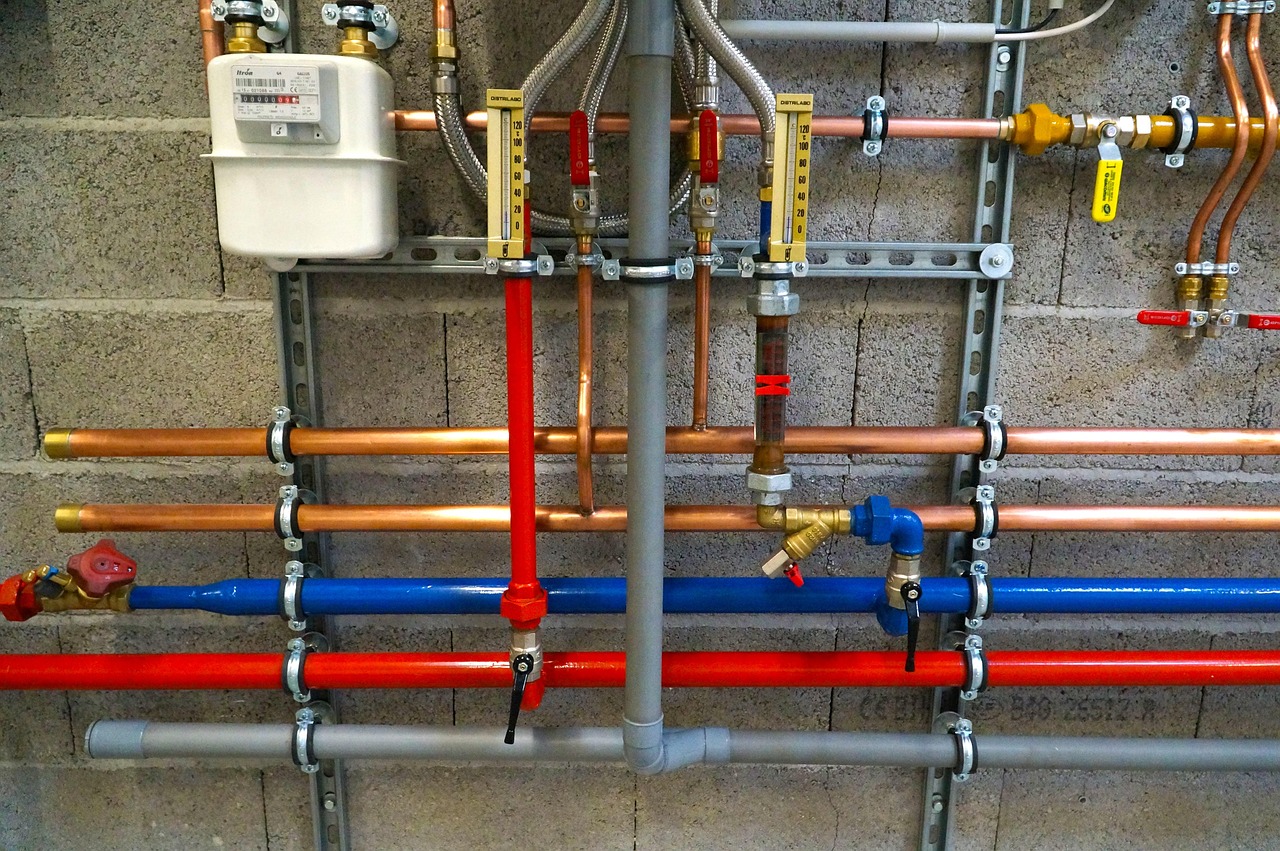
In a homerun system, a central distribution manifold—usually mounted near the water heater—runs continuous, unbroken lines of PEX directly to every single fixture in the house. There are no hidden joints behind the walls; every connection is accessible either at the fixture stub-out or directly on the brass manifold ports. In a branch-and-tee system, a larger trunk line runs through the framing, and individual supply lines branch off to bathrooms and kitchens using tee fittings.
When a leak occurs in a homerun manifold system, the problem is almost always at the connection point: either where the PEX meets the manifold valve or where it attaches to the shower or sink drop-ear elbow. Because PEX tubing itself is remarkably durable against scale buildup and freezing compared to metal, failures in the middle of a straight run are exceedingly rare unless the pipe was punctured by a drywall screw or chewed by a rodent. Therefore, evaluating a leak almost always centers on evaluating the integrity of the fittings and the connection method.
Furthermore, understanding the chemistry of the different PEX types (PEX-A, PEX-B, and PEX-C) adds another layer of complexity to any maintenance assessment. PEX-A is manufactured via the Engel method (peroxide), yielding a highly flexible material that expands uniformly and can accept expansion fittings with memory-return rings. PEX-B is produced via a silane method, resulting in a slightly stiffer pipe that requires traditional crimp or clamp rings. Recognizing which material runs through your home ensures you choose compatible repair components when modifying your layout.
Localized Crimp-Ring Repairs: The Quick Fix
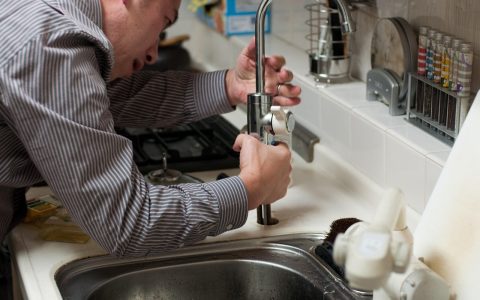
When a fitting begins to weep, the most common intervention is a localized repair using a stainless steel cinch clamp or a copper crimp ring. This approach targets only the failing joint. The plumber or DIYer shuts off the water main, drains the affected line, cuts out the old fitting using specialized PEX cutters, inserts a new brass or poly alloy fitting, and secures it with a fresh crimp ring.
The primary advantage of a localized repair is speed and minimal disruption. You do not need to tear out large sections of drywall or re-route lines through floor joists. The tools required—a PEX tubing cutter, a deburring tool if needed, and a calibrated crimping or cinching tool—are affordable and straightforward to use. For a homeowner comfortable with basic DIY plumbing, a single fitting replacement can take less than an hour from start to finish.
However, localized repairs come with specific caveats. If the initial plumbing installation suffered from poor workmanship—such as out-of-calibration crimp tools, improperly spaced rings, or excessive tension on the pipe—simply replacing one fitting with the same method may only buy you time until the adjacent fitting fails. Furthermore, if you are cutting out a crimp fitting, you need enough slack in the line to insert a coupling or a new section of pipe with expansion couplings. PEX does not stretch; if the line is pulled taut between framing members, making a cut without adding a small bridging piece is impossible.
When executing a localized crimp-ring repair, precision is paramount. The crimp ring must be positioned squarely between 1/8 inch and 1/4 inch from the end of the PEX tubing. Placing it too close to the end risks slipping off the barb, while placing it too far away places the compression force over empty pipe rather than the barbed insert. Utilizing a go/no-go gauge immediately after completing the crimp provides absolute verification that the ring has been compressed to the precise diameter specified by the manufacturer.
Manifold Branch Replacement: The Comprehensive Overhaul
At the other end of the decision spectrum lies the complete replacement of a manifold branch section. Rather than chasing individual drips across multiple fittings over several months or years, a manifold branch overhaul involves replacing an entire bank of valves, ports, and associated stub lines originating from the main water distribution center.
This approach is typically considered when a manifold shows widespread signs of degradation. Over time, certain first-generation brass alloys used in plumbing fittings have been prone to dezincification—a chemical process where zinc leaches out of the brass alloy, leaving a porous, weakened structure that is highly susceptible to cracking under standard residential water pressures. If one port on a brass manifold cracks due to dezincification, the remaining ports cast from the same batch are likely compromised as well.
Replacing a manifold branch section is significantly more invasive and expensive than swapping a single crimp ring. It requires draining the entire domestic water system, unbolting or cutting into the primary supply feeds, re-securing new mounting brackets, and meticulously labeling every line so that hot and cold feeds do not get crossed during reassembly. For most homeowners, this is a job best left to a licensed professional, especially if the manifold is integrated with complex pressure-reducing valves, whole-house water filtration systems, or tankless water heater loops.
Modern upgrade manifolds often transition from older brass assemblies to engineered polymer (PPSU) or stainless steel manifolds. These newer materials are completely immune to dezincification and mineral scaling, offering an elevated level of long-term security. When planning a manifold branch replacement, upgrading to high-flow quarter-turn ball valves on each port also dramatically improves future serviceability, allowing you to isolate individual branch lines without shutting down the entire home’s water supply.
Comparing the Economics: Short-Term Savings vs. Long-Term Risk
When evaluating PEX pipe repair vs replacement, the financial equation often drives the final choice. A localized fitting repair is inexpensive. A couple of brass couplings, a new stainless steel clamp, and an hour of labor represent a very minor out-of-pocket expense.
Conversely, a manifold branch replacement involves substantial labor hours, potential drywall patching if lines must be repositioned, and higher material costs for commercial-grade stainless steel or engineered polymer manifolds and high-flow ball valves. If you hire a plumber, the difference in service call billing between a thirty-minute fitting swap and a half-day manifold rebuild can be hundreds of dollars.
However, true economic evaluation must factor in the cost of failure. A slow, undetected leak behind a wall or inside a utility closet can lead to catastrophic water damage, warped subfloors, ruined drywall, and severe mold remediation costs. If a plumbing system contains multiple failing fittings from a defective manufacturing era, opting for repeated cheap local repairs is a form of financial denial. Spending the money upfront on a comprehensive manifold branch replacement often proves cheaper over a five-to-ten-year horizon than paying for multiple emergency service calls and remediation claims.
Insurance considerations also play a subtle yet vital role in this economic calculus. Many homeowner insurance policies include strict exclusions or rising deductibles for water damage resulting from deferred maintenance or known chronic plumbing issues. If an adjuster discovers that a localized patch was applied to a manifestly failing manifold assembly that subsequently ruptured, claim payouts can be contested. Proactive system replacement eliminates this liability grey area.
Diagnostic Checklist: How to Inspect Your PEX System
Before deciding whether to patch or overhaul, perform a thorough visual and tactile inspection of your accessible PEX lines and distribution points. Use this diagnostic checklist to guide your assessment:
Examine the color and texture of the tubing: High-quality PEX should remain flexible and uniform in color. If you notice severe fading, discoloration from UV exposure, or white stress-whitening lines near bends, the polymer may be structurally compromised.
Check for mineral scaling and weeping: Look closely at every brass fitting and crimp ring. White powdery crust, green oxidation on brass, or active moisture droplets indicate a slow, chronic leak that is corroding the metal interface.
Verify crimp ring dimensions: If your system uses copper crimp rings, use a specialized PEX go/no-go gauge to test the compressed diameter of the ring. If the gauge slips over the crimp, the tool was out of calibration or the jaw was misaligned during installation.
Review installation tension: PEX expands and contracts significantly with temperature changes—roughly 1 inch per 100 feet for every 10-degree Fahrenheit shift. Ensure your pipes have expansion loops or slack. If a line is pulled tight like a guitar string between two joists, fittings will experience constant shear stress.
Performing this inspection semi-annually can catch minor anomalies before they escalate into major household emergencies. Make a habit of checking connection points during seasonal water heater flushes or when changing HVAC filters.
Common Mistakes in PEX Leak Remediation
Homeowners and even inexperienced handymen often make critical errors when attempting to resolve PEX water supply issues. Avoiding these pitfalls ensures your repair holds up under pressure.
The most frequent error is mixing fitting brands and connection standards without verifying compatibility. While PEX tubing is standardized in nominal sizes (such as 1/2-inch and 3/4-inch), proprietary fittings and expansion systems—such as PEX-A expansion rings versus PEX-B crimp rings—cannot always be interchanged interchangeably. Forcing an incorrect fitting into a line creates weak spots that inevitably fail.
Another common mistake is neglecting to deburr cut edges or failing to use clean, square cuts. If a PEX cutter is dull, it leaves a jagged, angled edge. When inserted into a push-fit or barbed fitting, an uneven cut can pinch the internal O-ring or prevent the tubing from seating fully against the interior shoulder of the fitting. Always use a ratcheting PEX cutter kept sharp and clean.
Finally, over-tightening or misplacing support straps is a major source of long-term failure. PEX needs room to move. Securing it too rigidly with tight metal plumbers’ tape can pinch the pipe, restrict flow, or cause abrasive wear as the pipe expands and contracts against the framing during hot water draws. Always use plastic or cushioned isolator clips that allow the tubing to slide smoothly through framing penetrations.
Deciding Factors: Repair or Replace?
To crystallize your decision-making process, weigh your specific situation against these key operational criteria:
| Scenario | Recommended Action | Primary Reason |
|---|---|---|
| Single drip on an accessible basement fitting installed last year | Localized Crimp-Ring Repair | Isolated installation error; surrounding infrastructure is healthy and modern. |
| Multiple weeping fittings across a 15-year-old brass manifold | Manifold Branch Replacement | Systemic dezincification or manufacturing defect affecting the entire batch. |
| Punctured straight run of pipe from a drywall screw | Localized Coupling Repair | Damage is mechanical and localized; rest of the system is unaffected. |
| Extensive scale buildup, brittle tubing, and chronic joint movement | Full System Repipe / Overhaul | Material degradation indicates the entire network has reached its lifecycle limit. |
As this comparison shows, the dividing line between a quick fix and a major overhaul comes down to whether the leak is an isolated anomaly or a symptom of systemic aging.
Working with Professionals vs. DIY Execution
Many PEX repairs are well within the wheelhouse of a capable DIYer. Because PEX does not require torches, open flames, flux, or toxic solders like copper plumbing does, the barrier to entry is much lower. Push-fit fittings allow for tool-free temporary or permanent fixes, while crimp and clamp tools are widely available at any hardware store.
However, you should know your limits. If the leak is located behind finished ceiling drywall, inside a load-bearing structural cavity, or directly tied to the main water shut-off valve before the meter, calling a licensed plumber is the prudent choice. Professional plumbers bring specialized diagnostic equipment, pressure-testing gauges to verify that repairs hold static pressure without dropping, and comprehensive liability insurance in case an unexpected break occurs during the repair process.
When hiring a contractor for a manifold branch replacement, ensure they provide a written warranty on both labor and materials. Reputable plumbing professionals will also conduct a static pressure test before leaving your home to guarantee that water hammer arrestors and pressure regulators are functioning correctly, protecting your new investment from destructive pressure spikes.
Conclusion
Dealing with a plumbing leak in a modern water supply network is stressful, but the inherent flexibility of cross-linked polyethylene makes remediation far less daunting than older rigid piping systems. When evaluating PEX pipe repair vs replacement, resist the urge to automatically choose the cheapest or fastest path. Take the time to inspect the surrounding fittings, check your crimp dimensions, and evaluate whether you are dealing with a one-off installation error or a wider material failure. By balancing short-term convenience with long-term reliability, you can secure your plumbing infrastructure and protect your home from costly water damage for years to come.