When you share your home with family members who suffer from severe seasonal allergies, asthma, or chemical sensitivities, evaluating an electronic air cleaner repair vs replacement becomes a crucial decision for your central heating and cooling system. Whole-house air filtration systems integrated directly into your HVAC ductwork process every cubic foot of air circulating through your living spaces. For decades, electronic air cleaners—often called electrostatic precipitators—stood as the premium choice for capturing microscopic particulate matter. By using high-voltage ionization wires and oppositely charged collector plates, these units pull dust, pollen, and pet dander out of the airstream with minimal airflow restriction.
Yet, like any complex electromechanical appliance, older electronic air purifiers eventually degrade. When an aging unit begins snapping with electrical arcs, displaying fault lights, or failing to charge its collector cells, homeowners inevitably confront a pivotal choice: pursue a repair or opt for replacement with a modern, passive media filter cabinet. Making the right decision requires looking past upfront service bills to evaluate long-term maintenance overhead, filtration consistency, ozone generation risks, and the true cost of ownership over the lifespan of your HVAC equipment.
Understanding How Whole-House Electronic Air Cleaners Operate
To evaluate whether to fix or scrap your current system, it helps to understand how electronic air cleaners function compared to standard fiberglass or pleated furnace filters. Standard filters rely on a dense web of physical media to strain particles out of moving air. Electronic air cleaners take a different approach, utilizing physics and electrical charge.
Air pulled from your home first passes through a coarse pre-filter mesh designed to catch large lint and hair. Next, the airstream flows through a section of fine ionization wires charged with thousands of volts of direct current. This high-voltage charge strips electrons from passing dust, smoke, and pollen particles, giving them a positive electrical charge. Finally, the charged particles drift into the collector cell section, which consists of alternating parallel metal plates. Grounded plates attract the positively charged particles much like a magnet, stripping them out of the air before it returns to the blower motor.
Because the collector plates trap particles against metal rather than forcing air through a tightening wall of trapped dust, electronic air cleaners maintain high airflow rates even when relatively dirty. This low pressure drop protects older blower motors from strain. However, this complex design introduces multiple points of failure that standard filters simply do not possess. In residential applications, maintaining the delicate electrical balance of these systems requires uninterrupted power stability, pristine insulator surfaces, and perfectly tensioned ionization wires.
Common Failure Points in Aging Electronic Air Cleaners
Electronic air cleaners are durable appliances built with heavy-gauge steel cabinets, but their electrical components endure harsh operating conditions inside dark, dusty ductwork. Over years of service, several common failure modes emerge:
- High-Voltage Power Supply Failure: The transformer step-up module converts standard household 120-volt current into the thousands of volts needed for ionization. Power packs can burn out due to power surges, age, or internal shorts caused by moisture intrusion.
- Broken Ionization Wires: The extremely thin tungsten or stainless-steel wires stretched across the inlet frame are fragile. If handled carelessly during cleaning or stressed by heavy airflow, they snap, rendering the entire ionizer section inactive.
- Insulator Carbon Tracking: Ceramic or plastic standoff insulators inside the cell accumulate microscopic carbon dust and moisture over time. This creates a conductive path that causes electrical arcing—heard as a constant snapping or popping sound—which automatically trips the unit into a safety shutdown mode.
- Warped Collector Plates: Aluminum collector fins are thin and easily bent during routine washing. If adjacent plates touch each other, they short out the power pack.
When these failures occur, homeowners must weigh the cost of professional diagnosis and proprietary replacement parts against the value of the aging system. Replacing a proprietary power supply unit on a system that is fifteen years old rarely makes sound financial sense, especially when labor and diagnostic fees are factored into the bill. Furthermore, sourcing exact-match replacement cells or transformers for discontinued brands can introduce significant delays, leaving your HVAC system operating without adequate filtration during peak allergy seasons.
The Maintenance Overhead of Electrostatic Systems
Beyond repair costs, the daily reality of owning an electronic air cleaner involves strict maintenance routines. Unlike passive filters that you slide out and toss in the trash twice a year, electronic cells require manual washing.
Manufacturers typically recommend cleaning the collector cells and pre-filters every one to three months, depending on household dust levels, pet presence, and run times. The cleaning process is rarely quick or clean. It requires sliding the heavy, sharp-edged aluminum cells out of the duct housing, spraying them down with a specialized detergent or mild dish soap, rinsing away caked-on particulate sludge, and—crucially—allowing them to dry completely before reinstallation.
Inserting damp cells back into an active furnace duct creates an immediate electrical short, risking permanent damage to the transformer. Furthermore, skipping this cleaning schedule degrades the unit’s collection efficiency rapidly. As a layer of dust coats the collector plates, the electrostatic charge is insulated, causing collection efficiency to plummet long before the unit stops clicking or showing power lights. For busy households, this rigorous quarterly chore frequently gets neglected, reducing an expensive electronic air cleaner to little more than an expensive, passive metal screen.
The Alternative: Duct-Mounted Deep-Media Filter Cabinets
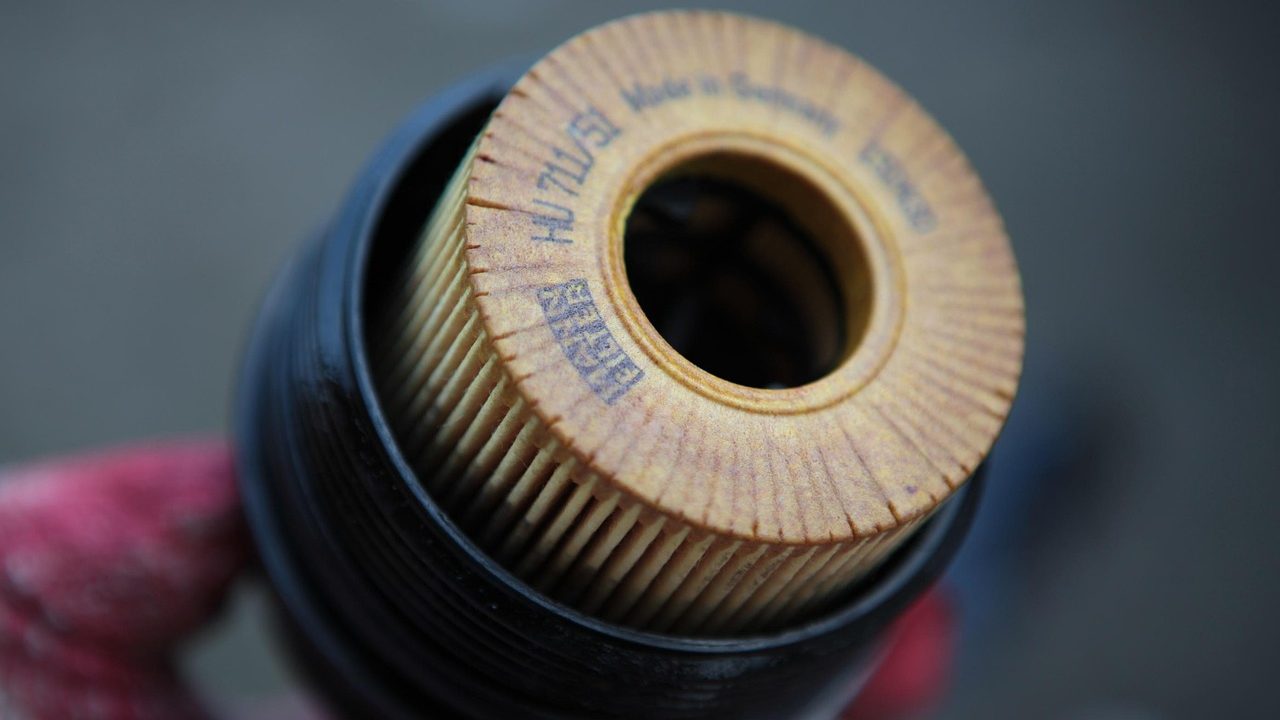
As HVAC design has evolved, many homeowners and contractors have shifted away from electrostatic precipitation in favor of high-efficiency media air cleaners. A media cabinet is a heavy-duty metal housing installed directly into the return ductwork, engineered to hold a deep-pleated, box-style disposable filter.
These filters typically measure four to six inches in depth, containing dozens of square feet of specialized synthetic filter media folded into tight pleats. Instead of relying on electricity, ionization, or electrostatic charges, media filters rely on mechanical filtration principles: impaction, interception, and diffusion.
The deep pleats allow air to flow through the filter with surprisingly low resistance, protecting the HVAC blower motor, while providing massive surface area to trap microscopic particulates. A quality MERV 11, MERV 13, or MERV 16 media filter captures fine dust, mold spores, bacteria, pet dander, and microscopic smoke particles reliably without requiring electrical hookups or high-voltage transformers. Because the entire depth of the media is utilized to trap particles, dust holding capacity is vastly superior to standard one-inch furnace filters.
Direct Comparison: Electronic Cells vs. Media Filters
Evaluating whether to fix or replace your system requires a direct look at how these two technologies stack up across key performance and operational categories.
Filtration Efficiency and Consistency
Electronic air cleaners often boast high initial arrestance ratings when their cells are freshly washed and operating at peak voltage. However, their efficiency drops the moment dust begins accumulating on the plates or if an ionization wire breaks without triggering an immediate fault light. Media filters provide consistent, predictable filtration efficiency from day one until the day you replace them. A MERV 13 media filter captures a high percentage of sub-micron particles continuously without suffering from efficiency decay caused by dirty transformer contacts.
Ozone Generation Concerns
A frequently overlooked drawback of high-voltage electronic air cleaners is ozone production. By design, creating an electrical corona discharge to ionize air molecules inevitably generates trace amounts of ozone gas as a byproduct. While many modern residential units are engineered to keep ozone emissions below strict regulatory thresholds, any level of ozone can irritate the respiratory tracts of individuals suffering from asthma, chronic bronchitis, or severe allergies. Media filters are entirely passive devices that produce zero ozone or chemical byproducts, making them a safer choice for sensitive indoor environments.
Operating and Lifespan Economics
While an electronic air cleaner requires no replacement filters—saving you the recurring cost of buying proprietary media cartridges—it incurs hidden costs. You spend water and detergent washing the cells, consume fractional electricity running the transformer, and face expensive service calls when proprietary electrical components fail. Media filters require zero electricity and no manual washing, but they do require purchasing a replacement filter once or twice a year. Over a ten-year horizon, the total cost of ownership for a media cabinet is frequently lower and far more predictable than maintaining an aging electronic air cleaner.
Understanding Static Pressure and Blower Motor Compatibility
When transitioning from an electronic air cleaner to a deep-media filter cabinet, homeowners must also consider the aerodynamic impact on their heating and cooling system. Every air filter introduces a certain amount of resistance to airflow, known as static pressure.
Electronic air cleaners generally exhibit very low static pressure when clean because the air passes freely between parallel metal plates. However, as dust accumulates on those plates, resistance climbs rapidly. In contrast, deep-pleated media filters have a higher initial static pressure than a clean electronic cell due to the density of the synthetic media, but this pressure increases much more slowly over time because of the massive surface area provided by the deep pleats.
Before installing a high-efficiency MERV 13 or MERV 16 media cabinet, a qualified HVAC technician should measure the total external static pressure of your duct system. If your existing blower motor is older, underpowered, or operating near its maximum design limits, switching to a high-efficiency media filter without verifying airflow compatibility can reduce overall airflow, lower system efficiency, and potentially cause heat exchangers to overheat or evaporator coils to freeze. Ensuring your system can handle the new filter housing protects both your indoor air quality investment and your expensive HVAC equipment.
Decision Framework: When to Repair Your Electronic Air Cleaner
Despite the advantages of media cabinets, ripping out an existing electronic air cleaner and modifying sheet metal ductwork to accept a new filter housing is not always the mandatory first choice. Repairing your current system may make sense under specific conditions:
- The Unit is Relatively New: If your electronic air cleaner was installed within the last five years and is protected by a manufacturer parts warranty, diagnosing an electrical issue is often covered.
- Minor Component Failure: If the problem is limited to a snapped pre-filter mesh or a single broken ionization wire that a technician can solder or replace quickly, a minor service call is cost-effective.
- Ductwork Constraints: In some custom home configurations, space limitations immediately adjacent to the air handler make installing a deep-media cabinet difficult without extensive custom sheet metal fabrication.
- Personal Preference for Washable Systems: If you are comfortable with the quarterly maintenance routine of washing aluminum cells and prefer never purchasing disposable filters, keeping a well-maintained electronic unit operational is a valid choice.
Decision Framework: When to Replace with a Media Filter Cabinet
Conversely, replacing the electronic air cleaner with a modern media cabinet is generally the wiser financial and operational move under a different set of circumstances:
- Costly Electrical Failures: If a technician diagnoses a failed high-voltage power supply transformer or a warped cell assembly requiring major part replacements, the repair bill often approaches or exceeds the cost of a brand-new media cabinet installation.
- Chronic Nuisance Arcing: If your unit continuously snaps, pops, or trips breakers despite meticulous cleaning, the ceramic insulators have likely degraded permanently due to moisture absorption or age.
- Allergy-Sufferer Sensitivity: If household members experience unexplained respiratory irritation, coughing, or throat dryness that correlates with HVAC operation, eliminating potential ozone generation by switching to passive media filtration provides valuable peace of mind.
- Desire for Reduced Maintenance: If quarterly cell washing has fallen by the wayside—resulting in months or years of neglected, fouled plates—transitioning to a low-maintenance filter replacement schedule ensures your system actually filters your air reliably.
Step-by-Step Guide to Executing Your HVAC Filtration Upgrade
If you decide that replacing your electronic air cleaner with a deep-media cabinet is the correct path for your household, a structured approach ensures a smooth transition.
- Consult a Licensed HVAC Professional: Have a qualified technician inspect your system to confirm duct dimensions and evaluate static pressure compatibility. Upgrading to a denser filter requires ensuring your blower motor can handle the static pressure drop safely.
- Disconnect Electrical Power: Before any physical work begins on the ductwork or electrical housing, ensure the circuit breaker supplying power to the furnace and the electronic air cleaner transformer is fully shut off.
- Remove the Old Housing: The technician will carefully unbolt and extract the old electronic air cleaner chassis, disconnecting any low-voltage wiring leads connected to the HVAC control board or dedicated step-down transformer.
- Install the Media Cabinet: The new sheet metal media cabinet is secured into the return air duct directly upstream of the furnace or air handler cabinet, sealed tightly with mastic or foil tape to prevent air leaks.
- Insert the High-Efficiency Filter: Slide the deep-pleated filter into the cabinet, ensuring the directional airflow arrows printed on the filter frame match the flow of air moving toward your blower motor.
- Establish a Replacement Schedule: Set a recurring calendar reminder to inspect the media filter every six months, replacing it promptly when a heavy blanket of collected dust accumulates.
Frequently Asked Questions About Whole-House Filtration Upgrades
Homeowners exploring these choices frequently encounter specific technical and practical questions. Reviewing these common inquiries helps clarify what to expect during a transition.
Can any HVAC technician service an electronic air cleaner?
Most residential HVAC technicians are familiar with electronic air cleaners, but troubleshooting high-voltage power supplies requires specialized multimeters and electrical safety training. If your unit has a specialized control board or proprietary transformer, calling a dealer certified in that specific brand ensures accurate diagnosis.
How long do deep-media filters typically last?
In most residential settings, a high-efficiency four- to six-inch media filter lasts between six and twelve months. Homes with multiple shedding pets, ongoing home remodeling projects, or heavy dust loads may need filter replacements every four to six months to maintain optimal airflow.
Will switching to a media filter increase my energy bills?
While deep-media filters have a slightly higher initial pressure drop than a pristine electronic cell, modern variable-speed and multi-speed ECM blower motors automatically adjust their RPM to maintain steady airflow. As a result, any minor increase in static pressure rarely creates a noticeable spike in monthly utility bills.
Protecting Your Indoor Air Quality Investment
Evaluating your options ultimately comes down to balancing historical technology against modern convenience and reliability. While electrostatic precipitation once represented the pinnacle of whole-house air cleaning, advances in deep-pleated synthetic media have made passive filtration the preferred choice for most allergy-prone households. By eliminating the risks of electrical arcing, ozone generation, and messy quarterly cell washing, a duct-mounted media cabinet provides robust, consistent air cleaning with a minimum of operational hassle. Assess the condition of your current hardware, consult with a trusted HVAC specialist, and choose the filtration strategy that keeps your home breathing easier for years to come.