When a built-in central vacuum system begins losing suction, sputtering, or refusing to start entirely, homeowners face a distinct dilemma. This choice involves weighing central vacuum system repair vs replacement options carefully. Unlike a standard upright vacuum that can simply be hauled to the curb, a central vacuum is a semi-permanent home infrastructure asset. It combines dedicated low-voltage wiring, PVC tubing hidden behind drywall, strategically placed inlet valves, and a high-powered utility motor usually stationed in a garage, basement, or utility closet. Embarking on a central vacuum system repair versus choosing complete abandonment and replacement requires balancing deep-seated home mechanics against evolving cleaning habits.
For decades, built-in systems represented the gold standard of residential cleaning. They whisked away dust, allergens, and debris directly outside the living space, sparing occupants from the recirculated exhaust odors common in older portable vacuums. Yet, as modern cordless stick vacuums have grown remarkably powerful, the calculus has shifted. Before you tear out drywall or sink money into new motors and replacement hoses, it helps to understand exactly what keeps these legacy systems running, where they fail, and how they stack up against contemporary cleaning technology.
Anatomy of a Central Vacuum Failure
Before deciding whether to fix or ditch your system, you need to diagnose the root cause of the breakdown. Central vacuum failures generally fall into three distinct categories: electrical control issues, airflow blockages, and motor degradation. Pinpointing the exact failure point dictates whether a repair is a simple DIY fix or a job requiring specialized service.
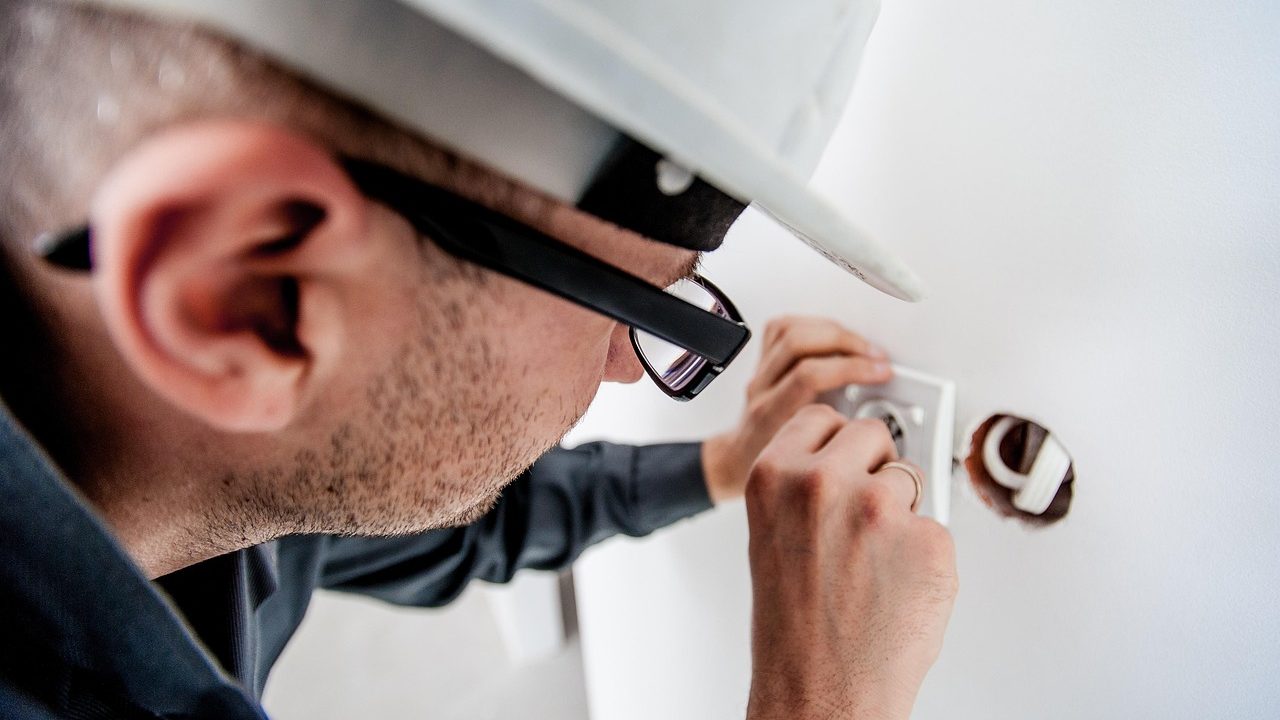
Electrical failures often manifest as a total lack of response when you insert the hose cuff into the wall inlet. In most systems, inserting the hose bridges two low-voltage metal contacts inside the inlet valve, sending a 24-volt signal to the main power unit to kick on the motor. If only one inlet fails to trigger the motor, the problem is usually isolated to that specific valve’s microswitch or loose wire nuts behind the wall plate. If no inlet in the entire house triggers the motor, the fault likely lies in the relay, transformer, or main circuit board inside the power unit itself.
When diagnosing low-voltage problems, employing a basic digital multimeter can save hours of frustrating guesswork. You can test continuity across the terminal screws of an inlet valve while someone inserts the hose, verifying whether the mechanical bridge is successfully closing the circuit. If the circuit is closed at the valve but the power unit remains dormant, tracing the two-conductor low-voltage wire back to the control relay on the main canister helps isolate whether a break exists in the intermediate wire runs hidden inside the wall cavities. In older homes, wire nuts can corrode or loosen over decades of thermal expansion and contraction, meaning a simple re-stripping and securing of copper leads can restore full connectivity.
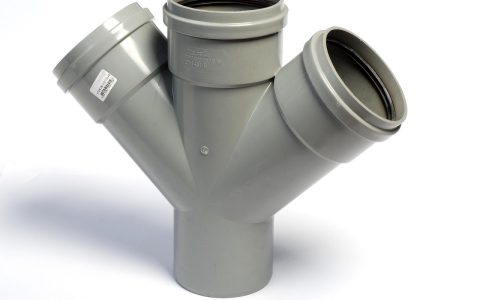
Airflow issues, conversely, present as normal motor noise paired with weak suction at the brush head. This symptom points toward clogged PVC lines, a blocked primary filter, or a full dirt canister. Homeowners frequently discover that children or careless cleaning have sucked up toys, socks, or large clumps of debris that become wedged at 90-degree elbows within the wall framing. Clearing these blockages requires specialized flexible augers or reversing the airflow from the exhaust port if your unit supports an external venting configuration.
Understanding the distinction between electrical control failures and mechanical air blockages saves hours of needless troubleshooting. When tackling a central vacuum diagnostics routine, always start at the power unit. Check the circuit breaker panel to ensure the dedicated outlet hasn’t tripped. Next, manually test the override switch on the main unit housing. If the motor roars to life when manually activated, you have immediately ruled out a total motor failure, narrowing the culprit down to either the low-voltage control loop or a physical blockage within the PVC duct network spanning your home’s walls.
Motor Wear and the Reality of Built-In Motor Replacement
If your motor roars to life but sounds gritty, smells of burning carbon, or trips your home circuit breaker instantly, you are dealing with motor failure. Most central vacuums rely on heavy-duty universal bypass motors designed to run for hundreds of hours. However, carbon brushes wear down over years of heavy use, eventually exposing the copper commutator to destructive sparking.
Executing a built in vacuum motor replacement is entirely feasible for a handy homeowner. Replacement motors are widely available online, matched by physical dimensions, voltage, wattage, and airflow ratings (measured in CFM and sealed suction water lift). Swapping the unit typically involves disconnecting the power cord, removing low-voltage control wires, unbolting the old motor assembly from its mounting bracket, and transferring the rubber gasket seals to the new housing.
However, you must weigh the cost of a replacement motor against the age of the entire canister unit. If the metal shell, muffler, and control board are twenty-five years old, dropping a brand-new motor into a degrading housing may not be the most prudent investment. Furthermore, if you lack comfort working with line-voltage electrical connections, professional service calls can quickly erode the cost advantage of a DIY motor swap.
When evaluating the physical motor unit, inspect the peripheral discharge and bypass configurations. Tangential bypass motors route cooling air separately from the vacuumed airstream, protecting the motor windings from moisture and fine dust if a filter fails. Peripheral discharge motors pull cooling air directly through the motor armature. If your legacy unit is a peripheral model that ingested fine drywall dust or ash over the years, the bearings are likely shot, meaning a simple brush change will not suffice and a complete motor assembly replacement is mandatory.
Beyond basic replacement, evaluating the thermal cutoff switch is vital. Many motors feature an internal thermistor or thermal fuse designed to trip if the unit overheats due to restricted airflow. If your motor cuts out after running for ten minutes and restarts only after cooling down, the motor itself may not be burned out; instead, it may be suffering from chronic overheating caused by a restricted exhaust vent or an overloaded filter. Verifying these thermal characteristics prevents you from buying an expensive replacement motor when a simple filter cleaning or venting adjustment would suffice.
Hose Upgrades and Wear Items
Suction loss is frequently blamed on the motor when the real culprit is worn-out infrastructure accessories. Over years of dragging across thresholds, furniture legs, and staircases, central vacuum hoses develop microscopic cracks, pinhole leaks, or loose swivel cuffs. A damaged hose ruins the dynamic pressure needed to drive deep dirt extraction.
Factor in the central vacuum hose upgrade cost when calculating your repair budget. Standard low-voltage hoses, crush-proof flexible hoses, and modern direct-connect electric hoses vary widely in price based on length and whether they need to power a motorized carpet brush. If your current hose is heavy, kinked, or heavy to coil up, replacing it with a lighter, modern woven-jacket hose can completely revitalize your user experience without touching the motor.
Beyond hoses, check the inlet valves themselves. Spring-loaded doors lose tension, rubber gaskets dry out and leak air, and plastic flanges crack. Swapping out a worn inlet valve takes ten minutes and a screwdriver, instantly restoring airtight integrity to that zone of the piping network. Investing in a sock or cover for your flexible hose also protects your baseboards and furniture corners from scuffs, making the physical process of maneuvering a long hose significantly more manageable.
It is also worth noting the evolution of hose management accessories. Traditional systems relied on cumbersome wire metal hangers or awkward plastic wall rings to coil thirty to fifty feet of rigid hose. Modern upgrades include retractable hose systems built directly into the PVC piping network, allowing you to pull out only the exact length of hose needed for a specific room and have it suck back into the wall automatically when finished. While retrofitting a retractable hose system into existing drywall can be complex and expensive, exploring surface-mounted hose socks and lightweight crush-proof replacements offers an immediate ergonomic boost at a fraction of the cost.

The Modern Alternative: Cordless Stick Vacuums
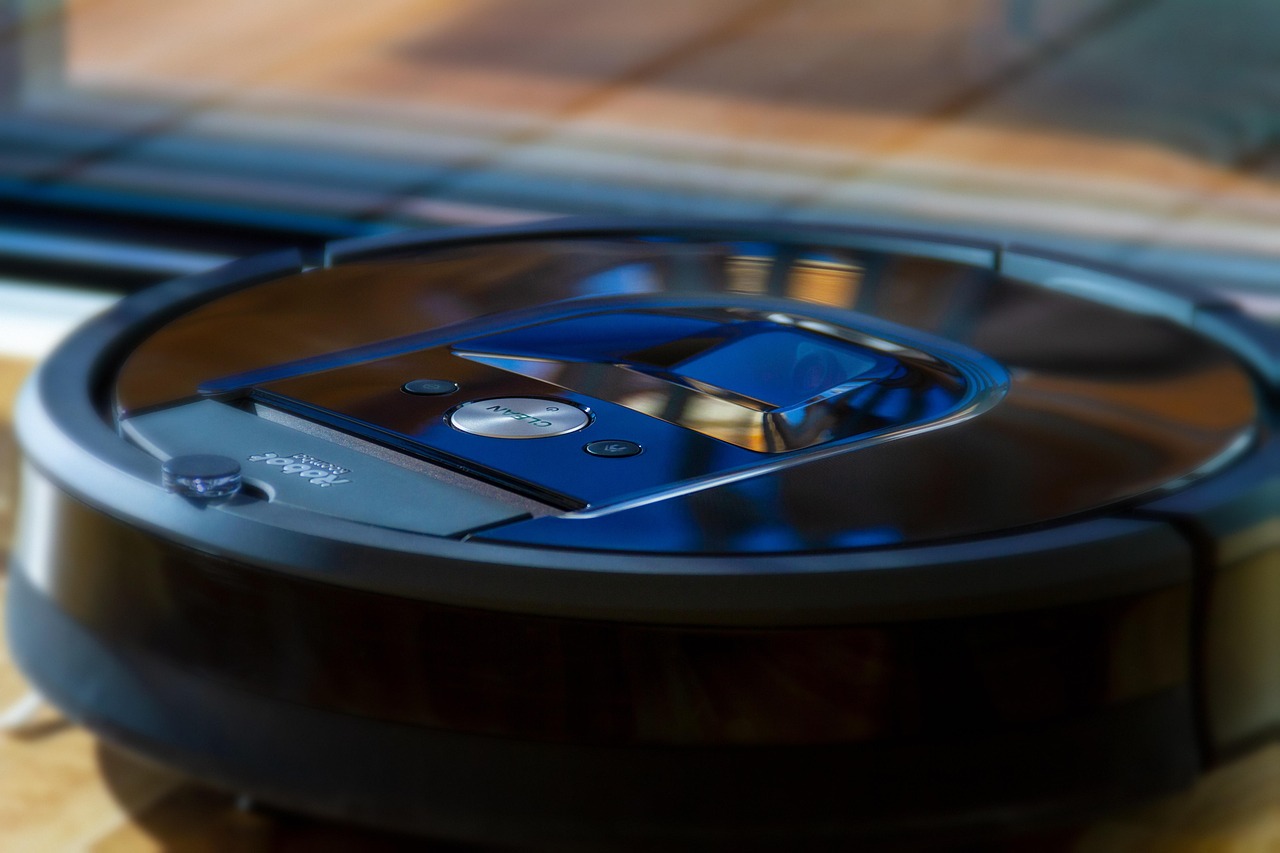
While you are evaluating repair estimates for your built-in setup, the residential market has been thoroughly transformed by high-efficiency cordless stick vacuums. Modern lithium-ion battery technology and brushless digital motors have closed the performance gap that once separated portable vacuums from plugged-in heavyweights.
For many households, the primary friction point of a central vacuum isn’t the suction power—it is the physical chore of retrieving, untangling, and dragging a 30-foot crushable hose from room to room, navigating corners, and wrestling the bulk back into a storage closet. Cordless vacuums eliminate this friction entirely. They hang on a discrete wall dock in the pantry or kitchen, ready for immediate, spot-cleaning duty.
The trade-offs, however, are distinct. Cordless vacuums have smaller dustbins that require frequent emptying during whole-house cleaning sessions. Their maximum runtime on high power is typically limited to 10 to 15 minutes, meaning large multi-story homes require disciplined battery management or multiple charging docks. Suction power, while remarkably high at the brush roll, rarely matches the raw, sustained cubic feet per minute of a dedicated 120-volt central turbine operating outside the living area.
Moreover, the lifespan economics differ drastically. A built-in central vacuum power unit can easily function for 20 to 30 years with minor maintenance, whereas a cordless stick vacuum’s lithium-ion battery will naturally degrade after 3 to 5 years of daily charge cycles, eventually requiring a battery pack replacement or an entirely new appliance. When calculating long-term value, factoring in consumable battery replacements helps ground your transition expectations.
Furthermore, consider the physical weight distribution during operation. With a cordless stick vacuum, the entire motor, battery, and dust cup assembly are held directly in your hand, which can cause wrist and arm fatigue during extended cleaning sessions, particularly when reaching overhead to clean crown molding or ceiling fans. Conversely, a central vacuum user bears only the weight of the lightweight hose wand and attachment tool, as the heavy motor remains stationary in the utility space. This mechanical distinction makes central systems vastly superior for individuals with joint stiffness or chronic hand fatigue, even if the initial setup feels cumbersome.
Direct Comparison: Repairing vs. Abandoning the System
To crystallize your decision, evaluate your cleaning habits against the structural realities of your home. Use this comparative breakdown to guide your choice:
- Initial Outlay: Repairing a motor or upgrading a hose is generally less expensive than buying a top-tier cordless stick vacuum with multiple attachments. However, if multiple components (motor, circuit board, and multiple valves) are failing simultaneously, repair costs can eclipse the price of a solid portable alternative.
- Ergonomics and Daily Use: Cordless vacuums win decisively on convenience for daily messes, pet hair on upholstery, and kitchen spills. Central vacuums win on whole-house deep cleaning without handheld fatigue, as you only hold a lightweight hose wand rather than the entire motor and battery weight.
- Air Quality and Filtration: Central vacuums vent exhaust air completely outside the living space (or through high-grade permanent filtration), making them ideal for severe allergy sufferers. Cordless vacuums filter exhaust through HEPA cartridges inside the room, which require meticulous washing and periodic replacement to prevent fine dust recirculation.
- Home Equity and Infrastructure: A functioning central vacuum system is viewed by some home buyers as a premium built-in amenity, whereas an abandoned in-wall pipe network is largely invisible and inconsequential. Leaving the pipes dormant inside the walls causes no structural harm if you decide to stop using them.
When weighing these factors, consider the physical layout of your residence. Homes dominated by dense, thick-pile wall-to-wall carpeting place continuous, demanding thermal and mechanical loads on a vacuum system. Cordless stick models can struggle to achieve the deep carpet-fiber agitation necessary for high-traffic wool or nylon carpets over long cleaning sessions without draining their battery reserves. Conversely, sprawling single-level open-concept homes with hardwood and tile floors make retrieving and stringing out a 35-foot central hose feel cumbersome and inefficient compared to simply grabbing a lightweight stick vacuum from its wall bracket.
Common Mistakes in the Repair-or-Replace Decision
Homeowners often rush into a decision without verifying basic variables, leading to wasted money or premature abandonment of a durable asset. Avoid these frequent missteps:
The first mistake is assuming suction loss is always a motor problem. Always check the primary filter bag or cyclonic collection bin, inspect the main exhaust vent outside your home for blockages, and test suction directly at the main unit’s intake port. If suction is strong at the canister but weak at the walls, your motor is healthy and the issue is restricted to either a blockage in the PVC trunk line or a leaky inlet valve.
The second mistake is ignoring low-voltage wiring faults. If a single inlet does not trigger the motor, do not assume the whole system is fried. Jumper the low-voltage terminals at the back of the non-working valve with a small piece of wire; if the motor starts, the switch inside the valve is dead, not the wiring or the motor.
The third mistake is buying a generic replacement motor that does not match your system’s electrical specifications. Always match the voltage (typically 120V or 240V), stage count (2-stage or 3-stage), cooling style (tangential bypass vs. peripheral discharge), and physical mounting dimensions precisely to ensure safety and longevity. Skipping these dimensional checks often results in improper sealing, air leaks, and premature motor burnout due to inadequate thermal dissipation.
A fourth frequent oversight involves neglecting the acoustic environment. Central vacuums isolate the roaring sound of a high-speed electric motor in a garage or basement, leaving the living areas remarkably quiet during operation—you hear only the rush of air at the wand. Transitioning to a high-powered cordless vacuum brings the motor noise directly into the room with you, which can be jarring for households accustomed to quiet cleaning routines or those who clean while others are sleeping.
Making Your Final Choice
Your ultimate verdict depends on how your household actually cleans. If you live in a large multi-story home with extensive wall-to-wall carpeting, cherish whisper-quiet living spaces while the vacuum runs in the garage, and do not mind wrangling a hose, investing in a motor overhaul or a new premium hose kit is a cost-effective path that preserves a high-end home feature for another decade.
Conversely, if your home features mostly hard surface flooring (hardwood, tile, LVP) with scattered area rugs, and your lifestyle demands rapid, frictionless cleanup of daily pet messes and kitchen crumbs, abandoning the built-in network in favor of a top-tier cordless stick vacuum makes pragmatic sense. You can simply cap the wall inlets with decorative plates, leaving the hidden plumbing dormant, and enjoy the liberating simplicity of modern battery-powered cleaning.
Ultimately, neither path is universally superior. Assessing your mechanical aptitude, your tolerance for home maintenance projects, and your daily cleanup workflow will lead you to the most sustainable choice for your household budget and long-term comfort.