When severe weather knocks out local power grids for days or weeks, the hum of a whole-house standby generator is often the sweetest sound a homeowner can hear. For millions of Americans living in hurricane zones, ice-storm corridors, or areas plagued by aging utility infrastructure, continuous electricity represents safety, comfort, and protection against frozen pipes or spoiled food. Evaluating the standby generator property value impact requires looking past the marketing brochures and examining how appraisers, local housing markets, and prospective purchasers actually treat auxiliary power systems. While a standby generator is undeniably a high-value utility upgrade, its financial return depends heavily on regional climate risks, neighborhood comps, installation quality, and the buyer pool.
However, real estate economics rarely mirror emotional peace of mind. To understand the true financial equation, buyers and sellers must look past the initial excitement and evaluate how appraisers, local housing markets, and prospective purchasers actually treat auxiliary power systems. While a standby generator is undeniably a high-value utility upgrade, it functions much like a high-end kitchen remodel or an inground swimming pool: its financial return depends heavily on regional climate risks, neighborhood comps, installation quality, and the buyer pool.
This analysis breaks down the true cost-to-benefit equation of whole-house backup power. We will examine how residential appraisers treat permanent generators, the ongoing maintenance and fuel expenses that counterbalance equity gains, regional variables that dictate buyer demand, and the financial pitfalls to avoid if you are installing a system primarily for resale appeal.
The Realities of Whole-House Backup Power
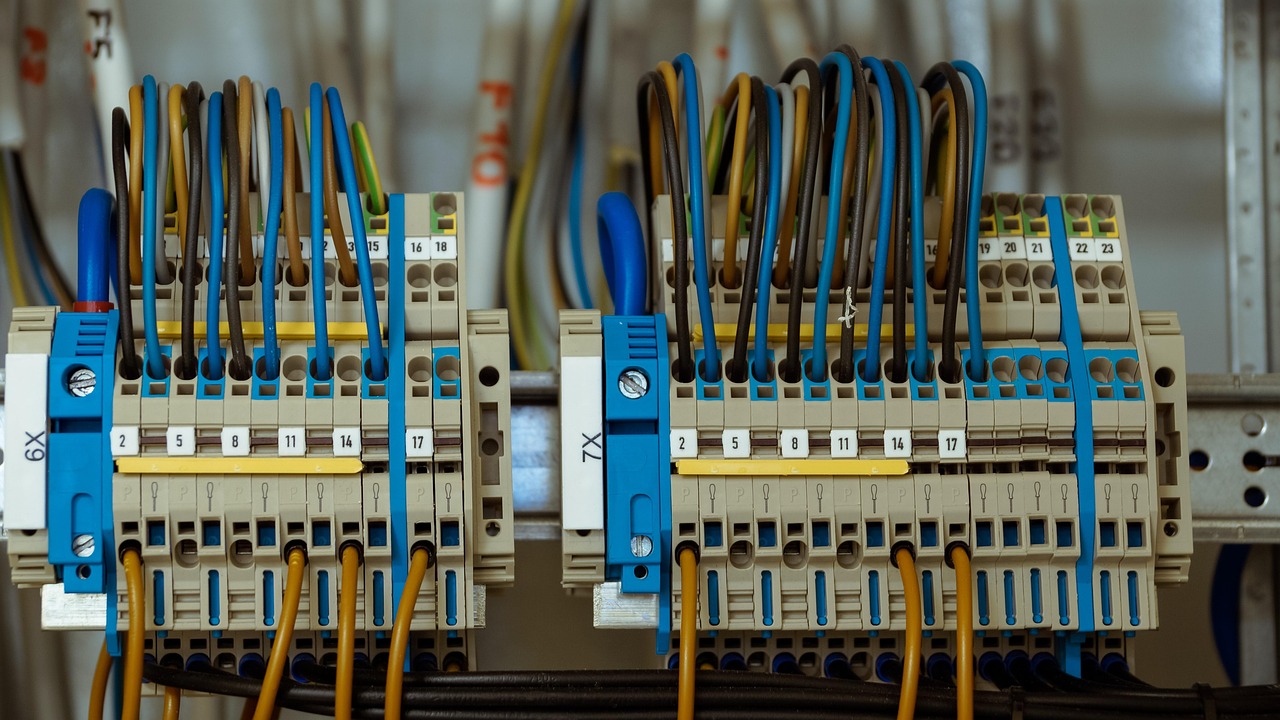
Before evaluating property appreciation, it is crucial to understand what a standby generator actually is and how it integrates into a residential property. Unlike portable generators that require manual setup, extension cords, and gasoline storage cans, a permanent standby unit sits outside the home on a concrete pad, permanently connected to a natural gas or liquid propane line. Housed in a weatherproof enclosure, the unit monitors utility power continuously. When the grid fails, an automatic transfer switch (ATS) detects the outage within seconds, starts the engine, and safely shifts the electrical load to the generator.
This seamless operation is precisely why homeowners love them. Yet, this complexity also explains why the upfront financial commitment is substantial. Purchasing the unit itself is only part of the equation; total project costs routinely include electrical panel upgrades, gas line extensions, concrete pad pouring, delivery fees, local permits, and municipal inspections. Because these systems are hardwired directly into the home’s electrical infrastructure, they legally become permanent fixtures of the real property. When a house is sold, the generator stays with the structure, transferring ownership to the buyer automatically.
This permanent fixture status is what brings the question of property valuation to the forefront. Since the generator cannot be uninstalled and moved to your next home, its cost must be justified either through your own enjoyment during power outages or through a tangible bump in your home’s final appraisal and sale price.
Upfront Costs vs. Resale Reality: What Appraisers See
When a licensed residential appraiser evaluates a property for a mortgage refinance or a pending sale, they rely primarily on the sales comparison approach. They look at recently sold comparable homes in the immediate neighborhood—known as “comps”—and make dollar adjustments for differences in square footage, bathroom counts, lot size, and notable amenities.
When it comes to mechanical upgrades like standby generators, appraisers generally do not assign a dollar-for-dollar value equal to your installation invoice. If you spent ten thousand dollars installing a brand-new system last month, an appraiser will rarely increase your home’s appraised value by ten thousand dollars. Instead, appraisers view whole-house generators as functional improvements that contribute to overall marketability and property condition rather than discrete equity drivers.
In standard suburban housing markets where grid outages are rare, a standby generator may be treated as a modest bonus feature, yielding a negligible appraisal bump—perhaps recovering 30% to 50% of the initial installation cost in terms of market value. In high-risk disaster zones, however, where extended grid failures are a recurring seasonal reality, buyer demand can elevate the perceived value of the home, allowing sellers to command a firmer asking price or secure a faster contract.
How Standby Generators Affect Home Appraisals
To understand how appraisers quantify a generator’s worth, you must look at how the real estate industry categorizes home improvements. Improvements generally fall into two categories: capital improvements that increase structural square footage or functional utility, and maintenance items that prevent degradation.
A standby generator falls squarely into the realm of enhanced functional utility. However, appraisers operate under strict guidelines set by secondary mortgage markets and lending institutions. To grant explicit value for an upgrade, the local market must demonstrate that buyers are actively paying a premium for that specific feature. If twenty homes have recently sold in your zip code and none of the listing agents mentioned a backup generator as a primary selling point, the local comparable data provides the appraiser with zero statistical justification to add extra value to your appraisal.
Furthermore, appraisers evaluate the age and condition of mechanical assets. A brand-new generator with a transferable manufacturer warranty adds more weight than a fifteen-year-old unit nearing the end of its operational lifespan. If a generator is outdated, noisy, or shows signs of deferred maintenance, an appraiser may view it as a potential liability rather than an asset, occasionally requiring proof of working condition before loan underwriting can proceed.
Fuel Source Economics: Natural Gas vs. Liquid Propane
The operational efficiency and long-term appeal of a standby generator are heavily tied to its fuel source. Most residential units run on either municipal natural gas or on-site liquid propane (LP) tanks. Understanding the economics of these fuel types is essential for evaluating both ongoing ownership costs and how prospective buyers perceive the system.
Natural gas units are generally favored in suburban and urban environments where the home is already connected to municipal utility lines. Natural gas provides an uninterrupted fuel supply, meaning the generator can run indefinitely during a prolonged grid outage without requiring refueling. From a resale perspective, buyers love natural gas generators because they eliminate logistical headaches. There are no heavy propane tanks to monitor, refill, or lease.
Liquid propane units, on the other hand, are common in rural areas or properties without municipal gas access. These systems require a dedicated storage tank buried underground or set above ground on the property. While LP generators function reliably, prospective buyers often factor the ongoing cost of propane delivery, tank rentals, and fuel monitoring into their purchasing decisions. A buyer touring a rural home with an LP generator will immediately calculate whether the propane supply can sustain a multi-week winter freeze, introducing an extra layer of scrutiny during home inspections.
Maintenance Burdens and Ongoing Ownership Costs
One of the most overlooked aspects of the standby generator property value impact is the ongoing cost of ownership. Unlike passive improvements like hardwood floors or crown molding, a standby generator is a complex combustion engine attached to your home. It requires regular preventive maintenance to ensure it starts reliably when an emergency strikes.
Homeowners must budget for annual or semi-annual service visits, which typically include oil changes, filter replacements, spark plug inspections, battery tests, and firmware updates. Depending on whether you hire a certified local technician or perform the routine maintenance yourself, annual service costs can add up steadily over the lifespan of the unit. Additionally, most standby units run an automatic self-test cycle weekly or monthly. While these short cycles ensure the engine components remain lubricated, they consume small amounts of fuel and generate audible noise that neighbors may notice.
When a home goes on the market, savvy home inspectors will thoroughly examine the generator. If a seller cannot produce a documented service history proving that the unit has been professionally maintained, a home inspector will likely flag it as an unknown variable. In severe cases, deferred maintenance can result in repair demands or buyer concessions, neutralizing any theoretical equity gain the system was expected to provide.

Regional Variations: Where Standby Generators Matter Most
The financial return on a standby generator is intensely geographic. Real estate is location-sensitive, and the value proposition of emergency power fluctuates dramatically depending on regional climate vulnerabilities and local utility reliability.
In regions prone to severe tropical storms, hurricanes, and heavy winter ice accumulation—such as the Gulf Coast, the Northeast seaboard, and parts of the upper Midwest—standby generators are viewed by consumers as near-essential infrastructure. In these markets, buyer expectations are elevated. A home equipped with a whole-house generator in a hurricane-prone coastal county stands out favorably against competing listings that rely on noisy portable units and extension cords.
Conversely, in mild climates with robust underground electrical grids and infrequent weather disruptions, a standby generator is often viewed as an extravagant luxury rather than a necessity. In these regions, prospective buyers are rarely willing to pay an increased purchase price to cover the sunk cost of the system. They may appreciate the feature if it is already there, but they will not factor it heavily into their initial offers, meaning the seller absorbs the depreciation without financial recompense.
Installation Complexities and Municipal Permits
The process of installing a standby generator involves navigating a web of local building codes, setback regulations, and municipal permitting requirements. These bureaucratic hurdles directly influence the initial cost of the project and, by extension, your net return on investment.
Most municipalities require strict electrical, plumbing, and building permits for permanent generator installations. Local codes dictate how close the unit can be placed to windows, doors, property lines, and combustible materials to mitigate the risk of carbon monoxide poisoning and fire hazards. Furthermore, homeowners associations (HOAs) frequently enforce rigid architectural guidelines regarding generator placement, noise decibel limits, and visual screening landscaping.
Attempting DIY installation or hiring unlicensed contractors to bypass permit fees is a critical mistake. When you eventually sell your home, municipal title searches and municipal compliance inspections will often verify whether all permanent improvements were legally permitted. An unpermitted generator can stall a real estate closing, force retroactive permitting fees, or require costly relocation if it violates local property setback codes.
Comparing Standby Units to Portable Alternatives
To evaluate whether a permanent standby generator makes financial sense for your property, it is helpful to compare it directly against portable generator alternatives. Understanding the cost-to-benefit spread clarifies why different homeowners make different choices.
Portable generators typically cost a fraction of a permanent standby system, requiring a much smaller upfront capital outlay. For homeowners who experience power outages only once or twice a year for a few hours, a tri-fuel portable generator paired with a manual transfer switch installed by an electrician can provide adequate emergency power at a significantly lower cost basis.
From an appraisal standpoint, however, portable generators carry zero property value impact. Because they are personal property rather than permanent fixtures, they are typically not included in real estate sales contracts unless negotiated separately as personal chattel (similar to patio furniture or a refrigerator). If your primary goal is boosting home equity and resale appeal, a portable unit offers no advantage. Standby systems win on resale appeal precisely because they are permanent, turnkey additions that convey with the deed.
Calculating the True Return on Investment (ROI)
When financial analysts calculate the return on investment (ROI) for a home improvement project, they divide the net value added to the home by the total net cost of the project. For standby generators, calculating this metric requires brutal honesty about depreciation and initial expenses.
Assuming an average installation cost spanning several thousand dollars, and an estimated real estate value recovery rate between 30% and 50% in average markets, the direct financial ROI of a standby generator is rarely positive in purely mathematical terms. Most financial advisors view standby generators as a consumer utility purchase—akin to purchasing a reliable vehicle or a central air conditioning system—rather than an investment vehicle designed to generate profit.
The ROI only tips into positive territory when factoring in avoided catastrophe costs. For example, preventing a flooded basement from a failed sump pump during a severe storm, or protecting luxury interior finishes from freezing temperatures and burst pipes, can save a homeowner tens of thousands of dollars in property damage. When evaluated through risk mitigation rather than raw real estate appreciation, the value proposition becomes much clearer.
Common Pitfalls Homeowners Make When Installing Backup Power
Homeowners often undermine the potential value of their standby generator investment by falling into common planning traps. Recognizing these pitfalls helps protect your capital and ensures the installation actually enhances your property:
- Over-sizing the unit: Installing an excessively large commercial-grade generator for a modest suburban home inflates upfront costs without adding proportional resale value.
- Ignoring HOA guidelines: Placing a unit in direct violation of neighborhood association aesthetic rules can force an expensive relocation or legal dispute during a home sale.
- Neglecting maintenance records: Failing to keep receipts and logs of professional service visits gives home inspectors ammunition to devalue the mechanical asset.
- Failing to secure permits: Skipping municipal building permits creates title defects that complicate real estate transactions down the road.
Conclusion: Is a Standby Generator Right for Your Property Value?
Ultimately, a permanent standby generator should be installed primarily for comfort, safety, and operational continuity during grid failures rather than as a reliable engine for real estate appreciation. While whole-house backup power systems enhance marketability and can serve as a powerful tie-breaker in competitive, storm-prone real estate markets, they rarely return their full installation cost at the closing table.
If you live in an area prone to chronic utility failures and plan to enjoy the property for many years, the daily utility and peace of mind heavily outweigh the financial depreciation. However, if your sole objective is a quick return on investment before an impending move, you are better off allocating your home improvement budget toward high-impact cosmetic updates that consistently deliver stronger appraisal returns across all US housing markets.